Is Sharm el-Sheikh Safe?
Sharm el-Sheikh is generally one of Egypt's safer tourist destinations, especially inside resort areas, hotel zones, and main leisure districts. Most visitor issues are inflated prices, taxi disputes, pushy sales tactics, and occasional petty theft rather than serious street crime, but caution increases at night, in isolated areas, and for travelers who are visibly intoxicated or socially vulnerable.
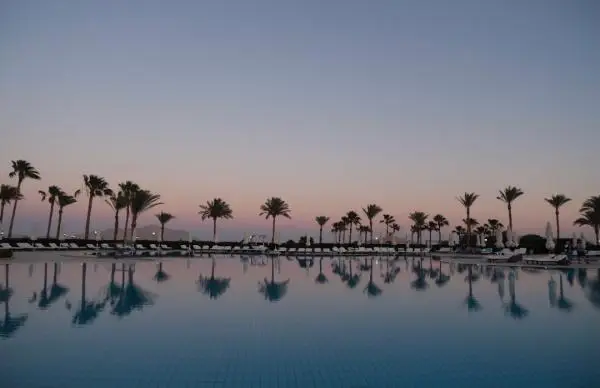
Photo: Karine Avetisyan / Unsplash
Perception vs Reality: South Sinai has a wider security reputation, but Sharm itself is a tightly managed resort city with a stronger tourist security presence than many other parts of Egypt. That does not remove risks from scams, harassment, road travel, or conservative social norms.
Risk Scores
Scale: 1 = very low risk, 10 = very high risk
Safety Overview
Overall Safety
Most tourists stay in secure resort corridors where violent crime is uncommon. The more typical problems are overcharging, unwanted attention, and minor theft in busy commercial areas.
Violent Crime
Serious violence against tourists is not the main day-to-day risk in Sharm's resort areas. Risk rises in isolated places, during disputes, or outside well-trafficked tourist zones.
Petty Crime
Petty theft can happen in markets, beaches, and busy nightlife areas, especially when bags and phones are left unattended. Resort compounds are usually safer than public commercial strips.
Scams
Taxi overcharging, inflated excursion prices, and pressure selling are common. Confirm prices clearly before services start.
Night Safety
Main resort promenades are usually active and well lit at night, but quiet streets, beaches, and roads between districts feel less secure. Late-night intoxication increases vulnerability.
Public Transport
Tourists usually rely on hotel transport, taxis, or arranged rides rather than local transit. The main transport risk is fare disputes and uneven driving standards.
Police & Emergency
Tourist police and security are visible in major visitor areas and around hotels. For minor incidents, hotel staff are often the fastest practical help, especially if language is a barrier.
Day vs Night
Daytime
Daytime is usually straightforward in resort zones, beaches, and major commercial areas. The main issues are scams, harassment, heat, and keeping belongings watched during activities.
Nighttime
Night is still active in main tourist districts, but risk rises in quieter streets, on beaches, and when returning from bars or clubs. Pre-arranged transport is better than improvising late.
Seasonal: Peak holiday periods bring bigger crowds, stronger sales pressure, and more petty theft opportunities. Regional geopolitical tensions can affect security posture and traveler perception even when resort life remains normal.
Who’s Visiting?
Tourists are generally well catered for, but are frequently targeted for higher prices and sales pressure.
Common Risks
- ⚠ Taxi fare inflation
- ⚠ Excursion upselling
- ⚠ Pushy vendors
- ⚠ Unattended valuables at pools or beaches
Tips
- ✓ Use hotel-arranged transport or agree taxi fare in advance
- ✓ Book diving and desert trips through reputable operators
- ✓ Keep phones and wallets secured in markets and cafes
- ✓ Check whether service charges and taxes are already included
Solo women can travel in Sharm, especially in resorts, but street harassment and persistent attention can occur outside hotel environments.
Common Risks
- ⚠ Catcalling or staring
- ⚠ Overfriendly male strangers
- ⚠ Pressure from drivers or vendors
- ⚠ Extra vulnerability when alone late at night
Tips
- ✓ Prefer resort transport or trusted taxis after dark
- ✓ Dress with local norms in mind outside beaches and resorts
- ✓ Be firm and brief with unwanted attention
- ✓ Avoid isolated beachfront or road areas alone at night
Discreet travelers often pass without issue in international resort settings, but the wider legal and social environment in Egypt is not LGBTQ-friendly.
Egypt does not have a clear nationwide law explicitly banning same-sex relations, but authorities have used morality and public decency laws against LGBTQ people. Social conservatism remains significant, and public displays of affection can attract attention.
Common Risks
- ⚠ Social hostility if visibly open
- ⚠ Problems linked to public affection
- ⚠ Privacy concerns on dating apps
- ⚠ Uneven treatment outside international hotel settings
Tips
- ✓ Keep relationships and dating activity discreet
- ✓ Be cautious with dating apps and avoid sharing hotel details quickly
- ✓ Prefer international hotels and established tourist venues
- ✓ Avoid confrontations over identity in public spaces
Family travelers usually find Sharm straightforward and comfortable in established resorts, with the main concerns being sun, water activities, transport, and crowd management in busy areas.
Common Risks
- ⚠ Children wandering in crowded promenades
- ⚠ Pool and beach safety
- ⚠ Road safety during transfers
- ⚠ Heat and dehydration
Tips
- ✓ Use child supervision closely around pools, jetties, and boats
- ✓ Choose licensed operators for snorkeling and diving trips
- ✓ Carry water and sun protection during outings
- ✓ Use hotel shuttles or pre-booked transfers for airport and excursions
Sharm works better for short resort-based stays than for deeply local, car-free living. Safety is manageable, but transport dependence and tourist pricing are common irritants.
Common Risks
- ⚠ Paying tourist rates for routine services
- ⚠ Taxi disputes
- ⚠ Unsecured Wi-Fi on public networks
- ⚠ Limited walkability outside key zones
Tips
- ✓ Base yourself near reliable cafes or hotel workspaces
- ✓ Use a VPN on public or hotel Wi-Fi
- ✓ Arrange longer-term transport pricing up front
- ✓ Keep devices attended in beach clubs and coworking-style spaces
Crime & Threats
Pickpocketing
MediumMost likely in crowded places such as Naama Bay promenades, the Old Market, and busy tour pickup points.
Phone Snatching
LowLess common than in some larger cities, but phones left on tables or visible in busy areas can disappear.
Robbery
LowStreet robbery is not the main tourist threat in core resort zones, though isolated areas are best avoided after dark.
Assault
LowAssault risk is generally low for tourists, but alcohol, arguments, or secluded locations raise the chance of trouble.
Drink Spiking
MediumNot the city's defining risk, but nightlife visitors should watch drinks and avoid leaving them unattended.
Taxi Scams
HighCommon issues include inflated fares, vague pricing, and extra charges added at the end of a trip.
ATM Skimming
LowNo unusually strong pattern is widely reported, but indoor bank ATMs are safer than standalone machines.
Tourist Scams
HighExpect upselling, fake discounts, pressure to book excursions immediately, and prices that rise once interest is shown.
Common Scams
Taxi fare inflation
A driver avoids using a clear meter or quote, then demands a much higher fare at the destination.
Agree the full fare before getting in and keep small cash ready.
Excursion upsell
A seller advertises a low base price, then adds transport, equipment, entry, or photo fees later.
Ask for the full inclusions in writing and compare with hotel or established operators.
Pressure-selling in markets
Vendors use tea, conversation, or a 'special discount' to create pressure to buy overpriced goods.
Browse without showing strong interest and leave if the price or pressure feels wrong.
Unofficial guide or helper
Someone offers directions, beach help, or market assistance, then demands payment.
Decline politely but clearly and ask hotel staff or official desks for help instead.
Area Map
Approximate locations from public sources. Conditions vary by time of day and current events.
Area Safety
Safer Areas
Busy tourist hub with hotels, restaurants, visible security, and lots of foot traffic.
Well-managed resort and entertainment area with good lighting and a controlled tourist environment.
Resort-heavy area where visitors usually stay within hotel compounds and organized venues.
Be More Careful
Popular and generally visitable, but more crowded, more persistent vendors, and a higher chance of overcharging or petty theft.
Lower foot traffic and fewer obvious help points make them less comfortable than main resort strips.
Risk is more about road safety, checkpoints, and the wider regional security context than street crime.
Getting Around
Walking
Walking is usually fine within resort compounds and busy tourist promenades. It is less practical between districts because distances are long, sidewalks can be uneven, and some roads feel isolated.
Taxis & Rideshare
Use hotel taxis, pre-booked transfers, or clearly agreed fares before departure. Confirm total price, route, and whether the fare is in Egyptian pounds.
Trains & Buses
Tourists rarely use local buses in Sharm for day-to-day movement. Organized transfers and hotel shuttles are usually simpler and feel more predictable.
Do’s & Don’ts
Do
- Keep valuables secure in markets, beach clubs, and shared transport
- Use reputable dive shops and excursion providers
- Agree taxi fares before the journey starts
- Stay in well-lit, active tourist areas at night
- Use hotel staff as a first point of help for disputes or lost items
Don’t
- Do not leave phones or wallets unattended on tables or loungers
- Do not assume beachwear is appropriate away from resort areas
- Do not walk isolated roads or beaches alone late at night
- Do not get into fare arguments after the trip has already started
- Do not be openly intoxicated outside controlled nightlife venues
How Does It Compare?
Safer Than
Sharm is relatively safe by regional resort standards, but it is not a low-risk city in the same way as top global safety benchmarks. Tourist zones are notably safer than the wider perception of Egypt may suggest.
Frequently Asked Questions
Yes, most tourists find Sharm el-Sheikh manageable and relatively safe inside resort zones. The main problems are scams, taxi disputes, and minor theft.
Walking in busy areas like Naama Bay or Soho Square is usually fine, but isolated roads, beaches, and poorly lit areas are less comfortable after dark.
Taxi overcharging, excursion upselling, pressure selling in markets, and unofficial helpers asking for money are the most common visitor complaints.
Data Notes
- Street-level crime reporting for Sharm el-Sheikh is limited compared with larger global cities, so risk levels are based largely on traveler patterns and regional context.
- Security conditions can shift with broader Sinai or Egypt-wide developments even when resort districts remain calm.
- LGBTQ experiences vary widely depending on discretion, venue, and interaction with authorities or local social norms.
Other Destinations in Egypt
Traveling to Sharm el-Sheikh?
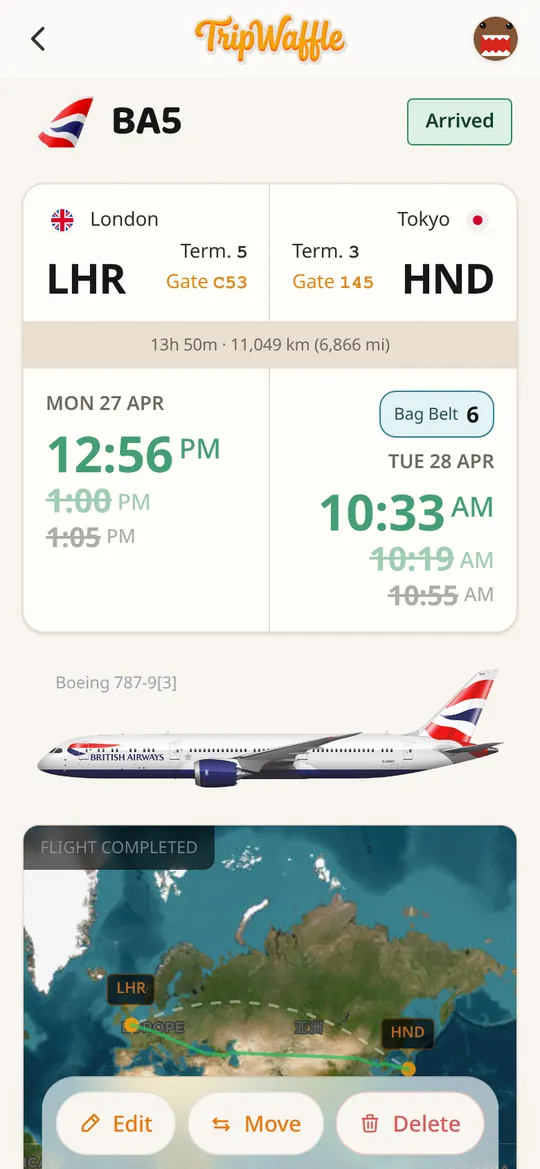
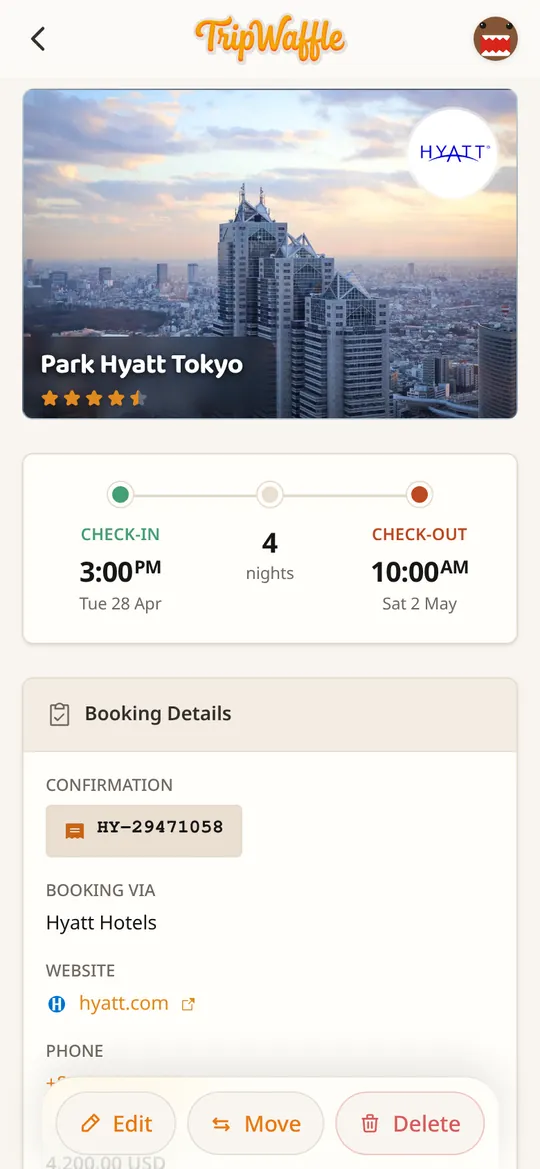
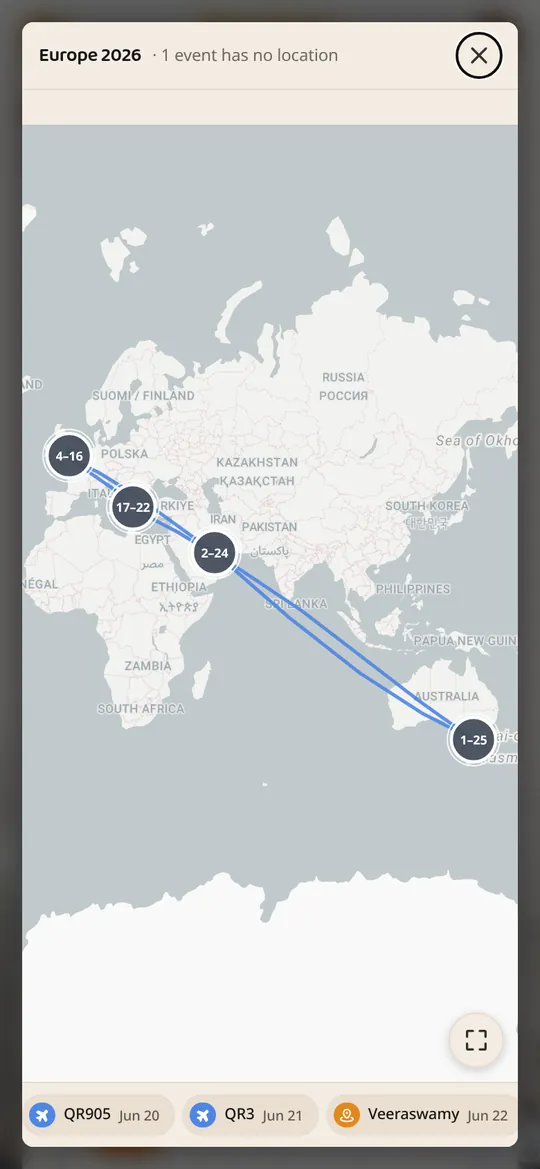
TripWaffle organizes your whole trip in one beautiful itinerary - and watches over it: government advisory alerts, the local emergency number, and entry requirements for Sharm el-Sheikh, plus live flight tracking. Just forward your confirmation emails.


100% free · 3 second signup
Last updated: May 27, 2026