
Is Accra Safe?
Accra is generally manageable for travelers, with most problems involving petty theft, taxi overcharging, and uneven night safety rather than frequent serious violence. Busy markets, transport hubs, nightlife districts, and poorly lit streets need the most caution.
Photo: Nana Kwandoh / Unsplash
Perception vs Reality: Accra can look more intimidating than it often is. Most visitors have trouble-free stays, but the city is not risk-free, especially after dark and in crowded commercial areas.
Risk Scores
Scale: 1 = very low risk, 10 = very high risk
Safety Overview
Overall Safety
Accra is workable for most travelers who use normal city precautions. The main issues are theft, transport scams, and higher risk after dark.
Violent Crime
Serious violence is not the norm for most visitors, but muggings and opportunistic robberies can happen, especially at night or when valuables are obvious.
Petty Crime
Pickpocketing, bag theft, and phone snatching are the most common visitor-facing crimes in crowded markets, busy streets, and nightlife areas.
Scams
Taxi fare inflation, fake helpers, and payment confusion are common nuisance scams. Clear prices in advance and use app-based rides where possible.
Night Safety
Risk rises after dark on quiet streets, around beaches, transport hubs, and after nightlife. Avoid walking long distances at night.
Public Transport
Tro-tros are cheap but crowded and confusing for newcomers, with more theft risk than private transport. App taxis are usually simpler and safer for visitors.
Police & Emergency
Police are present in major areas, but response and follow-up can be uneven. Hotel staff, hosts, or venue security are often the quickest source of practical help.
Day vs Night
Daytime
Daytime is usually manageable in business, residential, and tourist areas if you keep valuables secure and plan transport.
Nighttime
Night brings a noticeable rise in theft and robbery risk, especially on quieter streets, around beaches, and when leaving bars or clubs.
Seasonal: Heavy rains can cause flooding, traffic chaos, and more vulnerable walking conditions. Festivals, holiday periods, and major nightlife weekends bring bigger crowds and more theft opportunities.
Who’s Visiting?
Tourists usually face nuisance crime more than targeted violence, especially in markets, beach areas, and nightlife zones.
Common Risks
- ⚠ Pickpocketing in crowded markets
- ⚠ Taxi overcharging
- ⚠ Phone snatching from the street or open car windows
- ⚠ Fake guides or unsolicited helpers
Tips
- ✓ Use ride-hailing apps or agree taxi fares before departure
- ✓ Keep phones and wallets out of sight in crowds
- ✓ Carry only the cash you need for the day
- ✓ Ask your hotel which areas are best avoided after dark
Many women travel in Accra without major issues, but street harassment, unwanted attention, and reduced comfort at night are real concerns.
Common Risks
- ⚠ Catcalling or persistent attention
- ⚠ Unwanted approaches in nightlife areas
- ⚠ Isolation on quiet streets after dark
- ⚠ Drink tampering risk in bars and clubs
Tips
- ✓ Prefer app-based rides at night rather than walking
- ✓ Choose accommodation in well-known areas such as Cantonments or Airport Residential
- ✓ Watch drinks closely and avoid leaving them unattended
- ✓ If a driver or stranger is overly persistent, end the interaction quickly and move to a busier place
LGBTQ travelers may face more social and legal risk than other visitors, especially outside international-facing spaces.
Ghana is socially conservative, and same-sex intimacy has legal and social sensitivity. Public displays of affection can attract unwanted attention or harassment.
Common Risks
- ⚠ Verbal harassment
- ⚠ Unwanted attention in public
- ⚠ Discrimination in some venues or housing
- ⚠ Heightened risk when using dating apps
Tips
- ✓ Keep a low profile in public and avoid public displays of affection
- ✓ Be cautious with dating apps and verify people carefully
- ✓ Choose internationally oriented hotels or venues
- ✓ Rely on trusted local contacts for current social norms
Families can have a comfortable stay in Accra, especially in residential and hotel districts, but traffic, crowds, and petty theft need attention.
Common Risks
- ⚠ Traffic hazards when walking
- ⚠ Crowding in markets
- ⚠ Bag theft in busy public places
- ⚠ Beach security and supervision issues
Tips
- ✓ Use car transport for longer trips instead of walking with children on busy roads
- ✓ Keep children close in markets and transit areas
- ✓ Choose accommodation with reliable security and transport support
- ✓ Do not leave belongings unattended at beaches or restaurants
Accra is a practical base for remote workers, especially in expat-friendly districts, but device theft and transport reliability are the main safety concerns.
Common Risks
- ⚠ Laptop or phone theft in cafes
- ⚠ Snatch theft when working near windows or street fronts
- ⚠ Late-night transport issues after coworking or social events
- ⚠ Payment disputes with cash taxis
Tips
- ✓ Work from reputable cafes, hotels, or coworking spaces
- ✓ Avoid displaying multiple devices on outdoor tables
- ✓ Back up data and use strong device locks
- ✓ Use app rides for evening returns instead of street taxis
Crime & Threats
Pickpocketing
MediumMost likely in Makola Market, Circle, busy bus areas, and crowded events.
Phone Snatching
MediumPhones can be grabbed on busy streets or through open car windows in slow traffic.
Robbery
MediumStreet robberies are less common than theft but do occur, mainly after dark or in quieter areas.
Assault
LowRandom assault is not a leading risk for most visitors, though disputes and nightlife incidents can happen.
Drink Spiking
MediumNightlife venues carry some risk, especially if drinks are left unattended.
Taxi Scams
MediumVisitors are often quoted inflated fares or taken on longer routes if prices are not agreed upfront.
ATM Skimming
LowUse ATMs at banks or major malls and stay alert for distraction attempts.
Tourist Scams
MediumCommon tactics include fake help, inflated prices, and pressure selling around markets, beaches, and nightlife.
Common Scams
Taxi fare inflation
A driver quotes a high flat fare, changes the price on arrival, or takes a longer route.
Use app rides when possible or agree the full fare before the trip starts.
Fake helper at markets or stations
Someone offers directions, carrying help, or ticket help, then demands money or steers you to overpriced vendors.
Decline firmly and ask staff, vendors, or your accommodation for guidance instead.
Mobile money or payment confusion
A seller claims a transfer failed or pressures you into paying twice.
Check confirmations yourself and do not hand over extra cash until you verify the payment.
Nightclub bill padding
Extra drinks or inflated charges appear on the bill, especially when a stranger joins your table.
Order directly, review prices early, and settle bills as you go.
Area Map
Approximate locations from public sources. Conditions vary by time of day and current events.
Area Safety
Safer Areas
Upscale, well-known area with embassies, hotels, and generally better security presence.
Popular with business travelers, with reliable hotels and easier access to trusted transport.
Busy residential and dining district with many expats, though still use caution at night.
Be More Careful
Dense crowds create good conditions for pickpocketing, bag theft, and price manipulation.
Busy transport and commercial hub where theft, scams, and confusion are more likely.
Can be interesting to visit by day, but it is less comfortable for unfamiliar visitors after dark.
Lively and popular, but nightlife crowds increase risks of theft, harassment, and drink-related problems.
Getting Around
Walking
Fine for short daytime trips in well-known areas, but traffic is a bigger hazard than many visitors expect. Sidewalks can be limited and long night walks are not a good idea.
Taxis & Rideshare
Ride-hailing apps are usually the safest and simplest option. If using a street taxi, agree the price before getting in and avoid isolated pickups late at night.
Trains & Buses
Tro-tros are cheap and widely used but can be crowded, confusing, and better suited to confident local-style travel. Keep bags in front of you and avoid them late at night.
Do’s & Don’ts
Do
- Use app-based rides, especially after dark
- Keep phones and bags secure in markets and transport hubs
- Stay in well-known districts with reliable accommodation security
- Carry small cash and keep backup cards separate
- Ask locals you trust which nearby streets are best avoided at night
Don’t
- Do not walk long distances alone late at night
- Do not display phones, jewelry, or large amounts of cash in crowded areas
- Do not leave drinks unattended in bars or clubs
- Do not accept unsolicited help with ATMs, tickets, or transport
- Do not assume every taxi will use a fair price
How Does It Compare?
Safer Than
These are broad, qualitative city comparisons for everyday traveler risk, not precise crime rankings.
Frequently Asked Questions
Usually yes, if you take city-level precautions. Most problems are theft, scams, and transport hassles rather than serious violence.
Not ideal for long or isolated walks. Short walks in busy, well-lit areas are better, but app rides are the safer choice.
They can be, but fare disputes are common. Ride-hailing apps are generally more reliable than street taxis.
Data Notes
- Crime patterns can vary a lot by neighborhood, street, and time of day.
- Reliable public crime data is limited, so risk levels are based on consistent traveler reports and broad local patterns rather than precise statistics.
- LGBTQ safety can depend heavily on venue, company, and local social context, which may change quickly.
Traveling to Accra?
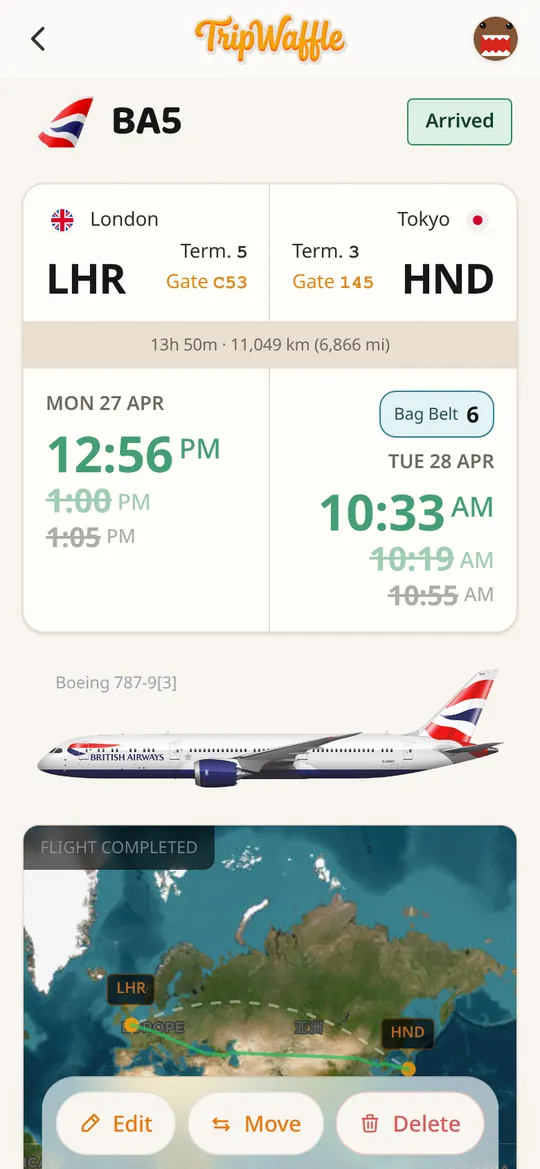
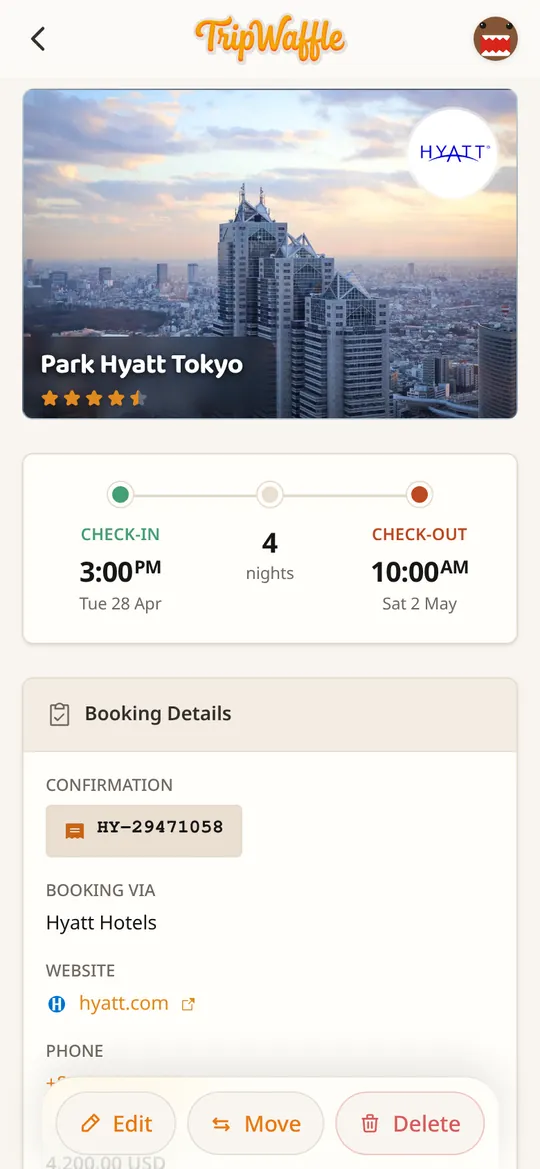
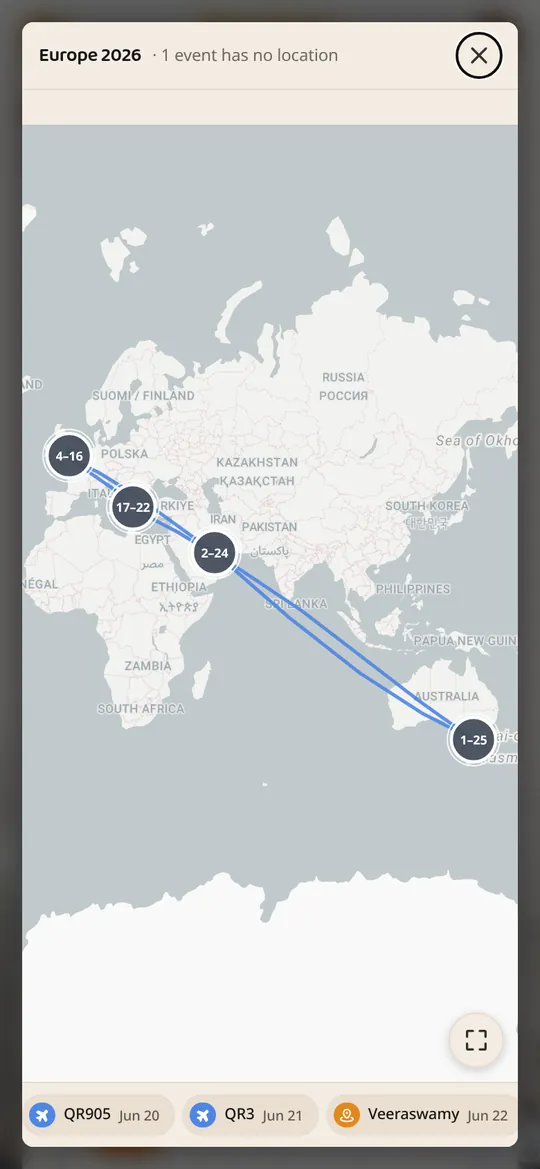
TripWaffle organizes your whole trip in one beautiful itinerary - and watches over it: government advisory alerts, the local emergency number, and entry requirements for Accra, plus live flight tracking. Just forward your confirmation emails.


100% free · 3 second signup
Last updated: May 27, 2026