Is Crete Safe?
Crete is generally safe for most travelers, with low violent crime and manageable petty theft risk. The main trouble spots are busy ports, tourist centers, and summer party areas such as Malia, where drunken behavior, theft, and harassment are more common at night.
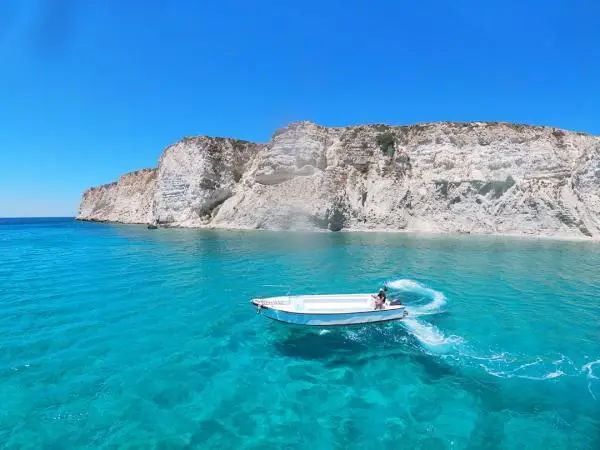
Photo: Elena Dimaki / Unsplash
Perception vs Reality: Crete's rowdy reputation mostly comes from a few nightlife resorts in peak summer; much of the island is calm, family-friendly, and low-crime.
Risk Scores
Scale: 1 = very low risk, 10 = very high risk
Safety Overview
Overall Safety
Crete is one of the safer Mediterranean destinations. Most visits are trouble-free, but tourist crowds and party zones raise the risk of theft and late-night incidents.
Violent Crime
Violent crime affecting visitors is uncommon. Most reported issues involve alcohol-fueled arguments or isolated nightlife incidents rather than targeted attacks.
Petty Crime
Petty theft is the most likely problem, especially in Heraklion, Chania, ports, buses, beaches, and busy old-town streets. Keep phones, wallets, and bags close in crowded areas.
Scams
Scams are usually low-level rather than organized. Taxi overcharging, inflated bar tabs, and rental vehicle damage disputes are more likely than serious fraud.
Night Safety
Nighttime is generally fine in central town areas and family resorts, but caution is needed in Malia and parts of Hersonissos where heavy drinking can lead to harassment or theft.
Public Transport
KTEL buses are widely used and generally safe. The main issues are crowding, pickpocketing in busy terminals, and limited late-night options outside major towns.
Police & Emergency
Police presence is strongest in major towns and tourist hubs. Emergency help is available, but response may be slower in remote beaches, mountain roads, or small villages.
Day vs Night
Daytime
Daytime is low risk in most of Crete. Main issues are theft from unattended beach gear, busy markets, and vehicle break-ins at tourist sites or remote parking areas.
Nighttime
Night is usually comfortable in central restaurant areas and family resorts. Risk increases in club zones, on poorly lit rural roads, and around intoxicated crowds in peak season.
Seasonal: July and August bring the highest crowd levels, more petty theft, and more nightlife incidents. Summer heat, wildfire conditions, and rough driving on mountain roads can be bigger practical risks than crime.
Who’s Visiting?
Crete is easy and relatively safe for tourists, especially in established resort areas and major towns.
Common Risks
- ⚠ Pickpocketing in ports, markets, and bus stations
- ⚠ Overcharging in taxis or bars
- ⚠ Rental car or scooter disputes
- ⚠ Theft from unattended beach bags or parked vehicles
Tips
- ✓ Use hotel safes for passports and extra cash
- ✓ Check taxi pricing before the ride if no clear meter is used
- ✓ Photograph rental vehicles before driving away
- ✓ Do not leave valuables visible in parked cars at beaches or trailheads
Solo women usually find Crete comfortable and manageable, especially in Chania, Rethymno, Agios Nikolaos, and family-oriented resorts.
Common Risks
- ⚠ Drunk or persistent attention in nightlife strips
- ⚠ Harassment around clubs and late-night taxi ranks
- ⚠ Isolation on remote beaches or rural roads after dark
Tips
- ✓ Prefer licensed taxis or pre-booked transfers late at night
- ✓ Avoid accepting drinks from strangers in party areas
- ✓ Stay in central, well-reviewed accommodation if arriving late
- ✓ Share your route if visiting remote beaches or gorges alone
Crete is usually comfortable for LGBTQ+ travelers in tourist areas, though smaller villages can be more conservative socially.
Greece is legally more supportive than many nearby countries, and tourist centers are generally tolerant. Social attitudes still vary by age, town, and setting, with public affection more likely to draw attention in traditional rural areas than in resort zones.
Common Risks
- ⚠ Verbal remarks in conservative or intoxicated settings
- ⚠ Discomfort in nightlife spots dominated by heavy drinking
- ⚠ Limited LGBTQ-specific venues outside larger towns
Tips
- ✓ Major tourist towns are usually the easiest base
- ✓ Use standard nightlife caution in party strips
- ✓ Read recent reviews for venues if seeking openly LGBTQ-friendly spaces
- ✓ Be more discreet in remote villages if local atmosphere feels conservative
Crete is a strong family destination with low crime and many calm resort areas.
Common Risks
- ⚠ Child separation in crowded old towns and beaches
- ⚠ Road hazards on mountain routes
- ⚠ Heat exposure in summer
- ⚠ Strong sea conditions on windy days
Tips
- ✓ Choose family-focused areas over party resorts
- ✓ Carry water and sun protection during summer outings
- ✓ Watch children closely near roads, harbors, and cliffside viewpoints
- ✓ Check beach flag conditions before swimming
Crete is generally safe for remote workers, with the best convenience in Chania, Heraklion, and Rethymno.
Common Risks
- ⚠ Petty theft in cafés or coworking-style spaces
- ⚠ Dependence on a car outside main towns
- ⚠ Variable mobile signal in remote areas
Tips
- ✓ Do not leave laptops or bags unattended in cafés
- ✓ Base yourself near town centers if you want to avoid driving
- ✓ Confirm internet quality with hosts before longer stays
- ✓ Use secure parking and avoid leaving electronics in vehicles
Crime & Threats
Pickpocketing
MediumMost likely in Heraklion, Chania, ports, bus stations, and packed tourist streets during peak season.
Phone Snatching
LowLess common than in many large cities, but phones can be taken from café tables, beaches, or distracted travelers in crowds.
Robbery
LowStreet robbery against tourists is uncommon. Risk rises slightly around late-night drinking areas.
Assault
LowAssault risk is generally low, with most incidents tied to nightlife, arguments, or intoxicated groups rather than targeted attacks.
Drink Spiking
MediumNot widespread island-wide, but it is a real concern in party resorts and club-heavy areas during summer.
Taxi Scams
LowOccasional overcharging can happen from airports, ports, and nightlife areas if pricing is not clear in advance.
ATM Skimming
LowNot a major issue, but standalone ATMs in tourist zones are less preferable than bank-attached machines.
Tourist Scams
MediumWatch for inflated bar tabs, pressure selling on excursions, and rental damage claims rather than complex scams.
Common Scams
Taxi overcharge
A driver quotes a high flat fare or takes a longer route from the port, airport, or nightlife district.
Use official taxis, ask the expected fare before departure, and avoid unclear pricing when arriving tired or late.
Rental damage claim
A rental company later charges for pre-existing scratches or questionable damage.
Take timestamped photos and video of the car or scooter, including wheels and underside if visible, before leaving.
Inflated bar or beach tab
Drinks, sunbeds, or extras are added to the bill or priced differently than expected.
Check menus and posted prices first, and ask what is included before ordering or accepting promotions.
Area Map
Approximate locations from public sources. Conditions vary by time of day and current events.
Area Safety
Safer Areas
Well-developed tourism, walkable center, and generally relaxed atmosphere outside the busiest nightlife pockets.
Popular, compact, and usually comfortable for families and independent travelers.
Upscale and quieter, with fewer nightlife-related issues than party resorts.
Be More Careful
The island's best-known party area; more alcohol-related disorder, harassment, theft, and late-night incidents in summer.
Busy nightlife and tourist strips can bring rowdiness, overcharging, and petty theft after dark.
Higher crowd density means more chance of pickpocketing, bag theft, and taxi overcharging.
Getting Around
Walking
Walking is generally safe in towns and resort centers, but many rural roads have poor lighting and limited sidewalks. Use extra care after dark and near traffic-heavy coastal roads.
Taxis & Rideshare
Licensed taxis are generally reliable. Confirm the fare basis before setting off from airports, ports, or nightlife areas, and pre-book late-night rides when possible.
Trains & Buses
Crete has no trains; KTEL buses are the main public transport and are generally safe and practical between major towns. Keep bags close on crowded routes and note that late-night service can be limited.
Do’s & Don’ts
Do
- Keep valuables secure in ports, old towns, and on buses
- Use bank ATMs where possible
- Book reputable taxis, tours, and vehicle rentals
- Choose family-oriented resorts if you want quieter nights
- Be extra careful on rural and mountain roads
Don’t
- Do not leave bags or phones unattended on beaches or café tables
- Do not assume all resort areas are equally calm after dark
- Do not accept open drinks from strangers in party zones
- Do not leave passports, cash, or electronics visible in parked vehicles
- Do not walk isolated roads or beach paths alone late at night if transport is available
How Does It Compare?
Safer Than
Riskier Than
Crete is broadly low-risk, but its size, major cities, and party resorts create more variation than on smaller Greek islands.
Frequently Asked Questions
Yes. Most visits are trouble-free, with petty theft and nightlife issues being the main concerns rather than violent crime.
Usually yes in main town centers and family resorts, but party zones like Malia and parts of Hersonissos need more caution after dark.
The most common are taxi overcharging, inflated bar bills, and rental vehicle damage disputes.
Data Notes
- Safety conditions vary noticeably between quiet resorts, major towns, and party areas.
- Nightlife-related risk changes by season and is highest in peak summer.
- LGBTQ+ social comfort can differ between tourist hubs and conservative rural villages.
Traveling to Crete?
TripWaffle organizes your whole trip in one beautiful itinerary - and watches over it: government advisory alerts, the local emergency number, and entry requirements for Crete, plus live flight tracking. Just forward your confirmation emails.


100% free · 3 second signup
Last updated: May 27, 2026