
Is Thessaloniki Safe?
Thessaloniki is generally safe for most travelers, with the main issues being pickpocketing, bag theft, and occasional late-night trouble around nightlife zones and transit hubs. Violent crime against visitors is uncommon, but situational awareness matters more after dark and in crowded central areas.
Photo: Miltiadis Fragkidis / Unsplash
Perception vs Reality: The city can feel rougher around the station, some western central blocks, and after heavy nightlife, but for most visitors it is safer than its gritty image suggests.
Risk Scores
Scale: 1 = very low risk, 10 = very high risk
Safety Overview
Overall Safety
A mostly safe city where day-to-day travel is straightforward. The biggest risks are theft in busy areas and alcohol-fueled incidents late at night.
Violent Crime
Violent crime affecting visitors is uncommon. Most problems are opportunistic rather than targeted.
Petty Crime
Pickpocketing and unattended-bag theft can happen in busy squares, waterfront areas, buses, and around the train station.
Scams
Scam pressure is lower than in many major European tourist cities, but taxi overcharging and bar-related overbilling can occur.
Night Safety
Central nightlife areas stay busy and are usually manageable, but drunken behavior, harassment, and isolated side streets are more of a concern after midnight.
Public Transport
City buses are generally safe, though crowded routes create opportunities for pickpockets. Keep valuables secure and avoid displaying phones near doors.
Police & Emergency
Visible policing is variable. In a serious issue, central areas usually have quicker access to help than quieter outer districts.
Day vs Night
Daytime
Daytime is generally straightforward across the center, seafront, and main historic areas. Theft risk is mostly opportunistic in crowded spots.
Nighttime
Night is still manageable in busy central districts, but risk rises with alcohol, quieter side streets, and the station or Vardaris area after midnight.
Seasonal: Summer weekends, festivals, football match days, and major nightlife periods bring bigger crowds, more pickpocketing opportunities, and more drunk behavior.
Who’s Visiting?
Most tourists have trouble-free stays, especially in the center and along the waterfront.
Common Risks
- ⚠ Pickpocketing in crowded areas
- ⚠ Taxi overcharging
- ⚠ Bag theft at cafes
- ⚠ Late-night nuisance around bars
Tips
- ✓ Keep phones and wallets zipped away in Aristotelous Square, the waterfront, and on buses.
- ✓ Use licensed taxis or ride apps when available, especially late at night.
- ✓ Do not leave bags hanging on chair backs at cafes or bars.
- ✓ Check the bill before paying in nightlife venues.
Generally manageable for solo women, especially in busy central areas, but street harassment and late-night discomfort can happen.
Common Risks
- ⚠ Catcalling or unwanted attention
- ⚠ Drunk behavior near nightlife strips
- ⚠ Isolated walks late at night
Tips
- ✓ Prefer busy, well-lit routes after dark, especially near Egnatia and the station area.
- ✓ Use a taxi or rideshare rather than walking alone late after bars close.
- ✓ Watch drinks closely in nightlife settings.
- ✓ If a venue feels pushy or rowdy, leave early rather than waiting it out.
Thessaloniki is one of Greece's more open urban destinations, though discretion may still feel more comfortable in some settings.
Same-sex relations are legal in Greece, and the city has a visible LGBTQ scene, but social attitudes can be mixed outside clearly liberal circles or late at night around intoxicated crowds.
Common Risks
- ⚠ Verbal harassment
- ⚠ Drunk heckling in nightlife areas
- ⚠ Uneven social acceptance in conservative settings
Tips
- ✓ Central and student-heavy areas tend to be more comfortable than quieter outer districts.
- ✓ Use normal nightlife precautions and avoid confrontations with intoxicated groups.
- ✓ Check current local venue reviews for LGBTQ-friendly bars and events.
A convenient city for families, with the main concerns being traffic, crowded public spaces, and petty theft rather than serious crime.
Common Risks
- ⚠ Busy roads and uneven sidewalks
- ⚠ Crowds during festivals or weekends
- ⚠ Lost items in cafes and on buses
Tips
- ✓ Hold children's hands near major roads and busy intersections.
- ✓ Choose accommodation in the center, seafront, or Upper Town for easier movement.
- ✓ Carry only what you need for the day in crowded areas.
A workable base with a relaxed feel and lower risk than many larger European cities, though petty theft still matters in cafes and shared spaces.
Common Risks
- ⚠ Laptop or phone theft from inattentive setups
- ⚠ Bag theft in cafes
- ⚠ Late-night transit or walking after coworking or social events
Tips
- ✓ Do not leave devices unattended, even briefly, in cafes.
- ✓ Pick accommodation in well-connected central neighborhoods.
- ✓ Use mobile data or trusted networks for sensitive work in public spaces.
Crime & Threats
Pickpocketing
MediumMost likely in crowded central areas, buses, markets, and waterfront gathering spots.
Phone Snatching
LowLess common than pickpocketing, but keep your phone secure near roads, bus doors, and busy nightlife zones.
Robbery
LowStreet robbery is not a leading risk for visitors, though isolated late-night situations increase vulnerability.
Assault
LowUsually linked to nightlife, arguments, or intoxicated groups rather than random attacks on travelers.
Drink Spiking
LowNot a dominant citywide issue, but normal bar precautions are sensible in clubs and busy late-night venues.
Taxi Scams
MediumSome visitors report inflated fares, long routes, or reluctance to use the meter.
ATM Skimming
LowNot widely reported, but use bank ATMs in busy, well-lit areas rather than standalone machines.
Tourist Scams
LowLower pressure than in Europe's biggest tourist capitals, with overcharging and misleading bar or taxi situations the main issues.
Common Scams
Taxi meter avoidance
A driver quotes a high flat price, takes a longer route, or does not clearly use the meter.
Use official taxis, ask about the meter before departure, and check route progress on your phone.
Bar overbilling
A tourist is charged extra for drinks, snacks, or table service in nightlife venues.
Check menus and prices first, keep track of orders, and review the bill before paying.
Cafe bag theft
A bag or phone is taken while the owner is distracted at an outdoor table.
Keep bags on your lap or looped around a leg, and do not place phones on the table edge.
Distraction theft on buses
Someone bumps or distracts you while an accomplice targets pockets or an open bag.
Use zipped bags, keep valuables in front of you, and stay alert when boarding or exiting.
Area Map
Approximate locations from public sources. Conditions vary by time of day and current events.
Area Safety
Safer Areas
Busy and central, with lots of foot traffic; generally fine by day and early evening, though nightlife risks rise late.
Popular waterfront area with steady pedestrian activity, especially during daylight and early evening.
Mostly residential and calmer than the busiest central blocks, though steep and quieter at night.
Well-trafficked and convenient, with strong visitor presence and easier access to transport.
Be More Careful
Higher chance of petty theft, loitering, and feeling less comfortable late at night.
Can feel rougher after dark, with lower foot traffic on some streets and more nuisance behavior.
Crowds, intoxication, and occasional harassment are more likely after bars empty out.
Less foot traffic and lower visibility make these less comfortable than the main roads.
Getting Around
Walking
Walking is usually fine in central Thessaloniki during the day. At night, stick to active, lit streets and avoid isolated shortcuts near the station or quieter western blocks.
Taxis & Rideshare
Useful and generally safe, but confirm the meter or estimated fare to avoid overcharging. Late at night, official taxis are preferable to informal offers.
Trains & Buses
Buses are the main public transport and are generally safe, though they can get crowded. Watch bags and phones near doors and in packed routes.
Do’s & Don’ts
Do
- Keep valuables zipped and in front of you in crowded areas.
- Use busy seafront and central routes after dark.
- Choose licensed taxis or known ride options late at night.
- Watch drinks and settle bar bills carefully.
- Use bank ATMs in visible locations.
Don’t
- Do not leave bags or phones unattended at cafes.
- Do not rely on quiet shortcuts near the station late at night.
- Do not flash cash, expensive jewelry, or high-end gear in nightlife crowds.
- Do not get into unofficial taxis or accept rides from strangers.
- Do not assume a busy nightlife area stays equally safe after closing time.
How Does It Compare?
Frequently Asked Questions
Yes, most visits are trouble-free. The main issues are petty theft in busy central areas and late-night nuisance around bars and the station.
Usually yes in busy central areas, but quieter streets, the station area, and post-midnight nightlife zones need more care.
The most common issues are taxi overcharging, bar overbilling, and distraction theft in crowded places.
Data Notes
- Neighborhood-level safety can vary block by block, especially around Vardaris, the station, and student nightlife streets.
- Ride-hailing availability and user experience can change over time, so taxi reliability may vary by season and local conditions.
- LGBTQ comfort is generally good in central areas, but social acceptance can be uneven depending on venue and crowd.
Traveling to Thessaloniki?
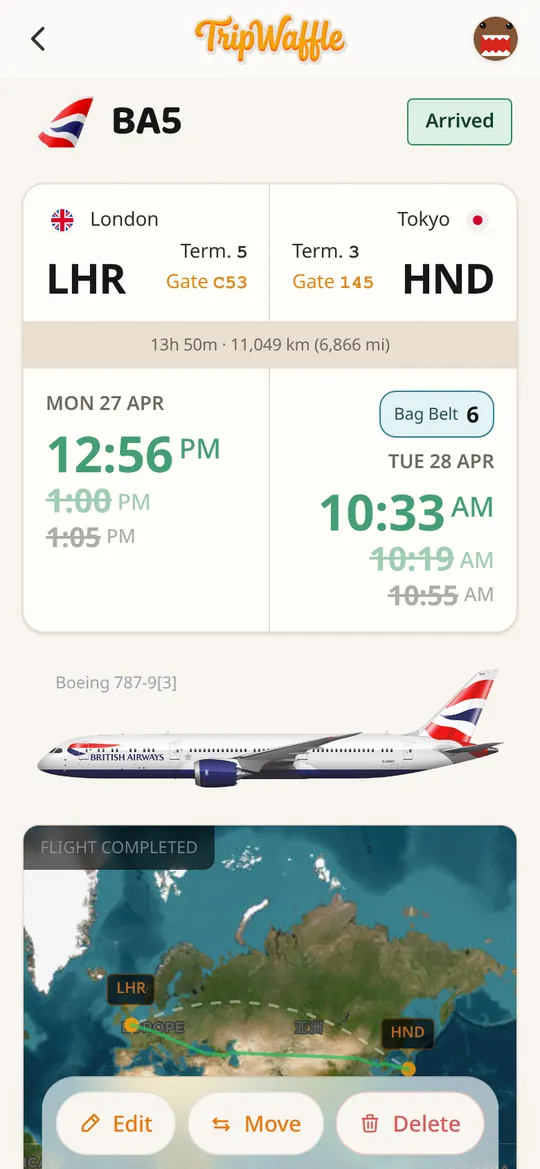
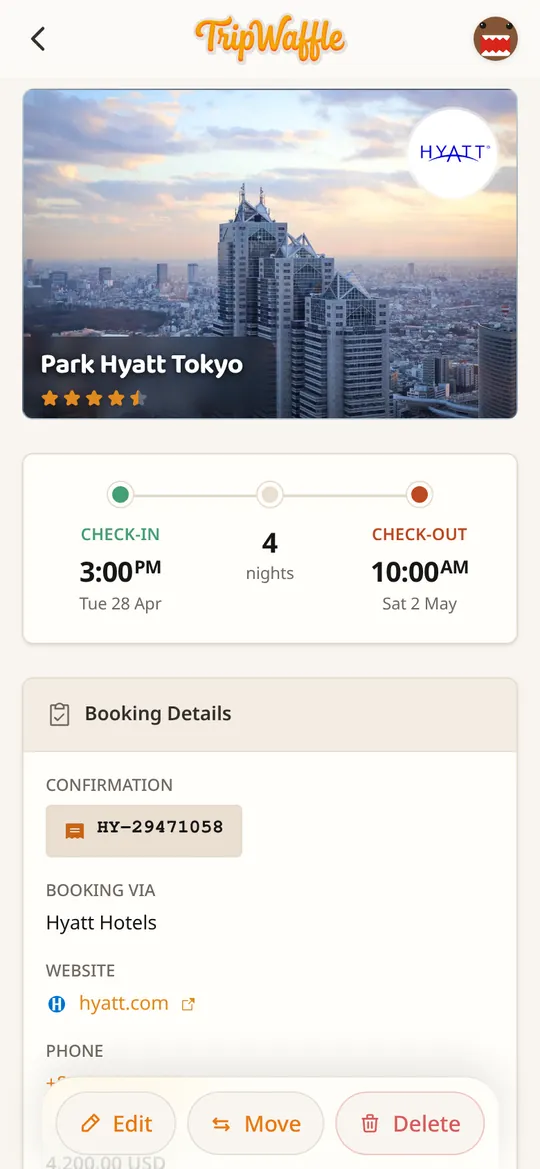
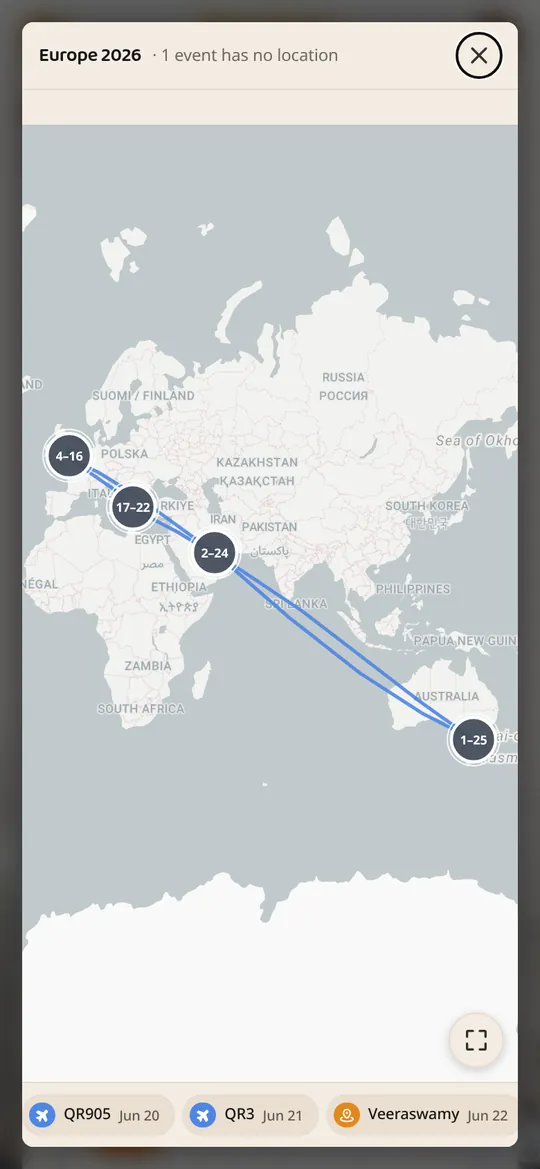
TripWaffle organizes your whole trip in one beautiful itinerary - and watches over it: government advisory alerts, the local emergency number, and entry requirements for Thessaloniki, plus live flight tracking. Just forward your confirmation emails.


100% free · 3 second signup
Last updated: May 27, 2026