Is India Safe?
India is workable for most travelers, but safety depends heavily on city, neighborhood, time of day, and how you move around. The most common problems are scams, harassment, traffic danger, and petty theft in crowded places rather than serious violent crime against visitors.
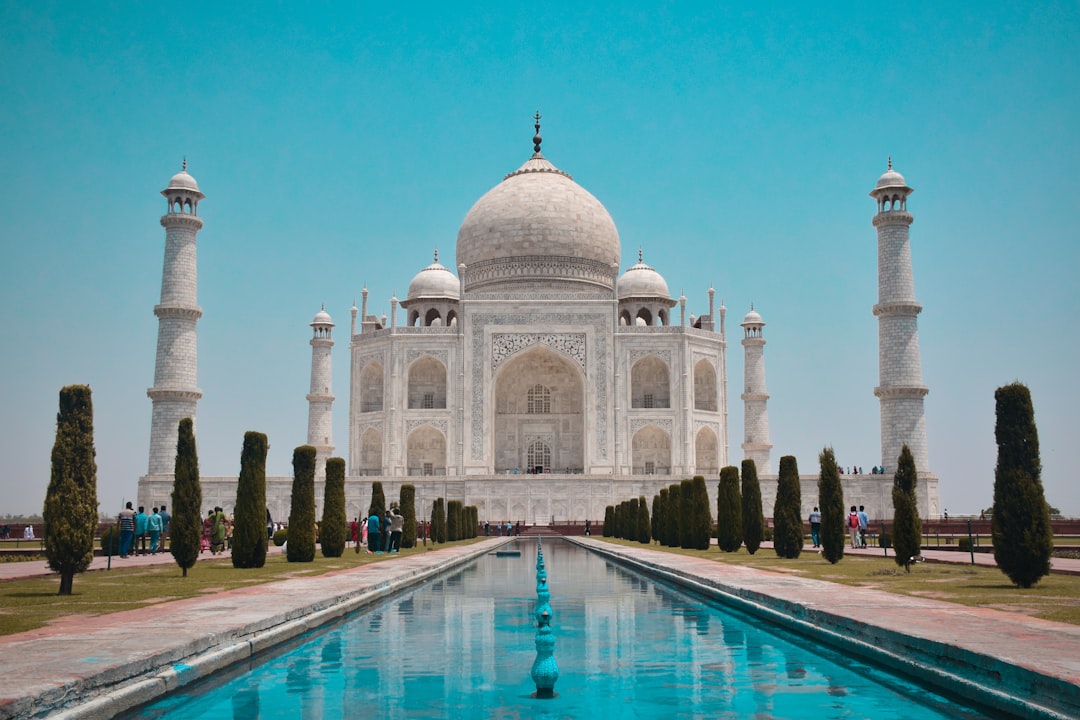
Photo: Jovyn Chamb / Unsplash
Perception vs Reality: India's reputation can sound uniformly dangerous, but risk is very uneven. Many trips are trouble-free with planning, while crowded transit hubs, nightlife, road travel, and solo female travel need more care than in many East Asian or Western European destinations.
Risk Scores
Scale: 1 = very low risk, 10 = very high risk
Safety Overview
Overall Safety
Most visitors face more hassle than harm. Plan transport, watch valuables, and be more selective at night.
Violent Crime
Serious violence against tourists is not the norm, but assaults and opportunistic robberies do happen, especially after dark or in isolated areas.
Petty Crime
Pickpocketing, bag theft, and phone snatching are most likely in markets, stations, festival crowds, and busy tourist zones.
Scams
Overcharging, fake guides, taxi meter games, and pressure to visit shops are common in tourist-heavy areas.
Night Safety
Night risk rises noticeably, especially for women, around bars, empty streets, and when using unverified transport.
Public Transport
Trains and metros are useful, but bus stations, railway platforms, and crowded carriages are common theft spots.
Police & Emergency
Police response quality varies by city and state. Tourist police exist in some destinations, but practical help can be inconsistent and slower outside major urban centers.
Day vs Night
Daytime
Daytime is usually manageable in busy commercial and tourist areas, though scams and crowd theft are more likely than violence.
Nighttime
Risk rises at night, especially around nightlife, transport hubs, quiet streets, and for solo women using unverified transport.
Seasonal: Festival periods bring larger crowds and more pickpocketing. Monsoon season can flood roads and disrupt transport, while winter fog in the north can affect road and rail safety.
Who’s Visiting?
Tourists usually deal with scams, overcharging, and crowd-related theft more often than violent crime.
Common Risks
- ⚠ Taxi and auto-rickshaw overcharging
- ⚠ Fake guides or unofficial touts
- ⚠ Pickpocketing in crowded markets and stations
- ⚠ Pressure to visit shops or gem stores
- ⚠ Road safety during intercity travel
Tips
- ✓ Use app-based rides or agree on price before starting
- ✓ Keep phones and wallets off display in crowds
- ✓ Book major transport and tours through established platforms
- ✓ Ignore persistent touts and walk away firmly
- ✓ Choose central, well-reviewed accommodation
Solo female travel is possible, but the risk of harassment and unwanted attention is meaningfully higher than for men, especially at night.
Common Risks
- ⚠ Verbal harassment and staring
- ⚠ Unwanted conversation or photo requests
- ⚠ Night transport concerns
- ⚠ Drink tampering in nightlife settings
- ⚠ Isolation in quiet streets or remote areas
Tips
- ✓ Prefer reputable hotels and prebooked arrivals
- ✓ Use women-only carriages or sections where available
- ✓ Avoid walking alone late at night in unfamiliar areas
- ✓ Share live location with a trusted contact on longer trips
- ✓ Choose busy, well-lit restaurants and transport points
Legal risk is lower than it used to be, but social acceptance is uneven and discretion is often wise outside major metros and tourist enclaves.
Same-sex relations are legal in India, but same-sex marriage is not nationally recognized and social attitudes vary widely. Big cities and some tourist areas are generally more accepting than smaller towns and conservative regions.
Common Risks
- ⚠ Verbal harassment or intrusive questions
- ⚠ Extra attention to public displays of affection
- ⚠ Hotel awkwardness outside LGBTQ-friendly venues
- ⚠ Social hostility in conservative areas
Tips
- ✓ Stay in major cities or known tourist areas for easier social acceptance
- ✓ Choose well-reviewed hotels and venues with inclusive reputations
- ✓ Keep public affection low-key outside clearly tolerant spaces
- ✓ Use app transport rather than negotiating on the street at night
Families often find tourist areas manageable, but crowds, traffic, sanitation issues, and getting separated are more practical concerns than crime.
Common Risks
- ⚠ Chaotic traffic and road crossings
- ⚠ Crowded stations and festivals
- ⚠ Heat and long transit days
- ⚠ Child separation in busy attractions
Tips
- ✓ Choose family-friendly hotels in central areas
- ✓ Use private transfers for late arrivals or early departures
- ✓ Keep children close in markets, stations, and festival crowds
- ✓ Avoid long road journeys after dark when possible
Major cities offer workable bases, but housing scams, petty theft, and late-night transport are the main safety issues.
Common Risks
- ⚠ Rental deposit disputes
- ⚠ Phone and laptop theft in transit
- ⚠ Late-night rides from coworking or nightlife areas
- ⚠ Cash overcharging by drivers or brokers
Tips
- ✓ Use established booking platforms for short stays first
- ✓ Do not leave devices unattended in cafes or lobbies
- ✓ Choose neighborhoods with reliable rideshare coverage
- ✓ Meet landlords or brokers in public places
Crime & Threats
Pickpocketing
MediumCommon in markets, stations, religious sites, and festival crowds, especially in Delhi, Mumbai, and other major cities.
Phone Snatching
MediumHappens from motorbikes or in dense crowds. Holding phones near roads or train doors increases risk.
Robbery
MediumLess common than scams or theft, but can occur in isolated areas, during late-night travel, or after heavy drinking.
Assault
MediumRisk varies sharply by area and time. Harassment is a more frequent issue than serious assault, but women face a higher overall safety burden.
Drink Spiking
MediumReported in nightlife and party settings, especially where strangers buy drinks or at loosely controlled venues.
Taxi Scams
HighVery common around airports, stations, and tourist zones through meter refusal, route padding, and fake booking desks.
ATM Skimming
MediumUse ATMs inside banks or malls when possible. Street ATMs and tampered card slots are a known risk.
Tourist Scams
HighFake officials, gem-shop detours, bogus closed-site claims, and inflated guide fees are recurring tourist problems.
Common Scams
Closed attraction scam
A driver or stranger says your destination is closed and redirects you to another shop, agency, or tour desk.
Check opening hours yourself and refuse unscheduled detours.
Taxi or auto-rickshaw overcharge
The driver refuses the meter, claims the app is unavailable, or takes a longer route.
Use rideshare apps or agree on the exact fare before departure.
Fake guide or helper
An unofficial guide approaches at a monument or station and later demands inflated fees.
Use only clearly authorized guides or prebook through reputable operators.
Gem or handicraft commission stop
A driver or new acquaintance pushes you into a shop where prices are heavily inflated.
Decline shopping stops you did not request.
Change and note-switch scam
A seller or driver swaps a note and claims you paid less than you did.
Count cash clearly and keep small notes ready.
Area Safety
Safer Areas
Well-patrolled, business-oriented, and generally easier for visitors using reputable hotels and transport.
Popular with professionals, better rideshare coverage, and generally more comfortable for solo travelers than many older transit zones.
Tourist infrastructure is strong, though nightlife and isolated beaches still need caution after dark.
Often calmer and easier paced for travelers, with lower hassle levels than some major northern transit cities.
Be More Careful
Heavy tout activity, crowded lanes, petty theft risk, and a noticeably less comfortable atmosphere late at night.
Frequent overcharging, scams, and theft in crowded, confusing environments.
Lower foot traffic and weaker surveillance increase harassment and robbery risk.
Drink spiking, theft, and transport issues are more likely when venues empty out.
Getting Around
Walking
Walking is fine in busy central areas by day, but traffic is a bigger hazard than crime in many places. Avoid isolated streets, underpasses, and beach roads after dark.
Taxis & Rideshare
App-based rides are usually the safest option in cities. Street taxis and auto-rickshaws can involve overcharging, detours, or meter refusal, especially near airports and stations.
Trains & Buses
Trains are widely used, but keep bags locked and valuables on your person. Crowded buses and station platforms are common theft spots; overnight travel needs extra attention to bags and berth location.
Do’s & Don’ts
Do
- Use app-based rides in major cities
- Keep valuables zipped and close in crowds
- Book late-night arrivals with arranged transport
- Choose central, well-reviewed accommodation
- Carry small cash for routine payments
Don’t
- Do not follow touts from stations or airports
- Do not display phones near open roads or train doors
- Do not accept drinks from strangers in nightlife areas
- Do not rely on deserted walking routes after dark
- Do not hand over passports or cards unnecessarily
How Does It Compare?
Safer Than
Riskier Than
This is a broad travel-safety comparison only. India varies greatly by state, city, and travel style.
Frequently Asked Questions
Usually yes with planning, but scams, crowd theft, and transport issues are common in major tourist and transit areas.
Possible, but harassment risk is higher than for men, especially at night and outside major tourist-friendly areas.
Taxi overcharging, fake guides, closed-attraction claims, shop detours, and inflated prices in tourist zones.
Data Notes
- India is extremely diverse, so a single national profile hides major differences between states, cities, and neighborhoods.
- Safety can change quickly around protests, elections, communal tensions, and local unrest in specific regions.
- Nightlife risk varies a lot by venue and city, so broad national statements are less precise than city-level guidance.
- This profile does not cover conflict-sensitive border areas or remote regions in detail.
Explore Areas in India
Agra
Is Agra safe?
View safety guide →Bangalore
Is Bangalore safe?
View safety guide →Delhi
Is Delhi safe?
View safety guide →Goa
Is Goa safe?
View safety guide →Jaipur
Is Jaipur safe?
View safety guide →Kolkata
Is Kolkata safe?
View safety guide →Mumbai
Is Mumbai safe?
View safety guide →Rishikesh
Is Rishikesh safe?
View safety guide →Udaipur
Is Udaipur safe?
View safety guide →Varanasi
Is Varanasi safe?
View safety guide →Traveling to India?
TripWaffle organizes your entire trip — flights, hotels, trains, events — in one beautiful itinerary. Just forward your confirmation emails.


100% free · 3 second signup
Last updated: March 21, 2026