Is Tel Aviv Safe?
Tel Aviv is generally safe for travelers by big-city standards, with low violent crime and mostly manageable petty theft risks. The main caveat is that Israel's wider security situation can change conditions quickly, so normal urban safety can be overshadowed by regional events.
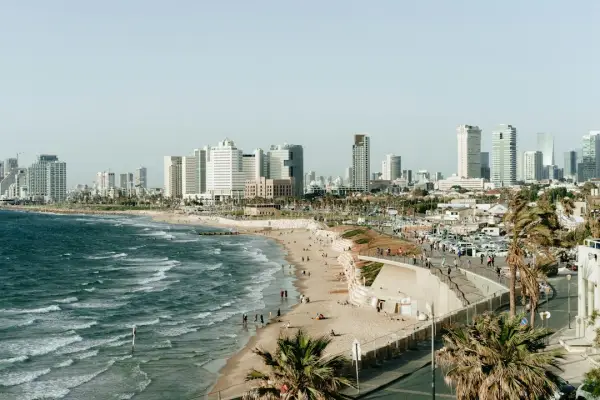
Photo: Adam Jang / Unsplash
Perception vs Reality: Tel Aviv is often perceived as uniformly high-risk because of the regional conflict, but day-to-day life in most central areas is orderly and busy. For many visitors, the more common issues are theft, nightlife-related problems, and transport disruptions rather than street violence.
Risk Scores
Scale: 1 = very low risk, 10 = very high risk
Safety Overview
Overall Safety
Most visitors move around Tel Aviv without serious trouble. Petty theft, nightlife incidents, and sudden security-related disruptions are more relevant than violent street crime.
Violent Crime
Violent crime against tourists is relatively uncommon in the main visitor areas. Risk rises late at night around heavy drinking zones and in a few rougher transport-adjacent areas.
Petty Crime
Bag theft, pickpocketing, and phones left unattended are the most realistic day-to-day risks. Beaches, bars, markets, and crowded buses are the main settings.
Scams
Tel Aviv has fewer classic tourist scams than many major cities, but taxi overcharging, short-change issues, and rental scams do occur. Airport and nightlife trips need extra attention.
Night Safety
Central nightlife districts are lively and usually busy, which helps, but intoxicated crowds, harassment, and theft increase after midnight. Avoid isolated side streets and the New Central Bus Station area late at night.
Public Transport
Buses and trains are generally safe and widely used. Crowding can create pickpocket opportunities, and service reductions on Shabbat can leave travelers relying on taxis or walking late.
Police & Emergency
Police and emergency response are generally functional, with visible security staff in many public places. Basic emergency numbers are 100 for police, 101 for ambulance, and 102 for fire.
Day vs Night
Daytime
Daytime in central Tel Aviv is usually straightforward, with the main risks being beach theft, traffic, and distracted-phone loss in busy areas.
Nighttime
Night is still manageable in busy districts, but theft, harassment, drunk behavior, and poor judgment around transport rise notably after bars close.
Seasonal: Summer brings heavier beach crowds, nightlife spillover, and more theft opportunities. Protests, major events, and periods of regional tension can trigger road closures, transport disruptions, or security alerts with little notice.
Who’s Visiting?
Tourists usually find Tel Aviv easy to navigate, especially in central beach, food, and nightlife areas. The main issues are petty theft, taxi overcharging, and not paying attention to changing security conditions.
Common Risks
- ⚠ Pickpocketing in crowded nightlife and beach areas
- ⚠ Phones or bags left unattended at cafés or on the sand
- ⚠ Taxi overcharging or meter disputes
- ⚠ Transport disruptions during Shabbat, protests, or security alerts
Tips
- ✓ Use a cross-body bag and keep beach valuables minimal
- ✓ Use taxi apps or confirm the meter before the ride starts
- ✓ Choose well-reviewed accommodation in central or north Tel Aviv
- ✓ Check local news and official alerts during periods of regional tension
Tel Aviv is one of the easier cities in the region for solo women, especially in central neighborhoods. Harassment is not absent, but it is usually more of a nightlife and late-night transport issue than a daytime problem.
Common Risks
- ⚠ Catcalling or unwanted attention near bars and clubs
- ⚠ Drink tampering concerns in nightlife settings
- ⚠ Unwanted attention when walking alone late at night in quieter streets
- ⚠ Taxi discomfort if using unverified drivers
Tips
- ✓ Prefer busy, lit streets when walking back at night
- ✓ Watch drinks closely and avoid leaving them unattended
- ✓ Use app-based taxis late at night
- ✓ Stay near central areas if returning alone after bars close
Tel Aviv is widely seen as the most LGBTQ-friendly city in Israel and one of the more welcoming places in the region. Most visitors experience a relaxed environment in central neighborhoods, beaches, and nightlife districts.
Same-sex relationships are not criminalized, and Tel Aviv has a visible LGBTQ scene, businesses, and events. Social acceptance is high in Tel Aviv, though attitudes can be more conservative outside the city or in certain religious spaces.
Common Risks
- ⚠ Occasional verbal harassment outside the most liberal areas
- ⚠ Online dating meet-up risks similar to other big cities
- ⚠ Nightlife-related theft or intoxication issues
Tips
- ✓ Central Tel Aviv and established nightlife venues are the easiest settings
- ✓ Use normal dating-app precautions when meeting strangers
- ✓ Be more discreet if traveling beyond Tel Aviv into conservative areas
- ✓ Plan transport after nightlife rather than relying on late-night improvisation
Families generally find Tel Aviv comfortable, especially in the north, the beach promenade by day, and residential central areas. The bigger concerns are traffic, heat, crowded beaches, and keeping valuables secure.
Common Risks
- ⚠ Children getting separated in beach or market crowds
- ⚠ Road and scooter traffic when crossing streets
- ⚠ Theft from unattended beach bags
- ⚠ Late-night noise and bar spillover in nightlife-heavy areas
Tips
- ✓ Choose family lodging away from the loudest nightlife streets
- ✓ Set a meeting point at beaches and markets
- ✓ Use guarded beaches and avoid leaving items unattended
- ✓ Cross carefully and watch for bikes and scooters on sidewalks
Tel Aviv is popular with remote workers and generally comfortable for longer stays. Day-to-day crime risk is manageable, but rental fraud, laptop theft in cafés, and neighborhood choice matter.
Common Risks
- ⚠ Short-term rental scams or misleading listings
- ⚠ Laptop or phone theft in cafés and coworking-adjacent areas
- ⚠ Bike or e-scooter theft
- ⚠ Disruptions from protests, Shabbat schedules, or security incidents
Tips
- ✓ Use reputable booking platforms and verify addresses before paying
- ✓ Do not leave devices unattended even briefly
- ✓ Pick accommodation in central or north Tel Aviv if you want a calmer base
- ✓ Learn Shabbat transport limitations before planning late meetings or airport runs
Crime & Threats
Pickpocketing
MediumMost likely in crowded bars, markets, beachfront areas, and packed buses rather than on quiet residential streets.
Phone Snatching
MediumMore often a matter of unattended phones on café tables or beach towels than aggressive snatch-and-run theft, though passing bikes or scooters can be a factor.
Robbery
LowStreet robbery is not common in the main visitor zones, but isolated late-night walks in rougher south-side areas carry more risk.
Assault
LowAssault risk is usually tied to nightlife, intoxicated arguments, or harassment rather than targeted attacks on visitors.
Drink Spiking
LowNot a defining city risk, but it is sensible to guard drinks in clubs and beach bars, especially late.
Taxi Scams
MediumOvercharging, refusing the meter, or adding luggage and night supplements without clarity can happen, especially on airport or late-night rides.
ATM Skimming
LowNot commonly reported as a major issue, but indoor bank ATMs are still the safer choice over isolated machines.
Tourist Scams
LowTel Aviv has fewer hard-sell tourist scams than many major cities, but nightlife tabs, fake rentals, and small overcharge situations do appear.
Common Scams
Taxi meter refusal
A driver avoids using the meter or quotes an inflated fixed fare, often when the rider is tired, arriving from the airport, or traveling late.
Use a taxi app when possible and confirm the meter or fare structure before the trip starts.
Beach distraction theft
A bag, phone, or wallet is taken while the owner is swimming, distracted, or sitting with valuables visible.
Bring only essentials to the beach and never leave phones or wallets unattended on towels.
Short-term rental fraud
A fake or misleading apartment listing asks for deposits off-platform or hides the real location and condition.
Book through reputable platforms, avoid wire transfers, and verify reviews and the exact area.
Nightlife overbilling
A vague menu, extra drinks on the bill, or misunderstood table minimums lead to inflated charges.
Check prices before ordering, keep receipts, and review the bill before paying.
Area Map
Approximate locations from public sources. Conditions vary by time of day and current events.
Area Safety
Safer Areas
Residential, well-lit, and generally calmer than the nightlife-heavy center.
Busy, central, walkable, and active into the evening, which helps with natural street presence.
Popular, polished, and generally comfortable for walking by day and early evening.
Be More Careful
Higher levels of street disorder, drug activity, and theft concerns, especially after dark.
Intoxicated crowds, unattended bag theft, and occasional harassment increase after midnight.
Lively bar scene can mean rowdy behavior, occasional fights, and easier distraction theft.
Getting Around
Walking
Walking is common and usually fine in central areas, but avoid isolated stretches in the south late at night. Watch for fast bikes and e-scooters on sidewalks and crossings.
Taxis & Rideshare
Use licensed taxis or app-based booking where possible. Confirm the meter or fare basis before moving, especially on airport, late-night, and Shabbat rides.
Trains & Buses
Public transport is generally safe, though crowded conditions create petty theft opportunities. Service can be limited or stopped on Shabbat and some holidays, which affects safe late-night planning.
Do’s & Don’ts
Do
- Keep bags zipped and phones secure in crowded beach and nightlife areas
- Use licensed taxis or trusted booking apps
- Stay in central or north Tel Aviv if you want an easier first-time base
- Check local alerts if regional tensions are elevated
- Plan late-night transport in advance, especially on Shabbat
Don’t
- Do not leave valuables unattended on the beach or at cafés
- Do not walk aimlessly around the New Central Bus Station area late at night
- Do not assume public transport will run normally on Shabbat or holidays
- Do not argue over taxi pricing after the ride has ended if you can clarify it before departure
- Do not let nightlife crowds lower your attention to bags, drinks, or route choices
How Does It Compare?
Frequently Asked Questions
Usually yes. Most tourists have trouble-free visits, but petty theft, nightlife issues, and sudden security-related disruptions are the main concerns.
Busy central nightlife areas are usually manageable, but theft, harassment, and drunk behavior increase after midnight. Avoid isolated streets and the New Central Bus Station area late.
Be more careful around the New Central Bus Station and parts of Neve Sha'anan, especially after dark. Central and north Tel Aviv are generally easier for visitors.
Data Notes
- Security conditions in Tel Aviv can change quickly due to regional conflict, making short-term risk levels more volatile than normal crime patterns suggest.
- Granular street-level safety can vary significantly block by block in south Tel Aviv, especially around transport and nightlife zones.
- Crime reporting and traveler experience can differ by season, major events, and current security posture.
Other Destinations in Israel
Traveling to Tel Aviv?
TripWaffle organizes your whole trip in one beautiful itinerary - and watches over it: government advisory alerts, the local emergency number, and entry requirements for Tel Aviv, plus live flight tracking. Just forward your confirmation emails.



100% free · 3 second signup
Last updated: May 27, 2026