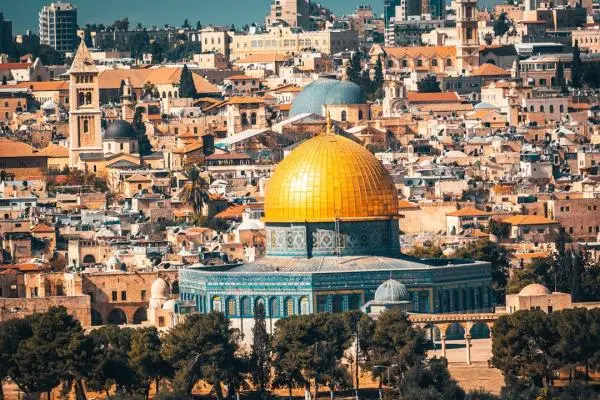
Is Jerusalem Safe?
Jerusalem is usually manageable for travelers, but safety is highly uneven by neighborhood, timing, and current political tensions. Ordinary crime is moderate rather than extreme, but demonstrations, clashes, and occasional security incidents can raise risk quickly, especially around the Old City and parts of East Jerusalem.
Photo: Raimond Klavins / Unsplash
Perception vs Reality: Jerusalem is often seen as uniformly dangerous, but many visits are incident-free. The main reality is that risk changes fast around religious sites, protests, holidays, and regional escalations.
Risk Scores
Scale: 1 = very low risk, 10 = very high risk
Safety Overview
Overall Safety
Most visitors get around without major trouble, but Jerusalem is not a low-risk city in the same way as Tel Aviv or many Western European capitals. The main variable is political and religious tension, not just street crime.
Violent Crime
Street crime against visitors is not the dominant issue, but unrest, lone-actor attacks, and clashes can occur with little warning. Avoid gathering crowds, protest routes, and tense checkpoints.
Petty Crime
Pickpocketing happens in crowded tourist zones, markets, and transit hubs. Keep phones and wallets secure in the Old City, light rail, and Mahane Yehuda.
Scams
Scams are less aggressive than in some major tourist cities, but taxi overcharging, unofficial guiding, and inflated prices near attractions do occur. Confirm fares and use licensed services.
Night Safety
West Jerusalem nightlife areas are generally manageable, but late-night streets get less predictable around crowded bars and transport hubs. Some parts of East Jerusalem and politically sensitive areas are best avoided after dark unless you know the area well.
Public Transport
Buses and the light rail are widely used and generally functional, but can be crowded and occasionally affected by security incidents or protests. Stay aware of service disruptions and avoid empty stops late at night.
Police & Emergency
Security presence is heavy in central and holy areas. That can be reassuring, but it also means zones may close quickly during incidents, protests, or religious events.
Day vs Night
Daytime
Daytime is usually the easiest time to visit major sites, especially in West Jerusalem and established tourist corridors. Crowds and political tension still matter around the Old City and major holy sites.
Nighttime
Night is generally fine in central West Jerusalem nightlife areas, but comfort drops on quieter streets, around transport hubs, and in politically sensitive zones. Avoid wandering into unfamiliar East Jerusalem areas after dark unless you have a clear reason and local knowledge.
Seasonal: Risk can rise sharply during Ramadan, major Jewish and Christian holidays, Fridays near key holy sites, and periods of regional escalation. Demonstrations, road closures, and heavy security activity can change movement plans quickly.
Who’s Visiting?
Tourists usually face more inconvenience and situational risk than direct targeting. Crowds, tense flashpoints, and transport disruptions are more common problems than serious theft.
Common Risks
- ⚠ Pickpocketing in the Old City and markets
- ⚠ Getting caught near protests or clashes
- ⚠ Taxi overcharging
- ⚠ Crowd surges near holy sites during major religious dates
Tips
- ✓ Check local conditions each day before visiting the Old City or East Jerusalem
- ✓ Carry only what you need in crowded areas
- ✓ Use licensed taxis, rideshare where available, or ask your hotel to book
- ✓ Plan holy-site visits early in the day and avoid peak prayer times if tensions are high
Many solo women visit Jerusalem without major problems, especially in West Jerusalem and main tourist areas by day. The bigger issues are harassment in crowded spaces, conservative dress expectations in some neighborhoods, and reduced comfort at night.
Common Risks
- ⚠ Catcalling or unwanted attention
- ⚠ Crowded transit and market harassment
- ⚠ Tension in very conservative religious areas if dressed immodestly
- ⚠ Late-night discomfort around bars or isolated streets
Tips
- ✓ Dress more conservatively when visiting religious sites and ultra-Orthodox areas
- ✓ Prefer busy, well-lit routes after dark
- ✓ Use a registered taxi instead of walking late between distant neighborhoods
- ✓ If a street feels tense or heavily male-dominated, leave early rather than waiting it out
LGBTQ+ travelers are generally safer in Jerusalem than in many nearby countries, but the city is more conservative than Tel Aviv. Social comfort varies sharply by neighborhood and religious setting.
Israel has relatively stronger LGBTQ+ legal protections than much of the region, but Jerusalem includes religiously conservative communities where visible affection may draw negative attention. Social risk is usually higher than legal risk.
Common Risks
- ⚠ Hostile remarks in conservative areas
- ⚠ Unwanted attention for visible same-sex affection
- ⚠ Discomfort near religious flashpoints or during tense events
Tips
- ✓ Use discretion with public displays of affection in conservative neighborhoods
- ✓ Choose central West Jerusalem venues and accommodations with clear positive reviews
- ✓ Avoid arguments over religion or politics if confronted
- ✓ For nightlife, research venues in advance rather than wandering late
Families can visit Jerusalem safely with planning, especially around museums, central hotels, and daytime sightseeing. The main concerns are crowd pressure, heat, steps and narrow lanes in the Old City, and sudden security disruptions.
Common Risks
- ⚠ Children getting separated in dense crowds
- ⚠ Heat and dehydration in warmer months
- ⚠ Transport or site closures during security incidents
- ⚠ Uneven surfaces and steep walking routes
Tips
- ✓ Set a meeting point before entering the Old City
- ✓ Carry water, hats, and offline maps
- ✓ Avoid major religious dates if traveling with small children and you want a calmer visit
- ✓ Keep schedules flexible in case access routes close suddenly
Jerusalem works for short stays, but it is less relaxed and less nightlife-oriented than Tel Aviv. Daily life is generally manageable, though periodic unrest and neighborhood differences matter more here than in many remote-work cities.
Common Risks
- ⚠ Service disruptions around protests or holidays
- ⚠ Petty theft in cafés or on transit
- ⚠ Social friction in conservative areas
- ⚠ Traffic and movement delays around checkpoints or closures
Tips
- ✓ Base yourself in central or western neighborhoods with reliable transport links
- ✓ Do not leave laptops or phones unattended in cafés
- ✓ Track local news and transit apps, especially before crossing the city
- ✓ Choose accommodation with clear reviews on neighborhood feel at night
Crime & Threats
Pickpocketing
MediumMost likely in the Old City, Mahane Yehuda, crowded tram cars, and around major gates.
Phone Snatching
LowLess common than in some large cities, but keep phones off the edge of tables and out of back pockets in crowded areas.
Robbery
LowMugging is not a top threat for most visitors, though isolated late-night streets and tense fringe areas carry more risk.
Assault
MediumGeneral assault risk is moderate, with a larger concern being politically linked violence or crowd confrontations rather than random attacks.
Drink Spiking
LowNot a defining citywide risk, but normal nightlife precautions still apply in bars and late venues.
Taxi Scams
MediumOvercharging, refusing the meter, and inflated tourist fares happen, especially from transport hubs and tourist zones.
ATM Skimming
LowUse ATMs inside banks or malls when possible; card fraud is not among the city's main traveler complaints.
Tourist Scams
MediumExpect occasional unofficial guides, pressure sales, and overpriced souvenirs near holy sites and the Old City.
Common Scams
Taxi meter refusal
A driver avoids using the meter and quotes an inflated flat fare, especially for tourists arriving at stations or busy areas.
Ask for the meter before getting in or agree on the fare clearly in advance.
Unofficial guide approach
Someone near a holy site or gate offers to guide you, then pressures you for a high tip or detours you to shops.
Use licensed guides or book through your hotel or a reputable platform.
Souvenir overpricing
Items near major religious sites are priced far above normal tourist-market rates, especially for visitors who do not compare prices.
Browse several shops before buying and avoid rushed purchases near entrances.
Distraction theft in crowds
A bump, question, or small commotion distracts you while a wallet or phone is taken.
Keep valuables zipped and in front of your body in crowded lanes and transit.
Area Map
Approximate locations from public sources. Conditions vary by time of day and current events.
Area Safety
Safer Areas
Central, residential, and generally calmer with a steady local presence.
Popular, walkable, and generally comfortable for visitors, especially by day and early evening.
Well-patrolled tourist area near the Old City with hotels and regular foot traffic.
Convenient for transport and sightseeing, with stronger visitor infrastructure than outer areas.
Be More Careful
Crowded, politically sensitive, and more tense during Friday prayers, holidays, or unrest.
Access rules and tensions can change quickly; crowding and security restrictions are common.
More prone to demonstrations, confrontations, and sudden road closures.
Busy and useful by day, but less comfortable after dark and more prone to petty issues.
Not mainly a crime issue, but visitors can face hostility if dress or behavior is seen as disrespectful.
Getting Around
Walking
Walking is practical in central areas by day, but routes can involve steep streets, narrow lanes, and sudden barriers near the Old City. At night, stick to active, well-lit streets in West Jerusalem.
Taxis & Rideshare
Use licensed taxis and ask for the meter or an agreed fare before the ride. Hotel-booked taxis are often the least stressful option for visitors.
Trains & Buses
The light rail and buses are useful, but watch your belongings and expect delays or route changes during protests, holidays, or security incidents.
Do’s & Don’ts
Do
- Check same-day local conditions before visiting the Old City or East Jerusalem
- Keep bags zipped and phones secure in markets and on the light rail
- Dress modestly for religious sites and conservative neighborhoods
- Carry photo ID and keep your route flexible
- Use licensed taxis or hotel-arranged transport when tired or traveling late
Don’t
- Do not join or linger near protests, clashes, or agitated crowds
- Do not argue with security personnel over closures or screening
- Do not assume one neighborhood's atmosphere applies to the whole city
- Do not flash cash, expensive jewelry, or large camera gear in crowded areas
- Do not wander into unfamiliar political flashpoints after dark
How Does It Compare?
Safer Than
Jerusalem's risk profile is unusual because political and religious tensions matter more than ordinary street crime alone.
Frequently Asked Questions
Usually yes, but safety depends heavily on current tensions, neighborhood, and timing around holy sites and protests.
Central West Jerusalem is usually manageable at night, but unfamiliar, quiet, or politically sensitive areas are best avoided.
The biggest variable is political or security-related unrest, followed by petty theft in crowded tourist areas.
Data Notes
- Security conditions in Jerusalem can change quickly due to regional conflict, protests, or incidents.
- Neighborhood-level safety can vary within short distances, especially in and around East Jerusalem.
- Access rules and crowd conditions at holy sites often change by date, prayer times, and current tensions.
Other Destinations in Israel
Traveling to Jerusalem?
TripWaffle organizes your whole trip in one beautiful itinerary - and watches over it: government advisory alerts, the local emergency number, and entry requirements for Jerusalem, plus live flight tracking. Just forward your confirmation emails.


100% free · 3 second signup
Last updated: May 27, 2026