
Is Italy Safe?
Italy is generally safe for most travelers, and serious violence against visitors is uncommon. The main issues are pickpocketing, bag theft, tourist scams, and late-night problems around big-city stations, nightlife zones, and very crowded attractions.
Photo: Dan Novac / Unsplash
Perception vs Reality: Italy's rough reputation is often shaped by incidents in Rome, Milan, and Naples. In practice, most trips are trouble-free, but petty theft in tourist-heavy areas is a genuine and recurring problem.
Risk Scores
Scale: 1 = very low risk, 10 = very high risk
Safety Overview
Overall Safety
Italy is a low-to-moderate risk destination overall. Visitors are more likely to face theft and nuisance scams than violent crime.
Violent Crime
Violent crime affecting travelers is uncommon, especially in daytime tourist areas. Risk rises late at night around transport hubs, bars, and isolated streets.
Petty Crime
Pickpocketing is the most common issue, especially on metros, buses, trains, and around famous landmarks. Phones, wallets, and luggage are frequent targets.
Scams
Common scams include fake petitions, bracelet or flower approaches, overcharging by unlicensed drivers, and distraction thefts. Airport, station, and landmark areas are the main hotspots.
Night Safety
Evenings are usually fine in busy central areas, but risk increases after midnight near stations, nightlife districts, and poorly lit side streets. Solo travelers should avoid walking home alone when streets empty out.
Public Transport
Trains and city transit are generally safe, but theft is common on crowded routes and when boarding with luggage. Watch bags closely on metros, regional trains, and airport links.
Police & Emergency
The single emergency number is 112. Police presence is visible in major cities and tourist zones, though response and English ability can vary by location.
Day vs Night
Daytime
Daytime is generally low risk in most towns and cities, though theft risk stays high in crowded tourist zones, stations, and public transport.
Nighttime
Risk rises after dark in big-city station districts, nightlife streets, beaches with sparse lighting, and empty historic lanes. Busy restaurant areas are usually more comfortable than transport-adjacent streets.
Seasonal: Summer crowds, festivals, Christmas markets, carnival periods, and major football match days can increase theft, transport congestion, and opportunistic scams. Transport strikes can also disrupt movement and leave visitors more exposed to unofficial drivers.
Who’s Visiting?
Tourists are usually safe, but they are prime targets for pickpockets and street scammers in major cities and landmark areas.
Common Risks
- ⚠ Pickpocketing on metros, buses, and trains
- ⚠ Bag theft at cafes and station platforms
- ⚠ Unlicensed taxi or transfer overcharging
- ⚠ Distraction scams near landmarks
Tips
- ✓ Keep phones and wallets out of back pockets
- ✓ Use cross-body bags with zips in crowded areas
- ✓ Book airport transfers and tours through known providers
- ✓ Stay extra alert around stations, queues, and packed transit
Italy is broadly manageable for solo women, especially in tourist centers, but catcalling and unwanted attention can happen, and late-night station areas feel less comfortable.
Common Risks
- ⚠ Catcalling or persistent flirting
- ⚠ Drink tampering or unwanted attention in nightlife settings
- ⚠ Following or harassment near bars or stations late at night
Tips
- ✓ Prefer licensed taxis or rides after late dinners and nights out
- ✓ Avoid isolated station underpasses and empty side streets at night
- ✓ Watch drinks closely in bars and clubs
- ✓ Choose accommodation with good late-night access and reviews
Italy is generally safe for LGBTQ travelers, especially in large cities and tourist destinations, though social attitudes can be more conservative in some rural or older communities.
Same-sex activity is legal, and major cities have visible LGBTQ scenes, but public displays of affection may attract stares or comments in more conservative areas. Legal risk is low; social comfort varies by place.
Common Risks
- ⚠ Verbal comments or staring in conservative areas
- ⚠ Occasional nightlife harassment
- ⚠ Lower social comfort outside major cities
Tips
- ✓ Urban centers like Rome, Milan, Bologna, and Florence are generally more comfortable
- ✓ Research LGBTQ-friendly venues and neighborhoods in advance
- ✓ Use normal nightlife precautions, especially when leaving bars late
Italy works well for families, with the main concerns being crowded transit, busy roads, and theft in tourist areas.
Common Risks
- ⚠ Children getting separated in crowded sights
- ⚠ Pickpocketing while distracted with strollers or luggage
- ⚠ Traffic and scooters in city centers
Tips
- ✓ Set a meeting point in busy attractions
- ✓ Keep valuables split between adults
- ✓ Use well-reviewed taxis or pre-booked transfers with children
- ✓ Hold hands near roads, tram lines, and scooter-heavy streets
Italy is workable for digital nomads, especially in larger cities, but theft from cafes, shared spaces, and short-term rental scams are practical concerns.
Common Risks
- ⚠ Laptop or bag theft in cafes and stations
- ⚠ Fake apartment listings or off-platform payment requests
- ⚠ Petty theft during train travel between cities
Tips
- ✓ Do not leave laptops or phones unattended, even briefly
- ✓ Use reputable booking platforms and avoid wire transfers
- ✓ Choose accommodation near reliable transit, not next to major stations
- ✓ Back up devices before working from public spaces
Crime & Threats
Pickpocketing
HighA leading traveler risk in Rome, Milan, Venice, Florence, Naples, and on busy public transport.
Phone Snatching
MediumMore likely in big cities, especially near roads, scooters, train stations, and crowded nightlife areas.
Robbery
LowMugging is less common than theft, but late-night station areas and isolated streets raise the risk.
Assault
LowSerious assault against visitors is uncommon, though alcohol-related disputes can happen at night.
Drink Spiking
MediumNot a dominant risk nationally, but nightlife precautions are sensible in club and bar districts.
Taxi Scams
MediumUnlicensed drivers and inflated fares are a known problem at airports, ports, and major stations.
ATM Skimming
LowLess common than pickpocketing, but use bank ATMs and avoid machines in isolated tourist spots.
Tourist Scams
MediumBracelet, flower, petition, fake charity, and distraction scams are common around landmarks.
Common Scams
Bracelet or flower scam
Someone places a bracelet on your wrist or hands you a flower, then demands payment or creates a distraction for theft.
Do not accept items from strangers and keep walking without engaging.
Petition or clipboard distraction
A person asks for signatures or donations while an accomplice targets your phone, wallet, or bag.
Refuse firmly, keep moving, and keep valuables zipped and in front of you.
Unlicensed taxi overcharge
A driver solicits rides at airports or stations and charges inflated rates or adds hidden fees.
Use official taxi ranks, taxi apps, or pre-booked transfers only.
Cafe or restaurant overbilling
Extra items, unclear service charges, or inflated prices are added in tourist-heavy areas.
Check menus before ordering and review the bill before paying.
Bag distraction on transit
One person blocks or distracts you while another opens a bag or lifts luggage during boarding.
Board with bags closed and in front of you, and keep a hand on luggage at doors and racks.
Area Map
Approximate locations from public sources. Conditions vary by time of day and current events.
Area Safety
Safer Areas
Orderly, compact, and generally quieter than Italy's biggest tourist hubs.
Usually calmer than the main tourist capitals, with lower nuisance-crime pressure in central areas.
Smaller scale and easier to navigate, with fewer big-city transit theft risks.
Be More Careful
Busy transport hub with frequent pickpocketing, bag theft, and late-night nuisance issues.
Crowds, luggage, and distracted visitors attract pickpockets and scam attempts.
Chaotic traffic, opportunistic theft, and a rougher feel than many other tourist districts.
Heavy tourist traffic creates ideal conditions for pickpocketing and distraction scams.
Getting Around
Walking
Walking is usually fine in central areas by day. At night, avoid poorly lit shortcuts, station perimeters, and empty alleys in large cities.
Taxis & Rideshare
Use licensed taxis from official ranks, apps, or hotel bookings. Be cautious of drivers approaching you directly at airports, stations, or ports; rideshare availability is limited compared with some countries.
Trains & Buses
Italy's rail network is widely used and generally safe, but luggage and phones are common theft targets. On local buses and metros, keep bags in front and stay alert during boarding and crowding.
Do’s & Don’ts
Do
- Keep valuables zipped and in front of you on transit
- Use official taxis, hotel bookings, or reputable transport apps
- Stay alert around stations, airport links, and famous landmarks
- Split cash and cards between different pockets or bags
- Choose lively, well-reviewed accommodation areas
Don’t
- Do not leave phones or bags on cafe tables or chair backs
- Do not accept bracelets, flowers, or petitions from strangers
- Do not flash cash, designer shopping, or expensive jewelry in crowded zones
- Do not walk isolated station streets late at night if you can take a taxi
- Do not pay drivers who approach you outside official taxi systems
How Does It Compare?
Safer Than
Riskier Than
Italy is relatively safe for violent crime, but tourist-facing petty theft is more common than in the safest developed destinations.
Frequently Asked Questions
Yes, Italy is generally safe for tourists. The main issues are pickpocketing, bag theft, and scams in crowded visitor areas.
Petty theft is the most common problem, especially on public transport, near stations, and around major landmarks.
Usually yes in busy central areas, but station districts, empty side streets, and nightlife zones deserve more caution after dark.
Data Notes
- Safety varies a lot by city, neighborhood, and time of day; a country-level summary cannot reflect every local difference.
- Perceptions of Naples and some big-city districts can be outdated or exaggerated, but transit hubs still warrant extra care.
- LGBTQ social comfort is generally good in major cities but can feel less predictable in smaller towns and conservative rural areas.
- Public transport strike days and event crowds can change risk patterns quickly, especially around stations and airports.
Explore Areas in Italy
Amalfi Coast
Is Amalfi Coast safe?
View safety guide →Florence
Is Florence safe?
View safety guide →Milan
Is Milan safe?
View safety guide →Naples
Is Naples safe?
View safety guide →Rome
Is Rome safe?
View safety guide →Sicily
Is Sicily safe?
View safety guide →Venice
Is Venice safe?
View safety guide →Traveling to Italy?
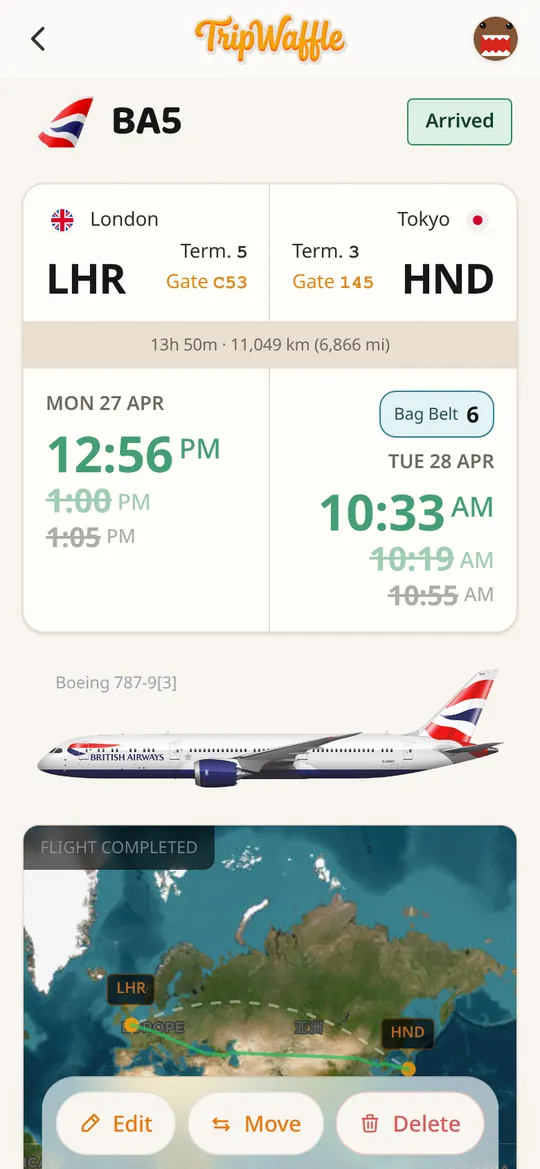
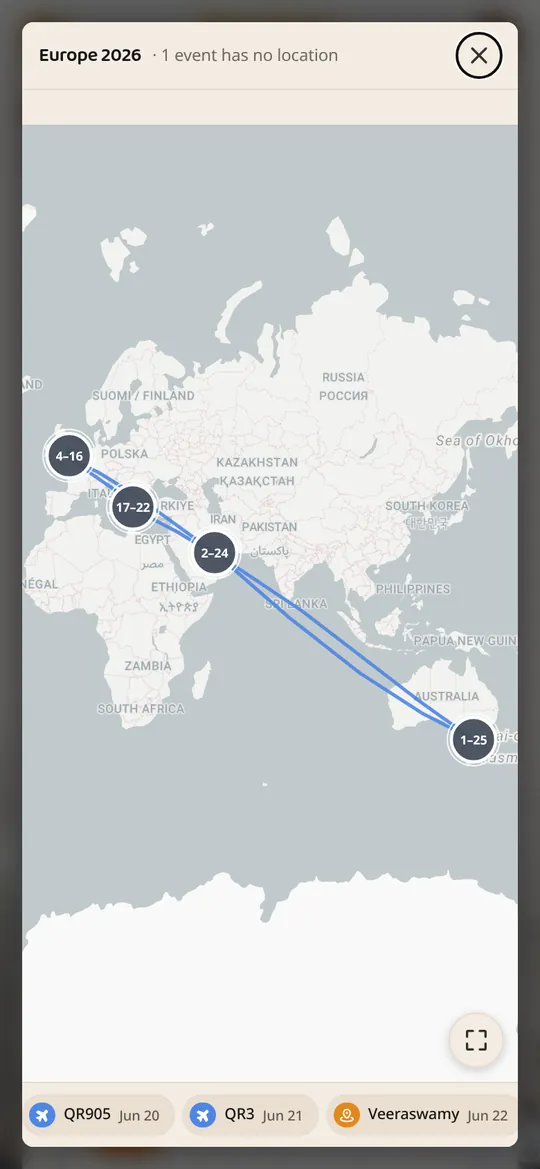
TripWaffle organizes your whole trip in one beautiful itinerary - and watches over it: government advisory alerts, the local emergency number, and entry requirements for Italy, plus live flight tracking. Just forward your confirmation emails.


100% free · 3 second signup
Last updated: May 27, 2026