Is Amalfi Coast Safe?
The Amalfi Coast is generally safe for travelers, with low violent crime and most issues centered on petty theft, transport hassles, and seasonal crowding. The bigger practical risks are crowded ferry and bus hubs, steep stairways, traffic on narrow coastal roads, and late-night movement between towns when transport options thin out.
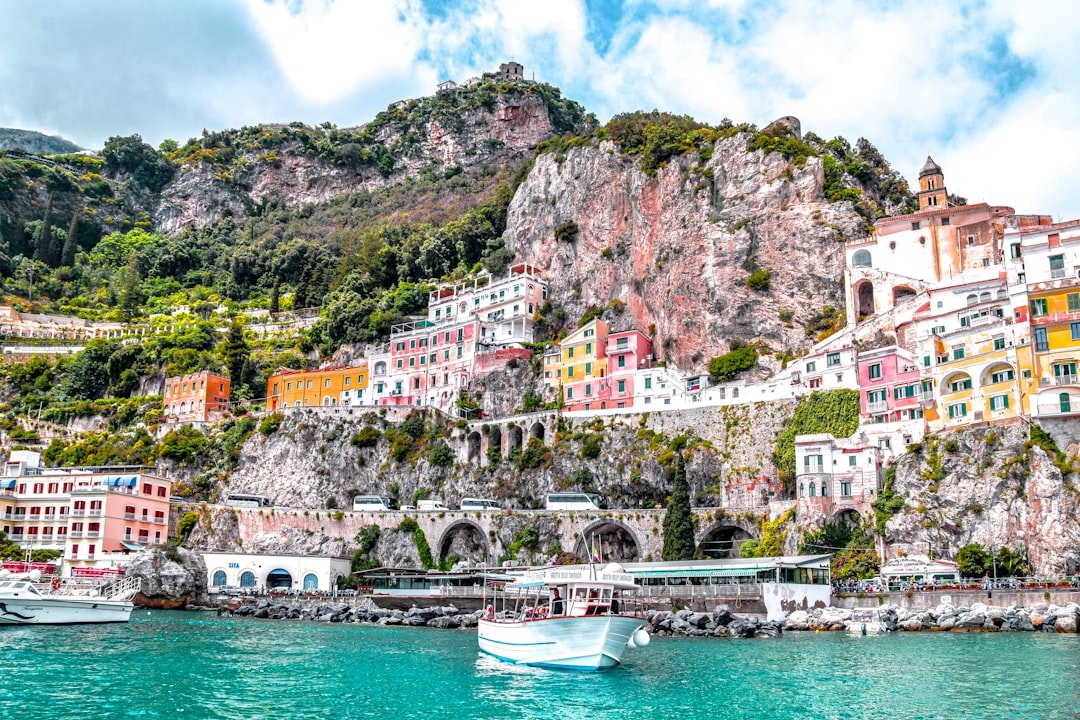
Photo: Tom Podmore / Unsplash
Perception vs Reality: Its glamorous image can hide the main real-world risks: congestion, overpriced services, slippery steps, and difficult transport logistics rather than serious street crime.
Risk Scores
Scale: 1 = very low risk, 10 = very high risk
Safety Overview
Overall Safety
Most visitors have trouble-free trips. Crime is usually opportunistic and concentrated around crowded tourist areas, ports, buses, and nightlife spots.
Violent Crime
Violent crime affecting visitors is uncommon. Disputes are more likely to involve traffic, nightlife intoxication, or isolated late-night situations than targeted attacks.
Petty Crime
Pickpocketing and unattended-bag theft can happen in crowded ferries, buses, beaches, and busy piazzas. Keep phones and wallets secured during boarding and in packed queues.
Scams
Scams are usually low-level tourist overcharging rather than elaborate fraud. Watch for taxi fare padding, unclear restaurant extras, and inflated private transfer or porter prices.
Night Safety
Town centers stay fairly safe in the evening, but late-night movement gets harder once ferries and buses slow down. Quiet roads, steep stairways, and limited transport become bigger issues than crime.
Public Transport
Buses and ferries are generally safe but often overcrowded in peak season. Keep valuables close when boarding and confirm last departures to avoid expensive private rides.
Police & Emergency
Emergency services are available, but response and movement can be slowed by traffic and terrain. In small towns, practical help may come first from transport staff, hotel hosts, or local police posts.
Day vs Night
Daytime
Daytime is generally very safe, with the main issues being crowded transport hubs, beach theft, road exposure, and heat in summer.
Nighttime
Evenings in central restaurant areas are usually calm, but late-night returns can be awkward due to reduced ferries and buses, poorly lit stairways, and expensive ad hoc transport.
Seasonal: Risk rises in late spring through early autumn due to heavy crowds, packed buses and ferries, heat, and overbooked services. Stormy weather can disrupt ferries and make docks, steps, and coastal roads more hazardous.
Who’s Visiting?
Well suited to tourists, including first-time visitors to Italy, as long as they plan transport and protect valuables in crowded areas.
Common Risks
- ⚠ Pickpocketing at ports and bus stops
- ⚠ Taxi or transfer overcharging
- ⚠ Missed last ferry or bus leading to costly alternatives
- ⚠ Slips on steep steps or wet stones
Tips
- ✓ Book transfers and ferries through known operators when possible
- ✓ Carry a small crossbody or zipped day bag in crowds
- ✓ Check last ferry and bus times before dinner or beach trips
- ✓ Wear shoes with grip for steps, docks, and uneven lanes
Generally comfortable for solo women, especially by day and in well-trafficked town centers. The main concerns are unwanted attention in nightlife settings, isolated paths after dark, and transport gaps between towns.
Common Risks
- ⚠ Catcalling or persistent flirting in bars
- ⚠ Walking alone on poorly lit stairways or roads late at night
- ⚠ Drink tampering risk in nightlife venues
Tips
- ✓ Choose accommodation near the town center if arriving late
- ✓ Use licensed taxis or arranged transfers after late dinners
- ✓ Watch drinks closely in bars and beach clubs
- ✓ Share live location if returning by foot after dark
The Amalfi Coast is broadly welcoming for visitors, especially in tourist-facing towns, though it is not a major LGBTQ+ nightlife destination.
Same-sex relationships are legal in Italy, and tourist businesses are usually professional and nonconfrontational. Social attitudes are generally relaxed in hospitality settings, though smaller towns can feel more traditional and public affection may attract attention rather than hostility.
Common Risks
- ⚠ Occasional staring or mild social discomfort in quieter towns
- ⚠ Limited queer-specific nightlife or support spaces
- ⚠ Standard tourist risks such as overcharging and petty theft
Tips
- ✓ Stick to well-reviewed hotels and restaurants with international clientele
- ✓ For nightlife, expect mixed crowds rather than dedicated LGBTQ+ venues
- ✓ Use normal situational awareness in bars and on late walks
A good family destination, but the terrain can be tiring and there are practical safety issues around roads, steps, cliffs, and crowded docks.
Common Risks
- ⚠ Children near railings, cliff edges, or ferry boarding points
- ⚠ Heat and dehydration in summer
- ⚠ Road exposure where sidewalks are narrow or absent
Tips
- ✓ Hold hands near roads, ports, and stairways
- ✓ Avoid moving luggage with children during peak midday heat
- ✓ Choose towns with easier access if traveling with strollers
- ✓ Build in extra time for slow movement on crowded steps
Pleasant but not ideal for productivity during peak season due to crowds, transport delays, and accommodation costs.
Common Risks
- ⚠ Unreliable or variable Wi-Fi in older buildings
- ⚠ Laptop theft if left unattended at cafes or beach clubs
- ⚠ Transport disruption from weather or seasonal overload
Tips
- ✓ Confirm Wi-Fi quality before booking longer stays
- ✓ Use a tethering backup for work calls
- ✓ Avoid displaying electronics on ferry decks and crowded buses
- ✓ Plan around seasonal noise and tourist congestion
Crime & Threats
Pickpocketing
MediumMost likely in crowded bus queues, ferries, and town centers such as Amalfi and Positano during peak season.
Phone Snatching
LowLess common than in larger cities, but phones can be grabbed or lost in crowds, on scooters, or left behind at beaches and cafes.
Robbery
LowStreet robbery is uncommon. Isolated late-night walks or remote parking areas carry more risk than central promenades.
Assault
LowAssault against tourists is not common; alcohol-related incidents are the more realistic concern in nightlife settings.
Drink Spiking
LowNot a defining local issue, but the usual bar precautions still apply, especially in busy summer nightlife spots.
Taxi Scams
MediumOvercharging, vague flat fares, and inflated private transfer quotes are more common than meter tampering.
ATM Skimming
LowRisk exists but is not a standout problem. Use bank ATMs in town centers rather than isolated machines.
Tourist Scams
MediumExpect occasional overpricing for transport, beach services, luggage handling, and restaurants in prime tourist zones.
Common Scams
Taxi or transfer overcharging
A driver quotes a vague or inflated flat fare, adds luggage or late-night surcharges without clarity, or exploits missed transport connections.
Use official taxis, ask the full fare before departure, and compare with hotel or operator quotes.
Restaurant extras and tourist pricing
A bill includes unexpected service charges, bread, water, or premium seating costs that were not clearly explained.
Check menus for coperto or service fees and ask about extras before ordering.
Beach club or porter upselling
Visitors are pressed into premium loungers, inflated baggage carrying, or unclear add-on fees near beaches and docks.
Confirm prices in writing or on posted boards before handing over bags or accepting services.
Unofficial ticket help
Someone offers to help buy ferry or transport tickets and adds a markup or sells the wrong service.
Buy directly from official counters, apps, or reputable vendors.
Area Safety
Safer Areas
Quieter, more residential feel with less crowd pressure and fewer nightlife-related issues.
Generally calmer promenades and easier movement than the busiest resort hubs.
Busy and well-trafficked, with lots of shops and staff around, though still watch bags in crowds.
Be More Careful
Dense queues create ideal conditions for pickpocketing, bag mix-ups, and transport confusion.
Heavy tourist traffic, steep steps, photo distraction, and crowded access routes increase theft and fall risk.
Narrow lanes, limited sidewalks, fast scooters, and poor visibility after dark make this a practical hazard zone.
Getting Around
Walking
Walking is pleasant in town centers, but many routes involve steep stairs, uneven paving, and stretches with little separation from traffic. Use extra care after dark and avoid looking at your phone on stairs or near road edges.
Taxis & Rideshare
Use licensed taxis or hotel-arranged transfers and agree the fare clearly before departure if no meter is used. Availability can be tight late at night, especially between towns.
Trains & Buses
There is no coastwide train through the main cliffside towns, so buses and ferries do most of the work. Buses can be very crowded and uncomfortable with luggage; ferries are often easier but weather dependent.
Do’s & Don’ts
Do
- Keep wallets and phones in zipped front-facing bags in ferry and bus queues
- Pre-check the last ferry or bus before evening plans
- Use shoes with grip for stone steps, docks, and wet surfaces
- Carry water and sun protection in summer
- Confirm transport and service prices before agreeing
Don’t
- Do not leave bags unattended on beaches, ferry decks, or cafe chairs
- Do not assume transport will be easy late at night between towns
- Do not walk close to road edges while taking photos
- Do not rely on rideshare availability in the same way as big cities
- Do not carry large amounts of cash for day trips
How Does It Compare?
Safer Than
Riskier Than
Compared with major Italian cities, the Amalfi Coast has less serious crime but more practical risk from crowds, steep terrain, and transport bottlenecks.
Frequently Asked Questions
Yes, it is generally safe. Most issues involve petty theft, transport confusion, and overcharging rather than violent crime.
Usually yes in busy town centers, but transport becomes limited and dark stairways or roads can be harder to navigate safely.
Crowded ferry and bus hubs, steep steps, narrow coastal roads, summer heat, and occasional tourist overcharging are the most common problems.
Data Notes
- Safety conditions vary by town, season, and time of day across the Amalfi Coast rather than being uniform across the whole area.
- Public transport crowding and petty theft risk increase sharply in peak tourist months, so off-season conditions can feel notably easier and safer.
- Late-night transport availability differs by route and weather, especially for ferries.
Traveling to Amalfi Coast?
TripWaffle organizes your entire trip — flights, hotels, trains, events — in one beautiful itinerary. Just forward your confirmation emails.


100% free · 3 second signup
Last updated: March 21, 2026