Is Sicily Safe?
Sicily is generally safe for most travelers, with risk levels similar to other busy southern European destinations rather than high-danger places. The main issues are pickpocketing, bag theft from cars or beaches, and rougher late-night conditions around major city transport hubs, especially in Palermo and Catania.
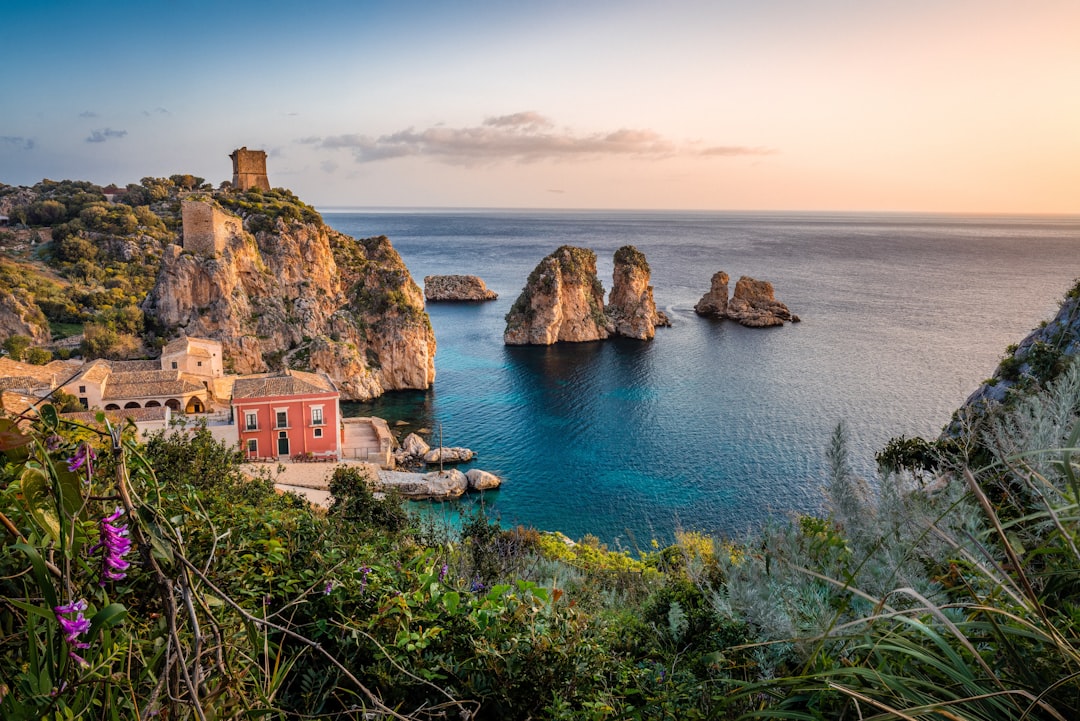
Photo: Sam Ferrara / Unsplash
Perception vs Reality: Sicily's mafia reputation is much stronger than the risk most visitors actually face. Organized crime is not usually a direct tourist issue; everyday risks are more often petty theft, traffic hazards, and nighttime street awareness in larger cities.
Risk Scores
Scale: 1 = very low risk, 10 = very high risk
Safety Overview
Overall Safety
Most visits to Sicily are trouble-free. Stay more alert in Palermo and Catania, on crowded buses, at train stations, and around beaches or parked cars where theft is more common.
Violent Crime
Violent crime affecting travelers is not a major pattern. Most incidents involving visitors are opportunistic theft rather than targeted assault.
Petty Crime
Pickpocketing and bag theft are the main everyday risks, especially in crowded historic centers, markets, buses, and station areas. Do not leave valuables visible in rental cars.
Scams
Scams are usually low-level: inflated taxi fares, tourist overcharging, misleading parking help, and beach or nightlife overbilling. They are more annoying than dangerous.
Night Safety
Busy restaurant and bar zones are usually fine in the evening, but deserted side streets, station districts, and port-adjacent areas feel less comfortable late at night. Use a taxi or rideshare after a night out in larger cities.
Public Transport
Regional trains and buses are broadly usable, though delays and overcrowding happen. Keep bags close on busy routes and at stations, especially in Palermo and Catania.
Police & Emergency
Police presence is visible in tourist centers and city hubs, though response speed and English ability can vary. For routine issues, hotels and hosts are often the quickest practical help.
Day vs Night
Daytime
Daytime is generally low stress in tourist towns, coastal areas, and main historic centers. Crowds raise petty theft risk in markets, stations, and major attractions.
Nighttime
Evenings in restaurant and promenade areas are usually fine, but risk and discomfort increase on poorly lit side streets, around major stations, and in nightlife districts after midnight.
Seasonal: Summer brings heavier crowds, beach theft, heat, wildfire disruptions, and busy roads. Religious festivals and major events can create dense crowds where pickpocketing is easier.
Who’s Visiting?
Tourists are usually safe, but they are more exposed to petty theft, car break-ins, and transport-related hassles than to serious crime.
Common Risks
- ⚠ Pickpocketing in crowded markets and transit areas
- ⚠ Bag or phone theft at beaches and cafes
- ⚠ Car break-ins near viewpoints, beaches, and trailheads
- ⚠ Taxi overcharging or unofficial parking attendants
Tips
- ✓ Use a cross-body bag and keep phones off cafe tables
- ✓ Leave nothing visible in rental cars, even briefly
- ✓ Book taxis through apps, hotels, or official ranks where possible
- ✓ Stay in well-reviewed central areas if arriving late
Sicily is manageable for solo women, especially in tourist towns, but late-night street comfort drops around station districts and quieter city edges.
Common Risks
- ⚠ Catcalling or unwanted attention
- ⚠ Feeling isolated on poorly lit streets at night
- ⚠ Bar overcharging or nuisance behavior in nightlife areas
Tips
- ✓ Choose accommodation in active, well-lit central streets
- ✓ Use taxis for late returns in Palermo and Catania
- ✓ Avoid isolated beach areas after dark
- ✓ If a bar feels off, leave early rather than trying to argue over a bill
Most travelers will not face legal issues, and tourist zones are usually relaxed, but social attitudes can be more conservative than in northern Italian cities.
Same-sex relationships are legal in Italy, but public attitudes in Sicily can be more traditional, especially outside larger cities and tourist towns. Open expression is usually tolerated in tourist areas, but discretion may feel more comfortable in smaller towns.
Common Risks
- ⚠ Verbal remarks in conservative or nightlife settings
- ⚠ Reduced comfort showing affection in small towns
- ⚠ Limited dedicated LGBTQ nightlife outside bigger cities
Tips
- ✓ Tourist centers such as Taormina, Ortigia, and central Palermo tend to feel easier
- ✓ Use standard nightlife precautions when meeting people
- ✓ Read recent venue reviews if looking for explicitly LGBTQ-friendly spaces
Sicily works well for families, with the main concerns being road safety, summer heat, sea conditions, and keeping track of belongings in crowded areas.
Common Risks
- ⚠ Busy traffic and aggressive driving
- ⚠ Heat exposure in summer
- ⚠ Slippery historic streets and uneven steps
- ⚠ Crowded beach and attraction areas
Tips
- ✓ Plan outdoor sightseeing early in hot months
- ✓ Choose accommodation with easy parking if driving
- ✓ Watch children closely near roads, scooters, and harbor edges
- ✓ Use beach bags that can be zipped and kept in sight
Sicily is generally fine for longer stays, but city-to-city safety and infrastructure vary more than in northern Italy.
Common Risks
- ⚠ Laptop theft from cars or unattended tables
- ⚠ Patchy transport reliability
- ⚠ Occasional neighborhood quality changes within the same city
Tips
- ✓ Pick accommodation in established central districts with recent reviews
- ✓ Do not work with valuables exposed on empty terraces or beaches
- ✓ Confirm internet speed before longer stays
- ✓ Avoid leaving tech gear in parked vehicles
Crime & Threats
Pickpocketing
MediumMost likely in Palermo and Catania markets, buses, train stations, and crowded festival or waterfront areas.
Phone Snatching
MediumCan happen from scooters or on busy streets, though less notorious than in some larger Italian cities. Keep phones secure near roads.
Robbery
LowStreet robbery is not a common tourist issue, but risk rises late at night around isolated city areas and transport hubs.
Assault
LowAssault affecting visitors is uncommon. Nightlife disputes and intoxication raise risk more than ordinary sightseeing does.
Drink Spiking
LowNot a defining Sicily risk, but normal nightlife precautions still apply in bars and clubs.
Taxi Scams
MediumOvercharging, refusal to use the meter, or inflated fixed fares can happen, especially from airports, ports, and nightlife zones.
ATM Skimming
LowUse bank ATMs rather than isolated machines in tourist areas, especially at night.
Tourist Scams
MediumTypical issues are restaurant overcharging, unofficial parking help, and beach or excursion upselling rather than elaborate fraud.
Common Scams
Taxi fare inflation
A driver quotes a high fixed price, avoids the meter, or adds vague baggage or night supplements.
Use official taxis, ask the expected fare before starting, and prefer app bookings or hotel-arranged rides.
Unofficial parking help
A person directs you into a public parking spot, then asks for payment to watch the car.
Use marked paid parking where possible and do not leave valuables visible in the vehicle.
Restaurant or bar overbilling
Extra items, inflated cover charges, or unclear service fees appear on the bill in tourist-heavy areas.
Check menus and prices first, review the bill before paying, and avoid places with aggressive touting.
Beach theft while swimming
Bags, phones, or wallets are taken when left unattended on the sand.
Bring only essentials to the beach and keep valuables with a trusted person or in a secure locker if available.
Area Safety
Safer Areas
Well-touristed, walkable, and generally comfortable, though still busy and expensive in peak season.
Popular historic center with steady foot traffic and a generally relaxed feel for visitors.
Compact resort town with a relatively easy tourist setup and fewer big-city street issues.
Quiet, scenic, and generally low on street crime, though late-night transport options are limited.
Be More Careful
Busy transport area where pickpocketing, nuisance behavior, and late-night discomfort are more likely.
Lively and interesting, but more chaotic after dark, with heavier drinking, petty theft risk, and occasional confrontations.
More mixed environment with visible street disorder and lower comfort late at night.
Car break-ins and theft from unattended bags are a recurring traveler problem.
Getting Around
Walking
Walking is usually fine in central tourist areas by day. At night, stick to active streets and avoid station backstreets, empty waterfront stretches, and poorly lit shortcuts in larger cities.
Taxis & Rideshare
Use official taxis, agree on airport or long-distance fares in advance, and check whether the meter should be used. Availability can be uneven outside major hubs.
Trains & Buses
Regional transport is generally safe but can be crowded, delayed, or confusing. Watch luggage closely, especially on arrival and departure days in Palermo and Catania.
Do’s & Don’ts
Do
- Keep wallets and phones secured in crowded markets and stations
- Choose centrally located accommodation if arriving after dark
- Lock cars and leave nothing visible inside
- Use official taxi services or hotel-booked transport
- Carry water and plan around summer heat
Don’t
- Do not assume quiet beach parking areas are safe for luggage
- Do not walk distracted with your phone near roads or scooters
- Do not rely on empty side streets as shortcuts late at night
- Do not leave bags hanging on chair backs in busy cafes
- Do not treat Sicily's mafia image as the main visitor risk
How Does It Compare?
Frequently Asked Questions
Yes, most trips are trouble-free. The main issues are petty theft, car break-ins, and lower night comfort around big-city station areas.
Tourist promenades and restaurant areas are usually fine, but station districts and quiet backstreets in Palermo and Catania are less comfortable late at night.
Usually no. Sicily's mafia reputation is real historically, but travelers are far more likely to encounter petty theft or transport hassles than organized crime.
Data Notes
- Safety varies noticeably between major cities, resort towns, and rural areas; island-wide generalizations can miss local differences.
- Taxi app coverage and late-night transport options are inconsistent across Sicily.
- Neighborhood conditions can change quickly within Palermo and Catania, especially after dark.
- Recent local enforcement and seasonal crowd levels can affect petty crime patterns.
Traveling to Sicily?
TripWaffle organizes your entire trip — flights, hotels, trains, events — in one beautiful itinerary. Just forward your confirmation emails.


100% free · 3 second signup
Last updated: March 21, 2026