Is Shibuya Safe?
Shibuya is generally safe by big-city standards and safer than many major nightlife and tourist districts worldwide. The main issues are crowd-related theft, nightlife hassles, and intoxicated behavior around Center Gai and Dogenzaka late at night rather than serious street crime.
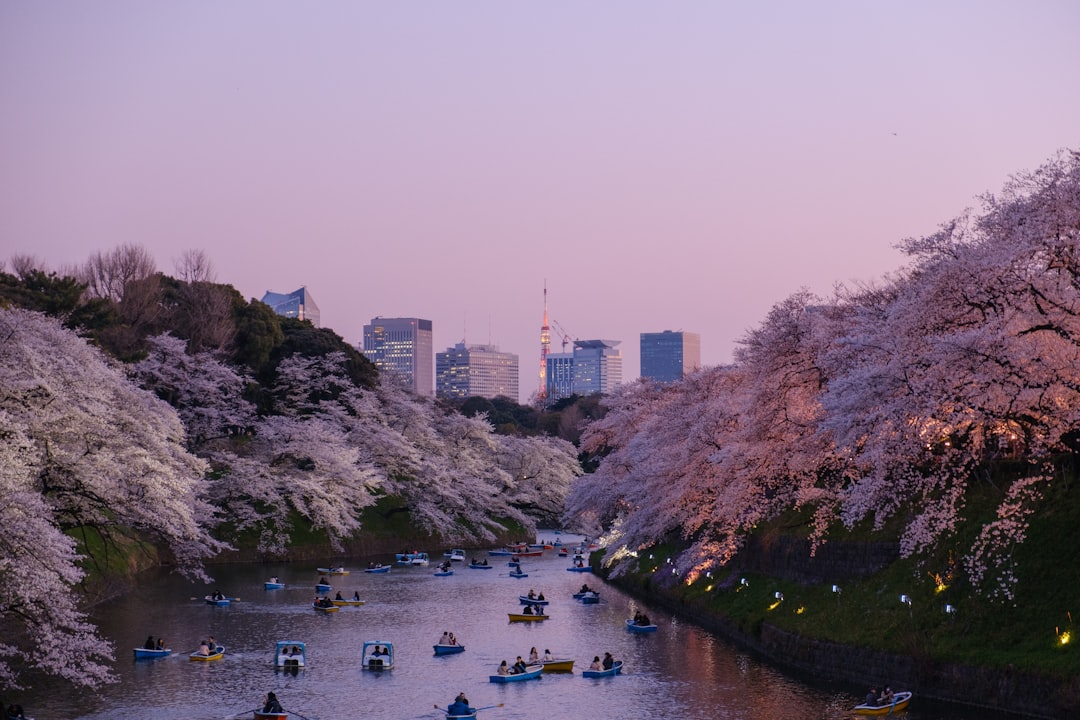
Photo: Yu Kato / Unsplash
Perception vs Reality: Shibuya looks hectic and disorderly, especially around the Scramble Crossing at night, but violent street crime is uncommon. The bigger risks are crowds, missed trains, bar touts, and opportunistic theft in nightlife pockets.
Risk Scores
Scale: 1 = very low risk, 10 = very high risk
Safety Overview
Overall Safety
Very safe overall, with most incidents tied to nightlife, crowds, and alcohol rather than serious crime.
Violent Crime
Violent attacks are uncommon. Late-night fights or harassment can happen near bars and clubs, usually involving intoxicated people.
Petty Crime
Pickpocketing is not rampant, but crowded station exits, Center Gai, and busy nightlife streets create opportunities for phone or wallet theft.
Scams
The main scam risk is bar or club touts leading visitors to overpriced venues. Taxi and ATM scams are relatively rare by international standards.
Night Safety
Busy and well-lit, but risk rises after the last train when intoxicated crowds, touts, and isolated side streets become more of an issue.
Public Transport
Trains and buses are orderly and safe. The main hazards are crowding, last-train timing, and getting disoriented in the station complex.
Police & Emergency
Police presence is visible around the station and main streets. Koban police boxes are useful for directions and basic help.
Day vs Night
Daytime
Very safe and busy, with the main challenges being crowds, navigation, and keeping track of belongings.
Nighttime
Still comparatively safe, but risks rise around bars and clubs, especially after midnight and after the last train when crowds are more intoxicated.
Seasonal: Halloween, New Year periods, and major weekend events can bring crowd surges, transport congestion, heavy police presence, and more disorder than usual.
Who’s Visiting?
Tourists usually find Shibuya easy and safe to navigate, but the area is crowded and can be confusing around the station and nightlife streets.
Common Risks
- ⚠ bar touts
- ⚠ overpriced drinks
- ⚠ lost phones in crowds
- ⚠ getting stranded after the last train
Tips
- ✓ Ignore street touts and choose bars with clear menus and prices.
- ✓ Keep your phone secured when filming at Scramble Crossing.
- ✓ Save your station exit and hotel route before going out.
- ✓ Check last-train times if staying outside central Tokyo.
Shibuya is generally comfortable for solo women, especially in daytime and early evening, though nightlife streets can bring unwanted attention or drunken behavior.
Common Risks
- ⚠ harassment from intoxicated men
- ⚠ drink tampering in nightlife settings
- ⚠ persistent club promoters
Tips
- ✓ Prefer busy main streets over quieter back lanes late at night.
- ✓ Watch drinks closely and do not leave them unattended.
- ✓ Use licensed taxis or app-based rides if returning very late.
- ✓ If a venue feels pushy or unclear on pricing, leave early.
Shibuya is broadly workable and low-risk for LGBTQ+ travelers, with a large, youthful crowd and little day-to-day street hostility.
Japan is relatively safe in daily life, but social attitudes can be reserved. Public same-sex affection may draw attention more from social conservatism than from direct danger.
Common Risks
- ⚠ occasional stares
- ⚠ misunderstandings in conservative venues
- ⚠ late-night harassment linked to intoxicated crowds rather than identity
Tips
- ✓ Stick to established venues and well-reviewed nightlife spots.
- ✓ Late at night, avoid engaging with aggressive touts or drunk groups.
- ✓ Use regular urban awareness rather than expecting targeted risk.
Families can visit comfortably in daytime, but the station area is dense, loud, and tiring with strollers or young children.
Common Risks
- ⚠ children getting separated in crowds
- ⚠ traffic at busy intersections
- ⚠ fatigue from long station walks
Tips
- ✓ Set a meeting point before entering the station area.
- ✓ Hold hands near the Scramble Crossing and station exits.
- ✓ Visit earlier in the day to avoid nightlife crowds.
- ✓ Use department stores and malls for cleaner restrooms and breaks.
Shibuya is convenient and generally safe for remote workers, with many cafes and good transport, though crowded spaces require basic property awareness.
Common Risks
- ⚠ leaving laptops unattended
- ⚠ bag mix-ups in busy cafes
- ⚠ public Wi-Fi privacy concerns
Tips
- ✓ Do not leave devices on tables when ordering or using the restroom.
- ✓ Use tethering or a VPN on public networks.
- ✓ Choose quieter cafes off the main crossing for longer work sessions.
Crime & Threats
Pickpocketing
MediumStill low compared with many global tourist zones, but crowded crossings, station passages, and nightlife streets create occasional opportunities.
Phone Snatching
LowOpen street snatching is uncommon, though dropped or unattended phones are easily lost in dense crowds and bars.
Robbery
LowStreet robbery is rare. Most visitor problems are linked to intoxication, venue disputes, or opportunistic theft rather than force.
Assault
LowAssault risk is low overall, but late-night arguments and drunken scuffles can happen around clubs and bars.
Drink Spiking
MediumNot a dominant risk, but nightlife caution is sensible, especially in unfamiliar bars or where touts are involved.
Taxi Scams
LowMeter fraud is uncommon in Japan. The bigger issue is paying extra for late-night trips or taking an unnecessary route if communication is poor.
ATM Skimming
LowSkimming is not a major known issue in Shibuya. Use ATMs inside banks, convenience stores, or major retail locations.
Tourist Scams
MediumThe main pattern is bar and club touting, sometimes leading to inflated bills or pressure to buy expensive drinks.
Common Scams
Bar tout invitation
A promoter offers cheap drinks or a fun club, then leads visitors to a venue with inflated prices or pressure to order more.
Do not follow touts. Pick venues with posted prices, online reviews, and direct entry from the street.
Overpriced drink bill
A bar adds unclear seating fees, service charges, or expensive drinks not fully explained upfront.
Check menus before ordering and leave if staff avoid giving clear pricing.
Friendly stranger nightlife setup
Someone starts a casual conversation, then steers you to a specific bar or club where prices or pressure are the real goal.
Be wary if the conversation quickly turns into a venue recommendation they insist on joining you for.
Area Safety
Safer Areas
Busy, polished, and generally calmer than the nightlife-heavy west side around Dogenzaka.
More residential and quieter, with less nightlife-related hassle.
Well-managed indoor spaces with staff, lighting, and predictable foot traffic.
Be More Careful
Heavy crowds, nightlife traffic, and occasional touts make it the main area for petty theft and late-night nuisance behavior.
Bars, clubs, love hotels, and intoxicated crowds raise the chance of harassment, billing disputes, and late-night problems.
Safe overall but confusing, crowded, and busy with drunk commuters after the last trains.
Getting Around
Walking
Walking is generally safe, including for visitors, but stay on main streets late at night and watch for bicycles and dense pedestrian flows.
Taxis & Rideshare
Taxis are reliable and low-risk. Confirm destination clearly, expect late-night surcharges, and note that app-based rideshare options are more limited than in some countries.
Trains & Buses
Public transport is very safe and efficient. The main issue is navigating the station maze and not missing the last train.
Do’s & Don’ts
Do
- Keep your phone and wallet secured in crowded areas.
- Use well-reviewed bars and clubs with visible pricing.
- Plan your route and last train before a late night out.
- Use main station exits and well-lit streets after dark.
- Ask at a koban if lost or dealing with a minor incident.
Don’t
- Do not follow bar or club touts.
- Do not leave drinks or valuables unattended.
- Do not rely on public transport running all night.
- Do not get overly intoxicated in unfamiliar venues.
- Do not wander quiet backstreets alone after a heavy night out if you are disoriented.
How Does It Compare?
Frequently Asked Questions
Usually yes, especially on main streets, but Center Gai and Dogenzaka get rowdier late at night and after the last train.
The most common issues are nightlife touts, overpriced bars, and losing valuables in crowded areas.
Generally yes. Daytime is very comfortable, while late-night nightlife zones call for more care around intoxicated crowds and drink safety.
Data Notes
- Safety can vary a lot within Shibuya depending on whether you mean the station entertainment area or the wider Shibuya ward.
- Reported scam patterns in Shibuya are less prominent than in some other Tokyo nightlife districts, so nightlife scam risk is moderate but localized.
- Large events and seasonal crowd controls can change the feel of the area significantly, especially around Halloween.
Traveling to Shibuya?
TripWaffle organizes your entire trip — flights, hotels, trains, events — in one beautiful itinerary. Just forward your confirmation emails.


100% free · 3 second signup
Last updated: March 21, 2026