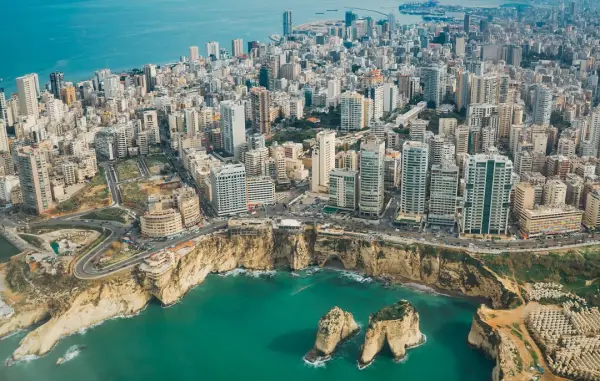
Is Beirut Safe?
Beirut is manageable for many travelers, but it is not a low-risk city. Routine street crime is usually moderate rather than extreme in central areas, yet political unrest, economic strain, infrastructure problems, and periodic security flare-ups can change conditions quickly.
Photo: Piotr Chrobot / Unsplash
Perception vs Reality: Beirut's image is often shaped by war-era headlines. In practice, many visitors spend time in busy districts without major trouble, but the bigger concern is how fast the security and political situation can shift.
Risk Scores
Scale: 1 = very low risk, 10 = very high risk
Safety Overview
Overall Safety
Central Beirut is often workable by day, especially in busy commercial and residential districts. The main risks are petty theft, aggressive driving, nightlife issues, and sudden security or political disruptions.
Violent Crime
Serious street violence is not the main issue for most visitors in core districts, but muggings and assaults can happen, especially late at night or in less busy areas.
Petty Crime
Phone theft, bag snatching, and opportunistic theft are the most likely problems in crowded streets, nightlife spots, and transport hubs.
Scams
Taxi fare inflation, nightlife overcharging, and distraction tactics are more common than elaborate tourist scams.
Night Safety
Nightlife areas can feel lively and social, but risk rises after midnight, especially on quieter side streets and when leaving bars alone.
Public Transport
Transport is functional but informal. Shared taxis and buses can be confusing, crowded, and harder to navigate safely at night.
Police & Emergency
Police presence exists, but response quality can vary and traffic delays are common. Hotels, larger venues, and private security are often more immediately helpful for practical assistance.
Day vs Night
Daytime
Daytime is usually the easiest time to move around central Beirut. Main issues are traffic, street crossing, petty theft in busy areas, and avoiding any protest activity.
Nighttime
Night is mixed: busy restaurant and bar zones can feel active, but quieter streets empty out quickly and transport becomes more important. Risk rises after midnight, especially when alone or intoxicated.
Seasonal: Political demonstrations, sectarian tensions, major funerals, regional military escalation, and sudden roadblocks can disrupt parts of the city with little notice. Festive weekends increase nightlife theft and drink-related risks.
Who’s Visiting?
Tourists usually face moderate day-to-day risk in central Beirut, with petty theft and transport issues more likely than serious crime.
Common Risks
- ⚠ Overpriced taxis or unclear fares
- ⚠ Phone theft in busy streets and nightlife areas
- ⚠ Getting caught near protests, roadblocks, or security incidents
- ⚠ Cash payment disputes in bars, clubs, or with informal drivers
Tips
- ✓ Use reputable hotels and ask staff which areas are best avoided that day
- ✓ Carry only the cash you need and keep your phone off the curb side of the street
- ✓ Use app-based or hotel-arranged transport when possible
- ✓ Avoid political gatherings, marches, and areas with heavy security activity
Many solo women visit Beirut without major problems, especially in well-known districts, but harassment, nightlife risks, and transport judgment matter.
Common Risks
- ⚠ Unwanted attention or persistent flirting
- ⚠ Taxi discomfort or route disputes
- ⚠ Drink tampering or over-intoxication in nightlife venues
- ⚠ Walking alone on quiet streets late at night
Tips
- ✓ Prefer known neighborhoods, trusted venues, and pre-booked rides at night
- ✓ Watch drinks closely and avoid leaving them unattended
- ✓ Share live location with a friend or hotel contact when going out late
- ✓ If a taxi feels wrong, end the ride in a busy, well-lit area
Beirut is generally more open than many cities in the region, but public discretion is still wise and acceptance varies by neighborhood and venue.
Legal and social conditions are mixed. Enforcement and interpretation around same-sex relations have been inconsistent, and social conservatism remains significant outside more liberal circles.
Common Risks
- ⚠ Harassment or hostility in conservative or highly masculine spaces
- ⚠ Unwanted attention after nightlife
- ⚠ Police or security scrutiny if an incident escalates in public
Tips
- ✓ Stick to venues with a known inclusive reputation
- ✓ Limit public displays of affection outside liberal districts
- ✓ Use trusted transport after dark rather than negotiating rides on the street
- ✓ Ask local contacts or venue staff about the current social mood in the area
Families can navigate Beirut with planning, but traffic, infrastructure issues, and sudden disruptions are the main headaches.
Common Risks
- ⚠ Aggressive traffic and poor pedestrian conditions
- ⚠ Power or service disruptions
- ⚠ Crowds and noise in nightlife-heavy districts
- ⚠ Protests or road closures affecting movement
Tips
- ✓ Choose accommodation in calmer, established districts
- ✓ Use car seats and avoid unnecessary walking along major roads
- ✓ Plan around traffic and keep flexible schedules
- ✓ Keep water, charged phones, and backup cash for delays
Beirut has a strong café and coworking culture, but daily life can be disrupted by power cuts, cash reliance, and security swings.
Common Risks
- ⚠ Laptop or phone theft in cafés
- ⚠ Power outages and unstable connectivity
- ⚠ ATM availability or card acceptance issues
- ⚠ Sudden transport disruption from demonstrations or security events
Tips
- ✓ Pick accommodations with backup power and strong reviews on internet reliability
- ✓ Do not leave devices unattended in cafés or shared workspaces
- ✓ Keep cash in small amounts and use multiple payment options
- ✓ Monitor local news and ask hosts about route disruptions before meetings
Crime & Threats
Pickpocketing
MediumMost likely in busy commercial streets, markets, nightlife districts, and transport hubs.
Phone Snatching
MediumPhones are vulnerable near traffic, from scooters, or when used openly on crowded sidewalks.
Robbery
MediumLess common than petty theft, but the risk rises late at night on quiet streets or after bars.
Assault
MediumAssaults are not routine for most visitors, but intoxication, arguments, and isolated areas increase risk.
Drink Spiking
MediumA known nightlife concern, especially in crowded bars or when drinks are left unattended.
Taxi Scams
MediumStreet taxis may inflate fares, claim route issues, or avoid clear pricing unless agreed in advance.
ATM Skimming
LowLess commonly reported than cash-related hassles, but use bank ATMs in secure locations.
Tourist Scams
MediumMore often simple overcharging or distraction attempts than organized scam operations.
Common Scams
Taxi fare inflation
A driver quotes a low price, then raises it on arrival or claims the route was longer than expected.
Use ride apps or agree the exact fare before the trip starts.
Nightclub overcharging
Bills are padded with extra items, unclear table minimums, or inflated service charges.
Ask about entry, table rules, and minimum spend before ordering anything.
Parking or street helper distraction
Someone offers to guide parking, help with directions, or distracts you while an accomplice targets a bag or phone.
Keep valuables secured and decline unsolicited help around cars and curbs.
Unofficial currency or payment confusion
A seller or driver uses exchange-rate confusion or mixed-currency pricing to overcharge.
Confirm the currency and total amount clearly before paying, and carry small bills.
Area Map
Approximate locations from public sources. Conditions vary by time of day and current events.
Area Safety
Safer Areas
Busy, central, and practical for visitors, with regular foot traffic, hotels, cafés, and easier access to services.
Established residential and commercial area with popular dining and shopping streets that are generally comfortable by day and early evening.
Well-known shopping and hotel area with a more controlled feel than some nightlife-heavy districts.
Be More Careful
More politically sensitive and more exposed to regional security tensions; not ideal for casual visits without a reason and current local advice.
Crowded, chaotic, and more prone to petty theft, fare disputes, and confusion.
Popular nightlife zones, but theft, drink spiking, street harassment, and fights become more likely after heavy drinking hours.
Getting Around
Walking
Reasonable in busy districts during the day, but sidewalks are inconsistent and traffic is aggressive. Avoid long walks at night through quiet or unfamiliar areas.
Taxis & Rideshare
App-based or hotel-arranged rides are preferable. If using a street taxi or shared service, agree the fare before moving and avoid isolated pick-up points late at night.
Trains & Buses
There is no urban rail system. Buses and minibuses are cheap but informal, sometimes crowded, and harder for visitors to use confidently, especially after dark.
Do’s & Don’ts
Do
- Stay in well-reviewed central districts and ask locals about same-day security changes
- Carry small amounts of cash and keep a backup payment method
- Use trusted rides at night and save your hotel location offline
- Keep phones and bags close in crowded streets and nightlife areas
- Monitor local news for protests, road closures, and regional escalation
Don’t
- Do not wander into politically sensitive areas out of curiosity
- Do not use your phone openly near traffic or on quiet late-night streets
- Do not assume nightlife areas are safe just because they are busy
- Do not argue over fares at isolated spots; settle pricing before the ride
- Do not stand near demonstrations, party offices, or heavily secured sites
How Does It Compare?
Safer Than
This is a broad travel-safety comparison, not a crime ranking. Beirut's risk is driven as much by political and security volatility as by everyday street crime.
Frequently Asked Questions
Many tourists visit Beirut without major trouble in central districts, but conditions can change quickly due to protests, regional tensions, and infrastructure problems.
Busy nightlife areas can feel fine early in the evening, but risk rises late at night on quieter streets and when leaving bars alone.
The most common problems are taxi fare inflation, nightlife overcharging, and simple distraction theft rather than complex tourist scams.
Data Notes
- Security conditions in Beirut can shift quickly due to regional conflict, political events, or targeted incidents.
- Neighborhood-level risk can change with roadblocks, demonstrations, or local tensions, so same-day local advice matters.
- Nightlife safety varies heavily by venue management, crowd, and transport options at closing time.
Traveling to Beirut?
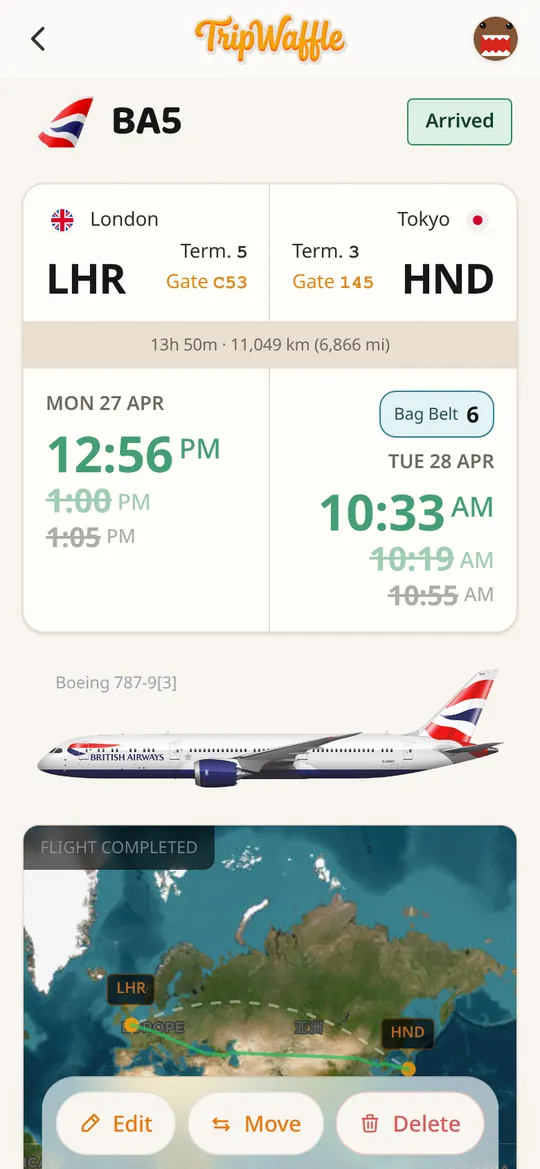
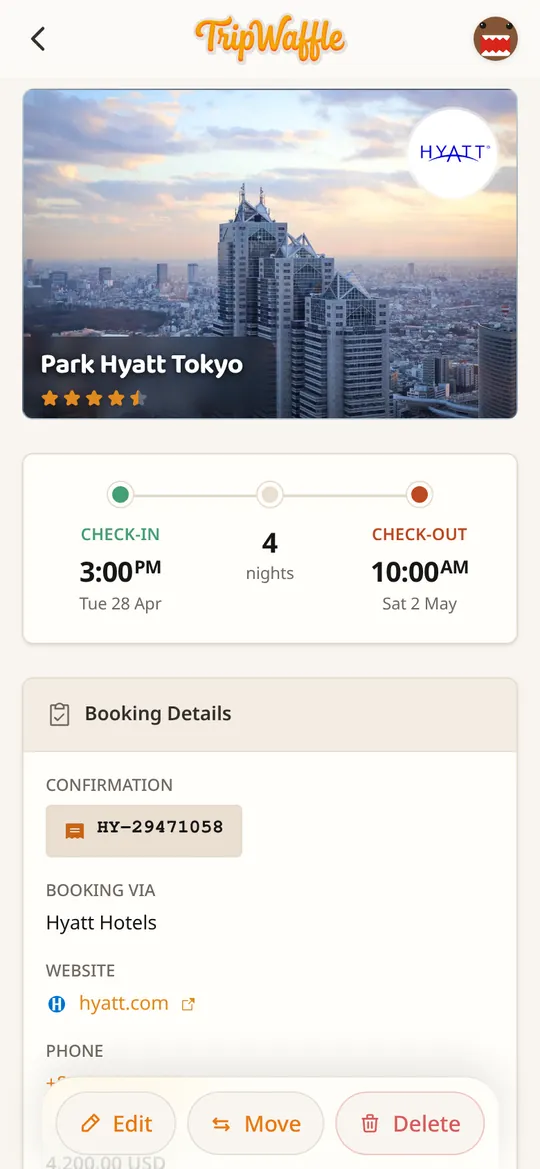
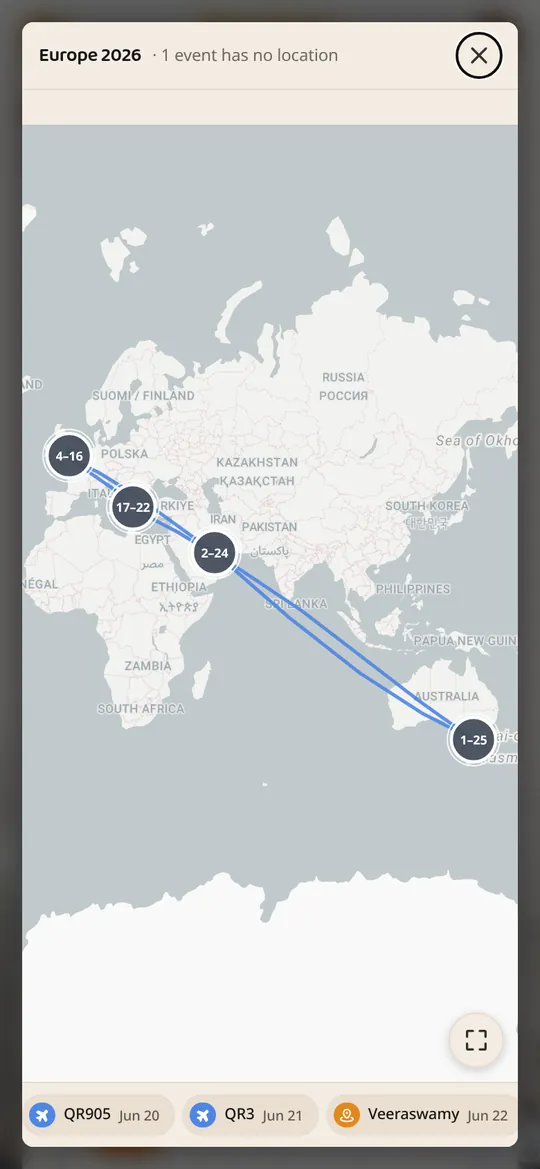
TripWaffle organizes your whole trip in one beautiful itinerary - and watches over it: government advisory alerts, the local emergency number, and entry requirements for Beirut, plus live flight tracking. Just forward your confirmation emails.


100% free · 3 second signup
Last updated: May 27, 2026