Is Lebanon Safe?
Lebanon has a mixed safety picture: everyday travel in parts of Beirut and the mountains can feel manageable, but the country also faces serious security volatility, political tension, and infrastructure strain. Risks rise sharply near the southern border, around protests, and in areas affected by armed-group activity or sudden escalation.
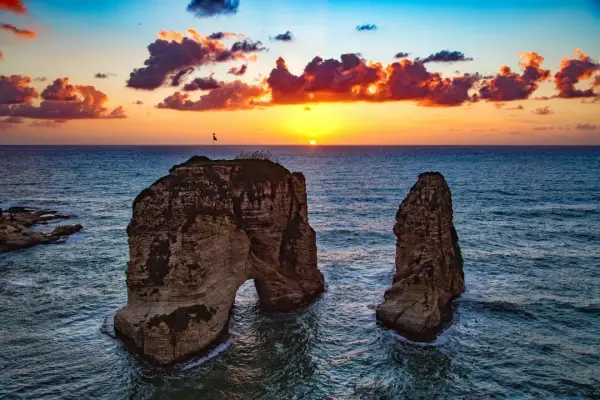
Photo: Ramy Kabalan / Unsplash
Perception vs Reality: Lebanon is not uniformly dangerous all the time, and many visitors experience normal hospitality in central urban and mountain areas. But the idea that it is simply a standard Mediterranean city-break destination is misleading because local conditions can change quickly.
Risk Scores
Scale: 1 = very low risk, 10 = very high risk
Safety Overview
Overall Safety
Safety varies a lot by region and current events. Central Beirut and some mountain towns are more manageable, while border zones, protest areas, and politically sensitive neighborhoods carry much higher risk.
Violent Crime
Street crime is not the main concern in most tourist areas, but armed incidents, localized clashes, and conflict spillover are more serious risks than in many nearby destinations.
Petty Crime
Pickpocketing, bag theft, and opportunistic phone snatching can happen in busy nightlife and shopping areas, especially when streets are crowded or traffic is slow.
Scams
Taxi overcharging, bad exchange rates, and inflated prices for visitors are more common than elaborate frauds. Confirm fares and payment method before starting a trip.
Night Safety
Nightlife districts can feel lively, but late-night travel carries added risk from poor lighting, erratic driving, harassment, and sudden security incidents. Avoid wandering alone in unfamiliar areas after midnight.
Public Transport
Public transport is limited and informal. Shared vans and buses are cheap but can be confusing, crowded, and harder to assess for route and safety.
Police & Emergency
Police and emergency response exist but may be slower or less consistent than visitors expect, especially during unrest, roadblocks, or infrastructure disruptions.
Day vs Night
Daytime
Daytime is generally the easiest time for moving around tourist-friendly parts of Beirut, coastal towns, and mountain destinations. Traffic and road safety remain a bigger everyday risk than street crime in many areas.
Nighttime
Risks rise at night due to poorer lighting, reduced oversight, nightlife-related incidents, and more difficult transport decisions. Late-night travel between unfamiliar districts is less predictable.
Seasonal: Political protests, regional conflict flare-ups, religious commemorations, and major holidays can all change local safety quickly. Summer nightlife and festival crowds also raise theft and harassment risk.
Who’s Visiting?
Tourists can visit parts of Lebanon safely with planning, but this is not a low-maintenance destination. Route choice, local updates, and transport decisions matter more than in most leisure destinations.
Common Risks
- ⚠ sudden road closures or protests
- ⚠ taxi fare disputes
- ⚠ petty theft in nightlife and busy streets
- ⚠ travel into high-risk southern or politically sensitive areas
Tips
- ✓ Check local conditions daily, not just before arrival.
- ✓ Base yourself in well-known neighborhoods with reliable hotels.
- ✓ Arrange airport transfers or use trusted drivers.
- ✓ Keep plans flexible in case roads or districts become inaccessible.
Many solo women travel in Beirut and mountain areas without major issues, but harassment and transport-related discomfort are realistic concerns, especially at night.
Common Risks
- ⚠ street harassment
- ⚠ unwanted attention in nightlife venues
- ⚠ late-night taxi discomfort
- ⚠ walking alone in poorly lit streets
Tips
- ✓ Use reputable taxis or rides arranged by your hotel.
- ✓ Prefer busy, well-reviewed districts for dining and nightlife.
- ✓ Avoid isolated walking routes after dark.
- ✓ If going out at night, share your route and return plan with someone.
Lebanon is often seen as more socially open than some neighbors, especially in parts of Beirut, but legal ambiguity and uneven social acceptance still create risk.
Social tolerance is mixed and neighborhood-dependent. Public displays of affection can attract attention, and discretion is often wise outside liberal urban pockets.
Common Risks
- ⚠ harassment in conservative areas
- ⚠ privacy concerns
- ⚠ police or venue scrutiny in sensitive situations
- ⚠ online dating safety issues
Tips
- ✓ Stay in central Beirut areas known for mixed crowds.
- ✓ Use discretion with dating apps and meeting new people.
- ✓ Avoid public confrontations over identity in conservative districts.
- ✓ Research venues through current local recommendations, not old guidebooks.
Families often find Lebanese hospitality warm, but the main concerns are traffic, unreliable infrastructure, and rapid changes in the security environment rather than routine tourist crime.
Common Risks
- ⚠ reckless driving
- ⚠ power cuts or service interruptions
- ⚠ crowded roads and poor pedestrian safety
- ⚠ getting stuck near demonstrations or closures
Tips
- ✓ Choose hotels with backup power and strong reviews.
- ✓ Use private drivers for intercity travel.
- ✓ Plan daytime trips and return before late evening.
- ✓ Keep water, charged phones, and cash on hand during outings.
Lebanon can be attractive for lifestyle and community, especially in Beirut, but it is a fragile base for routine work because connectivity, power, and security conditions can shift quickly.
Common Risks
- ⚠ power outages
- ⚠ internet instability
- ⚠ cash access problems
- ⚠ rapid local security changes affecting mobility
Tips
- ✓ Book accommodation with backup power and confirmed internet quality.
- ✓ Carry backup SIM options and power banks.
- ✓ Keep extra cash in small denominations.
- ✓ Do not rely on one neighborhood or one transport route for daily routines.
Crime & Threats
Pickpocketing
MediumMost likely in crowded Beirut districts, nightlife streets, and packed events. Keep phones and wallets out of back pockets.
Phone Snatching
MediumCan happen from motorcycles or at car windows in busy urban areas. Avoid using your phone near the curb or in stalled traffic.
Robbery
MediumLess common than opportunistic theft, but risk rises in isolated streets, during late-night movements, or in areas with weak security presence.
Assault
MediumAssault risk is moderate overall but can rise around nightlife, arguments, protests, and politically tense areas.
Drink Spiking
MediumNot the main safety issue, but it is a credible nightlife risk. Watch your drink and avoid leaving it unattended.
Taxi Scams
HighFare inflation, route padding, and currency confusion are common complaints. Confirm price and currency before departure.
ATM Skimming
MediumUse ATMs attached to banks where possible. Inspect the machine and avoid help from strangers.
Tourist Scams
MediumVisitors may face overcharging for rides, tours, or exchange. Transparent pricing is inconsistent, especially where rates change quickly.
Common Scams
Taxi fare inflation
A driver quotes one price, then demands more at arrival or claims the fare was in a different currency.
Agree on the fare and currency before departure, or use a trusted app or hotel-arranged car.
Currency exchange short-changing
A shop, driver, or exchanger uses a confusing or outdated rate and returns less cash than expected.
Know the current working rate, count money carefully, and use reputable exchange points.
Tourist overpricing
Visitors are quoted inflated prices for tours, souvenirs, or transport because rates are not posted clearly.
Ask locals or your hotel for normal prices and confirm the full total before accepting.
Unofficial parking or street assistance
Someone directs you into a parking spot or offers unsolicited help, then demands payment.
Use official parking where possible and decline help clearly if you do not want it.
Area Map
Approximate locations from public sources. Conditions vary by time of day and current events.
Area Safety
Safer Areas
Well-known Beirut district with hotels, restaurants, and a steadier street presence than many outer neighborhoods.
Busy central area popular with visitors and students; generally easier for walking and finding transport, though petty theft still occurs.
Popular leisure destination with a relatively calmer atmosphere than Beirut, especially for daytime visits.
Coastal town popular with visitors; generally calmer, though nightlife and roads still require care.
Be More Careful
Highest security risk due to armed conflict, military activity, and the possibility of rapid escalation.
Southern Beirut suburb with elevated political and security sensitivity; not ideal for casual tourism.
Security conditions can be unpredictable, and these are not appropriate sightseeing areas.
Some parts have a history of localized unrest and are less suitable for unplanned visits.
Getting Around
Walking
Walking is practical in parts of Beirut and in tourist towns during the day, but sidewalks, traffic behavior, and lighting are inconsistent. Avoid isolated or politically tense areas on foot.
Taxis & Rideshare
Use reputable taxis, hotel-arranged drivers, or well-known apps where available. Confirm fare, route, and currency before entering the vehicle.
Trains & Buses
Lebanon has no meaningful passenger rail network. Buses and service taxis are widely used but informal, and they are less straightforward for first-time visitors.
Do’s & Don’ts
Do
- Monitor local news and your hotel's advice each day.
- Stick to established neighborhoods and plan routes ahead.
- Carry cash in small amounts and separate backup funds.
- Use accommodation with backup power and strong reviews.
- Keep identification and emergency contacts accessible.
Don’t
- Do not travel to the southern border area for sightseeing.
- Do not approach protests, roadblocks, or political gatherings.
- Do not photograph checkpoints, military sites, or armed personnel.
- Do not rely on verbal fare assumptions with drivers.
- Do not walk alone late at night in unfamiliar districts.
How Does It Compare?
Safer Than
Lebanon's main difference from typical city-break destinations is volatility: routine crime is only part of the picture, while political and regional security shifts matter much more.
Frequently Asked Questions
Some parts are manageable for tourists, especially central Beirut and popular coastal towns, but security can change quickly and border areas are high risk.
The most serious concern is regional and political instability, especially near the south, followed by traffic hazards and transport-related issues.
Popular nightlife districts can feel lively, but late-night movement is less predictable and requires more care with transport and route choice.
Data Notes
- Security conditions in Lebanon can change rapidly due to regional conflict, especially affecting the south and parts of Beirut.
- Crime levels and neighborhood risk can vary sharply over short periods, and reliable nationwide statistics may be limited.
- Transport availability, app coverage, and policing consistency can shift with economic conditions and local disruptions.
Explore Areas in Lebanon
Traveling to Lebanon?
TripWaffle organizes your whole trip in one beautiful itinerary - and watches over it: government advisory alerts, the local emergency number, and entry requirements for Lebanon, plus live flight tracking. Just forward your confirmation emails.


100% free · 3 second signup
Last updated: May 27, 2026