Is Antananarivo Safe?
Antananarivo is manageable for prepared travelers, but it is not a walk-anywhere city. Petty theft is common in busy central areas, and robbery risk rises notably after dark, especially if you are on foot. Most visitors do best by moving in daylight, keeping valuables out of sight, and using trusted taxis at night.
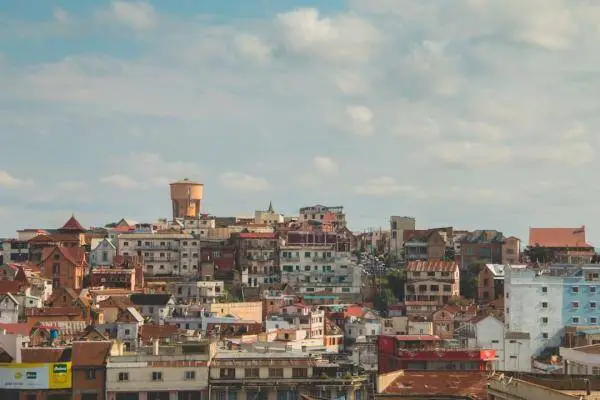
Photo: Brent Ninaber / Unsplash
Perception vs Reality: The city has a rough reputation, and some of it is justified around theft and after-dark street crime. In practice, many trips are trouble-free when travelers avoid isolated walking, use secure transport, and stay alert in crowded commercial areas.
Risk Scores
Scale: 1 = very low risk, 10 = very high risk
Safety Overview
Overall Safety
The main issue in Antananarivo is opportunistic street crime, not random attacks on visitors. Daytime in busy areas is usually manageable; after dark, walking becomes much riskier.
Violent Crime
Violent crime exists, usually linked to robbery rather than unprovoked assault. Risk increases on quiet streets, stairways, and poorly lit areas at night.
Petty Crime
Pickpocketing, bag snatching, and phone theft are the most common problems for visitors. Markets, transport hubs, and crowded sidewalks are the main trouble spots.
Scams
Scams are usually simple: taxi overcharging, distraction theft, and price confusion. Travelers are more likely to lose money through small opportunistic schemes than elaborate fraud.
Night Safety
Night is the biggest safety downgrade in Antananarivo. Avoid walking after dark, even for short distances, and use a reputable taxi arranged by your hotel or host.
Public Transport
Local minibuses are crowded and not ideal for visitors carrying valuables. Taxis are more practical, but agree the fare before departure if there is no meter.
Police & Emergency
Police presence is uneven and response can be slow. Hotels, embassies, and larger businesses often rely on private security, which can be more immediately useful than street policing.
Day vs Night
Daytime
Daytime is generally the best time to move around the city. Busy central districts are manageable if you protect your phone, bag, and cash.
Nighttime
Nighttime risk rises sharply, especially for anyone walking. Use direct taxi transport and avoid isolated streets, stairways, and casual bar-to-hotel walks.
Seasonal: Heavy rain in the wet season can worsen road safety, flooding, and power outages. Political demonstrations or sudden protests can disrupt central areas quickly and are best avoided.
Who’s Visiting?
Tourists are most exposed to theft in central commercial areas and when moving around after dark. Visitors who use hotel transport, keep a low profile, and avoid isolated walking usually reduce risk significantly.
Common Risks
- ⚠ Pickpocketing in markets and busy streets
- ⚠ Bag or phone snatching
- ⚠ Taxi overcharging
- ⚠ Robbery on foot after dark
Tips
- ✓ Carry only the cash you need for the day
- ✓ Keep phones and cameras out of sight when not in use
- ✓ Use hotel-booked or recommended taxis at night
- ✓ Ask clearly whether prices are in ariary
Solo women can visit Antananarivo, but the city is more comfortable with planned transport and limited night walking. Unwanted attention and opportunistic theft are more likely than serious targeted violence.
Common Risks
- ⚠ Street harassment
- ⚠ Following or unwanted conversation
- ⚠ Theft when distracted
- ⚠ Higher vulnerability when walking alone at night
Tips
- ✓ Use door-to-door taxis after dark
- ✓ Choose central, well-reviewed accommodation
- ✓ Avoid isolated stairways and shortcuts
- ✓ Dress low-key and avoid displaying valuables
Legal risk is lower than in some countries, but social conservatism means discretion is usually the safer approach. Open displays of affection may attract attention, especially outside international hotels or upscale venues.
Same-sex relations are legal, but public attitudes are generally conservative and visible LGBTQ+ spaces are limited. Social discomfort or verbal attention is more likely than formal legal trouble.
Common Risks
- ⚠ Verbal harassment
- ⚠ Staring or unwanted attention
- ⚠ Limited supportive nightlife or venues
Tips
- ✓ Keep public affection discreet
- ✓ Prefer internationally oriented hotels and restaurants
- ✓ Use trusted transport at night
- ✓ Avoid discussing personal life with strangers if the setting feels uncomfortable
Families usually face more practical than targeted risks: traffic, uneven sidewalks, petty theft, and fatigue from congestion. Family trips are smoother with private transport and a daytime-focused schedule.
Common Risks
- ⚠ Crowded streets and traffic
- ⚠ Pickpocketing in busy areas
- ⚠ Children getting separated in markets
- ⚠ Poor lighting and uneven pavement
Tips
- ✓ Keep children close in markets and transport areas
- ✓ Pre-arrange airport and evening transport
- ✓ Choose accommodation with good security and backup power
- ✓ Avoid carrying passports on routine day trips
Digital nomads are usually fine in secure neighborhoods, but expensive electronics raise theft risk. Moving laptops and phones around the city, especially after dark, needs more care than in lower-risk capitals.
Common Risks
- ⚠ Laptop and phone theft
- ⚠ Transit risk after dark
- ⚠ Opportunistic theft in cafes or shared spaces
- ⚠ Power or connectivity disruption affecting late travel plans
Tips
- ✓ Work from secure hotels, offices, or trusted cafes
- ✓ Do not leave devices unattended, even briefly
- ✓ Use a plain bag instead of a branded laptop sleeve
- ✓ Arrange transport before evening meetings
Crime & Threats
Pickpocketing
HighCommon in markets, commercial streets, and around transport hubs. Front pockets, zipped bags, and minimal cash help.
Phone Snatching
HighPhones are easy targets on busy sidewalks and from car windows. Avoid using your phone openly near traffic or crowds.
Robbery
MediumRobbery is a bigger concern after dark, especially for pedestrians on quiet roads or stairways. Handing over valuables is safer than resisting.
Assault
MediumAssault risk is usually linked to robbery or disputes rather than random violence. Nighttime and isolated areas raise the chance.
Drink Spiking
LowNot among the city's most commonly reported visitor risks, but normal nightlife precautions still apply. Watch drinks and avoid leaving them unattended.
Taxi Scams
MediumThe main issue is overcharging or fare disputes, not sophisticated scams. Agree the price before the ride if there is no meter.
ATM Skimming
MediumUse indoor ATMs at banks or major hotels. Unofficial helpers, shoulder surfing, and card misuse are more realistic concerns than advanced skimming alone.
Tourist Scams
MediumVisitors may face inflated prices, fake assistance, and distraction tactics. Price confusion between ariary and older franc references can also cause overpayment.
Common Scams
Taxi fare inflation
A driver quotes a high fare to a visitor, especially from the airport, hotels, or at night.
Ask your hotel for a normal price range and agree the fare before the ride starts.
Ariary price confusion
A price is quoted unclearly, and a visitor pays more than expected due to confusion over local currency references.
Confirm the exact amount in ariary before paying and check notes carefully.
Distraction theft in markets
One person distracts you with conversation, directions, or a small sale while another targets your pocket or bag.
Keep bags closed and in front, and do not handle cash or phones while distracted.
Unofficial ATM help
A stranger offers assistance at an ATM, watches your PIN, or interferes with the transaction.
Use ATMs inside banks or hotels and refuse help from strangers.
Area Map
Approximate locations from public sources. Conditions vary by time of day and current events.
Area Safety
Safer Areas
Upscale area with embassies, hotels, and more controlled access around many properties.
Business-oriented district with larger hotels, offices, and more predictable transport options.
Central and active in daytime, with shops and services; still use extra care after dark.
Be More Careful
Crowded market and commercial area where pickpocketing and bag snatching are common.
Busy transport and commercial zone with crowding, traffic, and higher petty theft risk.
Crowded working-class districts where visitors stand out and theft risk is higher.
Poor lighting and low foot traffic can make pedestrians more vulnerable to robbery.
Getting Around
Walking
Walking is reasonable in daylight in active areas, but route planning matters. Avoid showing valuables and do not walk between neighborhoods after dark.
Taxis & Rideshare
Taxis are the safer choice for most visitors, especially at night. Use hotel-recommended drivers when possible and agree the fare before starting.
Trains & Buses
Local buses and taxi-be minibuses are crowded and uncomfortable for visitors with bags or phones out. They carry both theft and general road-safety drawbacks.
Do’s & Don’ts
Do
- Use hotel-arranged taxis after dark
- Carry a small amount of cash and a backup card
- Keep bags zipped and worn in front in crowded areas
- Plan routes in daylight and ask locals or hotel staff about current trouble spots
- Choose accommodation with visible security
Don’t
- Do not walk alone at night, even short distances
- Do not display phones at intersections, in markets, or from open car windows
- Do not carry passports and all valuables together
- Do not rely on crowded local minibuses if you have luggage or electronics
- Do not assume central tourist or shopping areas are safe after dark
How Does It Compare?
Safer Than
This is a broad travel-safety comparison, not a crime ranking. Antananarivo's risk is driven more by theft, weak night safety, and uneven infrastructure than by constant high-level violence.
Frequently Asked Questions
It is manageable with planning, but petty theft is common and walking after dark is not recommended.
Usually no. Use a trusted taxi for evening travel, even for short distances.
Pickpocketing, bag snatching, and robbery after dark are the main concerns for visitors.
Data Notes
- Recent neighborhood-level crime patterns can change quickly and are not always well documented in public sources.
- Public reporting on risks affecting LGBTQ+ travelers is limited, so social-risk guidance is more certain than incident frequency.
- Specific street-level safety can vary sharply by time of day, local events, and whether an area is busy or suddenly quiet.
Traveling to Antananarivo?
TripWaffle organizes your whole trip in one beautiful itinerary - and watches over it: government advisory alerts, the local emergency number, and entry requirements for Antananarivo, plus live flight tracking. Just forward your confirmation emails.


100% free · 3 second signup
Last updated: May 27, 2026