
Is Malaysia Safe?
Malaysia is generally a manageable destination for most travelers, with lower violent crime risk than many large tourist markets. The main issues are petty theft, nightlife-related problems, transport scams, and conservative social norms in some states.
Photo: Esmonde Yong / Unsplash
Perception vs Reality: Malaysia is often seen as either very easy or very conservative; both are partly true. Most visits are trouble-free, but city theft, nightlife scams, and state-by-state social differences matter more than headline crime.
Risk Scores
Scale: 1 = very low risk, 10 = very high risk
Safety Overview
Overall Safety
Malaysia is broadly safe for travelers, especially in major tourist zones and business districts. Theft and scams are more common than serious violence.
Violent Crime
Violent crime affecting visitors is relatively uncommon. Most incidents travelers face are opportunistic rather than targeted attacks.
Petty Crime
Pickpocketing, bag theft, and occasional phone snatching happen in crowded urban areas, markets, and around transit hubs. Keep valuables out of sight, especially roadside.
Scams
The most common problems are taxi overcharging, nightlife bills, fake donations, and overfriendly touts in tourist areas. Book transport and tours through known apps or established operators.
Night Safety
Busy nightlife areas are usually fine in groups, but risks rise after midnight with intoxicated crowds, drink tampering, and opportunistic theft. Quiet streets and poorly lit lanes are best avoided.
Public Transport
Urban rail is generally safe and practical, especially in Kuala Lumpur. Watch bags on trains, stations, and long-distance buses, where distraction theft is more likely.
Police & Emergency
Emergency number 999. Police presence is visible in major cities, and tourist police exist in some hubs, but report filing can be slow and response times vary outside urban areas.
Day vs Night
Daytime
Daytime is generally straightforward in cities, heritage zones, malls, and resort areas. The main risks are pickpocketing, traffic, and heat.
Nighttime
Risk rises after dark in nightlife districts, around bars, and on quiet side streets. Late-night theft, drink tampering, and transport scams are more likely than daytime incidents.
Seasonal: Monsoon periods can bring flooding and transport disruption, especially on the east coast. Major holidays and festivals increase crowding, traffic, and petty theft opportunities.
Who’s Visiting?
Most tourists have trouble-free trips, especially when using app-based transport and staying alert in crowded city areas.
Common Risks
- ⚠ Pickpocketing in markets and transit hubs
- ⚠ Taxi overcharging or meter refusal
- ⚠ Phone snatching near roads
- ⚠ Nightlife overbilling
Tips
- ✓ Use Grab or clearly metered taxis
- ✓ Carry only the cash you need for the day
- ✓ Keep phones away from the roadside edge of sidewalks
- ✓ Choose established hotels and tour operators
Malaysia is workable for solo women, particularly in Kuala Lumpur, Penang, and established resort areas, but unwanted attention and nighttime nuisance can occur.
Common Risks
- ⚠ Catcalling or intrusive attention
- ⚠ Drink spiking in bars or clubs
- ⚠ Harassment from drivers or strangers late at night
- ⚠ Theft in crowded shopping and nightlife districts
Tips
- ✓ Prefer rideshare over street-hailed taxis at night
- ✓ Avoid isolated streets after dark
- ✓ Watch your drink being made and keep it with you
- ✓ Choose lodging with strong recent reviews and staffed reception
Physical safety is often better than the legal and social climate suggests, but discretion is important because laws and attitudes can be conservative.
Same-sex relations are criminalized under Malaysian law, and social attitudes are generally more conservative outside major urban and tourist settings. Enforcement is uneven, but legal and reputational risk exists, especially around public visibility.
Common Risks
- ⚠ Harassment or hostile reactions in conservative areas
- ⚠ Legal risk linked to public visibility or complaints
- ⚠ Privacy concerns in hotels or on apps
- ⚠ Online entrapment or extortion through dating apps
Tips
- ✓ Keep public displays of affection low-key
- ✓ Use caution with dating apps and verify identities carefully
- ✓ Research local norms before visiting smaller towns or conservative states
- ✓ Choose internationally oriented hotels and venues in major cities
Malaysia is generally family-friendly, with good hotel infrastructure and many easy tourist routes. Everyday risks are more about traffic, heat, and crowded public places than crime.
Common Risks
- ⚠ Road traffic and unsafe crossings
- ⚠ Heat, dehydration, and sun exposure
- ⚠ Crowded markets and mall theft
- ⚠ Pool and beach supervision issues
Tips
- ✓ Use child seats when available and avoid informal transport
- ✓ Plan indoor breaks during the hottest hours
- ✓ Keep children close in markets, malls, and transport hubs
- ✓ Choose reputable beach and water-activity operators
Malaysia is convenient for digital nomads in Kuala Lumpur, Penang, and Johor Bahru, with good connectivity and strong café culture.
Common Risks
- ⚠ Laptop or phone theft in cafés
- ⚠ Public Wi-Fi privacy risks
- ⚠ Rental or deposit disputes
- ⚠ Late-night transport scams
Tips
- ✓ Do not leave devices unattended in cafés or coworking spaces
- ✓ Use a VPN on public networks
- ✓ Document apartment condition before moving in
- ✓ Use app-based transport for late returns
Crime & Threats
Pickpocketing
MediumCommon in crowded shopping streets, night markets, festivals, and major transit areas, especially in Kuala Lumpur and Penang.
Phone Snatching
MediumRoadside snatch theft, sometimes by riders on motorcycles, is a known risk in cities. Avoid using your phone near the curb.
Robbery
MediumStreet robbery is less common than theft but can happen late at night in quieter urban areas or after drinking.
Assault
LowAssault against visitors is not a leading risk, though nightlife disputes and intoxicated incidents do occur.
Drink Spiking
MediumReported in some nightlife settings, particularly in busy entertainment districts. Stay with trusted company and monitor drinks.
Taxi Scams
MediumOvercharging, meter refusal, and inflated airport or nightlife rides remain common enough to justify using rideshare apps.
ATM Skimming
MediumCard fraud and skimming can happen, especially at standalone or poorly monitored machines. Bank ATMs are safer.
Tourist Scams
MediumTypical scams include inflated tour prices, fake donations, overfriendly touts, and nightlife bill padding in tourist-heavy areas.
Common Scams
Taxi meter refusal
A driver refuses the meter and quotes an inflated flat fare, especially at airports, malls, and nightlife areas.
Use Grab or insist on the meter before getting in.
Nightlife overbilling
Visitors are lured into bars or clubs, then presented with inflated drink, table, or service charges.
Check prices first, avoid tout-led venues, and review the bill before paying.
Fake donation or petition approach
Someone asks for a donation or signature while an accomplice distracts you or pressures you for cash.
Politely decline and keep walking without opening your wallet.
Card skimming or tampered ATM
Criminals capture card data at poorly monitored ATMs or through suspicious payment terminals.
Use ATMs inside banks or malls and cover the keypad when entering your PIN.
Area Map
Approximate locations from public sources. Conditions vary by time of day and current events.
Area Safety
Safer Areas
Orderly, planned, and generally calmer than major tourist city centers, though quiet streets can feel empty at night.
Well-lit central Kuala Lumpur area with security presence, major hotels, and steady foot traffic; still watch for theft.
Resort zones are usually low in violent crime and easy for visitors, though theft and drink-related issues still happen.
Be More Careful
Crowds, pickpockets, counterfeit goods, and tourist-targeted overcharging are common.
Budget lodging clusters, transit traffic, and late-night street activity increase nuisance and theft risk.
Security concerns are higher here due to maritime crime and a history of kidnappings; conditions can change.
Getting Around
Walking
Walking is usually fine in busy central districts during the day, but watch traffic and avoid displaying phones near the road. Quiet alleys and poorly lit streets are less comfortable after dark.
Taxis & Rideshare
Grab is the safest and simplest option in most urban areas. Avoid unmetered taxis and confirm plate details before entering.
Trains & Buses
Kuala Lumpur's rail network is efficient and generally safe. Long-distance buses are common, but keep valuables on you rather than in overhead racks or cargo holds.
Do’s & Don’ts
Do
- Use rideshare apps, especially at night
- Keep bags zipped and phones secure in crowded areas
- Choose bank ATMs and monitor card transactions
- Carry a copy of key travel documents
- Check local conditions before visiting eastern Sabah
Don’t
- Do not leave drinks unattended in bars or clubs
- Do not wave phones near the roadside in busy cities
- Do not accept vague taxi fares without agreeing first
- Do not carry all your cash and cards together
- Do not assume social norms are the same across all states
How Does It Compare?
Safer Than
This is a broad travel-safety comparison, not a crime ranking. Risk varies sharply between Kuala Lumpur, resort islands, and more remote areas.
Frequently Asked Questions
Yes, most trips are trouble-free. The main issues are petty theft, taxi scams, and nightlife-related problems rather than serious violence.
Busy central areas are usually manageable, but theft, drink spiking, and late-night transport scams are more likely after dark.
Day-to-day travel is often manageable, but legal and social risks are higher because same-sex relations are criminalized and public discretion is important.
Data Notes
- Street-crime risk varies significantly between Kuala Lumpur, Penang, resort islands, and smaller towns.
- Security conditions in eastern Sabah can change and should be checked close to travel dates.
- LGBTQ enforcement is uneven and can differ by state, visibility, and local circumstances.
- Reliable tourist-specific crime data is limited, so this profile relies partly on recurring travel patterns and local reporting.
Explore Areas in Malaysia
Traveling to Malaysia?
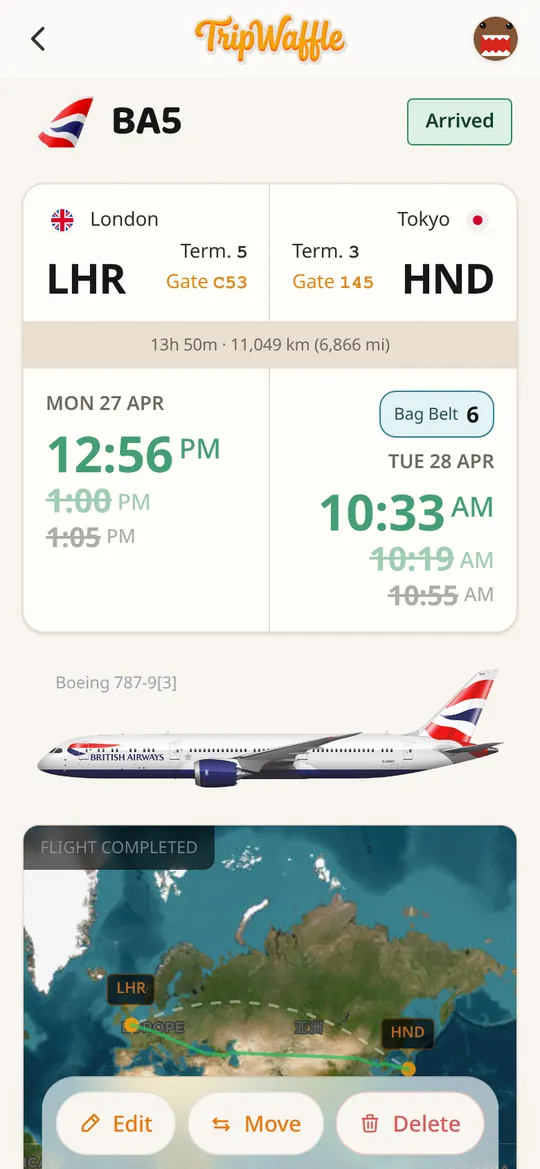
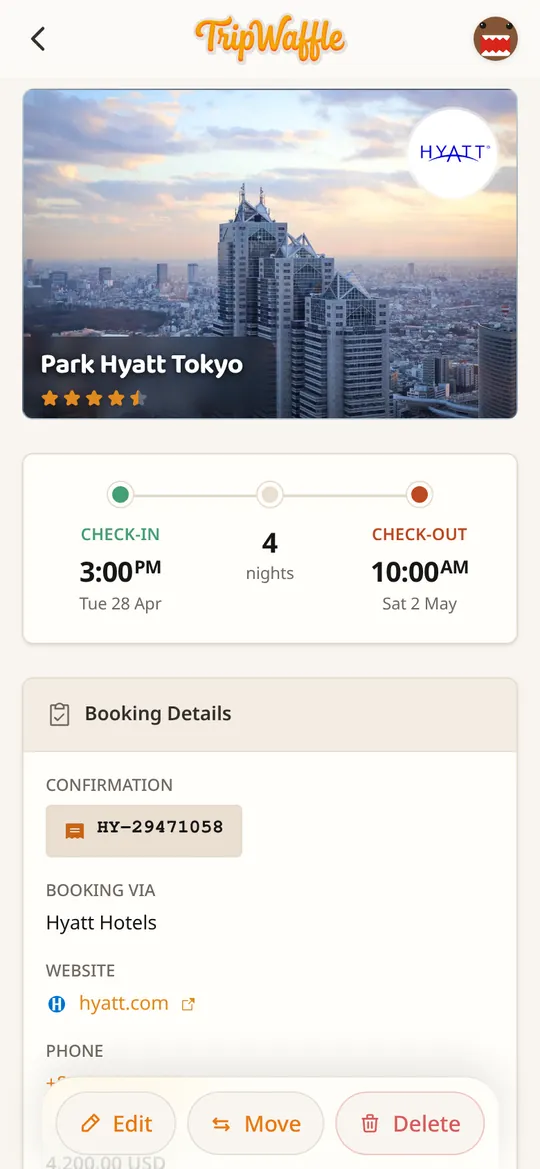
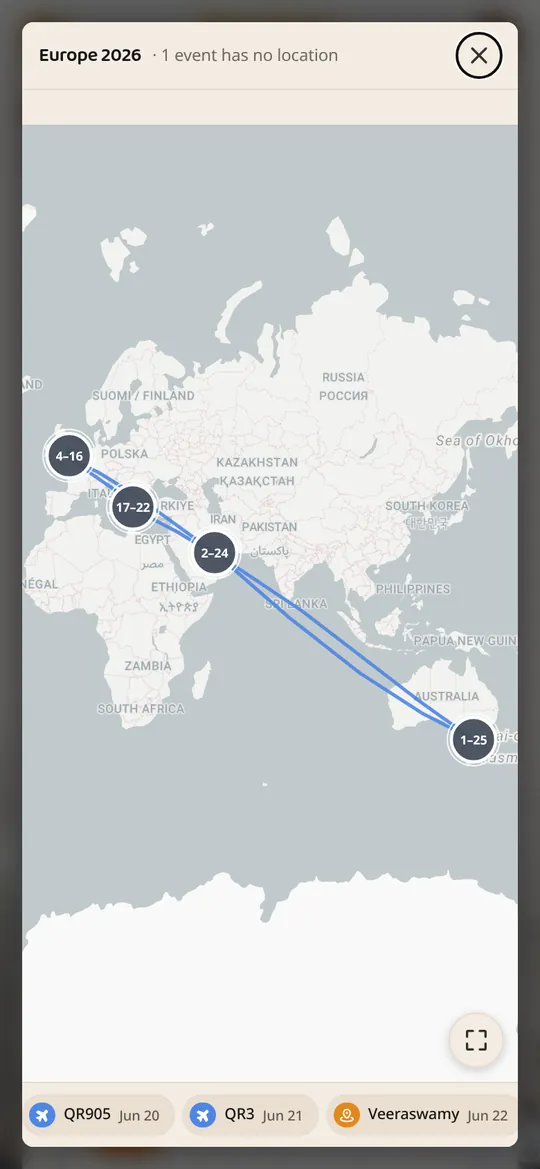
TripWaffle organizes your whole trip in one beautiful itinerary - and watches over it: government advisory alerts, the local emergency number, and entry requirements for Malaysia, plus live flight tracking. Just forward your confirmation emails.


100% free · 3 second signup
Last updated: May 27, 2026