
Is Taiwan Safe?
Taiwan is one of the safer places in Asia for day-to-day travel, with low violent crime, good public transport, and generally orderly streets. Most visitor risks are practical rather than criminal: scooter traffic, crowded markets, nightlife overcharging, typhoons, and occasional petty theft in busy areas.
Photo: Thomas Tucker / Unsplash
Perception vs Reality: Geopolitical headlines can make Taiwan seem riskier than it feels on the ground. For most travelers, daily safety concerns are much more about traffic, weather, and urban crowds than violent crime.
Risk Scores
Scale: 1 = very low risk, 10 = very high risk
Safety Overview
Overall Safety
Taiwan is generally very safe for travelers, including solo visitors. The main everyday hazard is traffic, especially scooters and fast turns at intersections.
Violent Crime
Violent crime affecting travelers is uncommon. Most incidents are isolated and linked more to nightlife or personal disputes than random attacks.
Petty Crime
Petty theft exists but is not a dominant problem. Keep an eye on phones, wallets, and bags in night markets, stations, and busy shopping zones.
Scams
Scams are less aggressive than in many tourist-heavy destinations, but overcharging and nightlife bill padding do occur. Online booking and payment fraud is a more realistic risk than street hustles.
Night Safety
City centers are usually comfortable at night, especially in Taipei and other major cities. Risks rise around clubs, KTV venues, and poorly lit areas after the last trains.
Public Transport
MRT, HSR, TRA, and most city buses are clean, efficient, and low risk. The main issue is not crime but keeping track of belongings and navigating late-night transport gaps outside major cities.
Police & Emergency
Police presence is visible in urban areas and response is generally reliable. English support is better in big cities than in rural areas.
Day vs Night
Daytime
Daytime is very safe in most cities and towns. Traffic remains the main hazard, especially when crossing multi-lane roads or walking near scooters.
Nighttime
Nighttime is still generally safe in populated areas, but caution is smarter around bars, clubs, karaoke venues, and isolated park or riverside paths. Outside major cities, quiet streets and fewer transport options can make late-night travel less comfortable.
Seasonal: Typhoons, heavy rain, flooding, and transport disruption are the main seasonal risks, especially from summer into early autumn. Earthquakes are an ongoing background risk, and festivals or holiday travel periods can bring heavy crowds and pickpocket opportunities.
Who’s Visiting?
Taiwan is very traveler-friendly, with low street crime and easy transit. Visitors are more likely to deal with traffic, weather disruption, or losing items than serious crime.
Common Risks
- ⚠ Bag or phone loss in crowded night markets
- ⚠ Taxi or nightlife overcharging in entertainment areas
- ⚠ Scooter traffic at crossings
- ⚠ Typhoon or heavy rain disrupting transport
Tips
- ✓ Use official taxis, Uber, or clearly marked taxi ranks
- ✓ Keep your phone secure when walking near roads and scooter lanes
- ✓ Watch bags closely in markets, stations, and food courts
- ✓ Check weather and transport updates during typhoon season
Taiwan is among the better destinations in the region for solo female travelers. Most women can travel independently with few issues, though nightlife and isolated areas still need normal caution.
Common Risks
- ⚠ Occasional unwanted attention in bars or clubs
- ⚠ Drink tampering risk in nightlife settings
- ⚠ Empty streets, parks, or riverside paths late at night
- ⚠ Traffic risks when walking alone
Tips
- ✓ Prefer busy, well-lit routes after dark
- ✓ Do not leave drinks unattended in clubs or KTV venues
- ✓ Use app-based or licensed transport late at night
- ✓ Share live location or route details if heading to a remote area
Taiwan is one of Asia's more welcoming destinations for LGBTQ+ travelers, especially in Taipei. Urban social acceptance is generally strong, though smaller towns can be more conservative.
Same-sex marriage is legal, and there is broad visibility and acceptance in major cities. Legal risk is low, but public displays of affection may still draw attention in more traditional or rural settings.
Common Risks
- ⚠ Occasional staring or conservative reactions outside major cities
- ⚠ Nightlife-related harassment
- ⚠ Dating app meetups with strangers
Tips
- ✓ Major cities such as Taipei are the easiest places for open expression
- ✓ Use normal caution when meeting people from apps
- ✓ Choose established nightlife venues with strong reviews
- ✓ Adjust public visibility in more rural areas if you want to avoid attention
Taiwan works well for families thanks to low crime, reliable transport, and generally orderly public spaces. The bigger concerns are road safety, heat, and storm disruption.
Common Risks
- ⚠ Scooter-heavy streets and quick traffic movements
- ⚠ Heat and humidity in warmer months
- ⚠ Typhoon-related transport changes
- ⚠ Crowding at festivals, temples, and markets
Tips
- ✓ Hold children's hands near intersections and scooter lanes
- ✓ Carry water and plan indoor breaks in hot weather
- ✓ Choose accommodation near MRT or train stations
- ✓ Avoid mountain or coastal day trips when heavy rain is forecast
Taiwan is comfortable for remote workers, with low street crime, strong urban infrastructure, and many safe neighborhoods. Risks are more about weather, traffic, and basic cyber hygiene than personal security.
Common Risks
- ⚠ Leaving laptops or phones unattended in cafes
- ⚠ Phishing or insecure public Wi-Fi use
- ⚠ Late-night transport limitations outside major hubs
- ⚠ Typhoon or earthquake disruption
Tips
- ✓ Do not leave devices unattended even in quiet cafes
- ✓ Use a VPN on public Wi-Fi
- ✓ Stay near MRT or major rail lines if you work late
- ✓ Back up work and charge devices before severe weather
Crime & Threats
Pickpocketing
LowNot a major issue, but it can happen in crowded night markets, stations, and festival crowds.
Phone Snatching
LowLess common than in many countries, though phones are vulnerable near roads and scooters if carried loosely.
Robbery
LowStreet robbery affecting travelers is uncommon, especially in busy urban districts.
Assault
LowRandom assault risk is low; incidents are more likely around alcohol-heavy nightlife settings.
Drink Spiking
LowUncommon but possible in clubs, bars, and private-room venues such as some KTV spots.
Taxi Scams
LowMost taxis are fine, but occasional meter refusal, longer routes, or inflated late-night pricing can happen.
ATM Skimming
LowNot widely reported, but use bank ATMs and inspect machines in tourist or nightlife zones.
Tourist Scams
LowTourist scams are relatively limited; mild overcharging and nightlife bill padding are more realistic than elaborate street cons.
Common Scams
Late-night taxi overcharge
A driver avoids the meter, takes a longer route, or quotes a higher flat fare near nightlife areas or transport hubs.
Use app-based bookings or clearly marked taxis, confirm meter use, and check the route on your phone.
KTV or bar bill padding
You are drawn into a nightlife venue, then charged unexpected service fees, drink minimums, or inflated prices.
Stick to well-reviewed venues, ask to see prices first, and avoid following touts into unfamiliar places.
Tourist-area overcharging
A stall, game booth, or informal seller charges more than expected once the sale is underway.
Confirm prices before ordering or playing, and use busy stalls with posted pricing.
Fake booking or payment links
Scammers send fake hotel, ticket, or payment pages through messaging apps or social platforms.
Book through official sites or trusted platforms and avoid paying through unfamiliar links.
Area Map
Approximate locations from public sources. Conditions vary by time of day and current events.
Area Safety
Safer Areas
Well-lit, busy, well-connected, and popular with locals and visitors; low street-crime feel.
Generally calm, walkable, and low in serious street crime, with a strong local rather than hustler atmosphere.
Main visitor areas are usually comfortable, with broad streets, active public spaces, and easy transit.
Be More Careful
Busy crowds, late-night foot traffic, occasional touts, and a higher chance of lost or stolen items.
Crowding, distraction theft, and scooters or vehicles moving close to pedestrians are the main concerns.
Alcohol-related disputes, overcharging, and getting into unofficial venues are more likely late at night.
Getting Around
Walking
Walking is usually safe, but do not assume drivers will always yield quickly. Watch for scooters turning through intersections and using side streets.
Taxis & Rideshare
Licensed taxis are generally reliable, and Uber is widely used in major cities. Use the meter or app pricing, and avoid getting into unofficial cars outside nightlife venues.
Trains & Buses
MRT, HSR, TRA, and city buses are among Taiwan's safest ways to get around. Late-night frequency drops outside larger cities, so plan the last leg of your trip in advance.
Do’s & Don’ts
Do
- Keep valuables zipped and close in markets and stations
- Use licensed taxis, Uber, or public transport after dark
- Watch traffic carefully, even on green signals
- Check weather alerts before mountain, coastal, or intercity trips
- Use bank ATMs and official booking platforms
Don’t
- Do not leave phones or bags unattended in cafes or food courts
- Do not follow nightlife touts into bars or KTV venues
- Do not assume quiet streets are risk-free after the last train
- Do not underestimate typhoon rain, flooding, or landslide risk
- Do not carry your phone loosely near moving scooters or curb edges
How Does It Compare?
Frequently Asked Questions
Yes. Taiwan is generally very comfortable for solo women, especially in major cities, with low violent crime and reliable transport.
Usually yes in busy urban areas, but nightlife districts, isolated paths, and post-midnight transport gaps need more care.
Not especially. Mild overcharging and nightlife bill padding are more common than aggressive street scams.
Data Notes
- Safety varies somewhat by city, nightlife district, and transport hub, so country-level guidance can miss local differences.
- Cross-strait political tension affects international perception more than normal day-to-day traveler safety, but wider security conditions can change quickly.
- English-language support from police, drivers, and smaller-town services is less consistent outside major cities.
Explore Areas in Taiwan
Traveling to Taiwan?
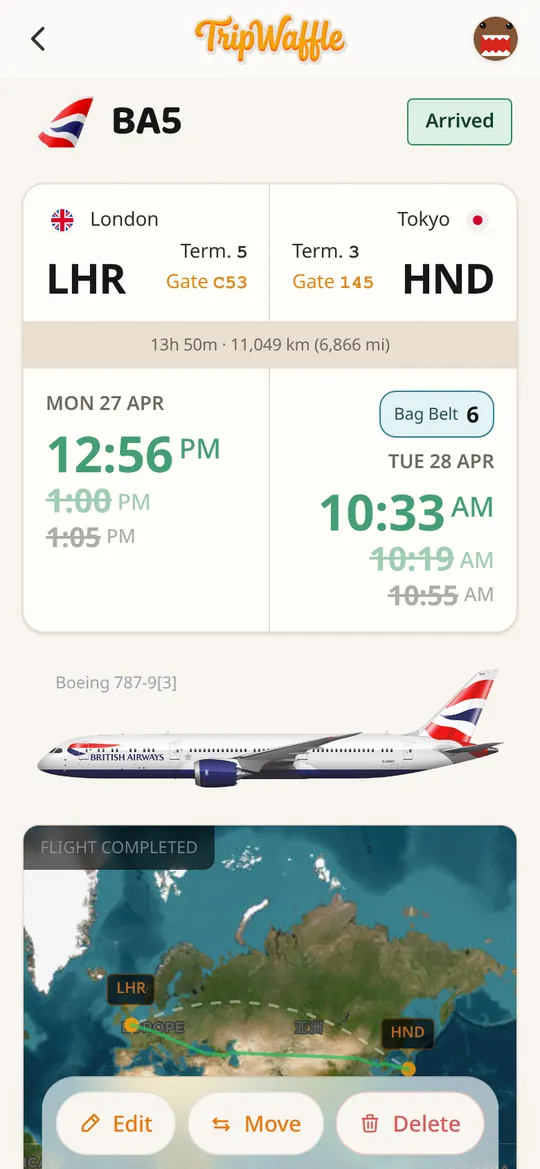
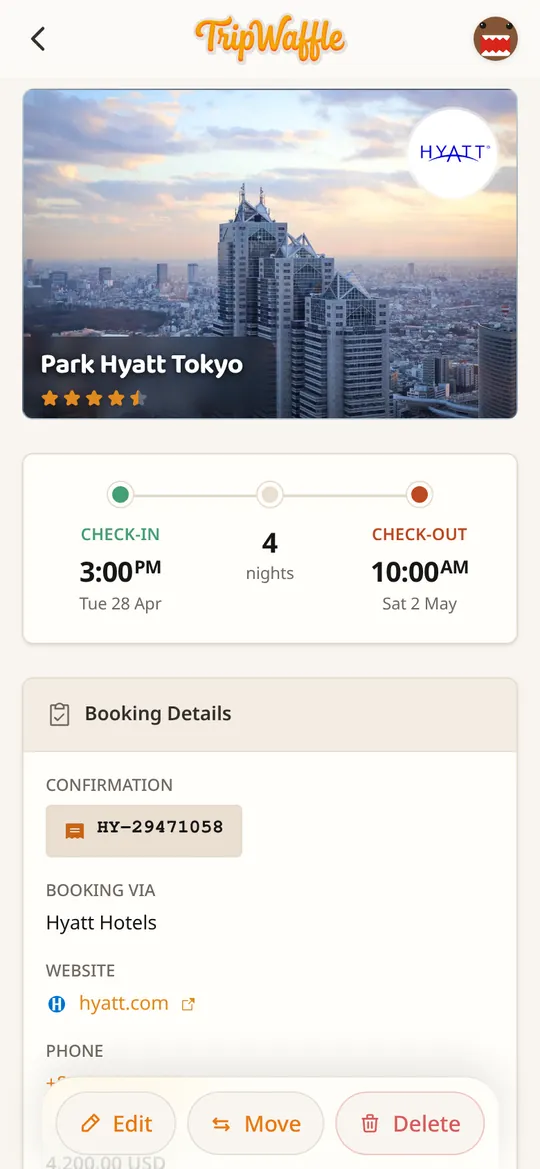
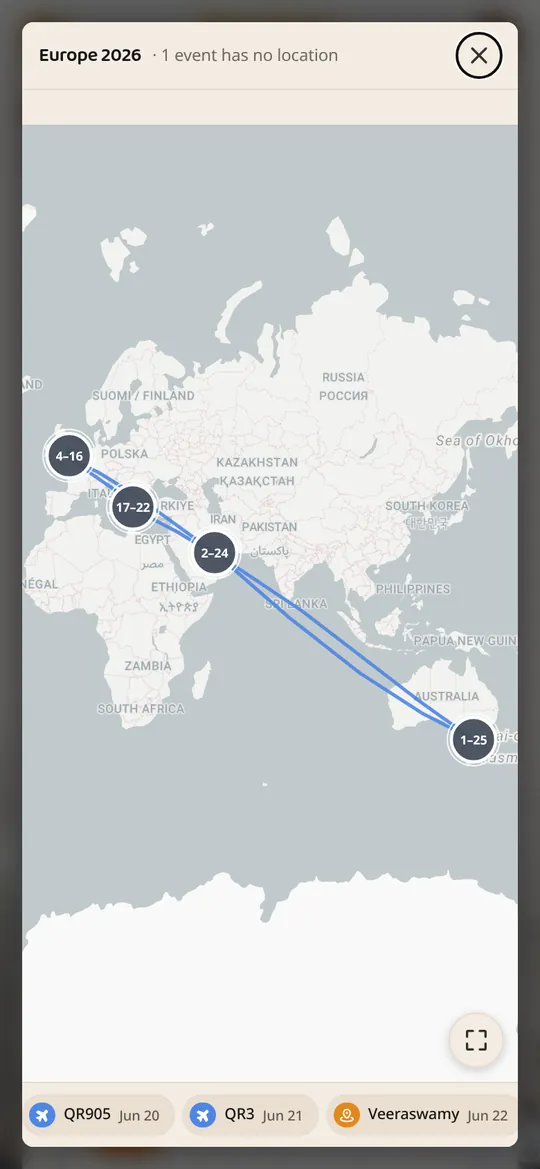
TripWaffle organizes your whole trip in one beautiful itinerary - and watches over it: government advisory alerts, the local emergency number, and entry requirements for Taiwan, plus live flight tracking. Just forward your confirmation emails.


100% free · 3 second signup
Last updated: May 27, 2026