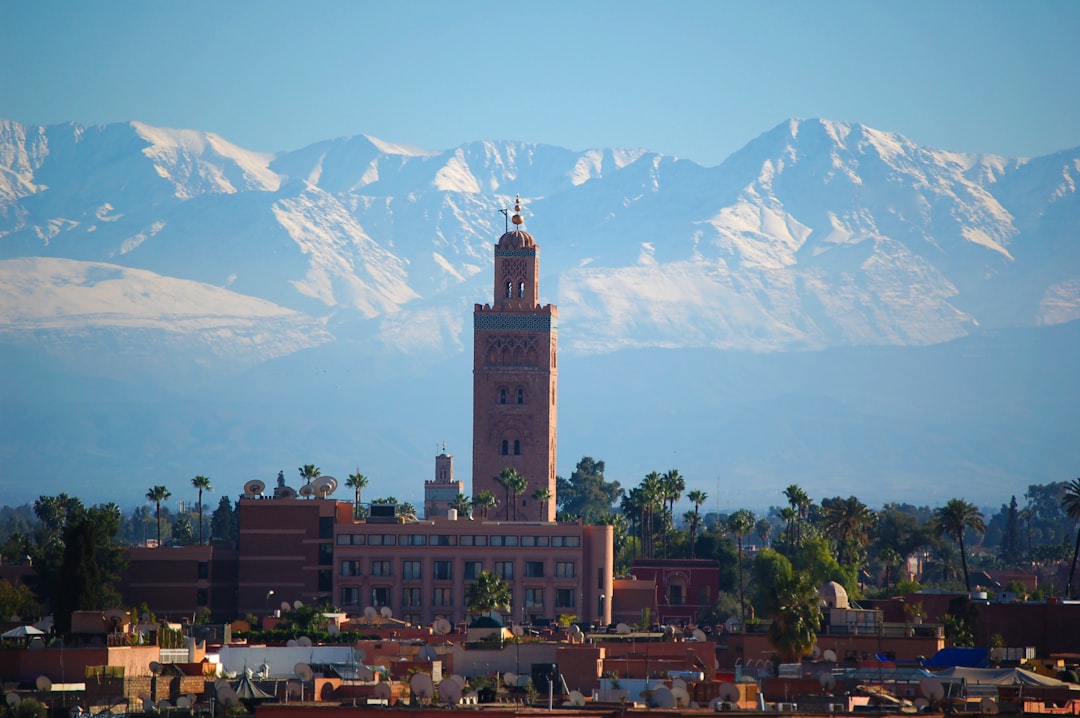
Is Casablanca Safe?
Casablanca is generally manageable for travelers, but it feels busier, grittier, and less visitor-focused than Morocco's main tourist cities. Most problems are petty theft, taxi overcharging, harassment, and late-night street risk rather than serious violence.
Photo: Paul Macallan / Unsplash
Perception vs Reality: Casablanca has a rough reputation, and some areas do feel hectic and worn, but most visitors do not face major crime. The bigger issue is street hassle, theft in crowded areas, and uneven safety after dark.
Risk Scores
Scale: 1 = very low risk, 10 = very high risk
Safety Overview
Overall Safety
Casablanca is not unusually dangerous by big-city standards, but it rewards street awareness. Crowded markets, transit hubs, and quieter streets after dark are the main trouble spots.
Violent Crime
Serious violent crime against visitors is not the main concern, but muggings and confrontations can happen, especially late at night or in isolated areas.
Petty Crime
Pickpocketing, bag theft, and phone snatching are the most common traveler problems. Busy tram stops, markets, and station areas deserve extra attention.
Scams
Taxi meter refusal, inflated fares, fake helpers, and distraction tactics are more common than sophisticated scams. Confirm prices clearly before services start.
Night Safety
Nightlife areas are active, but some central streets empty out and feel less comfortable late. Walking alone after midnight is less advisable outside busy, well-lit zones.
Public Transport
The tram is generally straightforward and among the easier ways to move around. Train stations and busier stops are where theft and unwanted attention are more likely.
Police & Emergency
Police presence is visible in central districts and around key sites, but response can be uneven and language barriers may slow things down. Hotel staff can help if you need to report theft or arrange a taxi.
Day vs Night
Daytime
Daytime is usually straightforward in business, shopping, and hotel districts. Crowds, traffic, and petty theft are the main concerns.
Nighttime
Risk rises after dark, especially on quieter streets, around stations, and if walking alone after nightlife. Busy restaurant and hotel areas are more comfortable than empty side streets.
Seasonal: Summer beachfront crowds can bring more theft and hassle. Ramadan changes daily rhythms, with quieter afternoons and busy evenings; match days and demonstrations can affect movement and street atmosphere.
Who’s Visiting?
Tourists usually face nuisance crime and transport friction rather than targeted violent crime.
Common Risks
- ⚠ Pickpocketing in crowded areas
- ⚠ Taxi overcharging
- ⚠ Fake guides or unsolicited helpers
- ⚠ Phone theft on busy streets
Tips
- ✓ Use the tram or licensed taxis for straightforward city travel
- ✓ Keep your phone off the table and out of your hand near the curb
- ✓ Carry small cash and avoid flashing valuables
- ✓ Be extra alert in the Old Medina, around stations, and at night
Many solo women visit Casablanca without major incident, but catcalling, staring, and persistent attention are common enough to plan around.
Common Risks
- ⚠ Street harassment
- ⚠ Unwanted conversation or following
- ⚠ Taxi disputes
- ⚠ Reduced comfort walking alone at night
Tips
- ✓ Choose busy, well-reviewed accommodation in central or upscale districts
- ✓ Use licensed taxis for late returns instead of walking
- ✓ Dress to local norms if you want to reduce attention
- ✓ Set firm boundaries early and avoid engaging with persistent strangers
Casablanca is one of Morocco's more socially mixed cities, but LGBTQ travelers still face meaningful legal and social risk.
Same-sex sexual activity is illegal in Morocco, and public displays of affection can attract unwanted attention or legal problems. Discretion matters more here than in many large international cities.
Common Risks
- ⚠ Harassment after visible affection
- ⚠ Outing through hotel or social situations
- ⚠ Blackmail or extortion through dating apps
- ⚠ Social hostility in conservative settings
Tips
- ✓ Keep dating app use cautious and verify people carefully
- ✓ Avoid public displays of affection
- ✓ Choose internationally oriented hotels and venues
- ✓ Be careful sharing personal details with new contacts
Families usually do fine in Casablanca if they stay in well-located areas and use practical transport.
Common Risks
- ⚠ Traffic while crossing streets
- ⚠ Crowd-related theft
- ⚠ Late-night noise in busy districts
- ⚠ Beachfront and market hassle
Tips
- ✓ Stay near services in Anfa, Gauthier, or similar central districts
- ✓ Use child hand-holding in crowded markets and stations
- ✓ Prefer daytime sightseeing and early dinners
- ✓ Take taxis when children are tired rather than walking long distances after dark
Casablanca works for short stays and work trips, but petty theft and transport friction are more relevant than major personal safety threats.
Common Risks
- ⚠ Laptop or phone theft from cafes
- ⚠ Taxi fare disputes
- ⚠ Night walks after working late
- ⚠ Scams through casual local contacts
Tips
- ✓ Do not leave devices unattended in cafes or coworking spaces
- ✓ Use accommodation with secure entry and good reviews
- ✓ Work in established business districts rather than isolated spots
- ✓ Plan your route home before late evenings
Crime & Threats
Pickpocketing
MediumCommon in busy shopping streets, the Old Medina, trams, and station areas.
Phone Snatching
MediumA visible phone near traffic or on crowded sidewalks can be an easy target.
Robbery
MediumLess common than theft, but risk rises on quiet streets late at night.
Assault
LowVisitor assaults are not the main pattern, though harassment and occasional confrontations happen.
Drink Spiking
LowNot a defining citywide issue, but normal nightlife precautions still apply in bars and clubs.
Taxi Scams
MediumMeter refusal, inflated luggage or night surcharges, and tourist pricing are recurring complaints.
ATM Skimming
LowUse ATMs attached to banks or malls and avoid help from strangers at the machine.
Tourist Scams
MediumFake help, unsolicited guiding, and distraction setups appear around markets and transport hubs.
Common Scams
Taxi meter refusal
A driver refuses the meter and quotes a high flat fare, often from stations, hotels, or the airport route.
Ask for the meter before entering or agree the price clearly in advance.
Fake helper at station or ATM
Someone offers unsolicited help with tickets, bags, directions, or cash machines, then asks for money or distracts you.
Decline firmly and use official counters, staff, or bank ATMs.
Distraction theft in markets
A bump, spill, or long conversation draws your attention while a wallet or phone is taken.
Keep valuables zipped and do not let strangers crowd you.
Unofficial guide
A person starts guiding you without being asked, then demands payment at the end.
Say no early, do not follow unsolicited guidance, and use maps or licensed guides.
Area Safety
Safer Areas
Central, busy, and popular for restaurants and business travel; generally more comfortable for walking in the day and early evening.
Active shopping and dining area with regular foot traffic and easier access to services.
Upscale residential and business zone with a calmer feel than rougher central pockets.
Popular beachfront strip with hotels, cafes, and nightlife, though still watch belongings at night.
Be More Careful
Crowded lanes and tourist attention make it one of the easier places for pickpockets and pushy touts.
Busy transit area where bag theft, fake help, and phone snatching are more likely, especially after dark.
Major station area with crowd-related theft risk and less comfortable streets late at night.
Very busy market environment where distraction theft and overcharging are more plausible.
Outer district with little reason for most visitors to go and fewer traveler-oriented services.
Getting Around
Walking
Reasonable in active districts during the day, but pavement quality, traffic, and harassment can make long walks tiring. Avoid isolated routes late at night.
Taxis & Rideshare
Licensed petit taxis are common and useful, but fare disputes happen. Ask for the meter or confirm the fare before moving; app-based options can be limited or inconsistent.
Trains & Buses
The tram is one of the easier and safer ways to get around the city. Trains are useful for intercity travel, but keep bags close in stations and on platforms.
Do’s & Don’ts
Do
- Use well-reviewed hotels in central or upscale districts
- Keep bags zipped and phones secure in crowds
- Prefer trams or licensed taxis over wandering unfamiliar areas
- Carry modest cash and a backup card
- Plan your route home before going out at night
Don’t
- Do not assume every taxi will use the meter
- Do not walk alone on quiet streets late if a taxi is easy to get
- Do not leave phones or wallets visible at cafes
- Do not follow unsolicited guides or helpers
- Do not display affection openly if LGBTQ, given the legal and social context
How Does It Compare?
Safer Than
Casablanca sits in the middle range for big-city travel risk: more friction and petty crime than very orderly cities, but far below the highest-risk urban environments.
Frequently Asked Questions
Usually yes, with sensible precautions. The main issues are petty theft, taxi overcharging, and reduced comfort on quiet streets at night.
Some busy areas are fine in the evening, but walking alone late on quiet streets is less advisable. Use licensed taxis for late returns.
Taxi meter refusal, fake helpers at stations or ATMs, distraction theft in markets, and unofficial guides are the most common visitor scams.
Data Notes
- Neighborhood safety can change sharply by block, especially after dark.
- Reliable public crime data and tourist-specific incident reporting are limited.
- Taxi and app-based transport availability can vary by district and time of day.
Other Destinations in Morocco
Traveling to Casablanca?
TripWaffle organizes your entire trip — flights, hotels, trains, events — in one beautiful itinerary. Just forward your confirmation emails.


100% free · 3 second signup
Last updated: March 21, 2026