Is Chefchaouen Safe?
Chefchaouen is generally safe for most travelers and feels calmer than Morocco's biggest tourist cities. Violent crime against visitors is uncommon, but petty theft, pushy touts, cannabis-related approaches, and nighttime navigation on quiet, steep streets are the main issues.
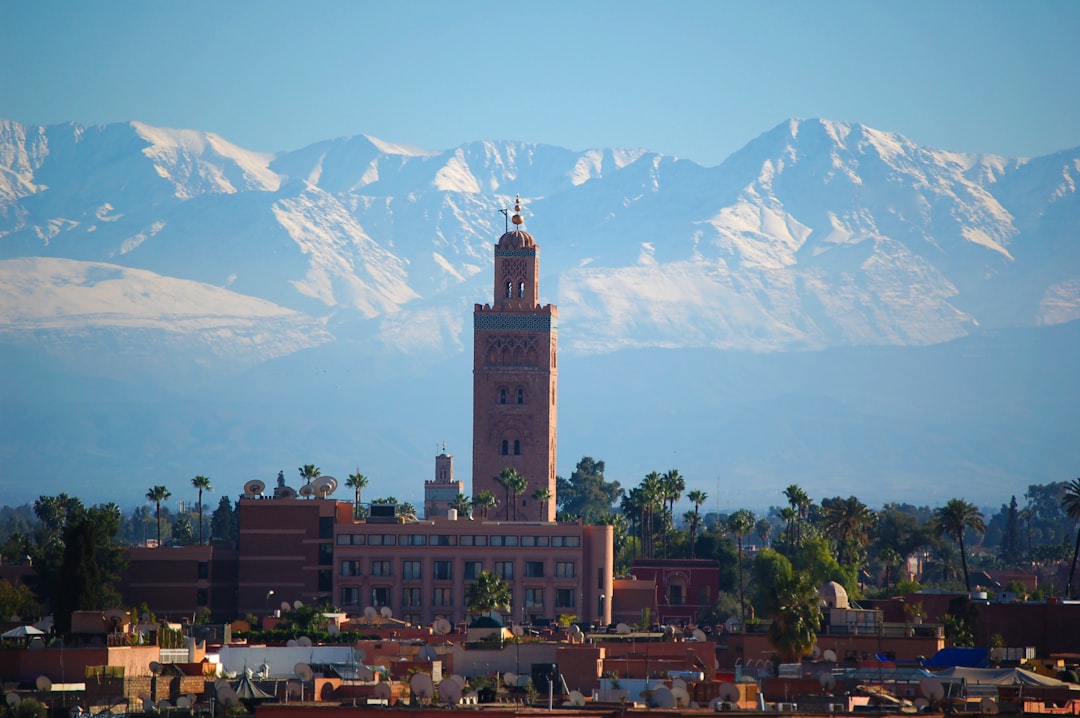
Photo: Paul Macallan / Unsplash
Perception vs Reality: Chefchaouen's relaxed blue-city image is mostly deserved, but it is not risk-free: tourist hassle, petty theft, and conservative social norms still matter.
Risk Scores
Scale: 1 = very low risk, 10 = very high risk
Safety Overview
Overall Safety
Chefchaouen is one of Morocco's more relaxed tourist cities, with low violent crime and a manageable street-safety profile. Most issues involve petty theft, unwanted guiding, and nuisance approaches rather than serious violence.
Violent Crime
Violent crime affecting visitors is uncommon. Problems are more likely to be opportunistic theft or harassment than armed robbery or assault.
Petty Crime
Pickpocketing and bag theft can happen in the medina, around viewpoints, bus areas, and crowded squares. Keep phones and wallets secure in busy spots.
Scams
Common hassles include unofficial guides, inflated taxi fares, and people steering tourists to shops or cannabis offers. A polite but firm no usually works better than engaging.
Night Safety
The center is usually calm in the evening, but streets get quiet early and the medina's steep lanes can feel isolated. Extra care is sensible on dark paths, viewpoints, and after late arrivals.
Public Transport
Chefchaouen has limited local transport and many visitors walk. Intercity buses and shared taxis are generally usable, but protect luggage and agree taxi prices before starting.
Police & Emergency
Tourist areas usually have visible police presence. In practice, help is easier to find in central areas like Plaza Uta el-Hammam than on isolated trails or outskirts.
Day vs Night
Daytime
Daytime is generally comfortable, especially in the medina, main square, and popular photo areas. Petty theft and tourist hassle are the main concerns.
Nighttime
Evenings are usually calm, but the city quiets down early and dark hillside routes or outer lanes feel more isolated. Late arrivals should plan their route to accommodation in advance.
Seasonal: Spring and holiday periods bring larger crowds, which can increase pickpocketing, overcharging, and accommodation confusion. Rain can make stone steps slippery.
Who’s Visiting?
Most tourists visit without major trouble, especially by day in the medina and main square. The main annoyances are petty theft, overcharging, and unsolicited guiding or cannabis-related approaches.
Common Risks
- ⚠ Unofficial guides
- ⚠ Taxi overcharging
- ⚠ Pickpocketing in crowded areas
- ⚠ Cannabis offers and pressure to follow someone
- ⚠ Luggage vulnerability near bus arrivals
Tips
- ✓ Use a crossbody bag and keep valuables zipped
- ✓ Decline guide offers clearly and keep walking
- ✓ Confirm taxi fare before getting in
- ✓ Use official or well-reviewed accommodation transfers when arriving late
- ✓ Stick to busy routes when heading to viewpoints
Chefchaouen is easier than some larger Moroccan cities, but solo women may still face staring, comments, or persistent attention, especially when walking alone at night or on less busy routes.
Common Risks
- ⚠ Street harassment
- ⚠ Persistent conversation from strangers
- ⚠ Isolation on hillside paths or dark lanes
- ⚠ Pressure from unofficial guides
Tips
- ✓ Prefer busy streets and central accommodation
- ✓ Avoid isolated walks to viewpoints after dark
- ✓ Dress modestly to reduce unwanted attention
- ✓ Do not share hotel details with strangers
- ✓ If someone keeps following, step into a shop or cafe
Chefchaouen is tourist-friendly in parts, but LGBTQ travelers should expect a conservative social environment and should be discreet in public.
Same-sex sexual activity is illegal in Morocco, and public attitudes are generally conservative. Legal risk is more significant than in many European destinations, even if day-to-day tourist interactions may remain polite.
Common Risks
- ⚠ Negative attention to public displays of affection
- ⚠ Conservative reactions outside tourist settings
- ⚠ Privacy concerns in smaller guesthouses
Tips
- ✓ Avoid public displays of affection
- ✓ Choose well-reviewed, tourist-oriented accommodation
- ✓ Keep relationship details private with unfamiliar locals
- ✓ Use discretion in nightlife and private social invitations
Chefchaouen works well for families thanks to its relaxed pace and walkable core, but the medina has steep steps, uneven surfaces, and occasional motorbike traffic in narrow lanes.
Common Risks
- ⚠ Children getting separated in crowded lanes
- ⚠ Trips and falls on steep or wet steps
- ⚠ Petty theft in busy squares
- ⚠ Limited stroller-friendly routes
Tips
- ✓ Set a meeting point in Plaza Uta el-Hammam
- ✓ Use child carriers instead of strollers where possible
- ✓ Watch children on stairs and around rooftop terraces
- ✓ Carry water and sun protection in warmer months
Chefchaouen is peaceful for short stays, but it is more of a slow-travel town than a full digital-nomad hub. Security concerns are moderate and mostly about device theft in public spaces and patchy transport logistics.
Common Risks
- ⚠ Phone or laptop theft if left unattended
- ⚠ Wi-Fi reliability varying by riad or cafe
- ⚠ Late-night walks on quiet streets
- ⚠ Transport delays or luggage mix-ups on intercity routes
Tips
- ✓ Check recent Wi-Fi reviews before booking
- ✓ Do not leave devices unattended in cafes
- ✓ Back up work before bus travel
- ✓ Stay near the medina center if working late
Crime & Threats
Pickpocketing
MediumModerate risk in the medina, main square, and crowded viewpoints, especially in high season.
Phone Snatching
LowLess common than in larger Moroccan cities, but avoid holding your phone loosely near traffic or busy steps.
Robbery
LowRobbery against tourists is uncommon, though isolated areas and late-night walks raise risk.
Assault
LowAssault risk for visitors is generally low, with harassment a more common issue than physical violence.
Drink Spiking
LowNightlife is limited, so this is not a standout risk, but keep drinks in sight in bars or social settings.
Taxi Scams
MediumFare inflation and vague pricing can happen, especially for newcomers or late arrivals.
ATM Skimming
LowNot a major reported issue, but indoor bank ATMs are safer than standalone machines.
Tourist Scams
MediumCommon tactics include unofficial guiding, shop detours, and offers linked to cannabis or photo spots.
Common Scams
Unofficial guide
Someone starts helping with directions, then demands payment or leads you to a shop.
Decline firmly at the start and use offline maps for navigation.
Taxi fare inflation
A driver avoids using a meter or gives a vague price, then charges extra at the end.
Agree the fare before the ride and carry small notes.
Cannabis approach
A friendly local offers hashish or invites you to a hidden spot, sometimes leading to pressure, overcharging, or theft risk.
Do not follow strangers to secluded places and end the conversation quickly.
Shop detour
A person offers to show a viewpoint or shortcut, then steers you into a relative's shop for a sales pitch.
Keep to your planned route and politely refuse stopovers.
Area Safety
Safer Areas
Central, busy, and usually the easiest place to find help, taxis, and open cafes.
Well-trafficked tourist core with steady foot traffic during the day and evening.
Popular with visitors and locals in daylight, with regular activity and vendors nearby.
Be More Careful
Watch bags and taxi pricing around arrivals and departures, especially if you look newly arrived.
Less foot traffic, poor lighting, and more isolation than the center.
Quiet, steep, and confusing to navigate, which increases vulnerability and nuisance encounters.
Getting Around
Walking
Walking is the main way to get around, but expect steep slopes, steps, and uneven pavement. Good footwear matters, especially after rain or at night.
Taxis & Rideshare
Petit taxis are available, but rideshare coverage is limited or unreliable. Confirm fare before departure and avoid getting into arguments once the ride starts.
Trains & Buses
Chefchaouen has no train station, so most arrivals are by bus or shared taxi. Keep luggage close, label bags clearly, and be cautious with unsolicited help at transport points.
Do’s & Don’ts
Do
- Keep cash, passport, and phone secured in zipped pockets or a crossbody bag
- Stay in or near the central medina if arriving after dark
- Use offline maps to avoid depending on strangers for directions
- Agree taxi prices in advance
- Choose busy routes to viewpoints and return before dark
Don’t
- Do not follow strangers to isolated places for photos, shortcuts, or cannabis
- Do not leave bags or phones on cafe tables unattended
- Do not flash cash in crowded tourist areas
- Do not assume quiet streets are safer at night just because the city feels relaxed
- Do not rely on strollers in steep medina lanes without backup
How Does It Compare?
Frequently Asked Questions
Yes, generally. Most visitors face only minor issues such as petty theft, overcharging, or persistent touts.
The center is usually calm, but quieter outer lanes, hillside viewpoints, and dark routes are less comfortable after dark.
Usually yes with planning, but street harassment and unwanted attention can occur, especially on isolated routes or at night.
Data Notes
- Reliable neighborhood-level crime data for Chefchaouen is limited compared with larger cities.
- Risk can rise during peak tourist periods, around transport hubs, and on isolated hillside paths, but reporting is inconsistent.
- LGBTQ safety depends heavily on discretion and social setting; legal and social risk is clearer than incident data specific to Chefchaouen.
Other Destinations in Morocco
Traveling to Chefchaouen?
TripWaffle organizes your entire trip — flights, hotels, trains, events — in one beautiful itinerary. Just forward your confirmation emails.


100% free · 3 second signup
Last updated: March 21, 2026