Is Marrakech Safe?
Marrakech is usually manageable for travelers, but it is not a low-friction city. The main issues are persistent scams, touts, overcharging, and petty theft in the Medina rather than serious violence against visitors.
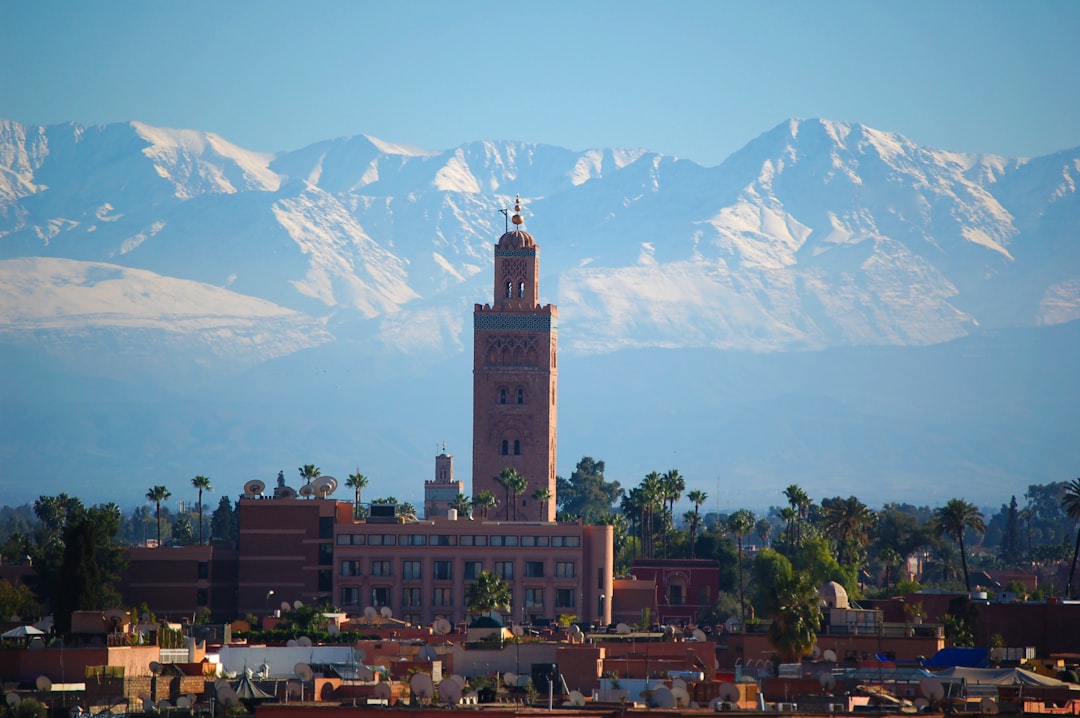
Photo: Paul Macallan / Unsplash
Perception vs Reality: Marrakech can feel more dangerous than it is because of aggressive hustling and confusing streets. In reality, most visitors do fine if they stay alert in the Medina, use licensed transport, and avoid isolated alleys late at night.
Risk Scores
Scale: 1 = very low risk, 10 = very high risk
Safety Overview
Overall Safety
Most trips to Marrakech are trouble-free, but the city rewards attention and confidence. Tourist-targeted scams and nuisance harassment are more common than violent crime.
Violent Crime
Serious violence against tourists is not the main concern. Opportunistic theft, intimidation, or rare muggings are more likely than random assault.
Petty Crime
Pickpocketing and bag theft happen in crowded souks, Jemaa el-Fna, and transit areas. Keep phones and wallets out of easy reach.
Scams
Expect fake guides, inflated taxi fares, henna or photo-price disputes, and shop detours disguised as help. Clear refusals and pre-agreed prices help.
Night Safety
Busy main areas stay active after dark, but narrow Medina alleys become harder to navigate and feel less comfortable. Use a known route or arranged transport at night.
Public Transport
City buses are cheap but not very tourist-friendly. Petit taxis are practical if the meter is used or the fare is agreed before departure.
Police & Emergency
Police presence is stronger around major tourist areas, and tourist police may assist in central zones. Hotels and riads are often the easiest first point of help if something goes wrong.
Day vs Night
Daytime
Daytime is generally manageable, especially in busy tourist areas. Crowds, scams, and heat are more likely problems than serious crime.
Nighttime
Main squares and restaurant areas stay lively, but the Medina becomes harder to navigate and less comfortable once quieter side lanes empty out. Late-night walks through unfamiliar alleys are best avoided.
Seasonal: Summer heat can be intense and affects comfort and judgment. Peak tourist periods and major holidays increase crowds, pressure selling, and taxi demand.
Who’s Visiting?
Tourists are more likely to face scams, overcharging, and direction-related hustling than violent crime.
Common Risks
- ⚠ Fake guides in the Medina
- ⚠ Taxi overcharging
- ⚠ Pickpocketing in crowded squares and souks
- ⚠ Price disputes for photos, henna, or street services
Tips
- ✓ Use licensed guides for tours inside the Medina
- ✓ Carry small cash and confirm prices before any service
- ✓ Keep your riad address saved offline in French and Arabic if possible
- ✓ Walk away from persistent sellers instead of arguing
Solo women can travel in Marrakech, but street harassment and persistent attention are common, especially in busy market areas and at night.
Common Risks
- ⚠ Catcalling and unsolicited comments
- ⚠ Men offering directions and then demanding payment
- ⚠ Discomfort in isolated Medina alleys after dark
- ⚠ Pressure from vendors or informal guides
Tips
- ✓ Prefer well-reviewed riads with easy access to main streets
- ✓ Use taxis for late returns instead of walking through quiet alleys
- ✓ Dress modestly if you want to reduce unwanted attention
- ✓ Ignore unsolicited escorts and ask your accommodation for directions
LGBTQ travelers visit Marrakech, but discretion is important because legal and social risks are higher than in many Western cities.
Same-sex sexual activity is illegal in Morocco, and public attitudes are generally conservative. High-end hotels and tourist venues may feel more relaxed, but public displays of affection can draw unwanted attention.
Common Risks
- ⚠ Unwanted attention to public affection or gender nonconformity
- ⚠ Conservative reactions in non-tourist settings
- ⚠ Privacy concerns with casual encounters or unfamiliar hosts
Tips
- ✓ Keep affection private in public spaces
- ✓ Choose established hotels or riads with strong reviews
- ✓ Use discretion on dating apps and meet only in public venues first
- ✓ Stay in more international areas such as Gueliz or Hivernage if you want a more relaxed atmosphere
Marrakech works well for families staying in reputable accommodations, but traffic, crowds, and heat require planning.
Common Risks
- ⚠ Traffic when crossing streets
- ⚠ Children getting separated in souks
- ⚠ Heat and dehydration in warmer months
- ⚠ Pushy sales tactics around major attractions
Tips
- ✓ Use child ID bands or a meeting point plan in the Medina
- ✓ Schedule outdoor sightseeing early or late in hot weather
- ✓ Book family-friendly riads or hotels with easy vehicle access
- ✓ Keep snacks, water, and sun protection with you
Marrakech is workable for remote work, especially in Gueliz, but the Medina is less convenient for daily logistics and late-night walking.
Common Risks
- ⚠ Laptop or phone theft in cafés if left unattended
- ⚠ Taxi overcharging
- ⚠ Navigation issues in the Medina
- ⚠ Variable Wi-Fi quality in older riads
Tips
- ✓ Base yourself in Gueliz or a well-reviewed riad with strong Wi-Fi
- ✓ Avoid displaying expensive gear while walking in crowded areas
- ✓ Use a hotspot or backup SIM for work reliability
- ✓ Take taxis back at night if staying deep inside the Medina
Crime & Threats
Pickpocketing
MediumCommon in Jemaa el-Fna, souks, and crowded transit points, especially when distracted by performers or vendors.
Phone Snatching
MediumLess common than pickpocketing but possible in busy areas and from distracted pedestrians holding phones openly.
Robbery
LowStreet robbery is not the main tourist risk, though isolated alleys late at night raise the chance of intimidation or theft.
Assault
LowRandom assault against visitors is uncommon. Most negative encounters involve harassment, aggressive selling, or arguments over money.
Drink Spiking
LowNot a dominant citywide issue, but standard nightlife precautions still apply in bars, clubs, and private invitations.
Taxi Scams
HighDrivers may refuse the meter, quote inflated fares, or add charges for luggage or late hours.
ATM Skimming
LowNot among the top reported tourist problems, but use bank ATMs or machines inside malls and banks when possible.
Tourist Scams
HighFake guides, forced shop detours, henna pricing tricks, and payment demands for photos are frequent tourist complaints.
Common Scams
Fake guide or helpful local
Someone offers directions through the Medina, then demands payment or leads you to a shop for commission.
Decline firmly, use offline maps, and book official guides if you want help navigating.
Taxi no-meter fare inflation
A driver refuses the meter and quotes an inflated price, especially from tourist areas or at night.
Confirm meter use before entering or agree the total fare clearly in advance.
Henna or street performance charge
A henna artist starts without clear consent, or performers allow a photo and then demand a high payment.
Ask the exact price first and avoid any service you did not actively request.
Shop detour commission scam
A stranger says a street is closed or your destination is far, then steers you to a shop or tannery.
Keep walking unless your accommodation confirms the route change.
Wrong change or inflated market pricing
A seller quotes one amount, then claims a different one or returns less change in a busy transaction.
Carry small notes, count change immediately, and settle the price before handing over cash.
Area Safety
Safer Areas
Modern district with wider streets, easier navigation, more routine taxi access, and many cafés and hotels.
Upscale hotel area with more visible security, nightlife venues, and easier vehicle access.
Generally easier if you stay close to busy lanes and reputable riads rather than deep, quiet alleys.
Be More Careful
Crowded, distracting, and a common spot for pickpocketing, scams, and price disputes.
Poor navigation, fewer bystanders, and greater chance of feeling pressured or targeted by touts.
Overcharging and fare disputes are more common where drivers expect short tourist rides.
Getting Around
Walking
Walking is fine in Gueliz and on main Medina routes during the day, but the Medina can be confusing and tiring. Use offline maps and avoid wandering into quiet alleys late at night.
Taxis & Rideshare
Petit taxis are useful, but fare disputes are common. Ask for the meter or agree the price before getting in; higher-end hotels can call more reliable cars.
Trains & Buses
Local buses are cheap but not easy for most visitors. The train station is generally straightforward for intercity travel, while bus use inside the city is less convenient than taxis.
Do’s & Don’ts
Do
- Keep your phone and wallet secured in crowded markets
- Carry small cash and know approximate taxi fares
- Save your accommodation location offline
- Use main streets and established entrances in the Medina
- Book guides, excursions, and airport transfers through reputable providers
Don’t
- Do not follow strangers offering shortcuts or free help
- Do not flash cash, jewelry, or expensive camera gear unnecessarily
- Do not walk alone through quiet Medina alleys late at night if unsure of the route
- Do not agree to a taxi ride without meter or clear price
- Do not assume a photo, henna application, or street interaction is free
How Does It Compare?
Safer Than
Riskier Than
Compared with many big tourist cities, Marrakech usually has lower violent-crime exposure for visitors but more persistent hustling, overcharging, and scam pressure.
Frequently Asked Questions
Usually yes, but tourists often deal with scams, overcharging and petty theft, especially in the Medina and Jemaa el-Fna.
Main tourist areas stay busy, but quiet Medina alleys are less comfortable and harder to navigate after dark.
Fake guides, taxi fare inflation, henna or photo-payment disputes, and shop detours are among the most common.
Data Notes
- Risk can change sharply between the busy Medina, modern districts like Gueliz, and quieter residential streets.
- Scam intensity varies by season, crowd levels, and how visibly touristy a visitor appears.
- LGBTQ comfort levels differ widely by venue; legal risk is clear, but social enforcement can be inconsistent.
Explore Areas in Marrakech
Other Destinations in Morocco
Traveling to Marrakech?
TripWaffle organizes your entire trip — flights, hotels, trains, events — in one beautiful itinerary. Just forward your confirmation emails.


100% free · 3 second signup
Last updated: March 21, 2026