
Is Norway Safe?
Norway is one of the safer countries in Europe for most travelers, with low violent crime and generally reliable public transport. The main issues are petty theft in busy urban areas, late-night disorder around bars, and seasonal hazards such as winter ice, darkness, and remote-area travel conditions.
Photo: Michael Fousert / Unsplash
Perception vs Reality: Norway is very safe by global standards, but city-center theft and alcohol-related incidents still happen, especially in Oslo late at night.
Risk Scores
Scale: 1 = very low risk, 10 = very high risk
Safety Overview
Overall Safety
Norway is a low-crime destination with strong institutions and a high general sense of safety. Most visits are trouble-free, especially outside nightlife zones and crowded transport hubs.
Violent Crime
Serious violence affecting travelers is uncommon. Most incidents visitors encounter are linked to drunken disputes rather than targeted attacks.
Petty Crime
Petty theft is the most likely crime tourists may face, mainly in Oslo and other busy city centers. Bags, phones, and wallets are most at risk in stations, nightlife streets, and crowded attractions.
Scams
Scam levels are low compared with many European destinations. The main issues are occasional taxi overcharging, distraction theft, and online booking or payment fraud.
Night Safety
Nighttime is generally safe in well-lit central areas, but risk rises around bars, clubs, and transport hubs after midnight. Intoxicated groups are a more common issue than predatory street crime.
Public Transport
Trains, metros, buses, and ferries are typically safe, clean, and well used. Watch belongings on busy urban routes and late-night services.
Police & Emergency
Police are generally professional and English is widely spoken. Emergency response is reliable in cities; use 112 for police if needed.
Day vs Night
Daytime
Daytime is very safe in most of Norway, including city centers, public transport, and tourist areas. Normal anti-theft habits are usually enough.
Nighttime
Night remains relatively safe, but risk increases around bars, clubs, central stations, and quiet streets after the last transport services. Intoxicated behavior is a more common issue than targeted crime.
Seasonal: Winter brings ice, darkness, and transport disruption, which can create more practical risk than crime. Summer festivals, national celebrations, and weekend nightlife can mean heavier drinking, crowded transit, and more petty theft.
Who’s Visiting?
Tourists are unlikely to face serious safety problems in Norway. The main concerns are petty theft in cities, nightlife disorder, and weather-related travel disruption.
Common Risks
- ⚠ Pickpocketing in Oslo transport hubs and busy shopping streets
- ⚠ Late-night drunken behavior near bars and clubs
- ⚠ Taxi overcharging if using unbooked cars
- ⚠ Slips and falls on ice in winter
Tips
- ✓ Keep valuables zipped away in stations, airports, and tram or metro crowds
- ✓ Use taxi apps or official taxi ranks, especially at night
- ✓ Plan for winter conditions with proper footwear and extra travel time
- ✓ Do not leave bags or phones unattended in cafes or hotel lobbies
Norway is one of the safer destinations in Europe for solo women, including in major cities. Most issues are situational, especially around nightlife and isolated areas late at night.
Common Risks
- ⚠ Harassment from intoxicated people near bars
- ⚠ Uncomfortable encounters on late-night transport
- ⚠ Walking alone through quiet parks or station areas after midnight
Tips
- ✓ Choose well-lit streets and busy routes after dark
- ✓ Use booked taxis or rideshare where available after nights out
- ✓ Watch drinks in bars even though drink spiking is uncommon
- ✓ If staying in a smaller town, check late-night transport options in advance
Norway is among the more LGBTQ-friendly countries in Europe, and major cities are generally welcoming. Legal risk is very low, though social comfort can vary slightly by setting.
Same-sex relationships are legal and broadly accepted, with anti-discrimination protections in place. Oslo and other larger cities are usually very comfortable; smaller or more conservative settings may feel less openly expressive but are rarely hostile.
Common Risks
- ⚠ Occasional verbal harassment from intoxicated individuals
- ⚠ Lower visibility and fewer dedicated venues outside larger cities
Tips
- ✓ Urban centers like Oslo, Bergen, and Trondheim are the easiest places for visible expression
- ✓ Nightlife is usually the only setting where minor hostility is more likely
- ✓ Use the same late-night precautions you would in any bar district
Norway is a strong destination for families, with low crime and orderly public spaces. Practical safety concerns are more often weather, water, and transport timing than crime.
Common Risks
- ⚠ Children slipping on ice in winter
- ⚠ Crowds at stations, ferries, and popular attractions
- ⚠ Remote drives and changing weather in rural areas
Tips
- ✓ Dress for changing weather and carry layers even in summer
- ✓ Keep children close near ferry docks, waterfronts, and train platforms
- ✓ Book transport early in peak summer periods to avoid last-minute stress
- ✓ Use child seats and winter-ready transport when driving
Norway is safe for remote workers, with low street crime and dependable infrastructure. The main safety issues are unattended devices in public places and high costs that can push people toward poor booking choices.
Common Risks
- ⚠ Laptop or phone theft if left unattended in cafes or coworking spaces
- ⚠ Booking fraud through unofficial rental listings
- ⚠ Late-night walks from transit in quieter neighborhoods
Tips
- ✓ Do not leave devices unattended, even in low-crime settings
- ✓ Use established booking platforms and verify short-term rentals carefully
- ✓ Choose accommodation near your main transit line in winter
- ✓ Back up devices and use normal public Wi-Fi security habits
Crime & Threats
Pickpocketing
MediumMost likely in Oslo around Oslo S, trams, shopping streets, and tourist-heavy areas. Risk is much lower in smaller towns.
Phone Snatching
LowLess common than in many European capitals, but phones can be taken opportunistically in nightlife areas or if left on cafe tables.
Robbery
LowStreet robbery affecting travelers is uncommon. Risk is slightly higher late at night around intoxicated crowds in larger cities.
Assault
LowAssaults are usually linked to nightlife disputes rather than random attacks on visitors. Avoid arguments with drunk groups.
Drink Spiking
LowReported but not a major pattern. Standard bar precautions are sensible, especially in busy nightlife districts.
Taxi Scams
LowLicensed taxis are generally reliable, but some visitors report inflated fares from unbooked pickups, especially near airports or nightlife areas.
ATM Skimming
LowCash fraud is not a major issue, but use bank-operated ATMs and shield your PIN. Norway is highly card-based.
Tourist Scams
LowCompared with many destinations, tourist-targeted scams are limited. Most problems are online booking fraud or small-scale distraction theft.
Common Scams
Unbooked taxi overcharging
A driver quotes vaguely or uses an expensive route, leaving the passenger with a much higher fare than expected.
Use official taxi apps or ranks and ask about pricing before departure if not using a metered ride.
Distraction theft at stations
Someone asks for help, directions, or signatures while an accomplice targets a bag, wallet, or phone.
Keep valuables zipped and in front of you, especially at Oslo S, airports, and crowded tram or metro stops.
Fake accommodation listings
A fraudulent host advertises a rental, asks for payment outside a platform, then disappears or the property does not exist.
Book through established platforms, avoid bank transfers to strangers, and verify reviews and address details.
Area Map
Approximate locations from public sources. Conditions vary by time of day and current events.
Area Safety
Safer Areas
These areas generally have very low crime, less nightlife disorder, and a strong local sense of order.
Usually calm and well-trafficked, with low levels of tourist-focused petty crime.
Both are typically safe, walkable, and lower risk than larger European city centers.
Be More Careful
Busy transport hub where pickpocketing, intoxicated loitering, and late-night nuisance are more likely.
Crowds, heavy drinking, and opportunistic theft increase after bars close.
Generally safe, but disorder and minor theft rise around clubs, bars, and taxi queues.
Getting Around
Walking
Walking is generally safe in cities and towns. After dark, stick to lit streets in nightlife areas and be mindful of ice in winter.
Taxis & Rideshare
Use official taxi ranks, hotel bookings, or trusted apps. Taxis are safe but expensive; confirm the vehicle and avoid informal offers.
Trains & Buses
Public transport is among the safest ways to get around. Keep bags close on busy urban lines and check schedules carefully in rural areas or bad weather.
Do’s & Don’ts
Do
- Keep wallets and phones secure in busy city centers and stations
- Use official taxis or booked rides at night
- Plan for winter walking with proper shoes and extra time
- Stay in well-lit areas after bars close
- Check weather and transport conditions when heading to remote areas
Don’t
- Do not leave phones, bags, or laptops unattended in cafes or on trains
- Do not assume late-night station areas are risk-free just because Norway is generally safe
- Do not get into unbooked cars offering rides
- Do not underestimate winter darkness, ice, or long rural travel times
- Do not get drawn into arguments with intoxicated groups
How Does It Compare?
Frequently Asked Questions
Yes. Norway is very safe for most tourists, with low violent crime and reliable public transport. Petty theft is the main urban risk.
Mostly yes, especially in central, well-lit areas. Be more careful around Oslo S, bar streets, and taxi queues after midnight.
Yes. Norway is one of the safer European destinations for solo women, though normal late-night and nightlife precautions still make sense.
Data Notes
- This is a country-level profile; risk varies between Oslo, smaller cities, and rural regions.
- Crime risk is generally low, but winter weather and remote travel hazards can be more significant than crime and are not fully reflected in the crime scores.
- Neighborhood reputations in Oslo can change over time, so local conditions may differ from broad national patterns.
Traveling to Norway?
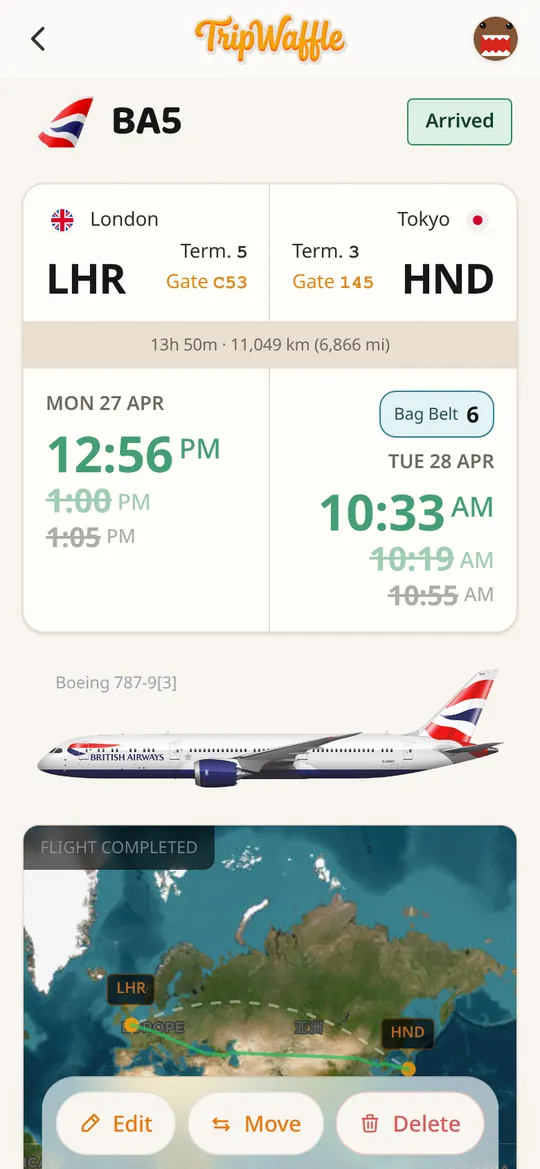
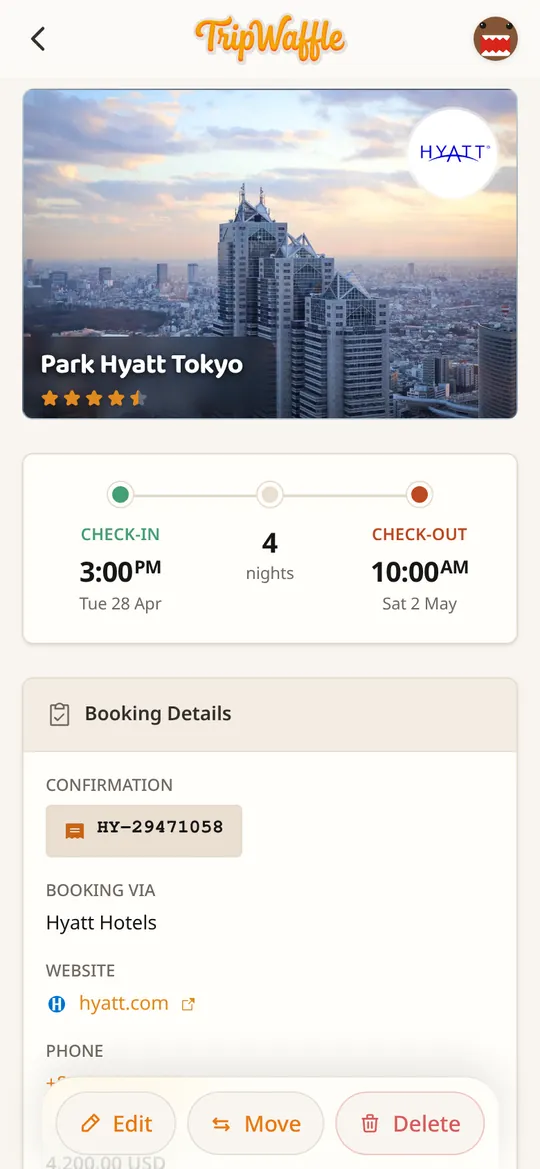
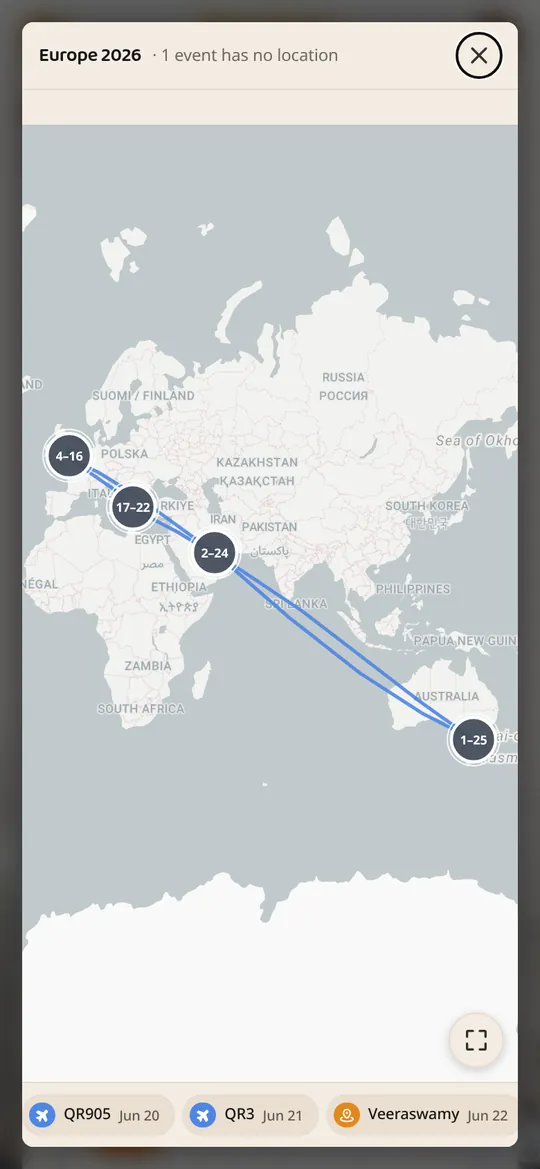
TripWaffle organizes your whole trip in one beautiful itinerary - and watches over it: government advisory alerts, the local emergency number, and entry requirements for Norway, plus live flight tracking. Just forward your confirmation emails.


100% free · 3 second signup
Last updated: May 27, 2026