
Is Slovenia Safe?
Slovenia is one of the safer countries in Europe for most travelers, with low violent crime and a generally orderly public environment. The main issues for visitors are occasional pickpocketing in tourist areas, car break-ins at popular stops, and late-night problems around bars and transport hubs.
Photo: Neven Krcmarek / Unsplash
Perception vs Reality: Some travelers still associate Slovenia with broader Balkan instability, but the country is typically calm, well-managed, and much safer than that reputation suggests.
Risk Scores
Scale: 1 = very low risk, 10 = very high risk
Safety Overview
Overall Safety
Slovenia is broadly very safe for tourists, including independent travelers. Most visits are trouble-free if you use normal city and nightlife precautions.
Violent Crime
Violent crime affecting visitors is uncommon. Most safety issues are opportunistic rather than confrontational.
Petty Crime
Petty theft can happen in crowded tourist spots, transport hubs, and busy summer areas, but it is not a dominant problem. Unattended bags and visible valuables in cars are the main targets.
Scams
Tourist scams are limited compared with many European destinations. The more realistic issues are taxi overcharging, dynamic currency conversion at ATMs, and online accommodation fraud.
Night Safety
City centers are usually manageable at night, especially in Ljubljana, but risk rises around nightlife zones, intoxicated crowds, and poorly lit station areas. Solo travelers should prefer licensed transport after late hours.
Public Transport
Public transport is generally safe and straightforward. Keep an eye on bags at major stations and on crowded buses or trains.
Police & Emergency
Police are generally reliable and the emergency number is 112. English is commonly workable in tourist areas and major cities.
Day vs Night
Daytime
Daytime risk is very low in most of Slovenia, including major tourist areas. Main issues are crowd-related theft and unattended property.
Nighttime
Night remains relatively safe by European standards, but risk increases around bars, clubs, station areas, and isolated streets after midnight.
Seasonal: Summer brings bigger crowds in Ljubljana, Bled, and the coast, increasing petty theft risk. Festivals and major events can also raise late-night disorder and transport-hub theft.
Who’s Visiting?
Slovenia is easy to navigate and low-risk for visitors. Most tourist safety issues involve theft from cars, crowded attractions, and nightlife-related lapses.
Common Risks
- ⚠ Pickpocketing in busy tourist zones
- ⚠ Car break-ins at scenic stops or parking lots
- ⚠ Taxi overcharging in limited cases
- ⚠ Booking scams on unofficial rental listings
Tips
- ✓ Keep valuables zipped and close in Ljubljana, Bled, and Piran during peak season
- ✓ Do not leave bags, passports, or electronics visible in parked cars
- ✓ Use official taxi apps, licensed taxis, or pre-booked rides
- ✓ Book accommodation through established platforms or verified providers
Slovenia is generally comfortable for solo women, including in cities and on public transport. The main concerns are late-night drunken behavior and isolated walks after nightlife.
Common Risks
- ⚠ Unwanted attention in bars or clubs
- ⚠ Harassment from intoxicated people late at night
- ⚠ Reduced comfort around station areas after dark
Tips
- ✓ Use a taxi or rideshare after a late night rather than walking back alone
- ✓ Watch drinks in bars and avoid leaving them unattended
- ✓ Choose central, well-reviewed accommodation
- ✓ If hiking alone, share your route and expected return time
Slovenia is relatively safe for LGBTQ+ travelers, especially in Ljubljana and other urban areas. Social acceptance is better in cities than in more conservative rural settings.
Same-sex relationships are legal, and legal protections are stronger than in many nearby countries. Public attitudes are mixed but generally calm, with urban areas notably more accepting than rural ones.
Common Risks
- ⚠ Occasional verbal hostility rather than physical threat
- ⚠ Lower comfort with public displays of affection in conservative areas
- ⚠ More limited LGBTQ+ venues outside Ljubljana
Tips
- ✓ Ljubljana is usually the easiest base for LGBTQ+ travelers
- ✓ Use discretion with public affection in smaller towns if the atmosphere feels unfriendly
- ✓ Check venue reviews or local listings for inclusive nightlife
- ✓ Leave if a bar or crowd feels hostile rather than arguing
Slovenia is very manageable for families, with clean cities, orderly transport, and low violent crime. The bigger practical issues are road safety, mountain weather, and water or outdoor hazards rather than crime.
Common Risks
- ⚠ Children getting separated in crowded attractions
- ⚠ Road risks on mountain routes
- ⚠ Outdoor accidents near lakes, rivers, or trails
Tips
- ✓ Set a meeting point in busy areas like Lake Bled or central Ljubljana
- ✓ Carry layers and water for outdoor trips
- ✓ Supervise children closely near water and steep paths
- ✓ Use proper car seats and be cautious on narrow rural roads
Slovenia is a comfortable low-risk base for remote workers, especially in Ljubljana. Main concerns are petty theft in cafés or co-working spaces and rental fraud on informal listings.
Common Risks
- ⚠ Laptop or phone theft if left unattended
- ⚠ Rental deposit or listing scams
- ⚠ Car break-ins during weekend trips
Tips
- ✓ Do not leave devices unattended in cafés, hostels, or shared workspaces
- ✓ Verify long-stay rentals before paying deposits
- ✓ Use card payments and avoid unnecessary cash withdrawals from standalone ATMs
- ✓ Back up documents and keep a separate copy of your passport
Crime & Threats
Pickpocketing
MediumNot widespread, but it can occur in crowded tourist areas, festivals, and around major stations.
Phone Snatching
LowLess common than in many European cities, though visible phones can still be targeted in busy nightlife areas.
Robbery
LowStreet robbery affecting tourists is uncommon. Risk rises mainly late at night around intoxicated crowds.
Assault
LowAssault risk is generally low for visitors, with occasional incidents linked to nightlife, arguments, or heavy drinking.
Drink Spiking
LowReports appear limited, but normal bar precautions still make sense, especially in clubs and late-night venues.
Taxi Scams
LowTaxi problems are not a major issue, but isolated overcharging can happen if you use unofficial cabs or fail to confirm the fare.
ATM Skimming
LowATM crime is not a leading concern, but use bank-operated ATMs and decline dynamic currency conversion.
Tourist Scams
LowSlovenia has fewer aggressive tourist scams than many European destinations. Online booking fraud and occasional overcharging are more realistic risks.
Common Scams
Unofficial taxi overcharge
A driver quotes an inflated flat fare or takes a longer route, usually from airports or stations.
Use licensed taxis, ask for the meter, or book through a trusted app or your hotel.
Dynamic currency conversion at ATMs
An ATM or payment terminal offers to charge your home currency at a poor exchange rate.
Choose to be charged in euros and use bank-operated ATMs where possible.
Fake accommodation listing
A fraudulent rental ad asks for payment or deposit outside a reputable platform.
Use established booking platforms, verify reviews, and avoid bank transfers to unverified hosts.
Area Map
Approximate locations from public sources. Conditions vary by time of day and current events.
Area Safety
Safer Areas
Well-patrolled, walkable, and generally calm, especially by day and early evening.
Very tourism-focused and usually orderly, though keep track of bags in peak season.
Popular and generally relaxed, with low violent crime and good tourist infrastructure.
Be More Careful
More likely spot for petty theft, loitering, and late-night discomfort than the rest of the city center.
Busy nightlife area where drunken behavior, minor theft, and late-night disputes are more likely.
Visible luggage in parked cars can attract opportunistic break-ins.
Getting Around
Walking
Walking is generally safe in cities and towns. After dark, prefer well-lit central routes and avoid lingering around station areas if they feel empty or rowdy.
Taxis & Rideshare
Licensed taxis are usually fine, especially if booked by app or phone. Confirm the meter or approximate fare in advance if hailing on the street.
Trains & Buses
Trains and buses are typically safe and uneventful. Keep valuables on you, especially at main stations and during crowded summer travel.
Do’s & Don’ts
Do
- Keep bags zipped in crowded tourist areas
- Store valuables out of sight and never leave them in cars
- Use official taxis or pre-booked transport at night
- Carry basic gear and check weather for mountain trips
- Use bank ATMs and pay in euros when given the choice
Don’t
- Do not leave phones or wallets on café tables unattended
- Do not walk drunk alone through station areas late at night
- Do not assume remote hiking routes have mobile coverage
- Do not pay accommodation deposits through informal channels without verification
How Does It Compare?
Frequently Asked Questions
Yes. Slovenia is generally very safe, with low violent crime and mostly minor theft risks in busy tourist areas.
Usually yes, especially in central areas, but nightlife zones and station areas need more awareness after midnight.
Yes, Slovenia is one of the easier European countries for solo female travel, with normal late-night precautions recommended.
The main ones are occasional taxi overcharging, dynamic currency conversion at ATMs, and fake accommodation listings.
Data Notes
- Area-specific nightlife risk outside Ljubljana is less consistently documented and can vary by season and events.
- LGBTQ+ traveler experiences are typically positive in cities, but comfort levels in smaller rural communities can be less predictable.
- Car break-in risk is reported around some tourist parking areas, but prevalence varies by season and exact location.
Traveling to Slovenia?
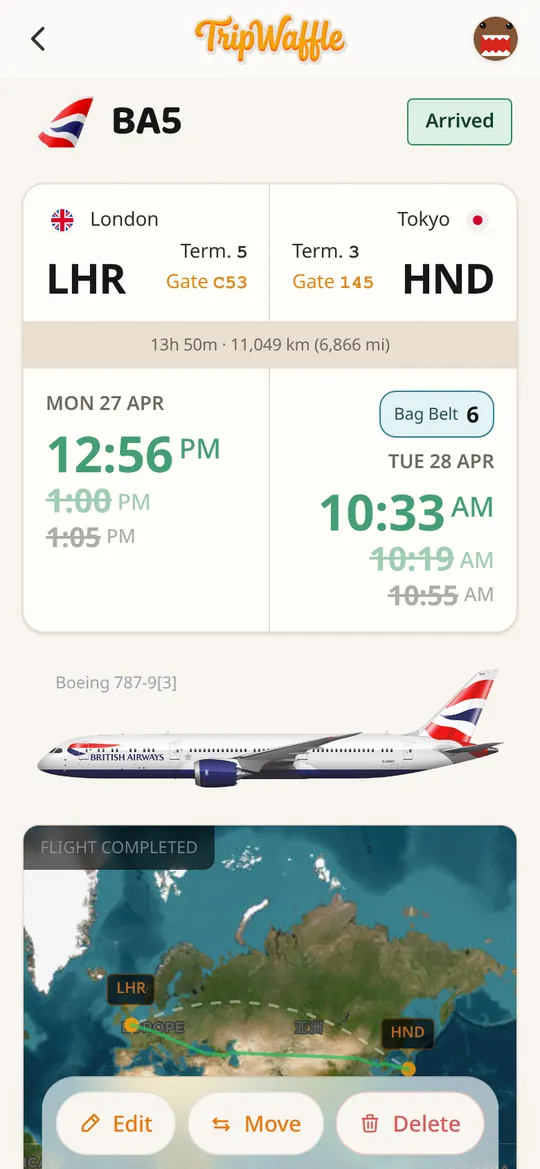
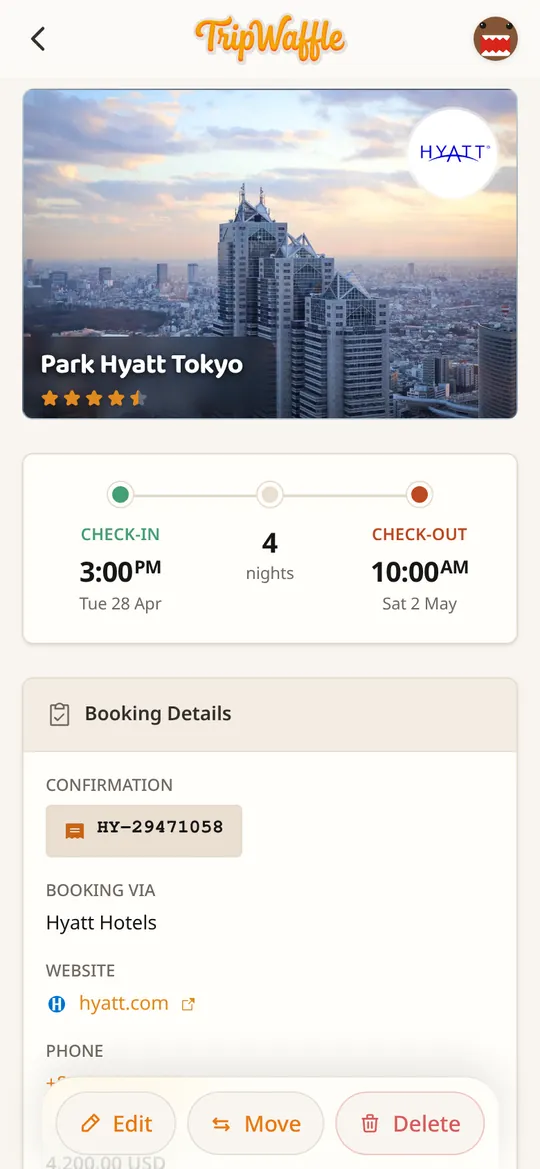
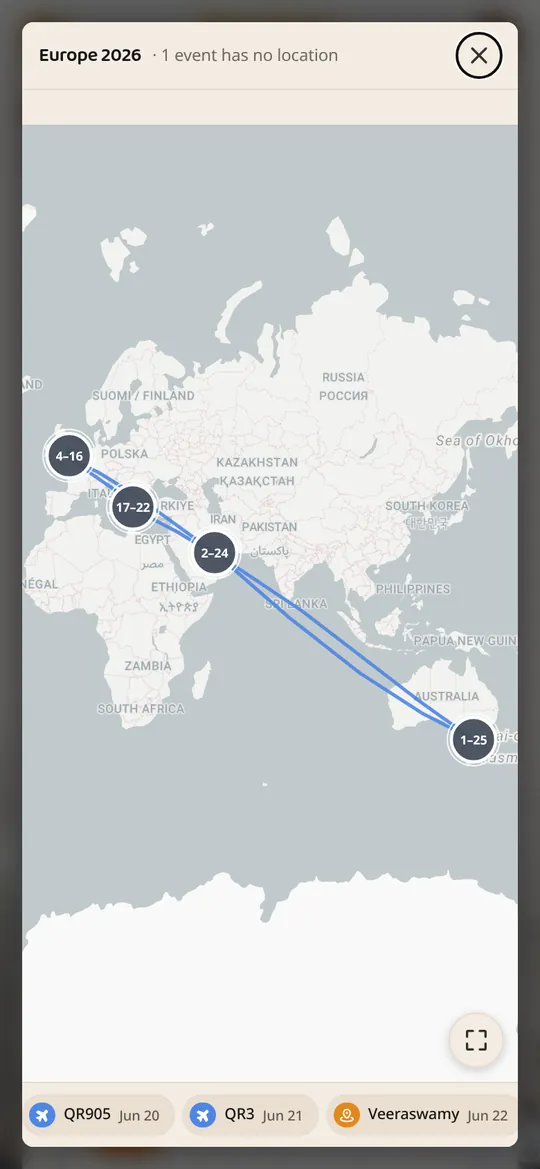
TripWaffle organizes your whole trip in one beautiful itinerary - and watches over it: government advisory alerts, the local emergency number, and entry requirements for Slovenia, plus live flight tracking. Just forward your confirmation emails.


100% free · 3 second signup
Last updated: May 27, 2026