Is Busan Safe?
Busan is generally a very safe city by global standards, with low violent crime and reliable transport. Most issues for visitors are minor: lost items in crowded areas, nightlife-related overcharging, and occasional harassment or drunken behavior late at night.
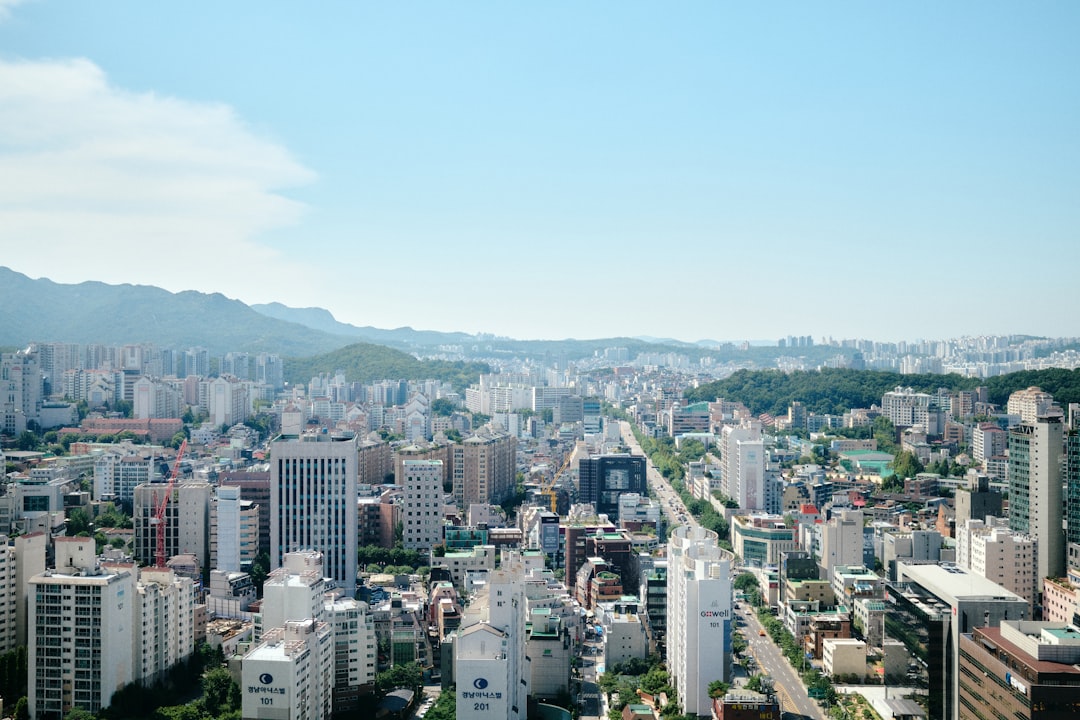
Photo: yeoul Shin / Unsplash
Perception vs Reality: Busan's reputation as a safe Korean city is mostly accurate. The main gap between perception and reality is that nightlife districts and packed beach events can feel much less controlled than the city's calm daytime image.
Risk Scores
Scale: 1 = very low risk, 10 = very high risk
Safety Overview
Overall Safety
Busan is one of the safer large cities in Asia for travelers. Everyday awareness is usually enough outside crowded nightlife and festival areas.
Violent Crime
Violent crime affecting visitors is uncommon. Most travelers are far more likely to deal with misplaced property or a nightlife billing dispute than a physical attack.
Petty Crime
Petty theft is low but not absent, especially in crowded markets, beaches, stations, and festival events. Keep phones and wallets secured in busy areas.
Scams
Scams are limited compared with many tourist cities, but bar overcharging, unclear seafood pricing, and occasional taxi issues can happen. Confirm prices before ordering or departing.
Night Safety
Nighttime is generally safe in well-trafficked areas, but risk rises around bars and clubs when people are drunk. Avoid isolated stretches and do not leave drinks unattended.
Public Transport
Subways and buses are clean, efficient, and usually very safe even in the evening. The main practical issue is navigating signs or routes, not security.
Police & Emergency
Police response is generally reliable and visible in busy districts. English support varies, so translation apps can help when reporting a problem.
Day vs Night
Daytime
Daytime in Busan is very safe for most visitors, including on public transport and in central districts. Main concerns are traffic, crowds, and keeping track of valuables in busy spots.
Nighttime
Even at night, Busan is safer than many large cities, especially in active areas. Risk rises around club streets, beach drinking zones, and quiet side streets after the last rush.
Seasonal: Summer beach season, fireworks, and major festivals bring dense crowds, more drinking, and more chances of lost property or minor disputes. Heavy rain and typhoon periods can disrupt transport and create slippery streets.
Who’s Visiting?
Tourists usually find Busan easy and safe, especially around major beaches, shopping areas, and transit hubs.
Common Risks
- ⚠ Losing valuables in crowded markets or festivals
- ⚠ Nightlife bar overcharging
- ⚠ Taxi route or meter disputes late at night
- ⚠ Confusion around seafood or market pricing
Tips
- ✓ Use card payment or official payment screens when possible
- ✓ Confirm seafood and restaurant prices before ordering
- ✓ Use Kakao T or licensed taxis after midnight
- ✓ Keep your phone secured in dense crowds and on beach promenades
Busan is generally comfortable for solo women, including at night in busy areas, though alcohol-heavy districts bring more unwanted attention.
Common Risks
- ⚠ Drunk men near bars and clubs
- ⚠ Persistent flirting or unwanted conversation
- ⚠ Rare drink tampering concerns in nightlife venues
- ⚠ Poorly lit side streets late at night
Tips
- ✓ Prefer busy main streets over quiet back alleys after dark
- ✓ Watch your drink and order directly from staff
- ✓ Share live location if heading out late
- ✓ Move to another venue or call a taxi if a place feels too pushy
Physical safety risk is low, but social comfort can vary depending on venue and company. Public discretion is still common in much of South Korea.
Same-sex activity is not illegal, but legal recognition and social acceptance remain limited compared with more liberal destinations. Open hostility is not typical, yet public displays of affection may draw attention in conservative settings.
Common Risks
- ⚠ Awkward stares or insensitive comments
- ⚠ Limited clearly visible LGBTQ-friendly venues
- ⚠ Less comfort in conservative nightlife or older neighborhoods
Tips
- ✓ Research venues in advance rather than relying on walk-ins
- ✓ Use normal city awareness in nightlife areas
- ✓ Expect better comfort in younger, trendier districts than in conservative settings
- ✓ Keep expectations realistic about social openness, not physical danger
Busan is family-friendly, with low street crime and good infrastructure around major attractions.
Common Risks
- ⚠ Children getting separated in crowded beaches or markets
- ⚠ Traffic near busy intersections
- ⚠ Heat, rain, or typhoon-related disruption in summer
Tips
- ✓ Set a meeting point in crowded areas like Haeundae or Jagalchi
- ✓ Use child ID bracelets or contact cards at festivals
- ✓ Plan indoor backups during heavy rain or extreme heat
- ✓ Stay near staffed beach zones during peak season
Busan is comfortable for digital nomads, with good connectivity and a low day-to-day security burden.
Common Risks
- ⚠ Booking scams on unofficial rental listings
- ⚠ Leaving laptops unattended in cafes
- ⚠ Late-night transport confusion after social events
Tips
- ✓ Book housing through reputable platforms or verified agents
- ✓ Do not leave devices unattended even in quiet cafes
- ✓ Check neighborhood vibe before renting long term
- ✓ Use app-based transport if working late
Crime & Threats
Pickpocketing
LowUncommon but possible in dense areas such as markets, festivals, stations, and beach events.
Phone Snatching
LowPhone snatching is not a major pattern, though leaving a phone on a cafe table or bench is still a bad idea.
Robbery
LowStreet robbery affecting visitors is rare. Late-night intoxication increases vulnerability more than location alone.
Assault
LowAssault risk is low overall, with most incidents tied to arguments, intoxication, or nightlife settings.
Drink Spiking
LowNot a dominant risk citywide, but standard nightlife precautions still matter in clubs and bars.
Taxi Scams
LowMost taxis are straightforward, but occasional late-night off-meter trips or longer routes can occur.
ATM Skimming
LowATM skimming is not a common headline risk, especially at bank ATMs, but use well-lit machines attached to banks.
Tourist Scams
LowTourist-targeted scams are limited, though overcharging in nightlife venues or unclear menu pricing can happen.
Common Scams
Nightlife bill padding
A bar or club adds extra drinks, table fees, or unclear service charges to the final bill.
Check menus before ordering, avoid pushy touts, and leave if staff will not explain charges clearly.
Seafood price confusion
Tourists order seafood without confirming whether preparation, weight, or side dishes are included in the price.
Ask for the full price before the order is prepared and point to the specific item and quantity.
Late-night taxi route inflation
A driver takes a longer route or avoids the meter, especially when riders are tired or unfamiliar with the city.
Use a taxi app, confirm the destination on the map, and avoid rides where the fare setup is vague.
Unofficial accommodation listing
A fake or misleading short-term rental listing asks for payment outside a trusted platform.
Book through reputable services, verify reviews, and never wire money for a property you cannot verify.
Area Safety
Safer Areas
Well-patrolled, heavily visited, and generally comfortable for tourists, especially by day and early evening.
Modern business and shopping area with good transport, lighting, and a low street-crime feel.
Popular waterfront district that stays active into the evening, making it feel safer than quieter areas.
Be More Careful
Busy entertainment zone where drunken behavior, unwanted attention, and bar overcharging are more likely late at night.
Usually manageable, but feels rougher after dark than tourist beach districts and can attract more nightlife-related issues.
Crowded tourist and market area where bag awareness and price confirmation matter more than elsewhere.
Getting Around
Walking
Walking is generally safe day and night in populated areas. Watch for traffic at crossings and choose main roads over steep or quiet back streets late at night.
Taxis & Rideshare
Taxis are usually safe and dependable. Use licensed taxis or Kakao T, especially after nightlife hours, and avoid getting into a car if the fare arrangement is unclear.
Trains & Buses
Subways and buses are among the safest ways to get around. They are busy but orderly, with low crime risk compared with many global cities.
Do’s & Don’ts
Do
- Keep valuables zipped away in markets, stations, and festival crowds
- Use Kakao T or official taxis for late-night rides
- Confirm prices in seafood markets and nightlife venues before ordering
- Stay on busy, well-lit streets after midnight
- Carry your accommodation details in Korean if possible
Don’t
- Do not leave drinks unattended in bars or clubs
- Do not assume every venue has clear English pricing
- Do not flash cash or leave phones on cafe tables
- Do not wander into quiet side streets when intoxicated
- Do not get into an unlicensed car offering a cheap ride
How Does It Compare?
Frequently Asked Questions
Yes. Busan is generally very safe, with low violent crime and reliable public transport. Most visitor issues are minor theft, overcharging, or nightlife-related problems.
Usually yes in busy areas like Haeundae and Gwangalli, but nightlife districts such as Seomyeon need more awareness after bars close.
Yes, compared with most large cities it is very manageable. The main concerns are drunken behavior, unwanted attention, and standard nightlife precautions.
Data Notes
- Street-level comfort can change noticeably between beach districts, business areas, and late-night entertainment streets.
- English-language reporting of minor local incidents is limited, so some neighborhood-level patterns are harder to verify publicly.
- LGBTQ+ experience depends more on social setting and venue choice than on a clear citywide safety pattern.
Traveling to Busan?
TripWaffle organizes your entire trip — flights, hotels, trains, events — in one beautiful itinerary. Just forward your confirmation emails.


100% free · 3 second signup
Last updated: March 21, 2026