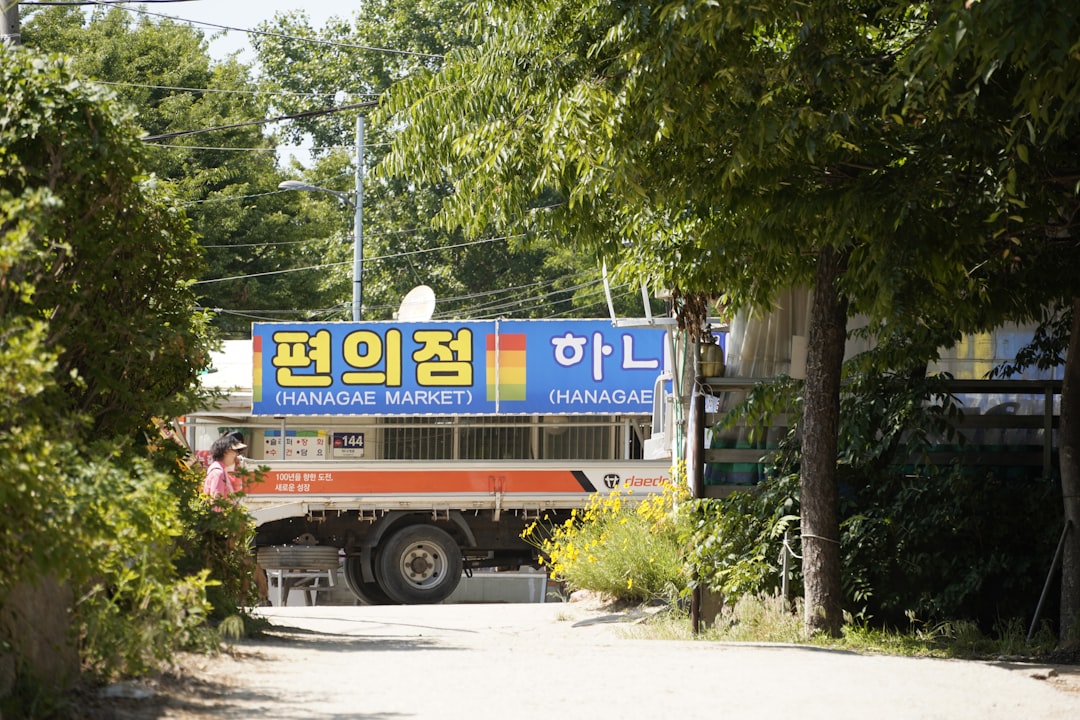
Is Jeju Safe?
Jeju is generally very safe for most travelers, with low levels of violent crime and relatively low petty theft compared with many major tourist destinations. The bigger practical risks are late-night transport gaps, isolated coastal or hiking areas after dark, bad weather, and occasional tourist-facing overcharging rather than street crime.
Photo: IRa Kang / Unsplash
Perception vs Reality: Jeju is often seen as a carefree honeymoon and family destination, and that is mostly accurate for crime. In practice, road safety, weather shifts, and being stranded in less busy areas late at night are more relevant risks than muggings or scams.
Risk Scores
Scale: 1 = very low risk, 10 = very high risk
Safety Overview
Overall Safety
Jeju is one of the safer tourist destinations in East Asia. Most visitors experience little more than minor inconveniences, with non-crime risks often more relevant than criminal ones.
Violent Crime
Violent crime affecting visitors is uncommon. Problems are more likely around alcohol-heavy nightlife or isolated areas late at night.
Petty Crime
Pickpocketing and bag theft can happen in busy tourist zones, markets, and transit points, but they are not a defining issue. Basic awareness is usually enough.
Scams
Scam pressure is low compared with many resort destinations. The more realistic issues are taxi overcharging, tour upselling, or rental-related disputes.
Night Safety
Busy parts of Jeju City and Seogwipo are usually calm at night, but streets get quiet quickly outside central areas. Remote beaches, coastal roads, and trailheads are poor places to be stranded after dark.
Public Transport
Buses are generally safe and orderly. The main challenge is frequency and limited late-night service rather than personal safety.
Police & Emergency
Police response is generally reliable in populated areas, and South Korea has good emergency infrastructure. Language barriers can occur outside major tourist hubs.
Day vs Night
Daytime
Daytime is very safe in most parts of Jeju, including markets, museums, beaches, and city areas. Outdoor conditions and traffic are usually more relevant than crime.
Nighttime
Night remains relatively safe in populated zones, but the island gets quiet quickly outside central districts. The main risks are isolation, poor lighting, alcohol-related friction, and difficulty finding transport back.
Seasonal: Typhoon season, heavy rain, high winds, and winter conditions can disrupt travel and make roads or trails hazardous. Peak holiday periods and festivals can increase crowding and petty theft opportunities slightly.
Who’s Visiting?
Tourists usually find Jeju easy and low-stress. Crime risk is low, but planning transport and weather-sensitive activities matters.
Common Risks
- ⚠ Leaving bags or phones unattended in cafés or beaches
- ⚠ Taxi or transport confusion late at night
- ⚠ Rental car disputes over scratches or fuel
- ⚠ Weather changes affecting ferries, flights, or hikes
Tips
- ✓ Book airport transfers or know the last bus if arriving late
- ✓ Photograph rental vehicles before driving away
- ✓ Keep valuables secured in crowded markets and beach areas
- ✓ Check weather and trail conditions before coastal drives or hikes
Jeju is generally comfortable for solo women, especially in hotels, cafés, public transport, and mainstream tourist areas. Risks rise mainly with alcohol, isolated roads, and quiet beaches at night.
Common Risks
- ⚠ Unwanted attention in nightlife settings
- ⚠ Walking alone in poorly lit or isolated areas after dark
- ⚠ Drink tampering risk in bars, though not common
- ⚠ Being stranded due to sparse late-night transport
Tips
- ✓ Prefer central accommodation if you plan to be out at night
- ✓ Use licensed taxis or app-based rides when buses stop running
- ✓ Do not leave drinks unattended in bars or clubs
- ✓ Avoid solo late-night walks on remote coast paths or beach roads
Jeju is usually low-risk in terms of street safety, but social attitudes can still be conservative. Most travelers do not face direct danger, though public displays of affection may attract attention.
Same-sex relations are legal in South Korea, but legal recognition and social acceptance remain limited compared with more liberal destinations. Jeju is tourist-friendly, though discretion may feel more comfortable in rural or family-oriented settings.
Common Risks
- ⚠ Occasional staring or social discomfort rather than violence
- ⚠ Limited overtly LGBTQ-friendly nightlife or venues
- ⚠ Awkward service interactions in more conservative settings
Tips
- ✓ Use mainstream tourist areas and established hotels for a smoother experience
- ✓ Expect lower legal risk than social visibility risk
- ✓ Keep expectations realistic outside bigger urban nightlife scenes
- ✓ Choose private transport late at night if you feel uncomfortable
Jeju works well for families and is broadly low-risk. The main concerns are traffic, water safety, and children wandering in crowded attractions rather than crime.
Common Risks
- ⚠ Road accidents, especially with rental cars
- ⚠ Slippery rocks and sudden surf at coastal spots
- ⚠ Crowding at markets, museums, or peak-season attractions
- ⚠ Heat, rain, or strong wind during outdoor activities
Tips
- ✓ Use child seats if renting a car
- ✓ Supervise children closely near lava rocks, cliffs, and beaches
- ✓ Carry water and weather layers for outdoor days
- ✓ Pick accommodation near services if traveling without a car
Jeju is comfortable for remote workers, with good general safety and decent infrastructure in main towns. The main issues are transport dependence, weather disruptions, and occasional rural connectivity or service gaps.
Common Risks
- ⚠ Limited late-night transport in less central areas
- ⚠ Leaving laptops unattended in cafés
- ⚠ Storms affecting travel plans
- ⚠ Dependence on rental cars outside city centers
Tips
- ✓ Base yourself in Jeju City or Seogwipo if you need daily convenience
- ✓ Do not assume urban-style transport in rural parts of the island
- ✓ Back up booking details in case flights or ferries are disrupted
- ✓ Use standard device security in shared work or café settings
Crime & Threats
Pickpocketing
LowNot a major problem, but possible in markets, festivals, airport areas, and busy tourist streets.
Phone Snatching
LowStreet snatching is uncommon. The bigger issue is accidental loss or leaving phones behind in cafés, taxis, or rental cars.
Robbery
LowRobbery against visitors is rare. Risk is slightly higher around heavy drinking areas late at night.
Assault
LowAssault is uncommon for travelers, with isolated incidents more likely to involve alcohol or interpersonal disputes.
Drink Spiking
LowThere is no strong reputation for this, but standard nightlife precautions still make sense.
Taxi Scams
LowMost taxis are fine, but occasional overcharging or indirect routing can happen, especially late at night or around transport hubs.
ATM Skimming
LowRisk appears low, especially at bank-affiliated machines. Use indoor ATMs when possible.
Tourist Scams
LowHigh-pressure scams are uncommon. More realistic problems are tour upselling, inflated tourist pricing, or rental disputes.
Common Scams
Late-night taxi overcharge
A driver may avoid the meter, take a longer route, or quote a high flat fare when options are limited.
Use licensed taxis, confirm meter use, and check route basics on your phone.
Rental car damage dispute
A traveler is blamed for pre-existing scratches or charged unexpected cleaning or fuel fees.
Photograph the vehicle inside and out before departure and keep all paperwork.
Tour upsell or inflated visitor pricing
A tour, driver, or vendor adds extras or steers visitors toward pricier options.
Agree on price and inclusions in advance and book through established providers.
Area Safety
Safer Areas
Resort-oriented, well-trafficked, and geared toward visitors with good hotel and staff presence.
Popular, walkable, and generally calm, especially around established hotels, markets, and waterfront zones.
Better-lit streets, more services, and easier access to taxis and buses than remote coastal areas.
Be More Careful
Low foot traffic, limited lighting, and transport difficulty matter more than crime.
Weather, poor visibility, and being stranded are more realistic risks than criminal activity.
Still not especially dangerous, but alcohol-related incidents and taxi issues are more likely here.
Getting Around
Walking
Walking is generally safe in town centers and tourist districts. Be more careful on narrow roads, poorly lit coastal stretches, and areas without sidewalks.
Taxis & Rideshare
Taxis are usually reliable, but confirm destination clearly and watch the meter. Late-night availability can be an issue outside core areas.
Trains & Buses
Jeju relies on buses rather than trains. Buses are safe, but schedules can be inconvenient at night or in rural parts of the island.
Do’s & Don’ts
Do
- Keep your phone, wallet, and passport secure in busy tourist areas
- Plan your return trip before going to remote beaches or bars
- Use bank ATMs or machines inside major convenience stores or terminals
- Check weather, ferry, and hiking updates before outdoor plans
- Photograph rental cars and save booking confirmations
Don’t
- Do not assume buses run frequently late at night
- Do not leave drinks, bags, or electronics unattended
- Do not hike or explore isolated coast areas too late in the day
- Do not rely on finding transport easily in rural areas after dark
- Do not drive unfamiliar roads fast in rain, wind, or fog
How Does It Compare?
Frequently Asked Questions
Yes. Jeju is generally very safe, with low violent crime and relatively low petty theft compared with many tourist destinations.
Mostly yes in busy areas, but remote beaches, coastal roads, and trailheads are poor choices after dark because they get quiet and transport is limited.
The main issues are transport gaps late at night, weather changes, road safety, isolated outdoor areas, and occasional taxi or rental disputes.
Data Notes
- Island-specific public crime reporting in English is limited, so neighborhood-level differences are less precise than for major capital cities.
- Scam patterns in Jeju appear relatively minor and sporadic; reports are less consistent than in larger international tourist hubs.
- Safety can feel very different depending on whether you stay in Jeju City, Seogwipo, or rural coastal areas with limited night transport.
Traveling to Jeju?
TripWaffle organizes your entire trip — flights, hotels, trains, events — in one beautiful itinerary. Just forward your confirmation emails.


100% free · 3 second signup
Last updated: March 21, 2026