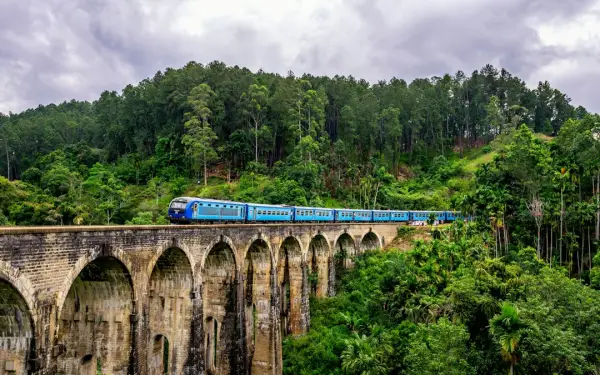
Is Sri Lanka Safe?
Sri Lanka is generally manageable for travelers, with most trips focused on tourist areas passing without serious trouble. The main risks are transport safety, petty theft in crowded places, tuk-tuk and guide scams, beach and nightlife harassment, and weather-related disruptions rather than high levels of violent crime.
Photo: Hendrik Cornelissen / Unsplash
Perception vs Reality: Sri Lanka still has an outdated conflict-era reputation in some travelers' minds, but most tourist routes are peaceful. In practice, visitors are more likely to face overcharging, harassment, unsafe driving, and rough sea conditions than targeted violent crime.
Risk Scores
Scale: 1 = very low risk, 10 = very high risk
Safety Overview
Overall Safety
Most visitors stick to common routes such as Colombo, Kandy, Ella, Galle, and the south coast without major issues. Day-to-day vigilance matters most around traffic, scams, and isolated areas after dark.
Violent Crime
Violent crime affecting tourists is not the main concern, but robberies and assaults can happen, especially where alcohol, isolation, or late-night transport are involved.
Petty Crime
Petty theft is most likely in crowded transport hubs, markets, and on packed buses or trains. Bags, phones, and wallets are the usual targets.
Scams
Overcharging by tuk-tuks, unofficial guides, and commission-driven shop stops is common in tourist areas. Always confirm price or use an app when possible.
Night Safety
Nighttime risk rises on quiet beach roads, around bars, and when walking alone in poorly lit areas. Women may face unwanted attention more than direct crime.
Public Transport
Trains are usually straightforward but can be crowded. Buses are cheap but often fast and erratic, making traffic risk as important as crime risk.
Police & Emergency
Police are visible in major cities and tourist zones, and tourist police may be available in some areas. Response quality can vary, so keep your accommodation and transport contacts handy.
Day vs Night
Daytime
Daytime travel is usually straightforward on established tourist routes. Crowds, traffic, and scam approaches are the main issues.
Nighttime
Risk increases after dark, especially on quiet roads, beaches, and around bars. Late-night transport, intoxication, and poor lighting are recurring weak points.
Seasonal: Monsoon rain can cause flooding, landslides, rough seas, and transport disruption. Religious festivals and public holidays bring dense crowds, and political protests can still cause short-notice road closures in Colombo.
Who’s Visiting?
Tourists are usually safe on established routes, but visible visitors can attract overcharging, persistent sellers, and opportunistic theft in crowded areas.
Common Risks
- ⚠ Tuk-tuk overcharging
- ⚠ Unofficial guides
- ⚠ Pickpocketing in transport hubs
- ⚠ Beach theft
- ⚠ Unsafe road travel
Tips
- ✓ Use ride apps such as PickMe or Uber where available
- ✓ Agree tuk-tuk fares before the ride if no meter is used
- ✓ Keep phones and wallets out of sight on buses and trains
- ✓ Book safaris, whale watching, and drivers through well-reviewed operators
- ✓ Do not leave bags unattended on beaches or in cafes
Solo women can travel in Sri Lanka, but harassment and persistent attention are more common than in many East Asian destinations, especially on public transport and at beaches.
Common Risks
- ⚠ Staring and verbal harassment
- ⚠ Unwanted attention from drivers or guides
- ⚠ Crowding on buses and trains
- ⚠ Drink tampering risk in nightlife settings
- ⚠ Walking alone after dark in quiet areas
Tips
- ✓ Prefer app-based rides or hotel-arranged drivers at night
- ✓ Choose central accommodation with strong reviews
- ✓ Limit solo walks on isolated beach roads after dark
- ✓ Sit near other women or families on public transport when possible
- ✓ Be firm with overly personal questions or invitations
LGBTQ travelers usually face more social conservatism than direct violence, but discretion is often wise outside upscale or tourist-heavy settings.
Same-sex relations remain criminalized under old laws, though enforcement against foreign visitors is considered uncommon. Social attitudes are mixed and often conservative, especially outside major tourist areas.
Common Risks
- ⚠ Harassment or intrusive attention
- ⚠ Limited acceptance of public affection
- ⚠ Uneven treatment by smaller hotels or drivers
- ⚠ Privacy concerns outside tourist zones
Tips
- ✓ Use discretion with public displays of affection
- ✓ Choose well-reviewed hotels in tourist-friendly areas
- ✓ Avoid discussing personal life with strangers if the setting feels conservative
- ✓ Use trusted transport and avoid isolated nightlife venues
Families generally find Sri Lanka workable and welcoming, with bigger risks coming from roads, strong ocean currents, monkeys around attractions, and heat.
Common Risks
- ⚠ Chaotic traffic
- ⚠ Rough seas and rip currents
- ⚠ Crowds at festivals and temples
- ⚠ Monkeys snatching food or small items
- ⚠ Long travel times between destinations
Tips
- ✓ Use child restraints where possible in private vehicles
- ✓ Check local swimming conditions before entering the sea
- ✓ Carry water and sun protection for long outings
- ✓ Keep snacks and bags closed around monkeys
- ✓ Avoid tight road schedules in hill country and at night
Digital nomads usually find Sri Lanka comfortable in Colombo, the south coast, and hill-country hubs, but transport safety, petty theft, and power or connectivity issues can disrupt routines.
Common Risks
- ⚠ Laptop theft from unsecured rooms
- ⚠ Bag theft in cafes or co-working spots
- ⚠ Power or network interruptions
- ⚠ Transport scams on arrival
Tips
- ✓ Pick accommodation with reliable backup power and strong reviews
- ✓ Do not leave electronics unattended in cafes or beach venues
- ✓ Use app-based rides from airports and stations when possible
- ✓ Keep work devices insured and backed up
Crime & Threats
Pickpocketing
MediumMost common in crowded markets, train stations, buses, and festival crowds, especially in Colombo and major tourist transit points.
Phone Snatching
MediumPossible from tuk-tuks, motorbikes, or crowded streets, particularly if using your phone near roads or transport doors.
Robbery
LowLess common than theft and scams, but the risk rises late at night in isolated areas, on beaches, or after drinking.
Assault
LowAssault against tourists is not widespread, though disputes, nightlife settings, and isolated routes can increase risk.
Drink Spiking
MediumNot a defining national risk, but caution is sensible in nightlife spots on the south coast and in Colombo where tourists party.
Taxi Scams
HighTuk-tuk fare inflation, detours, no-meter rides, and pressure to visit commission-paying shops are common complaints.
ATM Skimming
LowUse ATMs attached to banks or inside malls and avoid standalone machines in poorly monitored areas.
Tourist Scams
MediumExpect overpriced tours, fake helpers at stations, temple or donation pressure, and gem or spice-shop diversions.
Common Scams
Tuk-tuk fare inflation
Drivers quote high flat fares, refuse meters, or add extra charges at the end.
Use PickMe or Uber where available, or agree a clear price before getting in.
Commission shop detour
A driver or guide says a gem, spice, tea, or handicraft stop is part of the route and pressures you to buy.
Say no clearly, keep your own itinerary, and book drivers with solid reviews.
Unofficial station or temple helper
Someone offers help with tickets, shoes, parking, or temple guidance, then demands payment.
Use official counters, ask staff directly, and decline unsolicited help.
Beach or nightlife overcharging
Bar tabs, sunbeds, surf rentals, or informal services are priced vaguely and inflated later.
Confirm prices upfront and pay as you go in casual venues.
Area Map
Approximate locations from public sources. Conditions vary by time of day and current events.
Area Safety
Safer Areas
Well-trafficked, tourism-focused, and easier to navigate on foot than many other areas.
More orderly, residential, and commonly used by embassies, business travelers, and higher-end hotels.
Popular with travelers, generally relaxed, and busy enough that daytime movement feels straightforward.
Be More Careful
Crowded markets, stations, and bus hubs raise pickpocketing, scam, and confusion risks.
Less foot traffic, nightlife-related harassment, and theft risk increase at night.
Petty theft and aggressive driving are more of a concern than serious crime.
Getting Around
Walking
Walking is fine in busy tourist zones by day, but sidewalks can be uneven and traffic unpredictable. Avoid isolated beach roads, poorly lit streets, and rural walking after dark.
Taxis & Rideshare
App-based rides are the best option in larger cities. For tuk-tuks without meters, agree the fare in advance and be wary of drivers offering shop or tour detours.
Trains & Buses
Trains are popular and usually manageable, though crowded services can invite petty theft. Local buses are cheap but often aggressively driven, making accident risk a major concern.
Do’s & Don’ts
Do
- Use app-based rides or trusted hotel drivers when possible
- Keep small cash separate and secure your phone in crowds
- Check sea conditions before swimming on ocean beaches
- Carry a charged phone and offline map for long road journeys
- Book tours and transport through well-reviewed providers
Don’t
- Do not assume a tuk-tuk meter will be used unless confirmed
- Do not walk alone on isolated beaches or back roads late at night
- Do not flash valuables on trains, buses, or in markets
- Do not leave drinks unattended in nightlife venues
- Do not underestimate driving risk on mountain roads or night buses
How Does It Compare?
Safer Than
Sri Lanka sits in the moderate-risk range: typically less threatening than high-crime destinations, but less orderly and predictable than very low-crime Asian or Nordic benchmarks.
Frequently Asked Questions
Yes, most tourists visit Sri Lanka without serious trouble, but scams, traffic, and petty theft are the main concerns.
Usually yes, but harassment and unwanted attention can happen, especially on public transport and in nightlife or beach areas after dark.
For many travelers, road safety and transport behavior are bigger risks than violent crime.
Data Notes
- Conditions can shift around protests, elections, and fuel or transport disruptions, especially in Colombo.
- Crime reporting and enforcement quality vary, so incident levels may be unevenly documented across regions.
- Risk differs noticeably between Colombo, beach nightlife areas, hill-country towns, and quieter rural districts.
- LGBTQ legal risk is hard to quantify because laws remain on the books but reported enforcement against visitors appears limited.
Explore Areas in Sri Lanka
Traveling to Sri Lanka?
TripWaffle organizes your whole trip in one beautiful itinerary - and watches over it: government advisory alerts, the local emergency number, and entry requirements for Sri Lanka, plus live flight tracking. Just forward your confirmation emails.


100% free · 3 second signup
Last updated: May 27, 2026