
Is Kandy Safe?
Kandy is generally manageable for most travelers, with the main issues being petty theft, transport hassle, and occasional harassment rather than serious violent crime. The city center is busy and fairly straightforward by day, but caution is more important at night around transport hubs, dim lakefront stretches, and isolated hillside roads.
Photo: Chathura Anuradha Subasinghe / Unsplash
Perception vs Reality: Kandy can feel hectic and crowded, which may seem less safe than it is; for most visitors, everyday risks are more about scams, traffic, and opportunistic theft than major violence.
Risk Scores
Scale: 1 = very low risk, 10 = very high risk
Safety Overview
Overall Safety
Kandy is usually safe for visitors who stay alert in crowded areas and use reputable transport. Traffic, overcharging, and minor theft are more likely than violent crime.
Violent Crime
Serious violence against travelers is not a leading concern, but isolated disputes, alcohol-related incidents, and late-night vulnerability can still happen.
Petty Crime
Pickpocketing and bag theft are most likely in crowded streets, markets, stations, and festival periods. Keep phones and wallets secure near bus and rail hubs.
Scams
Common issues include tuk-tuk overcharging, gem or spice shop detours, and inflated guide offers. Agree prices clearly before starting.
Night Safety
The center stays active in the evening, but some streets empty quickly and lakeside or hillside areas can feel isolated after dark. Avoid walking alone on quiet roads late at night.
Public Transport
Buses and trains are usable but can be crowded, with jostling and opportunistic theft risk. Keep bags in front and watch valuables when boarding and exiting.
Police & Emergency
Police presence is strongest in central tourist areas and around major religious sites, though response quality can vary. Clear details, location pins, and hotel assistance can help if you need support.
Day vs Night
Daytime
Daytime is generally straightforward for sightseeing, shopping, and temple visits, though crowds and traffic require attention.
Nighttime
Night brings a moderate increase in risk from isolated streets, transport hassle, and harassment, especially outside the center.
Seasonal: Festival periods, especially around the Esala Perahera, bring heavy crowds, traffic disruption, higher prices, and more opportunity for petty theft and scams.
Who’s Visiting?
Most tourists visit Kandy without major trouble, especially around the lake, Temple of the Tooth, and main commercial areas during the day.
Common Risks
- ⚠ Tuk-tuk overcharging
- ⚠ Crowded-market pickpocketing
- ⚠ Pushy touts near stations and attractions
- ⚠ Traffic when crossing roads
Tips
- ✓ Use metered or app-based rides when possible
- ✓ Carry only what you need in crowded areas
- ✓ Be firm with unsolicited guides and shop referrals
- ✓ Keep temple visits respectful and dress modestly
Solo women can travel in Kandy, but unwanted attention and occasional verbal harassment are more likely than violent crime.
Common Risks
- ⚠ Staring and persistent conversation attempts
- ⚠ Harassment in crowded buses or quiet areas at night
- ⚠ Overfriendly drivers or guides
Tips
- ✓ Prefer rideshare or reputable tuk-tuks after dark
- ✓ Avoid isolated viewpoints and empty roads at night
- ✓ Dress modestly if visiting religious sites or local neighborhoods
- ✓ If someone is pushy, move toward shops, hotels, or families
LGBTQ travelers usually face more social conservatism than direct violence, but discretion is wise in public.
Sri Lanka remains socially conservative, and same-sex intimacy laws are outdated and restrictive even though enforcement against travelers is not typically the main issue. Public displays of affection may attract attention or discomfort.
Common Risks
- ⚠ Verbal discomfort or staring
- ⚠ Limited openly LGBTQ-friendly nightlife
- ⚠ Privacy concerns in smaller guesthouses
Tips
- ✓ Keep public affection low-key
- ✓ Choose well-reviewed hotels with international guest traffic
- ✓ Use private transport if a situation feels uncomfortable
- ✓ Rely on recent reviews for social atmosphere rather than assumptions
Kandy works well for families, but road safety, crowding, and heat are bigger practical concerns than crime.
Common Risks
- ⚠ Busy traffic near the center
- ⚠ Crowding during festivals and temple visits
- ⚠ Children getting separated in markets or transport hubs
Tips
- ✓ Set a meeting point in busy places
- ✓ Use child hand-holding near roads and bus stands
- ✓ Visit major sites earlier in the day to avoid peak crowds
- ✓ Keep water, sun protection, and small cash handy
Kandy is workable for short stays, with modest safety concerns centered on device theft, transport friction, and uneven infrastructure rather than targeted crime.
Common Risks
- ⚠ Laptop or phone theft in transit
- ⚠ Unsecured public Wi-Fi
- ⚠ Power or connectivity inconsistency in some stays
Tips
- ✓ Choose accommodation with strong recent reviews for Wi-Fi and security
- ✓ Do not leave devices unattended in cafes or lobbies
- ✓ Back up work offline before day trips
- ✓ Use a local SIM or hotspot for more reliable connectivity
Crime & Threats
Pickpocketing
MediumMost likely in the central market, bus stand, railway station, and festival crowds.
Phone Snatching
LowLess prominent than in some larger cities, but visible phone use near roads or on crowded transport still creates opportunity.
Robbery
LowStreet robbery is not a defining risk for most visitors, though isolated late-night walking increases vulnerability.
Assault
LowAssault risk is generally low, with more concern around harassment, drunken disputes, or secluded nighttime settings.
Drink Spiking
LowNot a standout issue, but standard nightlife precautions still matter in bars and hotels.
Taxi Scams
MediumOvercharging, unnecessary detours, and commission-based shop stops are common enough to plan for.
ATM Skimming
LowRisk appears limited, but using bank ATMs in well-lit branches is safer than isolated machines.
Tourist Scams
MediumExpect inflated guiding offers, gem or spice store referrals, and pressure from unofficial helpers near transport hubs.
Common Scams
Tuk-tuk overcharge
A driver quotes a high flat rate, claims the meter is broken, or adds extra charges after arrival.
Agree the fare before departure or use an app-based booking.
Shop detour commission scam
A driver or friendly stranger steers you to a gem, spice, or souvenir shop where they receive commission.
Decline detours firmly and state your destination clearly.
Unofficial guide or helper
Someone offers directions or assistance, then demands payment or pushes you into paid services.
Ask for help only from official counters, hotel staff, or clearly identified personnel.
Festival crowd theft
In packed event areas, thieves target open bags, loose phones, or distracted visitors.
Use zipped bags, keep valuables in front, and carry less during major events.
Area Map
Approximate locations from public sources. Conditions vary by time of day and current events.
Area Safety
Safer Areas
Busy, well-known, and more actively monitored, especially in daytime and early evening.
Usually fine by day with steady foot traffic, though keep an eye on bags and phones.
Popular with visitors and generally calmer in daytime, with lower hassle than the busiest central streets.
Be More Careful
Crowding, confusion, touts, and opportunistic theft risk are higher here.
Dense crowds make pickpocketing and aggressive selling more likely.
Lighting and foot traffic can drop off quickly, making harassment or isolation more of a concern.
Getting Around
Walking
Walkable in the center by day, but traffic is the main hazard; sidewalks can be uneven and roadside space limited.
Taxis & Rideshare
Tuk-tuks are common but prices vary; confirm the fare first or use a ride app where available.
Trains & Buses
Useful and inexpensive, but crowded conditions increase pickpocketing risk and can be uncomfortable for solo travelers at peak times.
Do’s & Don’ts
Do
- Keep bags zipped and in front in markets and stations
- Confirm tuk-tuk prices before getting in
- Use bank ATMs in visible, staffed areas
- Stay on busier streets after dark
- Dress respectfully at temples and religious sites
Don’t
- Do not leave phones or wallets visible in crowded transport
- Do not accept unsolicited shop detours from drivers
- Do not walk isolated hillside or lakeside routes late at night alone
- Do not assume traffic will stop at crossings
- Do not carry large amounts of cash during festivals
How Does It Compare?
Safer Than
Riskier Than
Kandy is usually moderate-risk by regional city standards: busier and more hassle-prone than smaller hill towns, but not among Sri Lanka's higher-risk urban destinations.
Frequently Asked Questions
Yes, for most visitors Kandy is reasonably safe, with petty theft, transport scams, and traffic being the main concerns.
The center is usually fine in the evening, but quieter lakeside stretches, hillside roads, and transport hubs are less comfortable late at night.
Yes, overcharging and detours to commission-based shops are common enough that agreeing the fare first is important.
Data Notes
- Reliable neighborhood-level crime data for Kandy is limited, so risk varies more by street, crowd level, and time of day than by formal district.
- Festival periods can significantly change crowd density, traffic disruption, and petty theft exposure.
- LGBTQ social experience depends heavily on venue, accommodation type, and how public travelers are about their identity.
Traveling to Kandy?
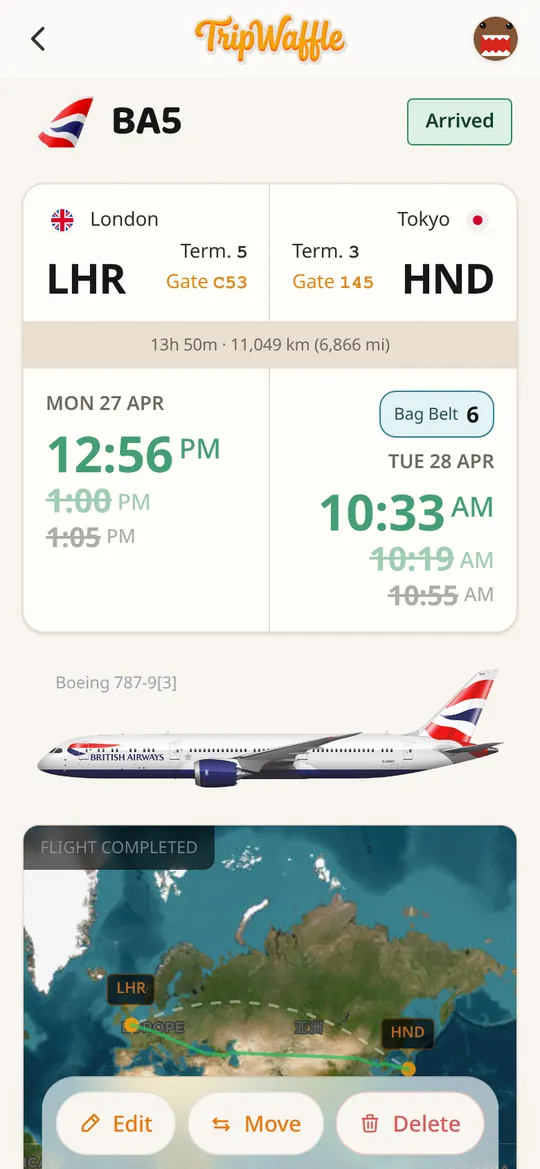
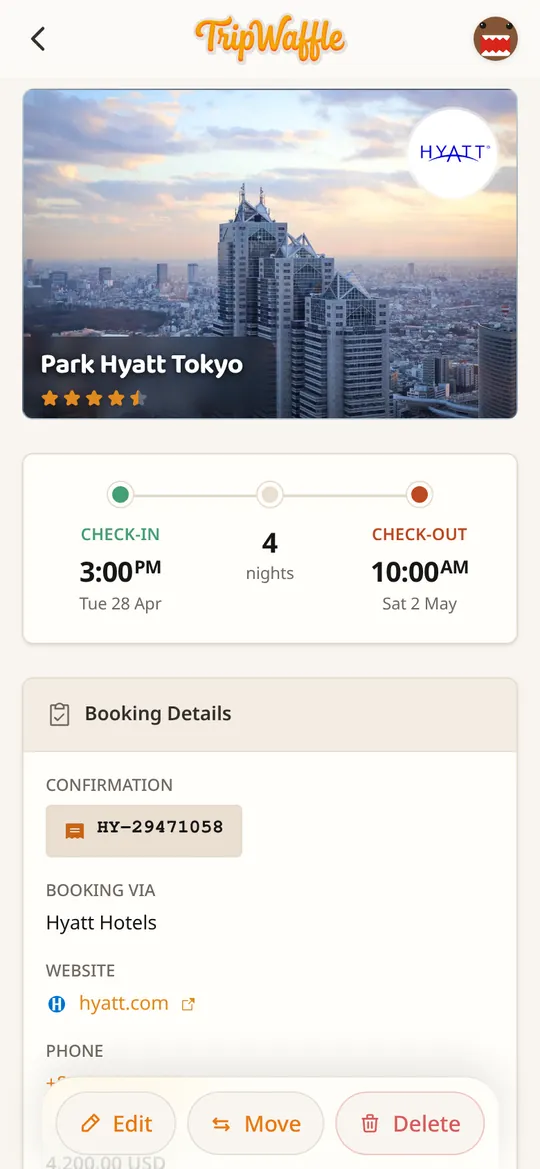
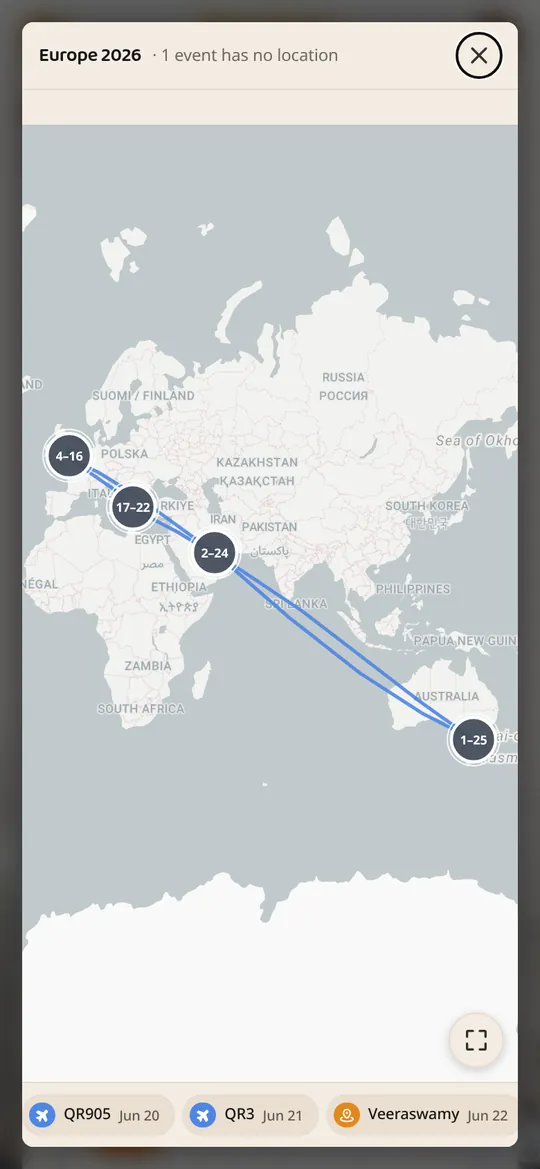
TripWaffle organizes your whole trip in one beautiful itinerary - and watches over it: government advisory alerts, the local emergency number, and entry requirements for Kandy, plus live flight tracking. Just forward your confirmation emails.


100% free · 3 second signup
Last updated: May 27, 2026