
Is Sweden Safe?
Sweden is generally very safe for most travelers, with low everyday risk compared with much of Europe. The main issues for visitors are petty theft in big-city tourist zones, late-night alcohol-related trouble, and limited spillover concern from gang violence in some outer urban districts.
Photo: Raphael Andres / Unsplash
Perception vs Reality: International coverage of shootings and explosions has hurt Sweden's image, but most incidents are linked to criminal networks and do not affect typical visitors in tourist areas.
Risk Scores
Scale: 1 = very low risk, 10 = very high risk
Safety Overview
Overall Safety
Sweden is one of the safer countries in Europe for day-to-day travel. Big-city awareness matters more than personal security in most rural areas and smaller towns.
Violent Crime
Violent crime affecting travelers is uncommon. Gang-related shootings and blasts do occur, but they are usually targeted and concentrated in specific urban districts.
Petty Crime
Pickpocketing and bag theft happen most in Stockholm, Gothenburg, and Malmö, especially around stations, nightlife, and crowded tourist streets. Theft risk is moderate rather than constant.
Scams
Street scams are less common than in many tourist-heavy countries, but taxi overcharging, nightclub overbilling, and online booking fraud do occur. Use official apps and established businesses.
Night Safety
City centers are usually manageable at night, but risk rises around bars, clubs, and transport hubs after midnight. Drunk behavior and harassment are more likely than serious violence.
Public Transport
Public transport is generally clean, orderly, and safe. Watch your phone and bags on busy trains, airport links, and late-night services.
Police & Emergency
Police and emergency services are reliable. Call 112 for emergencies; 114 14 is the non-urgent police number within Sweden.
Day vs Night
Daytime
Daytime risk is low across most of Sweden. Main issues are petty theft in big cities and weather-related hazards such as ice in winter.
Nighttime
Night risk remains fairly low by international standards, but city-center bars, clubs, and transport hubs see more harassment, theft, and alcohol-related disorder after midnight.
Seasonal: Winter brings snow, ice, long darkness, and more difficult driving and walking conditions. Summer festivals, major concerts, and holiday weekends can increase crowding, drunkenness, and petty theft.
Who’s Visiting?
Tourists usually have a smooth and low-risk trip in Sweden. The main concerns are theft in busy city areas and expensive mistakes with taxis, nightlife, or bookings.
Common Risks
- ⚠ Pickpocketing near stations and crowded attractions
- ⚠ Taxi overcharging from airports or nightlife areas
- ⚠ Phone theft in bars or on tables
- ⚠ Nightclub overbilling
Tips
- ✓ Use licensed taxis or rides booked through apps
- ✓ Keep phones and wallets off café tables and jacket pockets
- ✓ Stay alert at Stockholm Central, airport links, and nightlife queues
- ✓ Book accommodation through reputable platforms
Sweden is among the better destinations in Europe for solo female travel, including on public transport and in cities. Harassment can still happen around nightlife, especially late at night.
Common Risks
- ⚠ Verbal harassment near bars and clubs
- ⚠ Unwanted attention from intoxicated people
- ⚠ Drink tampering risk in nightlife settings
Tips
- ✓ Prefer app-booked transport or licensed taxis late at night
- ✓ Watch drinks closely in clubs and crowded bars
- ✓ Choose central, well-reviewed accommodation near transit
- ✓ If walking late, stick to lit main streets rather than parks or quiet shortcuts
Sweden is one of the safer and more welcoming countries for LGBTQ+ travelers. Open expression is widely accepted in major cities and many smaller towns.
Same-sex relationships and broad LGBTQ+ rights are legally recognized, and social acceptance is generally high. Isolated verbal harassment is still possible, especially around drunken nightlife or among hostile individuals.
Common Risks
- ⚠ Occasional verbal harassment
- ⚠ Late-night hostility from intoxicated strangers
Tips
- ✓ Major cities such as Stockholm, Gothenburg, and Malmö are especially comfortable
- ✓ Use normal nightlife awareness in mixed bar areas after midnight
- ✓ If visiting smaller towns, expect generally good acceptance but a quieter scene
Sweden is a very good family destination with safe public spaces, reliable transport, and child-friendly infrastructure. The main issues are weather, water safety, and city theft in crowded areas.
Common Risks
- ⚠ Cold weather and slippery winter conditions
- ⚠ Children getting separated in stations or ferries
- ⚠ Pickpocketing in urban crowds
Tips
- ✓ Dress for rapid weather changes, especially in winter and coastal areas
- ✓ Set meeting points in stations, shopping centers, and ferry terminals
- ✓ Use child seats and seatbelts consistently when driving
Sweden is comfortable and low-risk for remote work, but it is expensive and urban petty theft still matters. Online fraud and housing scams are more relevant than street crime for longer stays.
Common Risks
- ⚠ Fake rental listings or deposit scams
- ⚠ Laptop or phone theft in cafés or co-working spaces
- ⚠ Nightlife theft after work socials
Tips
- ✓ Do not pay deposits for rentals without verifying the listing and owner
- ✓ Avoid leaving laptops unattended in cafés, libraries, or hotel lounges
- ✓ Use bank cards with transaction alerts and strong app security
Crime & Threats
Pickpocketing
MediumMost likely in Stockholm, Gothenburg, and Malmö around stations, shopping streets, and crowded tourist areas.
Phone Snatching
LowLess common than in many European cities, but unattended phones in bars, trains, and cafés do get stolen.
Robbery
LowStreet robbery against visitors is uncommon, though late-night incidents can happen around intoxicated crowds or isolated spots.
Assault
LowAssault risk for travelers is generally low and is most often linked to nightlife, arguments, or intoxication.
Drink Spiking
LowNot a widespread problem, but it is a credible nightlife risk. Keep drinks in sight and be cautious in busy clubs.
Taxi Scams
MediumOvercharging by non-reputable taxis is a known issue, especially at airports, stations, and nightlife exits.
ATM Skimming
LowSweden is highly cashless, so ATM use is limited, but use bank-operated machines and cover your PIN.
Tourist Scams
LowClassic street scams are relatively uncommon, but fake rentals, inflated taxi fares, and nightclub billing disputes are more realistic risks.
Common Scams
Taxi overcharge
A taxi without a competitive fixed fare or with very high rates picks up travelers at airports, stations, or nightlife areas and charges far above normal.
Use well-known taxi companies, official taxi ranks, or app bookings, and confirm the fare before starting.
Nightclub overbilling
A bar or club adds unexpected items, inflated drink prices, or unclear table charges to the bill.
Check menu prices first, keep receipts, and avoid venues with pushy street promoters or unclear pricing.
Fake rental or sublet listing
Fraudsters advertise attractive short-term apartments, request deposits in advance, and disappear.
Use reputable platforms, verify the host and address, and avoid bank transfers for unverified listings.
Distraction theft in crowded transit areas
Someone creates a distraction while an accomplice targets an open bag, backpack, or coat pocket.
Keep valuables zipped and in front of you in stations, queues, and packed trains.
Area Map
Approximate locations from public sources. Conditions vary by time of day and current events.
Area Safety
Safer Areas
These usually have very low crime affecting visitors and a calm public environment.
Well-trafficked areas with good lighting, transport, and regular police presence are usually comfortable for visitors.
Generally orderly, walkable, and low-risk, with active public spaces.
Be More Careful
Crowds create better conditions for pickpocketing, distraction theft, and taxi overcharging.
Risk rises after midnight due to intoxicated crowds, harassment, and opportunistic theft.
Certain suburbs have seen gang-related incidents; most tourists have no reason to visit these areas late at night.
Getting Around
Walking
Walking is generally safe in cities and very safe in smaller towns. At night, stick to lit streets and avoid isolated park shortcuts or unfamiliar outer districts.
Taxis & Rideshare
Use licensed taxis, fixed-price airport options, or app-booked rides. Check the company name and price information before getting in.
Trains & Buses
Trains, metros, buses, and trams are usually safe and reliable. Keep bags close on busy commuter routes, night buses, and station platforms.
Do’s & Don’ts
Do
- Use licensed taxis or trusted transport apps
- Keep valuables secured in crowded stations and nightlife areas
- Watch the weather closely in winter and wear shoes with grip
- Stay in central, well-reviewed accommodation if arriving late
- Use card and banking apps with transaction alerts
Don’t
- Do not leave phones or bags unattended in cafés, bars, or trains
- Do not jump into the first taxi outside airports or clubs without checking the fare
- Do not assume every outer urban district is ideal for late-night wandering
- Do not take icy roads, frozen water, or winter darkness lightly
How Does It Compare?
Frequently Asked Questions
Yes. Most trips are trouble-free, with the main risks being petty theft in big cities and occasional nightlife issues.
Usually yes, especially in central areas, but late-night bars, clubs, and transport hubs have more theft and drunken behavior.
Yes, but fewer than in many tourist-heavy countries. The most realistic are taxi overcharging, nightclub overbilling, and fake rental listings.
Data Notes
- This is a country-level profile, so conditions vary a lot between rural areas, smaller towns, and the largest cities.
- Gang-related violence is concentrated and usually not directed at visitors, but exact neighborhood risk can change over time.
- Nightlife and petty theft patterns are more relevant in Stockholm, Gothenburg, and Malmö than in most of the country.
Traveling to Sweden?
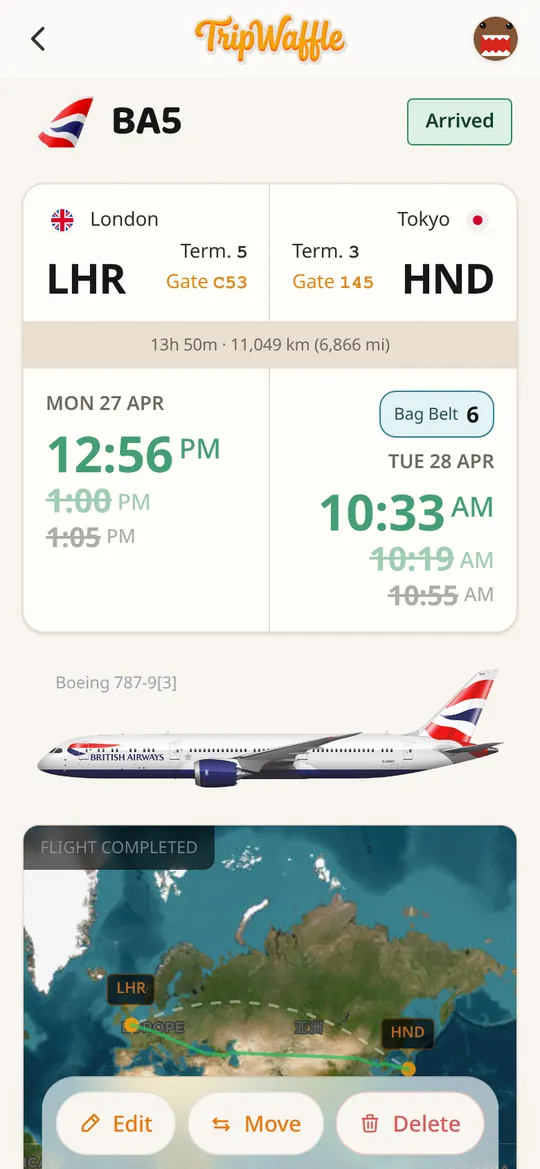
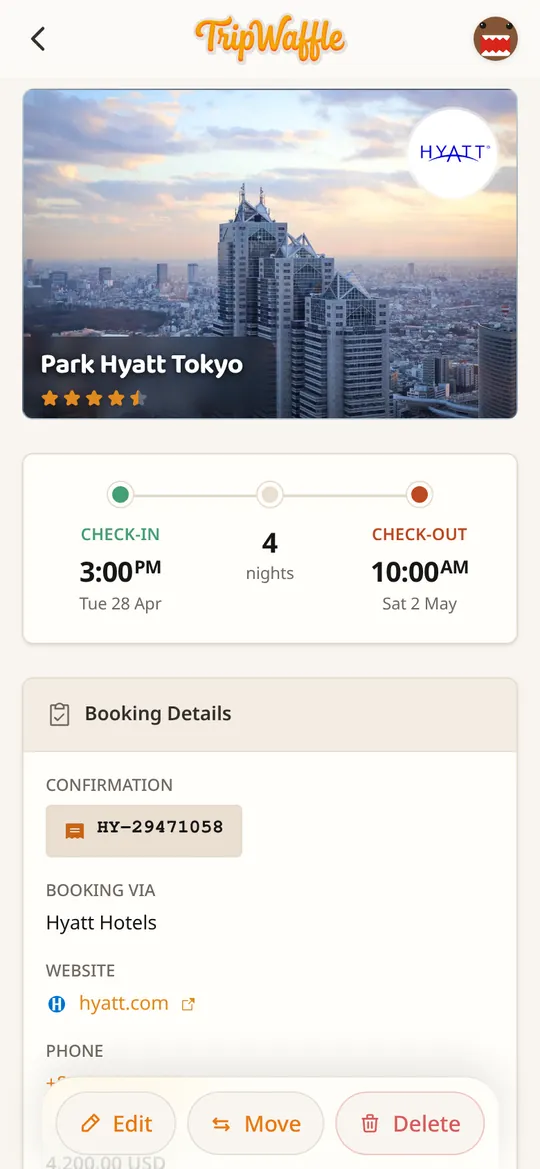
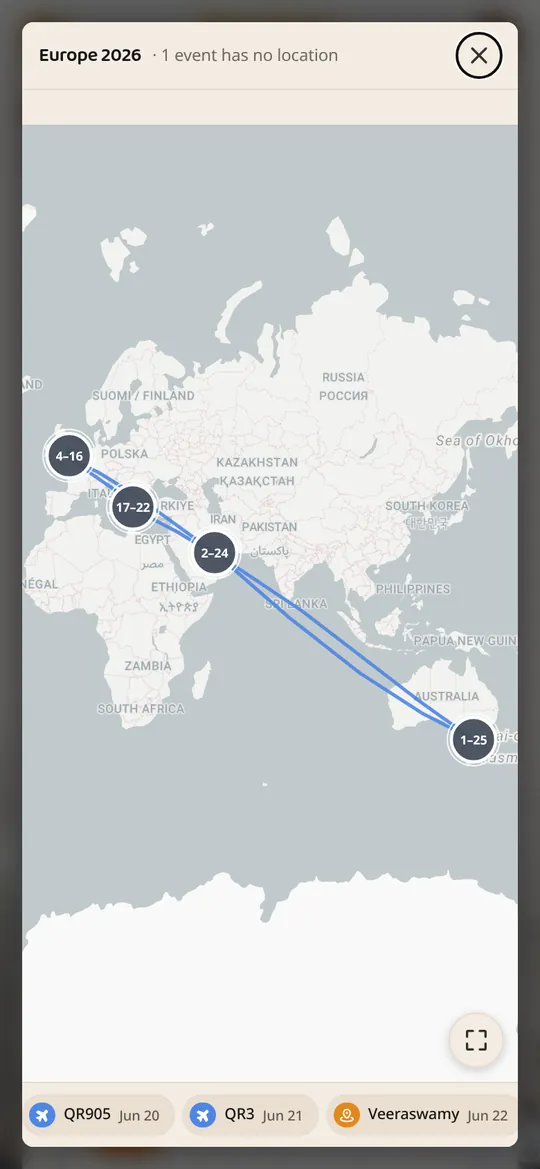
TripWaffle organizes your whole trip in one beautiful itinerary - and watches over it: government advisory alerts, the local emergency number, and entry requirements for Sweden, plus live flight tracking. Just forward your confirmation emails.


100% free · 3 second signup
Last updated: May 27, 2026