Is Chinatown Safe?
Assuming this refers to Bangkok's Chinatown around Yaowarat, the area is generally manageable for visitors but busy, chaotic, and best approached with street-smart habits. The main risks are pickpocketing in crowds, transport overcharging, late-night confusion, and heavy traffic rather than serious violent crime.
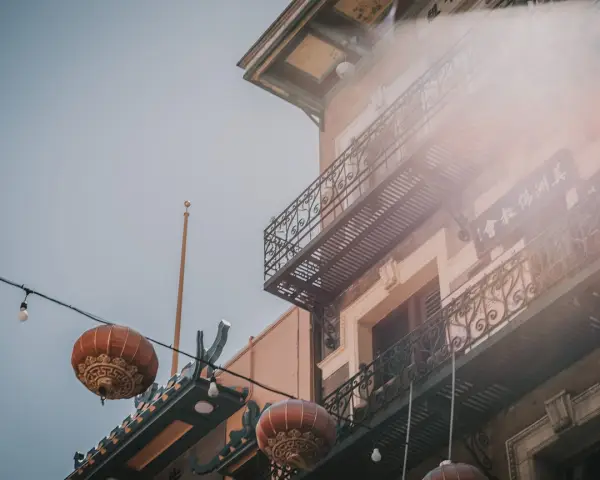
Photo: Frames For Your Heart / Unsplash
Perception vs Reality: Chinatown can feel more dangerous than it usually is because of dense crowds, noise, and traffic. In practice, most problems are petty theft, pricing scams, and getting disoriented after dark rather than targeted violent crime.
Risk Scores
Scale: 1 = very low risk, 10 = very high risk
Safety Overview
Overall Safety
Usually safe for tourists who keep an eye on bags, phones, and transport fares. The bigger hazard is often traffic, crowding, and late-night street confusion.
Violent Crime
Serious violent crime against visitors is not a defining risk here. Most incidents are opportunistic theft or disputes tied to nightlife or transport.
Petty Crime
Crowded food streets, markets, and transit links create a moderate pickpocket risk. Keep valuables zipped and avoid displaying phones at the curb.
Scams
Expect taxi meter refusal, inflated tuk-tuk prices, and occasional tourist-targeted detours or shopping pitches. Verify prices before ordering seafood or taking a ride.
Night Safety
Busy main roads stay active late, which helps, but smaller lanes become quieter and more confusing after closing. Late-night intoxication and poor lighting increase risk.
Public Transport
MRT access is straightforward, but station exits, market alleys, and curbside boarding areas can be crowded. Use licensed taxis or app-based rides when possible.
Police & Emergency
Police presence exists in central Bangkok areas, but language and traffic can slow things down. Staff at major hotels, malls, and MRT stations are often the quickest help points for visitors.
Day vs Night
Daytime
Generally straightforward, though traffic, heat, and packed markets can be tiring. Petty theft risk is highest in the most crowded shopping lanes.
Nighttime
Main food streets remain lively and usually feel safer than empty residential lanes, but late hours bring more intoxication, transport scams, and navigation mistakes.
Seasonal: Chinese New Year and major festival periods bring much heavier crowds, slower transport, and a higher chance of losing valuables or companions in the crush.
Who’s Visiting?
Tourists usually visit without major trouble, especially on the main Yaowarat stretch. Most issues involve overcharging, petty theft, and getting pulled into bad-value transport or shopping stops.
Common Risks
- ⚠ Pickpocketing in dense street-food crowds
- ⚠ Taxi or tuk-tuk overcharging
- ⚠ Inflated seafood or market pricing
- ⚠ Phone theft when distracted near roads
Tips
- ✓ Carry a crossbody bag with zips facing inward
- ✓ Agree on price or insist on the meter before riding
- ✓ Check menu pricing before ordering seafood
- ✓ Use offline maps because side lanes can be confusing
Generally manageable for solo women in busy areas, especially in the evening rush when streets are active. Risk rises in quiet side lanes, after heavy drinking, or when accepting unsolicited transport offers.
Common Risks
- ⚠ Harassment from persistent touts or drivers
- ⚠ Drink tampering in nightlife settings
- ⚠ Following the wrong person into a quiet lane
- ⚠ Ride overcharging late at night
Tips
- ✓ Prefer main roads and well-lit food streets after dark
- ✓ Use app rides or clearly marked taxis for late returns
- ✓ Watch drinks being made and do not leave them unattended
- ✓ Share live location if going out late
Thailand is broadly tolerant by regional standards, and visitors are unlikely to face major legal risk here. Social comfort is usually good in tourist-heavy Bangkok areas, though public reactions can still vary by setting and time of night.
Same-sex relationships are legal, and Thailand is comparatively LGBTQ-friendly. Social acceptance is generally high in Bangkok, but public displays of affection may still attract attention in more traditional settings.
Common Risks
- ⚠ Verbal comments from intoxicated people late at night
- ⚠ Scams or overcharging in nightlife settings
- ⚠ General tourist-targeted petty theft
Tips
- ✓ Stick to busy, established venues if out late
- ✓ Treat dating-app meetups cautiously and meet in public places
- ✓ Use the same theft and transport precautions as other tourists
Families usually find Chinatown lively rather than threatening, but the area can be exhausting because of narrow footpaths, heat, crowds, and fast-moving traffic.
Common Risks
- ⚠ Children getting separated in crowds
- ⚠ Traffic when crossing wide roads
- ⚠ Food hygiene variation at small stalls
- ⚠ Heat and dehydration
Tips
- ✓ Set a meeting point before entering crowded streets
- ✓ Hold hands on sidewalks and road crossings
- ✓ Choose busy food stalls with high turnover
- ✓ Carry water and avoid the hottest afternoon hours
Safe enough for short stays and remote-work visits, but not the calmest part of Bangkok. The main concerns are street distraction theft, transport friction, and occasional weak comfort rather than high crime.
Common Risks
- ⚠ Phone theft while navigating streets
- ⚠ Bag theft in crowded cafés or food courts
- ⚠ Meter refusal or inflated short rides
- ⚠ Noise and congestion reducing situational awareness
Tips
- ✓ Do not leave laptops or phones unattended at tables
- ✓ Back up device data and use screen locks
- ✓ Use app rides for short night transfers
- ✓ Pick accommodation on a well-lit main road or near MRT access
Crime & Threats
Pickpocketing
MediumMost likely in packed food lanes, market stretches, and transit approaches, especially when people stop to film or queue.
Phone Snatching
MediumNot constant, but visible phone use near the curb or on motorbike-heavy streets creates opportunity.
Robbery
LowStreet robbery is less common than opportunistic theft, though isolated late-night lanes are less comfortable.
Assault
LowAssault risk for typical visitors is relatively low and more often linked to drunken disputes than random targeting.
Drink Spiking
MediumA moderate nightlife risk in bars and late venues rather than on ordinary food streets. Watch drinks closely.
Taxi Scams
HighMeter refusal, inflated flat fares, and unnecessary detours are common enough to plan around.
ATM Skimming
LowNot a standout local threat, but use ATMs inside banks, malls, or stations instead of isolated street machines.
Tourist Scams
MediumCommon patterns include overpriced tuk-tuks, shopping detours, and restaurant bill surprises if prices were unclear.
Common Scams
Meter refusal taxi
A driver declines the meter and quotes a high flat fare, especially at night or in tourist-heavy pickup spots.
Ask for the meter before getting in, or use an app ride if the driver resists.
Tuk-tuk shopping detour
A very cheap ride becomes a loop through jewelry or souvenir shops where the driver earns commission.
Avoid rides that seem far below normal price and decline extra stops.
Overpriced seafood bill
You order without checking weight or menu pricing and receive a much higher bill than expected.
Confirm price per dish or per weight before ordering and keep the menu visible.
Distract-and-lift theft
In crowded markets, someone bumps or distracts you while a wallet or phone is taken.
Keep valuables zipped, carried in front, and avoid open pockets.
Area Map
Approximate locations from public sources. Conditions vary by time of day and current events.
Area Safety
Safer Areas
Busy, well-known, and heavily trafficked with lots of shops and food stalls, especially in the evening.
Good transport access and steady foot traffic make it easier to arrive and leave without relying on street negotiations.
Generally active and easier to navigate than quieter back lanes.
Be More Careful
Less foot traffic, weaker lighting, and more confusion if you are unfamiliar with the area.
Very tight foot traffic creates better conditions for pickpocketing and bag tampering.
Common place for transport overcharging, route confusion, and distraction theft.
Getting Around
Walking
Walking is normal but sidewalks can be narrow, uneven, or blocked by vendors. Traffic is a bigger day-to-day hazard than crime, so cross carefully and avoid staring at your phone near the road.
Taxis & Rideshare
Use ride-hailing apps or insist on the meter in regular taxis. Be wary of tuk-tuk drivers offering unusually cheap tours or adding shopping stops.
Trains & Buses
MRT is usually the simplest and safest option for reaching Chinatown. Bus travel is workable but less intuitive for visitors and more vulnerable to crowding and confusion.
Do’s & Don’ts
Do
- Keep bags zipped and worn across the body
- Use MRT or app rides for smoother arrivals and departures
- Check restaurant prices before ordering
- Stay on active, well-lit streets at night
- Carry small cash and keep the rest separate
Don’t
- Do not leave phones on tables or near the road edge
- Do not accept vague tour offers from street drivers
- Do not wander into quiet alleys late if you are unsure of the route
- Do not flash cash, jewelry, or expensive cameras in market crowds
- Do not get into a taxi without fare clarity
How Does It Compare?
Safer Than
Riskier Than
This is a busy commercial district with moderate petty-crime and scam exposure, but it is not among Thailand's highest-risk urban areas for visitors.
Frequently Asked Questions
Usually yes on busy main streets, but quiet side alleys, heavy drinking, and transport overcharging make late nights less comfortable.
Petty theft in crowds and transport scams are more common than violent crime.
Generally yes in active areas, especially with app rides, clear route planning, and normal nightlife precautions.
Data Notes
- The location name is ambiguous; this profile assumes Bangkok's Chinatown around Yaowarat rather than a smaller Chinatown elsewhere in Thailand.
- Risk can shift noticeably during Chinese New Year, major festival nights, and very late hours.
- Area-by-area conditions change quickly depending on crowd density, shop closing times, and transport availability.
Other Destinations in Bangkok
Traveling to Chinatown?
TripWaffle organizes your whole trip in one beautiful itinerary - and watches over it: government advisory alerts, the local emergency number, and entry requirements for Chinatown, plus live flight tracking. Just forward your confirmation emails.


100% free · 3 second signup
Last updated: May 27, 2026