Is Brazil Safe?
Brazil is manageable for prepared travelers, but safety varies sharply by city, neighborhood, and time of day. Petty theft and phone snatching are common in major cities and tourist zones, and armed robbery is a real risk in some urban areas, especially after dark. Most visits are trouble-free when travelers stay in well-chosen areas, use app-based transport, and keep valuables out of sight.
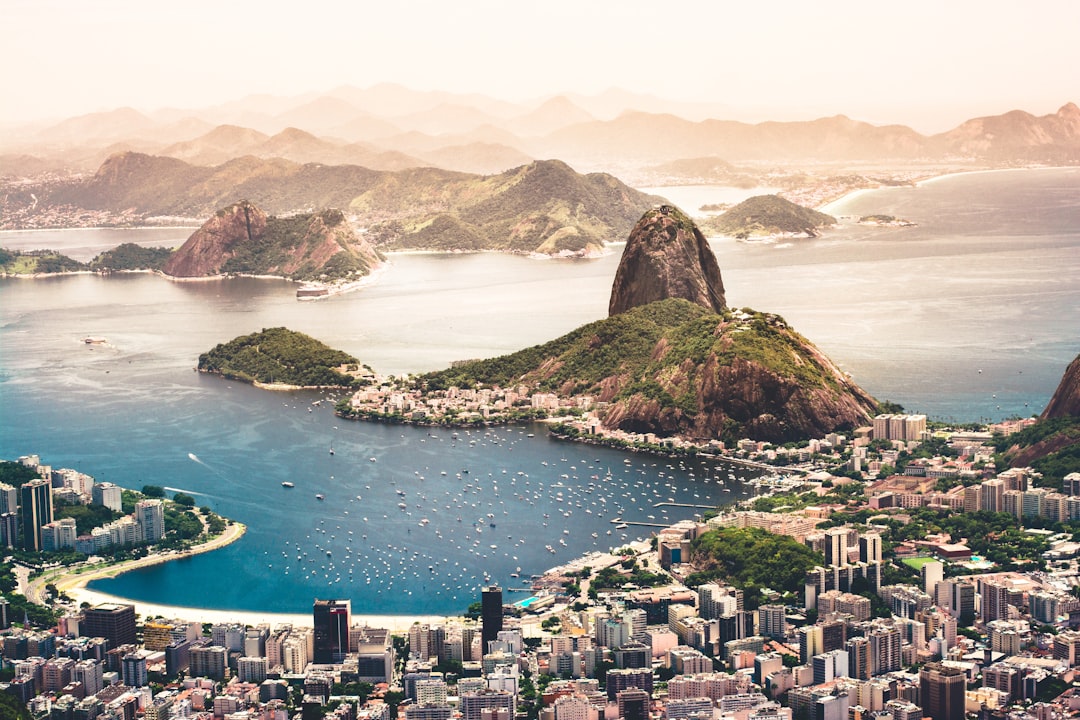
Photo: Agustin Diaz Gargiulo / Unsplash
Perception vs Reality: Brazil is not uniformly dangerous, but it is also not just a media stereotype. Many tourist areas are busy and manageable in daylight, while nearby streets or outer neighborhoods can feel much riskier very quickly.
Risk Scores
Scale: 1 = very low risk, 10 = very high risk
Safety Overview
Overall Safety
Not a low-risk destination, but manageable with local awareness. The biggest issues for visitors are theft, phone snatching, and being in the wrong area after dark.
Violent Crime
Armed robbery and assault are real concerns in some urban areas, especially on quiet streets, near poorly known neighborhoods, or when valuables are visible.
Petty Crime
Pickpocketing and phone theft are common in busy tourist areas, beaches, transit hubs, and crowded city centers.
Scams
The most common traveler scams involve taxis, card machine overcharging, and distraction theft near beaches, nightlife, and transport points.
Night Safety
Risk rises noticeably at night. Even in better districts, empty streets, beachfront promenades, and bus stops can become poor choices late.
Public Transport
Metro systems are usually safer than buses where available, but crowded stations and bus corridors attract thieves.
Police & Emergency
Police presence is visible in some tourist zones, but response quality varies by city and state. Reporting can be slower and easier with hotel staff or Portuguese-speaking help.
Day vs Night
Daytime
Daytime is usually manageable in busy, known areas if you keep valuables discreet and avoid displaying phones on the street.
Nighttime
Night brings a clear jump in risk in many Brazilian cities. Walking between venues, waiting at bus stops, or wandering into quiet side streets is where many visitor incidents happen.
Seasonal: Carnival, New Year's, major concerts, football matches, and peak beach weekends increase crowding, theft, and transport confusion. Summer rains can also cause flooding or landslides in some regions.
Who’s Visiting?
Tourists are most likely to face theft rather than targeted violence, but visible phones, jewelry, cameras, and beach bags draw attention.
Common Risks
- ⚠ Pickpocketing in crowded areas
- ⚠ Phone snatching from sidewalks or traffic lights
- ⚠ Beach theft when belongings are unattended
- ⚠ Taxi overcharging or unofficial airport pickups
Tips
- ✓ Carry only the cash and cards you need for the day.
- ✓ Keep your phone off the street edge and away from open car windows.
- ✓ Use app-based rides at night instead of walking between venues.
- ✓ Ask accommodation staff which nearby streets to avoid after dark.
Solo women can travel successfully in Brazil, especially in major tourist areas, but should plan transport carefully and avoid isolated routes at night.
Common Risks
- ⚠ Harassment in nightlife areas
- ⚠ Unwanted attention on beaches and public transport
- ⚠ Taxi or rideshare discomfort if using unverified vehicles
- ⚠ Higher vulnerability on quiet streets after dark
Tips
- ✓ Choose lodging in busy, well-reviewed areas with reliable transport access.
- ✓ Use verified rideshare or official taxis, and check the plate before entering.
- ✓ Avoid walking alone late, even for short distances, in unfamiliar areas.
- ✓ Limit alcohol intake if out alone and keep your drink in sight.
Brazil has visible LGBTQ scenes in major cities, but comfort and safety vary a lot by region, neighborhood, and time of day.
Same-sex relations and marriage are legal, and large cities such as São Paulo and Rio have established LGBTQ venues and events. Social acceptance is uneven, and harassment or targeted hostility can still occur, especially outside major urban centers or away from known nightlife areas.
Common Risks
- ⚠ Verbal harassment in conservative areas
- ⚠ Nightlife-related theft or assault
- ⚠ Greater visibility risk outside large cities
- ⚠ Public displays of affection drawing unwanted attention in some areas
Tips
- ✓ Prefer well-known LGBTQ-friendly neighborhoods, bars, and hotels.
- ✓ Use rideshare at night rather than walking between venues.
- ✓ Be more discreet in smaller towns or conservative areas if the local atmosphere feels tense.
- ✓ Ask local hosts or hotel staff which areas are considered welcoming.
Families usually face practical urban risks such as theft, traffic, and crowding rather than direct targeting.
Common Risks
- ⚠ Bag theft in tourist zones
- ⚠ Children getting separated in crowded beaches or festivals
- ⚠ Traffic hazards and reckless driving
- ⚠ Late-night movement in unfamiliar areas
Tips
- ✓ Use child ID bands or hotel cards in crowded places.
- ✓ Keep beach visits simple and avoid bringing valuables.
- ✓ Use car seats where possible and pre-book reliable transport.
- ✓ Return to accommodation before streets become quiet.
Brazil is workable for remote workers in cities like São Paulo, Rio, Florianópolis, and Curitiba, but street theft and device security are key concerns.
Common Risks
- ⚠ Laptop or phone theft in cafés and shared spaces
- ⚠ Snatch theft while using devices outdoors
- ⚠ Property theft in weakly secured short-term rentals
- ⚠ Card fraud or payment disputes
Tips
- ✓ Choose secure buildings and well-reviewed neighborhoods.
- ✓ Avoid working with laptops on the street or near open sidewalks.
- ✓ Use backup cards and cloud backups for essential documents.
- ✓ Check apartment access, door security, and late-night street conditions before booking.
Crime & Threats
Pickpocketing
HighCommon in crowded tourist districts, public transport, festivals, and markets, especially in Rio, São Paulo, Salvador, and Recife.
Phone Snatching
HighA frequent issue in major cities, often carried out quickly by thieves on foot, bikes, or motorcycles near curbs and traffic.
Robbery
HighStreet robbery, including armed robbery, occurs in some urban areas and rises on quiet streets or at night.
Assault
MediumAssault risk is moderate overall but can increase around nightlife, intoxication, relationship disputes, or in high-crime districts.
Drink Spiking
MediumReported in nightlife settings, especially where drinks are left unattended or accepted from strangers.
Taxi Scams
MediumCommon issues include no-meter rides, inflated fares, longer routes, and unofficial taxis near airports or nightlife areas.
ATM Skimming
MediumCard cloning and suspicious machines are risks, especially at standalone ATMs or poorly monitored locations.
Tourist Scams
MediumMost are small-scale cons tied to distraction, inflated prices, card handling, or fake helpfulness rather than elaborate fraud.
Common Scams
Card machine amount switch
A vendor or driver enters a higher amount, covers the screen, or claims the first payment failed and asks you to tap again.
Read the screen yourself, do not let your card leave your hand, and check app alerts immediately.
Unofficial taxi or fare inflation
A driver approaches outside airports, bus stations, or nightlife areas, then refuses the meter or takes a longer route.
Use rideshare apps or official taxi queues, and confirm fare rules before moving.
Beach or bar distraction theft
One person distracts you with conversation, a sales pitch, or a minor commotion while another takes a phone, bag, or wallet.
Keep valuables minimal, never leave items unattended, and stay alert when approached in crowded settings.
Friendly local setup
Someone acts unusually helpful, invites you somewhere, or creates a casual interaction that ends in overcharging, theft, or pressure to pay.
Be polite but firm, decline unplanned offers, and stick to known venues and transport.
Area Safety
Safer Areas
Often feels calmer and more organized than many large Brazilian capitals, though theft still happens in nightlife and beach areas.
Generally seen as more orderly and lower-stress than Brazil's highest-risk tourist cities, especially in central and business districts.
Structured layout and stronger official presence can make movement more predictable, though streets can feel empty at night.
Be More Careful
Theft and robbery risks rise fast once streets thin out or routes cross unfamiliar zones.
Tourist activity drops sharply at night, creating more opportunities for theft and robbery.
Visitors can enter higher-risk areas by mistake using maps or wrong routes, with less police presence and fewer safe fallback options.
Getting Around
Walking
Fine in many busy areas during the day, but keep your phone put away near curbs and avoid isolated streets. At night, short walks that seem easy on a map may still be a bad idea.
Taxis & Rideshare
App-based rides are usually the safer choice, especially at night. Verify the plate and driver, and use official taxi ranks at airports if not using rideshare.
Trains & Buses
Metro is usually the best public option where available. Buses are more variable, can be crowded, and are more exposed to theft, especially after dark or on unfamiliar routes.
Do’s & Don’ts
Do
- Use app-based rides after dark.
- Carry a low profile and keep jewelry minimal.
- Ask locals which exact streets are okay at night.
- Keep bags zipped and phones out of hand in crowded areas.
- Use ATMs inside banks, malls, or airports when possible.
Don’t
- Do not walk at night just because the distance looks short on a map.
- Do not leave phones on café tables or beach towels.
- Do not enter unfamiliar favelas or peripheral neighborhoods without local guidance.
- Do not flash expensive watches, cameras, or large amounts of cash.
- Do not accept unofficial taxi offers outside transport hubs.
How Does It Compare?
Frequently Asked Questions
Usually yes with planning, but theft is common in big cities and tourists should be careful with phones, bags, and nighttime movement.
For most visitors, the main problem is petty crime such as phone snatching, pickpocketing, and opportunistic theft in busy urban areas.
In many cities, risk rises sharply at night. Busy nightlife zones may be fine for short, direct walks, but rideshare is often the better choice.
Data Notes
- Brazil is extremely diverse, and safety can change block by block within the same city.
- Crime patterns shift with local policing, seasonal events, and neighborhood conditions, so broad national guidance has limits.
- Some places with a strong dangerous reputation have improved in parts, while others can still feel unsafe outside a few well-patrolled zones.
Explore Areas in Brazil
Brasília
Is Brasília safe?
View safety guide →Florianópolis
Is Florianópolis safe?
View safety guide →Recife
Is Recife safe?
View safety guide →Rio de Janeiro
Is Rio de Janeiro safe?
View safety guide →Salvador
Is Salvador safe?
View safety guide →São Paulo
Is São Paulo safe?
View safety guide →Traveling to Brazil?
TripWaffle organizes your entire trip — flights, hotels, trains, events — in one beautiful itinerary. Just forward your confirmation emails.


100% free · 3 second signup
Last updated: March 21, 2026