
Is Toronto Safe?
Toronto is generally a safe big city by North American standards, especially for tourists staying in central areas and using normal urban awareness. Most visitor issues are low-level theft, nightlife-related problems, and occasional disorder on transit rather than targeted violent crime.
Photo: Berkay Gumustekin / Unsplash
Perception vs Reality: Toronto often feels safer than many large North American cities, but that does not mean risk-free. Media coverage of shootings and car theft can sound alarming, while most visitors are more likely to encounter petty theft, aggressive panhandling, or late-night disorder.
Risk Scores
Scale: 1 = very low risk, 10 = very high risk
Safety Overview
Overall Safety
Toronto is one of the safer major cities in North America. Visitors usually have trouble only in crowded nightlife zones, on late-night transit, or when leaving valuables visible.
Violent Crime
Serious violence exists but is not commonly directed at tourists. Most visitors face far higher odds of nuisance incidents than violent attack.
Petty Crime
Pickpocketing is not as intense as in some European capitals, but phone theft, bag theft in cafes, and car break-ins do happen. Watch your belongings in busy downtown areas and on transit.
Scams
Scams are usually low-pressure and simple: taxi overcharging, fake fundraising, card issues at ATMs, and online rental fraud. Street scam pressure is lower than in many global tourist hubs.
Night Safety
Downtown is usually fine in busy areas, but risk rises after bars close, especially around club strips, transit stations, and quieter side streets. Avoid walking alone while intoxicated.
Public Transport
The TTC is widely used and generally safe, though some riders report harassment, open drug use, or erratic behavior, especially late at night. Sit near other passengers or the operator when possible.
Police & Emergency
Emergency response via 911 is reliable. Day-to-day police presence is visible downtown, though non-emergency response can feel slow for minor incidents.
Day vs Night
Daytime
Daytime in central Toronto is typically low risk, including for solo travelers. Normal city awareness is usually enough.
Nighttime
Risk rises moderately after dark, especially near bars, transit hubs, and quieter side streets. Plan your route home if staying out late.
Seasonal: Big events, festivals, and sports nights increase theft opportunity and crowd-related friction. Winter adds slip hazards, reduced visibility, and longer waits outdoors.
Who’s Visiting?
Tourists are usually safe in Toronto and are rarely singled out, but theft from unattended bags, nightlife incidents, and transport confusion are the main practical issues.
Common Risks
- ⚠ Bag or phone theft in crowded areas
- ⚠ Taxi overcharging or unlicensed cabs
- ⚠ Late-night disorder around bars and clubs
- ⚠ Rental or ticket scams online
Tips
- ✓ Use licensed taxis or rideshare, especially from airports and nightlife areas
- ✓ Keep phones and wallets secure on transit and patios
- ✓ Choose accommodation near a subway or in busy central neighborhoods
- ✓ Do not leave bags, passports, or electronics visible in cars
Toronto is one of the easier large cities for solo women to navigate, especially in daylight and central neighborhoods. The main concerns are harassment, unwanted attention when drinking, and isolated areas late at night.
Common Risks
- ⚠ Verbal harassment
- ⚠ Drink tampering in nightlife settings
- ⚠ Following or unwanted attention after bars close
- ⚠ Disorderly behavior on late-night transit
Tips
- ✓ Prefer well-lit main streets over quiet shortcuts at night
- ✓ Watch drinks closely and avoid leaving them unattended
- ✓ Use rideshare or licensed taxis after late nights out
- ✓ If a transit car feels uncomfortable, switch cars or sit near others
Toronto is generally very welcoming for LGBTQ+ travelers, with visible queer communities and nightlife. Safety concerns are usually the same as for other visitors rather than legal risk.
Same-sex relationships and LGBTQ+ expression are legal and broadly accepted. Social acceptance is high in central Toronto, especially in and around Church-Wellesley, though isolated harassment can still happen.
Common Risks
- ⚠ Occasional verbal harassment
- ⚠ Late-night intoxicated crowds
- ⚠ Dating-app meetups with theft or misrepresentation
Tips
- ✓ Church-Wellesley and central nightlife areas are generally comfortable bases
- ✓ Treat app-based meetups like in any big city and avoid isolated first meetings
- ✓ Use normal nightlife precautions with drinks and belongings
Toronto works well for families, with safe central attractions, parks, and reliable transport. The main issues are busy traffic, cold winter conditions, and keeping track of belongings in crowded places.
Common Risks
- ⚠ Traffic at busy intersections
- ⚠ Crowding at major attractions
- ⚠ Winter ice and cold exposure
- ⚠ Transit delays or confusion
Tips
- ✓ Use major pedestrian crossings and watch for turning vehicles
- ✓ Dress for weather; winter sidewalks can be icy
- ✓ Keep children close in transit stations and event crowds
- ✓ Book family lodging in walkable central neighborhoods
Toronto is comfortable for remote workers, but costs are high and theft from laptops or bags left unattended is a more realistic risk than street crime.
Common Risks
- ⚠ Laptop or bag theft in cafes
- ⚠ Short-term rental scams
- ⚠ Bike theft
- ⚠ Public Wi-Fi privacy risks
Tips
- ✓ Do not leave devices unattended, even briefly
- ✓ Verify rentals carefully and be cautious with off-platform payments
- ✓ Use a VPN on public Wi-Fi
- ✓ Lock bikes with a strong U-lock and avoid overnight street storage
Crime & Threats
Pickpocketing
MediumNot constant, but possible in busy downtown zones, major events, and packed streetcars or subway cars.
Phone Snatching
MediumPhones are sometimes grabbed from hands or cafe tables, especially where riders can quickly board transit or bikes.
Robbery
LowStreet robbery is not a leading tourist risk, though intoxicated people late at night are more vulnerable.
Assault
LowMost visitors will not face assault, but nightlife fights and isolated late-night encounters do occur.
Drink Spiking
MediumReports exist in nightlife settings, so monitor drinks closely and avoid accepting open drinks from strangers.
Taxi Scams
MediumOvercharging, route-padding, and unofficial airport or club-area pickups are the main issues. Licensed taxis and app rides reduce the risk.
ATM Skimming
LowNot a dominant issue, but use bank-branch ATMs and check card readers if anything looks loose or unusual.
Tourist Scams
LowToronto has fewer classic tourist scams than many global cities, but fake charities, ticket resale scams, and online booking fraud do happen.
Common Scams
Taxi overcharge or route padding
A driver takes a longer route, claims a broken meter, or quotes a flat fare higher than normal.
Use licensed taxis or rideshare, check the route on your phone, and avoid unofficial pickups.
Fake charity or street petition
Someone asks for donations or signatures, using distraction or pressure while an accomplice watches your belongings.
Keep walking if uninterested and do not pull out your wallet on the street.
Online rental scam
A fake short-term rental is advertised with pressure to pay deposits off-platform.
Book through reputable platforms and avoid wire transfers or cash deposits to strangers.
Ticket resale scam
Fake or duplicated event tickets are sold online or near venues.
Buy from official sellers or major verified resale platforms.
Distraction theft in cafes or bars
A bag or phone is taken while you are ordering, using the restroom, or distracted by conversation.
Keep valuables on your person or loop a bag around a chair leg and stay within arm's reach.
Area Map
Approximate locations from public sources. Conditions vary by time of day and current events.
Area Safety
Safer Areas
Upscale, busy, and well-trafficked with good hotels and dining.
Lively residential area with students, shops, and regular foot traffic.
Popular pedestrian area that is generally calm and visitor-friendly.
Well-used waterfront area with frequent visitors and families during the day.
Be More Careful
Higher visible drug use, encampments, and street disorder than most tourist areas.
Crowds, intoxicated people, occasional fights, and phone theft after bars close.
Low foot traffic and limited visibility make them less comfortable at night.
Not typically relevant to tourists, but it has a longstanding reputation for higher crime than central visitor areas.
Getting Around
Walking
Walking is generally safe in busy central areas. Be more alert on empty streets, around closed storefronts, and in parks or ravines after dark.
Taxis & Rideshare
Rideshare and licensed taxis are usually straightforward. Confirm the plate and driver, and avoid unofficial airport or nightlife pickups.
Trains & Buses
The TTC is broadly safe and useful, though late-night trips can involve disruptive behavior. Stay aware on platforms and keep valuables secured.
Do’s & Don’ts
Do
- Keep phones and wallets secure in crowded downtown areas
- Use licensed taxis or rideshare after late nights out
- Stay on well-lit main streets at night
- Use bank-branch ATMs when possible
- Dress for weather, especially in winter
Don’t
- Do not leave valuables visible in parked cars
- Do not leave drinks unattended in bars or clubs
- Do not flash cash or expensive items on transit
- Do not take isolated shortcuts through parks or ravines after dark
- Do not pay off-platform for rentals or event tickets
How Does It Compare?
Safer Than
Toronto is safer than many large North American cities, but it is still a major urban environment with nightlife, transit, and theft-related risks.
Frequently Asked Questions
Yes, Toronto is generally safe for tourists. Most visitor issues involve petty theft, nightlife problems, or late-night transit discomfort rather than serious violent crime.
Mostly yes in busy central areas, but risk rises after bars close and on quieter streets. Use rideshare or licensed taxis if you are out late.
Use extra awareness around Moss Park, parts of Sherbourne Street, nightclub areas late at night, and isolated parks or ravines after dark.
Data Notes
- Risk levels can vary block by block, especially in downtown east areas and nightlife zones.
- Transit safety perception changes over time due to periodic disorder and service conditions.
- Neighborhood reputations such as Jane and Finch may not reflect every street or time of day.
Traveling to Toronto?
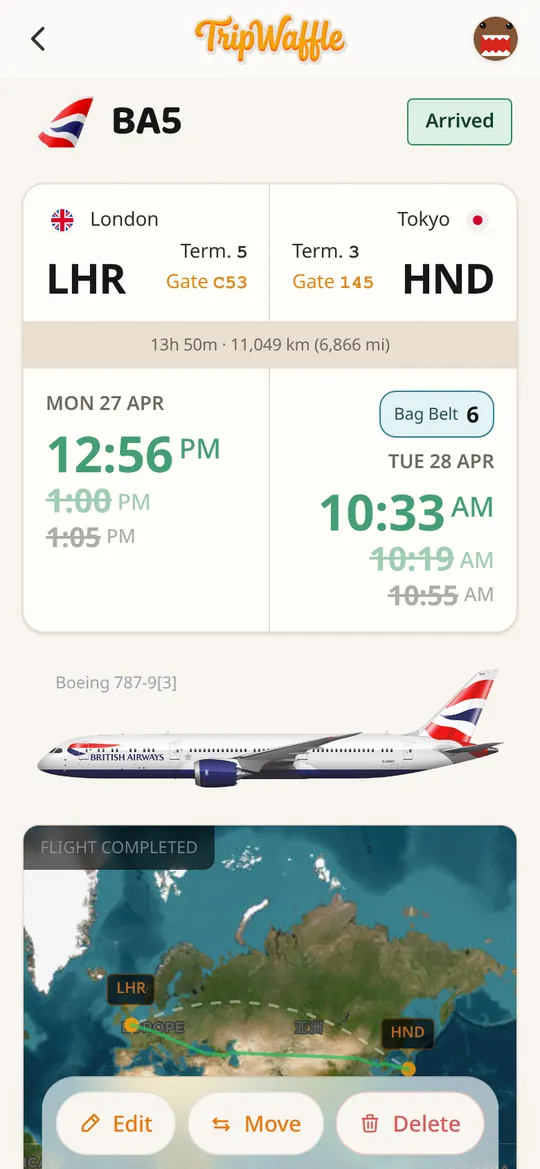
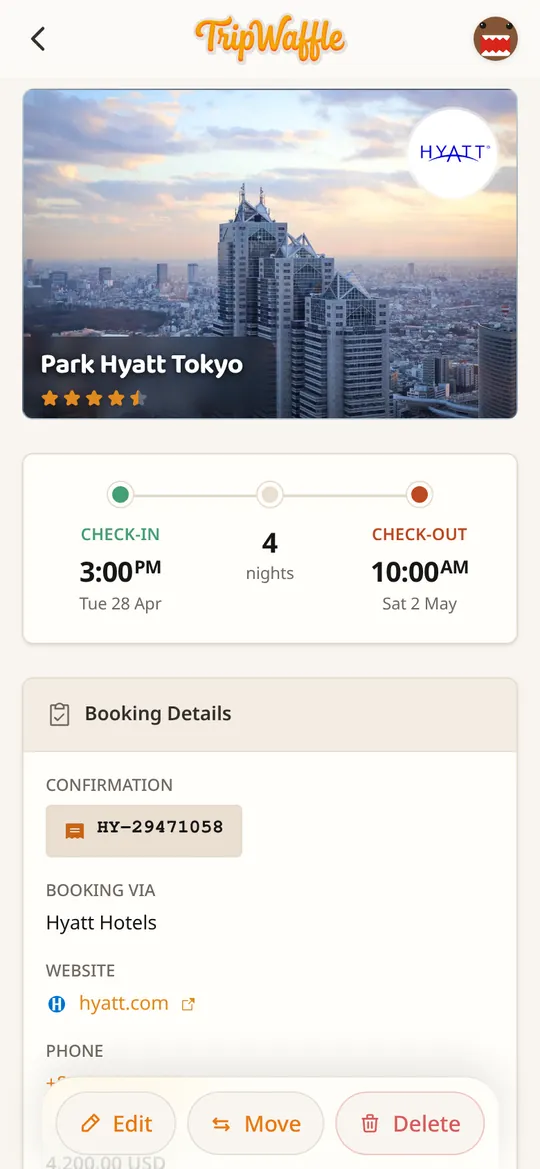
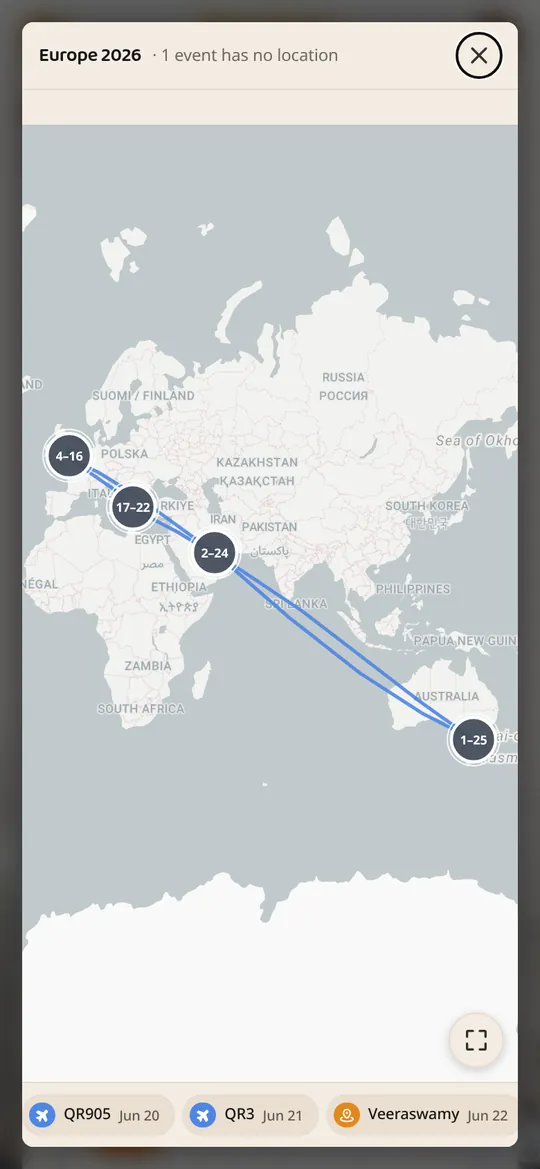
TripWaffle organizes your whole trip in one beautiful itinerary - and watches over it: government advisory alerts, the local emergency number, and entry requirements for Toronto, plus live flight tracking. Just forward your confirmation emails.


100% free · 3 second signup
Last updated: September 21, 2026