
Is China Safe?
China is generally safe for travelers, especially in major cities where violent street crime is relatively uncommon. The main problems are petty theft in crowded places, tourist scams in well-known sightseeing areas, nightlife overcharging, transport crowding, and practical issues such as language barriers, digital restrictions, and stricter rule enforcement than many visitors expect.
Photo: Ling Tang / Unsplash
Perception vs Reality: China is often perceived as risky because of politics or censorship, but day-to-day street safety for visitors is usually better than many travelers expect. The bigger challenge is often rules, surveillance, and navigating systems rather than violent crime.
Risk Scores
Scale: 1 = very low risk, 10 = very high risk
Safety Overview
Overall Safety
China is usually safe for everyday travel, particularly in large cities with strong police presence and extensive surveillance. Most visitors are more likely to face scams, crowd-related theft, or rule-related hassles than violent crime.
Violent Crime
Violent attacks against travelers are uncommon in major urban areas. Risks rise mainly around heavy drinking, personal disputes, or isolated areas late at night.
Petty Crime
Pickpocketing happens most often in packed metro lines, train stations, night markets, and famous tourist zones. Keep phones and wallets secured, especially during holiday travel peaks.
Scams
The most common visitor scams are tea house or bar invitation scams, fake monks or donation requests, taxi overcharging, and inflated prices near attractions. Friendly strangers offering an 'art show' or 'tea ceremony' can be a red flag.
Night Safety
Central nightlife districts are often busy and fairly well lit, but overcharging, drink tampering, and transport confusion are bigger concerns after dark. Quiet side streets, parks, and unlicensed cars are less comfortable late at night.
Public Transport
China's trains, metros, and airports are generally safe and efficient. The main issues are crowding, luggage theft risk during peak periods, and communication barriers if something goes wrong.
Police & Emergency
Police visibility is high in many cities, and response in major urban areas is usually adequate. Reporting can be slowed by language barriers, so keep your hotel address and key details written in Chinese.
Day vs Night
Daytime
Daytime is generally straightforward in city centers, tourist districts, and public transport networks. Crowded attractions and stations are the main pickpocket and scam environments.
Nighttime
Night can still feel relatively safe in busy central districts, but risk rises around bars, karaoke venues, isolated streets, and the final hours of public transport when taxi scams are more common.
Seasonal: Chinese New Year, Golden Week, and major festivals bring extreme crowds, sold-out transport, and more petty theft opportunities. Summer brings typhoons and flooding in some southern and eastern regions, while winter can mean ice and transport disruption in the north.
Who’s Visiting?
Most tourists find China safer on the street than expected, especially in Beijing, Shanghai, Shenzhen, Hangzhou, and other major cities. The bigger headaches are scams near attractions, digital access issues, and navigating transport or payments.
Common Risks
- ⚠ Tea house or bar bill scams
- ⚠ Pickpocketing in crowds
- ⚠ Taxi overcharging or route padding
- ⚠ Language barriers during incidents
- ⚠ Blocked apps and payment confusion
Tips
- ✓ Use official taxi queues or app-based rides where possible.
- ✓ Keep your passport secure and carry a copy plus hotel details.
- ✓ Be wary of strangers inviting you to tea, bars, or private galleries.
- ✓ Watch your belongings closely in train stations, metros, and holiday crowds.
China is often manageable for solo women, with comparatively low street violence in major cities. Harassment can still happen, especially in nightlife settings, on long-distance transport, or in less international areas.
Common Risks
- ⚠ Unwanted attention in bars or clubs
- ⚠ Overcharging by drivers late at night
- ⚠ Drink spiking or pressure drinking in nightlife venues
- ⚠ Harassment on crowded transport
Tips
- ✓ Choose well-reviewed hotels near metro stations or busy streets.
- ✓ Avoid accepting drinks from strangers or leaving drinks unattended.
- ✓ Use app rides or licensed taxis for late-night returns.
- ✓ If a situation feels off, move to a busy shop, hotel lobby, or staffed station area.
LGBTQ travelers usually do not face high levels of street violence, especially in large cities, but public acceptance is mixed and discretion is more common than open visibility. Social comfort can vary sharply between major urban centers and smaller cities.
Same-sex activity is legal, but same-sex marriage is not recognized and protections are limited. In practice, big-city venues can be more accepting, while public displays of affection may attract attention in conservative settings.
Common Risks
- ⚠ Social discomfort or intrusive attention
- ⚠ Limited support if facing discrimination
- ⚠ Caution needed when meeting people through apps
- ⚠ Less acceptance outside major cities
Tips
- ✓ Large cities generally offer the most comfortable environment.
- ✓ Use normal dating-app safety steps when meeting new people.
- ✓ Keep expectations realistic around public displays of affection.
- ✓ Choose internationally reviewed hotels if you want a lower-friction stay.
Families usually find China workable and physically safe in city centers, with good rail links and visible security. Main concerns are crowding, road safety, air quality episodes, and keeping children close in busy transport hubs.
Common Risks
- ⚠ Children getting separated in dense crowds
- ⚠ Road crossing hazards
- ⚠ Crowded stations during holidays
- ⚠ Food or hygiene mismatches for sensitive travelers
Tips
- ✓ Use child ID tags and agree on a meeting point in stations or malls.
- ✓ Avoid peak holiday travel days if possible.
- ✓ Plan extra time for station security checks and queues.
- ✓ Use marked pedestrian crossings carefully; do not assume traffic will stop.
China can feel very safe physically for remote workers in major cities, but digital restrictions and administrative rules are the bigger issue. Internet access, app availability, and payment setup can affect daily security and convenience.
Common Risks
- ⚠ Blocked websites and apps
- ⚠ Public Wi-Fi privacy risks
- ⚠ Payment friction without local setup
- ⚠ Problems from relying only on foreign platforms
Tips
- ✓ Download offline maps, translation tools, and local app alternatives before arrival.
- ✓ Use secure connections and avoid sensitive logins on open Wi-Fi.
- ✓ Keep backup payment methods in case an app or card fails.
- ✓ Do not assume your usual messaging, maps, or cloud services will work normally.
Crime & Threats
Pickpocketing
MediumMost likely in packed metros, stations, markets, and festival crowds rather than on quiet streets.
Phone Snatching
LowLess common than in many countries, but exposed phone use near traffic or station exits still carries some risk.
Robbery
LowStreet robbery targeting tourists is relatively uncommon in major cities, especially in busy central areas.
Assault
LowRandom assault against visitors is not a leading concern, though bar disputes and intoxicated environments raise risk.
Drink Spiking
MediumNot widespread, but it is a real nightlife concern in bars, clubs, or private karaoke settings.
Taxi Scams
MediumOvercharging, fake taxis, and longer routes are most common around airports, stations, and late-night nightlife zones.
ATM Skimming
LowLower than in many destinations, but use bank ATMs inside branches or malls rather than isolated machines.
Tourist Scams
MediumClassic scams include tea ceremony invitations, fake student art outings, bar tabs, and donation or bracelet approaches.
Common Scams
Tea house scam
A friendly stranger invites you for tea or a cultural chat, then you are presented with a very high bill.
Decline unsolicited invitations from strangers near major attractions and only enter venues you chose yourself.
Bar or karaoke bill scam
You are lured into a bar or KTV venue and charged inflated prices or fake service fees.
Check reviews first, avoid tout-led venues, and leave immediately if prices are unclear.
Fake monk or donation approach
Someone in religious dress or with a petition asks for a donation, bracelet payment, or signature.
Do not engage or hand over money to street solicitors near tourist sights.
Taxi overcharge
A driver refuses the meter, takes a longer route, or quotes a high flat price to a visitor.
Use official taxi queues, insist on the meter where appropriate, or book through a reputable app.
Area Map
Approximate locations from public sources. Conditions vary by time of day and current events.
Area Safety
Safer Areas
Well-lit, heavily monitored, and easy to navigate, with strong transport and many international hotels.
Busy government and commercial districts have high police visibility and low levels of street crime.
Modern business districts are generally orderly, well connected, and comfortable for everyday travel.
Be More Careful
Crowds, confusion, touts, and opportunistic theft are more likely here, especially during holiday peaks.
Overcharging, pressure drinking, unlicensed rides, and occasional drink tampering are more common after dark.
These areas can involve checkpoints, permit limits, slower emergency help, and less predictable travel conditions.
Getting Around
Walking
Walking is usually safe in active urban areas, but traffic can be the bigger hazard. Be careful crossing roads, and avoid using your phone openly at curbside in crowded places.
Taxis & Rideshare
Licensed taxis and major ride-hailing apps are usually the safest option. Avoid informal drivers at airports, train stations, and nightlife exits, and confirm the destination before leaving.
Trains & Buses
High-speed rail and metros are generally safe and efficient. Keep bags in sight, expect security checks, and be extra careful with valuables during rush hour and holiday travel.
Do’s & Don’ts
Do
- Keep valuables zipped and close in metros, stations, and markets.
- Save your hotel address in Chinese on your phone and on paper.
- Use well-reviewed transport, hotels, and nightlife venues.
- Prepare for app blocks and payment issues before arrival.
- Stay in busy, central areas if arriving late at night.
Don’t
- Do not follow strangers to tea houses, bars, or galleries.
- Do not take unmarked cars from airports, stations, or clubs.
- Do not leave drinks unattended in nightlife venues.
- Do not flash cash, expensive jewelry, or passports unnecessarily.
- Do not assume all foreign apps, maps, or cards will work smoothly.
How Does It Compare?
Safer Than
Riskier Than
This is a broad comparison focused on street safety and common travel risks. China's biggest challenges for many visitors are practical and regulatory rather than violent crime.
Frequently Asked Questions
Usually yes, especially in major cities. Violent crime is relatively uncommon, but scams, crowd theft, and transport confusion do happen.
Tea house scams, bar or karaoke overcharging, fake donation approaches, and taxi overcharging are the most common tourist traps.
Busy central districts are often fine at night, but nightlife areas bring more risk of overcharging, drink tampering, and unlicensed rides.
Data Notes
- Safety conditions vary widely between major cities, smaller cities, rural areas, and border regions.
- Reliable public crime data can be uneven or less transparent than in some countries.
- Administrative controls, app access, and local enforcement practices can change quickly.
- Hong Kong and Macau have separate systems and different safety patterns, so this profile does not describe them well.
Explore Areas in China
Traveling to China?
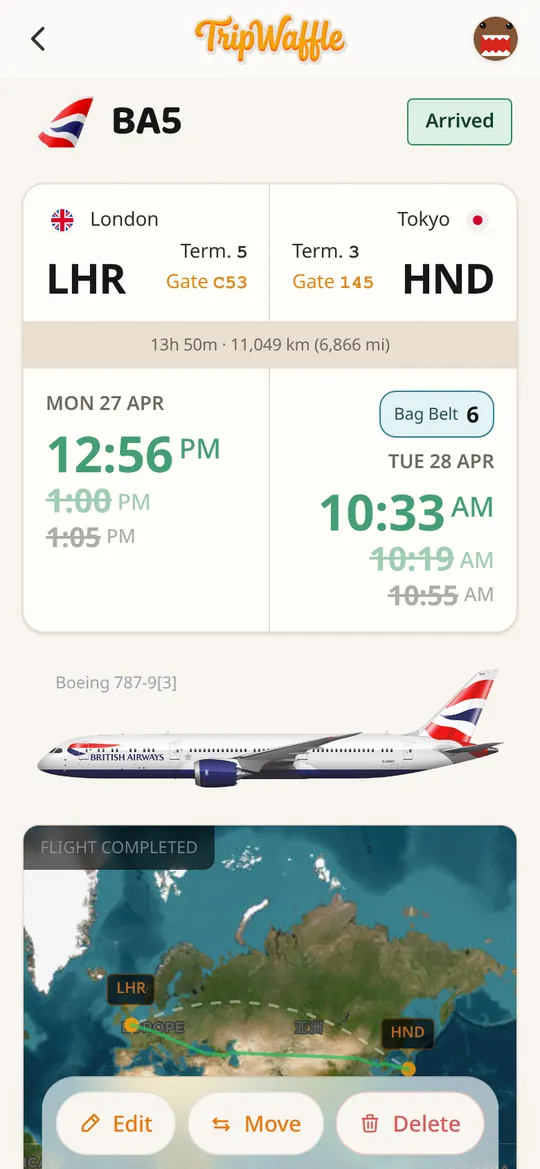
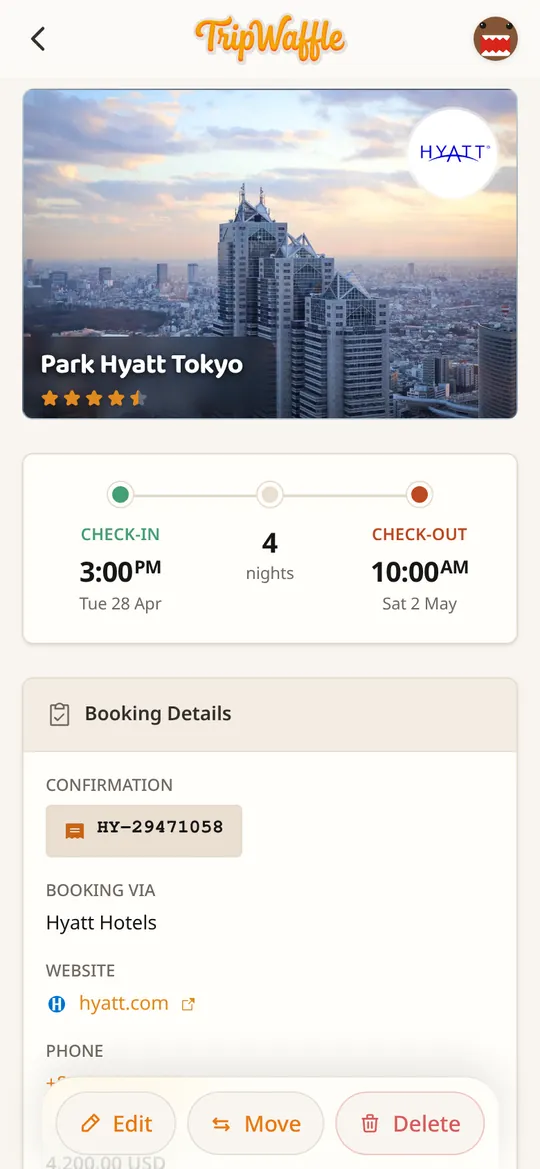
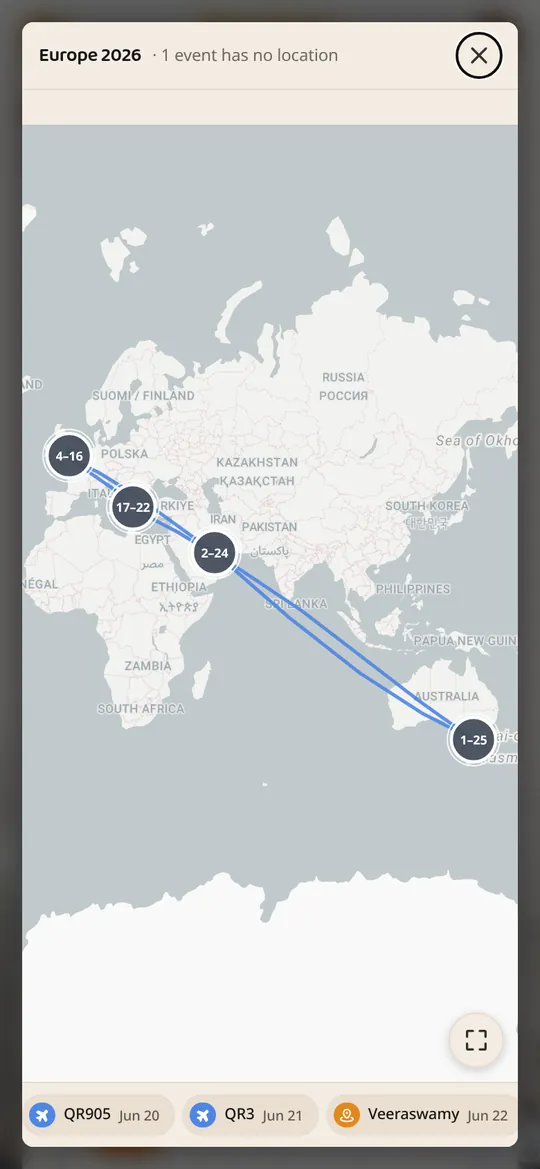
TripWaffle organizes your whole trip in one beautiful itinerary - and watches over it: government advisory alerts, the local emergency number, and entry requirements for China, plus live flight tracking. Just forward your confirmation emails.


100% free · 3 second signup
Last updated: May 27, 2026