
Is Beijing Safe?
Beijing is generally safe for most travelers, with relatively low violent street crime compared with many large world capitals. The main issues are petty theft in crowded places, tourist scams around major sights, traffic, and late-night hassles in some nightlife areas.
Photo: Victor He / Unsplash
Perception vs Reality: Beijing can feel intense because of its size, traffic, security presence, and heavy surveillance, but everyday street crime is usually lower than visitors expect. Most problems for travelers are minor scams, crowding, and language or payment friction rather than serious violence.
Risk Scores
Scale: 1 = very low risk, 10 = very high risk
Safety Overview
Overall Safety
Beijing is a comparatively safe megacity, especially in central districts and on public transport. Most travelers are more likely to encounter scams, crowds, or transport confusion than violent crime.
Violent Crime
Violent street crime is relatively uncommon in areas used by visitors. Disputes are more likely around nightlife or with unlicensed drivers than random attacks.
Petty Crime
Pickpocketing can happen in packed subway cars, stations, markets, and major tourist zones. Keep phones and wallets secure in crowds and during holiday peaks.
Scams
The best-known scams target tourists near famous sights and involve tea houses, art galleries, fake guides, and unofficial taxis. Friendly English-speaking strangers offering a special invitation deserve extra caution.
Night Safety
Central Beijing is usually fine at night, but risks rise in bar areas, around transport hubs, and on quieter outer streets after midnight. Intoxication and unofficial rides create more problems than street violence.
Public Transport
The subway is extensive, cheap, and generally very safe, though crowded at rush hour. Main issues are pickpocketing, crowding, and occasional confusion if you do not read Chinese.
Police & Emergency
Police presence is visible and response is usually stronger in central areas, but English support can be limited. Hotels can be helpful intermediaries if you need to report a problem.
Day vs Night
Daytime
Daytime risk is low in central Beijing, with the main issues being scams near landmarks, traffic, and theft in crowds.
Nighttime
Nighttime is still fairly manageable in central districts, but caution increases in bar zones, around rail hubs, and when using unofficial transport after midnight.
Seasonal: Risk rises during national holidays, summer peak travel, and major events when crowds thicken and transport hubs become chaotic. Winter can add icy sidewalks and reduced comfort on quiet streets.
Who’s Visiting?
Beijing is usually straightforward for tourists who use licensed transport and ignore street approaches near major sights.
Common Risks
- ⚠ Tea house or gallery scams near tourist areas
- ⚠ Pickpocketing in crowded attractions and subways
- ⚠ Unofficial taxi overcharging at airports and stations
- ⚠ Fake ticket or guide offers
Tips
- ✓ Use official ticket channels and verified tour operators
- ✓ Book taxis through apps, hotels, or official ranks
- ✓ Keep valuables zipped away in Tiananmen, Qianmen, and rail hubs
- ✓ Have your destination written in Chinese for drivers
Many solo women find Beijing manageable and safer than many other megacities, especially by day and on the subway. Late-night drinking zones and unlicensed rides are the main points where risk rises.
Common Risks
- ⚠ Harassment or unwanted attention in nightlife areas
- ⚠ Drink tampering or pressure to keep drinking
- ⚠ Taxi disputes with unofficial drivers
- ⚠ Isolation on quiet outer streets late at night
Tips
- ✓ Prefer DiDi or hotel-booked taxis after dark
- ✓ Watch drinks closely in bars and clubs
- ✓ Share ride details or location when going out late
- ✓ Stay in central, busy districts if traveling alone
Beijing is more socially open than many smaller cities in China, but public discretion is still wise. Legal risk is not the main issue for visitors; the bigger factor is limited social acceptance and low institutional protection.
Same-sex activity is legal in China, but there are no broad nationwide anti-discrimination protections, and public attitudes can be conservative. Open displays of affection may attract attention, and LGBTQ venues and events can face changing rules or closures.
Common Risks
- ⚠ Stares or verbal discomfort rather than physical threats
- ⚠ Limited recourse for discrimination
- ⚠ Changing rules around LGBTQ venues or events
- ⚠ Privacy concerns in highly monitored public spaces
Tips
- ✓ Use discretion with public displays of affection
- ✓ Check current status of bars or events before going
- ✓ Choose international or central hotels if you want a less conservative environment
- ✓ Keep sensitive conversations or meetup plans on trusted apps
Beijing works well for families thanks to safe public transport, major attractions, and visible security. The main challenges are traffic, crowds, air quality, and child supervision in very busy areas.
Common Risks
- ⚠ Children getting separated in crowded sites
- ⚠ Traffic around wide roads and busy intersections
- ⚠ Pushy crowds during holidays
- ⚠ Air pollution on some days
Tips
- ✓ Use child ID bands or contact cards in crowded attractions
- ✓ Avoid peak holiday travel days if possible
- ✓ Plan indoor options for poor air-quality days
- ✓ Hold hands near major roads, stations, and tourist gates
Beijing is physically safe and well connected, but daily convenience can be affected by internet controls, app dependence, and payment setup rather than street crime.
Common Risks
- ⚠ Device theft in cafes or shared workspaces if left unattended
- ⚠ Account or payment friction with local apps
- ⚠ Internet restrictions affecting work tools
- ⚠ Scams from unofficial apartment or coworking listings
Tips
- ✓ Do not leave laptops or phones unattended in cafes
- ✓ Confirm payment options before longer stays
- ✓ Book accommodation through established platforms or known agents
- ✓ Check internet and app needs before arrival
Crime & Threats
Pickpocketing
MediumMost likely in packed subway lines, stations, markets, and tourist corridors. Use zipped bags and keep phones out of back pockets.
Phone Snatching
LowLess common than in many large cities, but it can happen in crowds or from bikes and scooters near the curb.
Robbery
LowStreet robbery is not a leading risk for visitors. Risk is a bit higher late at night in entertainment zones or if taking unofficial rides.
Assault
LowRandom assault is uncommon. Most incidents are linked to nightlife, arguments, or intoxication.
Drink Spiking
LowNot a dominant risk, but watch drinks in bars and clubs, especially if approached by strangers or pushed to keep drinking.
Taxi Scams
MediumUnlicensed drivers may quote inflated fixed fares or take indirect routes, especially at airports, stations, and late at night.
ATM Skimming
LowNot a headline issue, but use ATMs inside banks or malls and inspect the machine before inserting your card.
Tourist Scams
MediumTea ceremony, art student, fake guide, and fake ticket scams still appear around famous sights and pedestrian areas.
Common Scams
Tea house invitation scam
A friendly stranger, often near famous sights, invites you to a tea ceremony and you are later pressured to pay a very high bill.
Do not follow new acquaintances to private tea houses; choose places yourself and check menus first.
Art student or gallery scam
Someone claims to be an artist or student and invites you to a gallery, where you are pushed to buy overpriced items.
Decline spontaneous invitations and visit galleries you have researched independently.
Unofficial taxi overcharge
A driver near an airport, station, or nightlife area quotes a fixed fare far above the meter or takes a longer route.
Use official taxi queues or app bookings and check that the ride details match the car and driver.
Fake guide or ticket helper
A tout claims official access, faster entry, or special tickets and asks for cash upfront.
Buy only from official counters, attraction apps, or established tour providers.
Area Map
Approximate locations from public sources. Conditions vary by time of day and current events.
Area Safety
Safer Areas
Busy business district with hotels, office towers, security presence, and reliable transport.
Popular with expatriates and business travelers, generally orderly and well served by taxis and subway.
Well-lit, heavily used by visitors, and usually easier for transport and police access.
Be More Careful
Nightlife brings drunken disputes, overcharging, and occasional ride or bar-related hassles.
Crowds, confusion, touts, and petty theft risk rise around major transport interchanges.
Very busy areas where pickpockets, fake guides, and tea or gallery scams target visitors.
Getting Around
Walking
Walking is generally safe in central areas, but Beijing's large roads, fast traffic, and bike or scooter movement require attention at crossings and near curbs.
Taxis & Rideshare
Use DiDi, official taxi ranks, or hotel-arranged cars. Avoid people approaching you at airports, stations, or nightlife areas offering a ride.
Trains & Buses
Subway and buses are usually safe and efficient, with visible security screening. Main concerns are rush-hour crowding, pickpocketing, and navigation if you do not read Chinese.
Do’s & Don’ts
Do
- Carry valuables in zipped front-facing bags on the subway
- Use official taxis, DiDi, or hotel-arranged transport
- Ignore unsolicited invitations near major sights
- Keep your phone charged and accommodation address saved in Chinese
- Stay extra alert in stations, markets, and holiday crowds
Don’t
- Do not take rides from people approaching you inside or outside stations
- Do not follow strangers to tea houses, galleries, or private rooms
- Do not flash cash, luxury items, or expensive cameras unnecessarily
- Do not leave drinks or devices unattended in bars or cafes
- Do not assume all vendors or drivers can communicate clearly in English
How Does It Compare?
Frequently Asked Questions
Yes, Beijing is generally safe for tourists, with low violent crime. The main issues are scams, pickpocketing in crowds, and unofficial taxis.
Most central areas are reasonably safe at night, but bar districts, rail hubs, and unofficial rides deserve more caution after midnight.
Tea ceremony scams, art gallery invitations, fake guides, and taxi overcharging are the most commonly reported visitor scams.
Data Notes
- Crime transparency and district-level incident reporting are limited compared with some Western cities, so risk levels are based on broad traveler patterns rather than precise public statistics.
- Nightlife-related risks can change quickly depending on enforcement, venue closures, and local conditions.
- The experience of LGBTQ travelers can vary widely by venue, neighborhood, and current social climate.
Other Destinations in China
Traveling to Beijing?
TripWaffle organizes your whole trip in one beautiful itinerary - and watches over it: government advisory alerts, the local emergency number, and entry requirements for Beijing, plus live flight tracking. Just forward your confirmation emails.
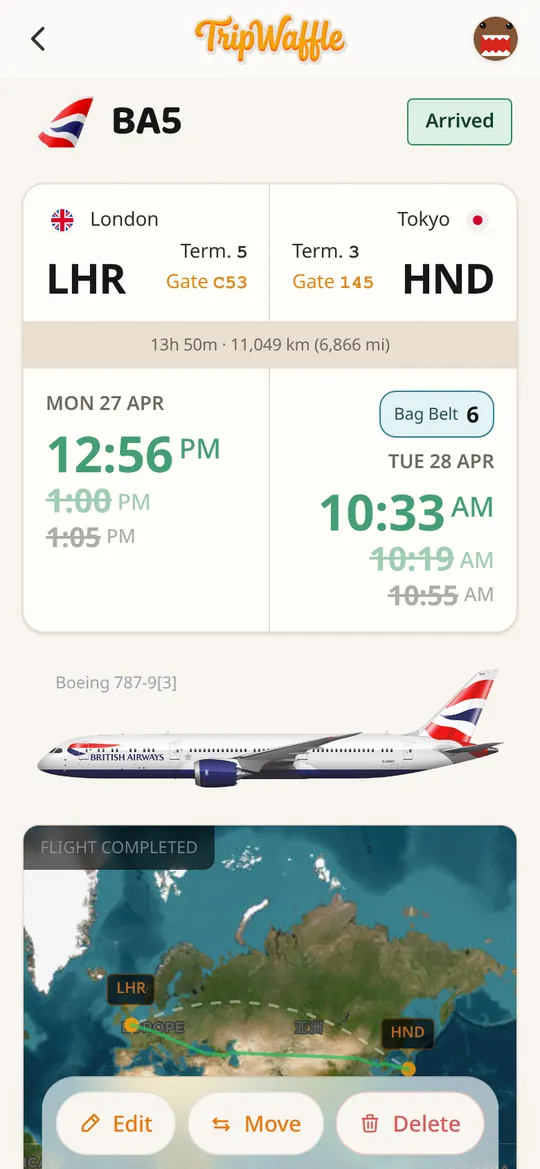
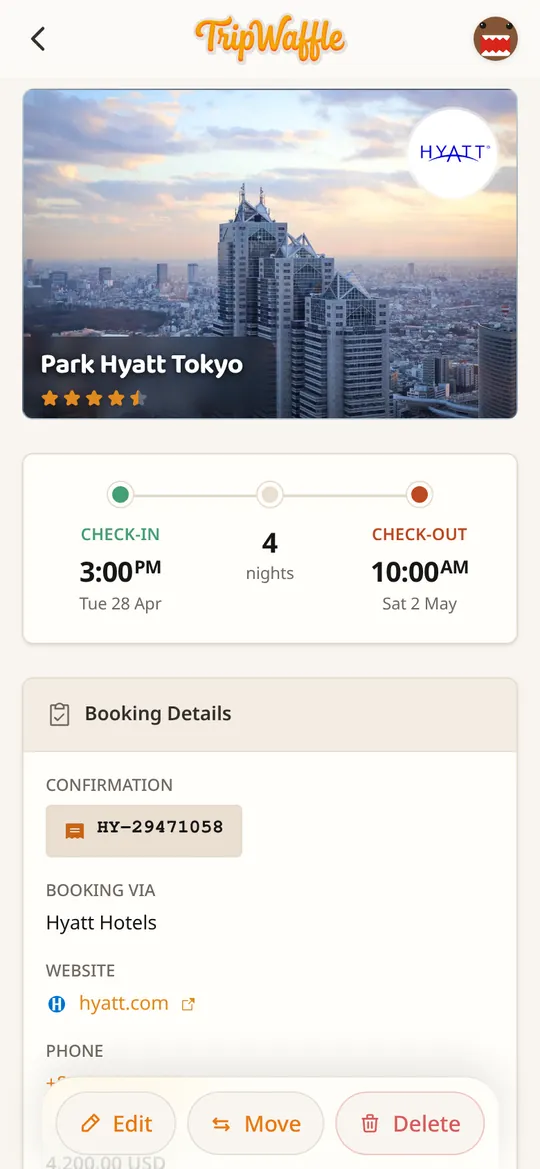
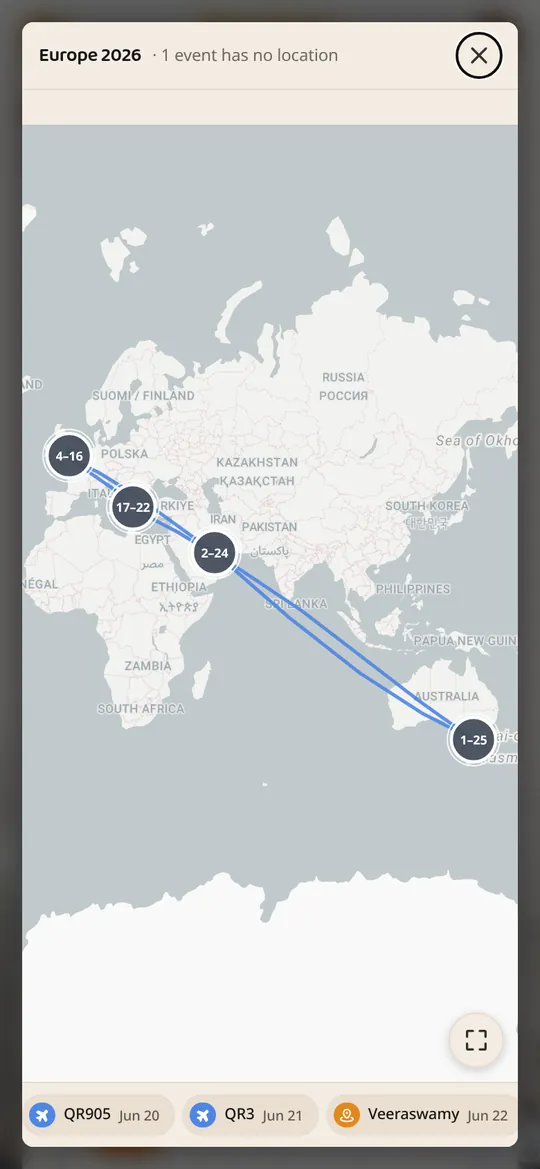


100% free · 3 second signup
Last updated: May 27, 2026