
Is Shanghai Safe?
Shanghai is generally a safe big city for most travelers, with low violent street crime and a strong visible police presence. The main issues are tourist scams, overcharging, and petty theft in crowded areas rather than serious violence.
Photo: Edward He / Unsplash
Perception vs Reality: Shanghai can feel hectic and intimidating because of its size, traffic, and crowds, but everyday street crime is usually lower than in many major global cities. Travelers are more likely to face scams or convenience theft than robbery or assault.
Risk Scores
Scale: 1 = very low risk, 10 = very high risk
Safety Overview
Overall Safety
Shanghai is one of the safer major cities in Asia for visitors. Violent crime is uncommon; scams and opportunistic theft are the more realistic concerns.
Violent Crime
Serious street violence is relatively rare in central Shanghai. Most travelers are unlikely to encounter assault or robbery in normal tourist areas.
Petty Crime
Pickpocketing can happen in crowded shopping streets, metro interchanges, tourist sites, and stations. Keep phones and wallets secure in crowds.
Scams
The best-known risks are tea ceremony scams, bar or club overcharging, fake taxis, and pushy touts near tourist areas. Friendly strangers inviting you to a 'special' venue are a common red flag.
Night Safety
Busy central districts are usually fine at night, especially where there is foot traffic. Late-night risk rises in quieter streets, around nightlife exits, and near transport hubs.
Public Transport
The metro is generally safe, orderly, and heavily used. Watch your belongings during rush hour and confirm taxi or ride details before getting in.
Police & Emergency
Police presence is visible in central areas and on transit, and response in major districts is usually strong. Language barriers can be an issue, so hotel staff or a Chinese-speaking contact can help if something goes wrong.
Day vs Night
Daytime
Daytime is generally low risk in central Shanghai. Crowding, traffic, and scams near tourist landmarks are more relevant than violent crime.
Nighttime
Night is still relatively safe in busy central areas, but risk increases after drinking, in poorly lit side streets, and around nightlife or station areas. Use licensed taxis or trusted ride-hailing if returning late.
Seasonal: Summer heat and typhoon-related weather can disrupt transport and increase fatigue. National holidays and major shopping periods bring heavier crowds, longer queues, and more opportunities for petty theft or overcharging.
Who’s Visiting?
Tourists usually find Shanghai easy to navigate and safer than many large Western cities, especially in central districts. The main risks are scams, fake friendliness, and theft in crowded areas.
Common Risks
- ⚠ Tea ceremony or 'art student' scams
- ⚠ Bar or club overcharging
- ⚠ Pickpocketing in tourist crowds
- ⚠ Fake or unmetered taxis
- ⚠ Touts around major attractions
Tips
- ✓ Decline invitations from strangers to tea houses, bars, or galleries
- ✓ Use official taxi lines or major ride-hailing apps
- ✓ Keep your phone out of your back pocket on Nanjing Road and the Bund
- ✓ Carry your hotel name and address in Chinese
- ✓ Use station and museum Wi-Fi cautiously and avoid scanning random QR codes
Shanghai is generally a comfortable city for solo women, including at night in busy central areas. Harassment levels are usually lower than in many big cities, but nightlife and isolated late-night routes need more care.
Common Risks
- ⚠ Occasional unwanted attention in bars or clubs
- ⚠ Drink tampering or pressure to drink in nightlife spots
- ⚠ Taxi overcharging or confusion late at night
- ⚠ Following or pestering near tourist zones
Tips
- ✓ Prefer busy, well-lit streets after dark
- ✓ Watch drinks being made and do not leave them unattended
- ✓ Share ride details or destination with a friend or hotel contact
- ✓ Sit near other passengers on late trains or buses if the carriage is quiet
- ✓ Avoid going to second venues with people you just met
Most LGBTQ travelers can move around Shanghai without major safety problems, especially in cosmopolitan central areas. Legal risk is not usually about being LGBTQ itself, but social openness and public expression can be more constrained than in some Western cities.
Same-sex activity is legal in China, but there is no same-sex marriage and anti-discrimination protections are limited. Social acceptance in Shanghai is better than in many parts of the country, though public displays of affection may draw attention.
Common Risks
- ⚠ Occasional staring or insensitive comments
- ⚠ Limited formal recourse for discrimination
- ⚠ Privacy concerns in nightlife or online meetups
Tips
- ✓ Use established venues and verified meetup profiles
- ✓ Keep public affection low-key if you want to avoid attention
- ✓ Choose international-brand hotels if privacy and staff professionalism matter
- ✓ Be discreet with personal data on local apps
Shanghai is generally family-friendly, with safe public transport, modern infrastructure, and many busy, well-managed districts. The bigger issues are traffic, crowding, and child separation in major tourist zones.
Common Risks
- ⚠ Crowd crush around attractions and holiday periods
- ⚠ Fast-moving scooters and turning traffic
- ⚠ Heat and dehydration in summer
- ⚠ Getting separated in malls, stations, or pedestrian areas
Tips
- ✓ Set a meeting point before entering busy attractions
- ✓ Hold children's hands near roads, scooter lanes, and station exits
- ✓ Travel earlier in the day to avoid metro crush periods
- ✓ Carry water and plan for heat in summer
- ✓ Keep hotel contact details on paper and on a child's card
Shanghai is convenient and physically safe for remote workers, especially in central neighborhoods with good cafes and coworking spaces. The bigger issues are digital restrictions, payment friction, and occasional rental or deposit disputes rather than street crime.
Common Risks
- ⚠ Public Wi-Fi privacy risks
- ⚠ Short-term rental misunderstandings
- ⚠ Payment acceptance issues for foreign cards
- ⚠ Device theft if left unattended in cafes
Tips
- ✓ Use a trusted VPN where lawful and appropriate for your needs
- ✓ Do not leave laptops or phones unattended in cafes
- ✓ Confirm apartment terms, deposits, and registration rules in writing
- ✓ Set up reliable mobile payment or backup card options before arrival
- ✓ Use well-reviewed coworking spaces in central districts
Crime & Threats
Pickpocketing
MediumMost common in crowded tourist areas, busy malls, station approaches, and packed metro lines.
Phone Snatching
LowLess common than in many cities, but using your phone near roads, scooter traffic, or crowded exits still creates an opening.
Robbery
LowStreet robbery is uncommon in central Shanghai. Risk is a little higher late at night in quiet areas or after heavy drinking.
Assault
LowRandom assault is not a typical traveler risk. Disputes linked to nightlife, intoxication, or scams are more plausible than unprovoked attacks.
Drink Spiking
MediumNot the main citywide risk, but nightlife venues and scam-linked bars are the main concern. Avoid drinks from strangers and watch tabs closely.
Taxi Scams
MediumFake taxis, refusal to use meters, route padding, and inflated airport or station fares still occur.
ATM Skimming
LowUse ATMs inside banks or malls rather than isolated machines. Card fraud risk exists but is not a standout threat.
Tourist Scams
HighClassic scams around tea houses, bars, fake invitations, and overpriced services remain the most reported visitor problem.
Common Scams
Tea ceremony scam
Friendly strangers invite travelers to tea, a cultural event, or a student meetup, then lead them to a venue with an inflated bill.
Do not go to tea houses or galleries with strangers you just met near tourist areas. Leave immediately if prices are unclear.
Bar overcharging scam
A promoter or new acquaintance takes you to a bar or club where drinks, hostess fees, or entry are massively inflated.
Choose your own venue, check reviews first, and avoid places suggested by strangers on the street.
Fake taxi or meter scam
An unofficial driver approaches outside airports or stations and quotes a high flat fare or manipulates the route.
Use the official taxi queue or a reputable app and verify the driver and plate before getting in.
Tourist photo or street service upsell
Someone offers help, photos, or a simple service, then demands an inflated payment.
Agree on the price in advance or decline unsolicited offers entirely.
QR code payment trap
A fake or altered QR code leads to the wrong recipient or prompts an unexpected payment request.
Only scan codes from official counters or verified businesses and confirm the payee name before paying.
Area Map
Approximate locations from public sources. Conditions vary by time of day and current events.
Area Safety
Safer Areas
Modern business district with strong security presence, good lighting, and frequent foot traffic.
Popular central area with hotels, shopping, and generally orderly streets day and night.
Walkable, upscale, and generally comfortable for visitors, though still busy in dining and nightlife zones.
Be More Careful
Crowds attract pickpockets, touts, and scam approaches, especially around shopping stretches and metro exits.
Usually safe but very crowded, making it easier for theft, aggressive photo sellers, and scam conversations to start.
A common place for tea ceremony and gallery-style scams targeting foreign visitors.
Transport hubs attract touts, overcharging, and opportunistic theft, especially late at night.
Getting Around
Walking
Walking is generally safe in central districts, but traffic is the main hazard. Watch for scooters and e-bikes when crossing, even on seemingly pedestrian-heavy streets.
Taxis & Rideshare
Official taxis and major ride-hailing services are usually reliable. Avoid unsolicited drivers at airports, train stations, and nightlife areas, and check that the trip starts correctly.
Trains & Buses
Metro and buses are safe and widely used. Peak-hour crowding increases pickpocket risk, and last-mile routes can feel quieter late at night.
Do’s & Don’ts
Do
- Keep valuables zipped and close in crowded streets and on the metro
- Use official taxis, major ride-hailing apps, or hotel-arranged transport
- Carry your hotel address in Chinese
- Be firm with strangers inviting you to tea, bars, or galleries
- Stay on busy, well-lit routes at night
- Check bar menus and prices before ordering
Don’t
- Do not follow friendly strangers to second locations
- Do not leave phones or bags on café tables unattended
- Do not use unmarked taxis outside airports or stations
- Do not get heavily intoxicated in unfamiliar nightlife areas
- Do not flash cash, luxury watches, or expensive electronics in crowds
How Does It Compare?
Frequently Asked Questions
Yes. Shanghai is generally safe for tourists, with low violent crime. The main issues are scams, overcharging, and petty theft in crowded areas.
Usually yes in busy central districts like Jing'an, Lujiazui, and the Bund. Late-night risk is higher around nightlife, quiet side streets, and transport hubs.
The best-known scams are tea ceremony invitations, bar overcharging, fake taxis, and pushy touts near tourist sites.
Data Notes
- Crime reporting and public data transparency in China can be uneven, so qualitative traveler patterns are more reliable than precise rates.
- Nightlife risk can vary quickly by venue, management, and district, so specific bar or club conditions may change.
- Social comfort for LGBTQ travelers can differ by neighborhood and venue even within generally cosmopolitan central areas.
Other Destinations in China
Traveling to Shanghai?
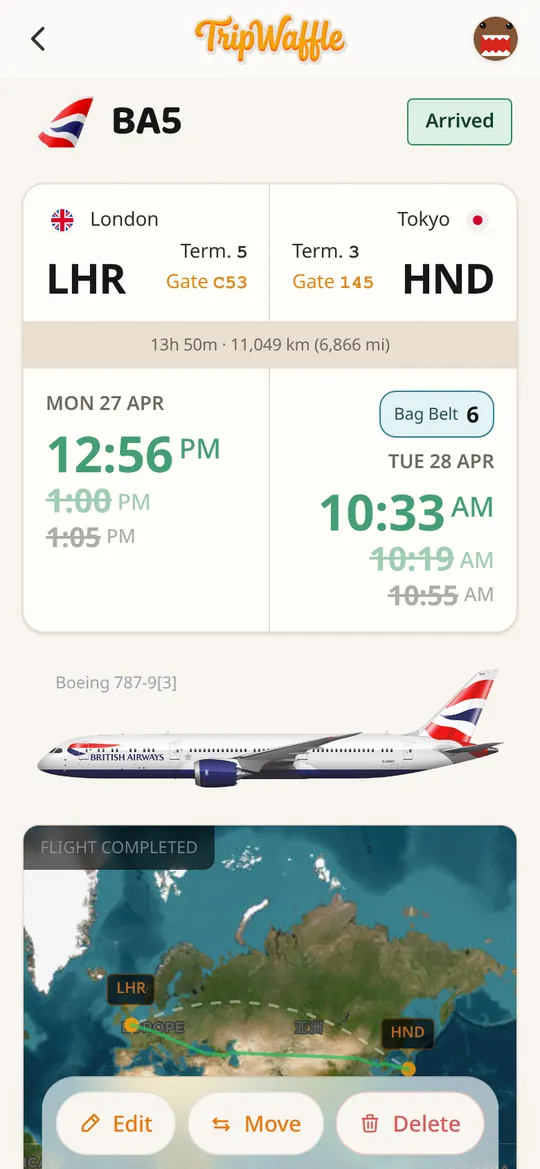
TripWaffle organizes your whole trip in one beautiful itinerary - and watches over it: government advisory alerts, the local emergency number, and entry requirements for Shanghai, plus live flight tracking. Just forward your confirmation emails.


100% free · 3 second signup
Last updated: May 27, 2026