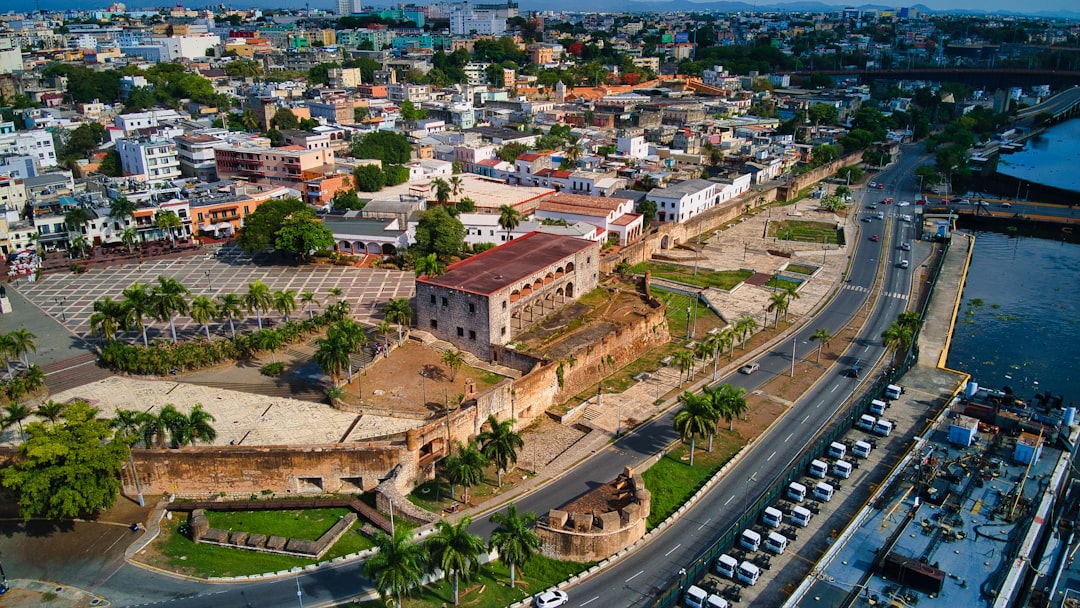
Is Santo Domingo Safe?
Santo Domingo is manageable for most travelers who stay in well-known central areas, use app-based transport, and keep a close eye on valuables. The main issues are opportunistic theft, phone snatching, aggressive driving, and higher risk after dark in less busy areas. Serious crime does occur, but visitor experience varies sharply by neighborhood and time of day.
Photo: Venero Encarnación Martínez / Unsplash
Perception vs Reality: The city has a rough reputation, but many visitors spend time in areas like Zona Colonial, Piantini, and Naco without problems. The bigger gap is between busy, better-policed districts and quieter or more deprived areas, especially at night.
Risk Scores
Scale: 1 = very low risk, 10 = very high risk
Safety Overview
Overall Safety
Reasonably manageable in central business and tourist districts, but not a city to treat casually. Theft risk rises in crowded areas, on the street with visible phones, and after dark.
Violent Crime
Most visitors are more likely to face theft than violence, but muggings and armed robberies do happen. Risk is higher in isolated streets, outer neighborhoods, and late at night.
Petty Crime
Pickpocketing, bag theft, and phone snatching are the most common visitor-facing problems. Crowded markets, nightlife zones, and busy streets are typical hotspots.
Scams
Taxi overcharging, nightlife overbilling, and distraction tactics are more common than elaborate scams. Informal helpers and unofficial guides may push for money.
Night Safety
Nighttime risk is noticeably higher than daytime risk. Busy restaurant areas are usually fine with normal precautions, but quiet streets, the waterfront late at night, and poorly lit blocks are less comfortable.
Public Transport
The Metro is one of the safer ways to move around, though it gets crowded. Public minibuses and shared cars are cheap but chaotic and less comfortable for visitors.
Police & Emergency
Police presence is strongest in tourist areas, but response quality can vary. Hotel staff, hosts, or trusted locals are often the fastest help for practical problems.
Day vs Night
Daytime
Daytime in central districts is usually manageable with normal city awareness. Keep bags zipped, avoid showing cash, and stay alert near busy roads and transport hubs.
Nighttime
Risk rises after dark, especially on quiet blocks, on the waterfront, and outside tourist or business districts. Short walks that feel fine in daylight are better done by rideshare at night.
Seasonal: Carnival, Christmas, New Year, long weekends, and major nightlife events bring larger crowds, heavier drinking, and more theft opportunities. Hurricane season and intense rain can cause flooding, traffic chaos, and reduced mobility.
Who’s Visiting?
Tourists usually do well in Zona Colonial and modern central districts if they stay alert and avoid showing expensive items.
Common Risks
- ⚠ Pickpocketing in busy areas
- ⚠ Phone snatching from the street
- ⚠ Taxi overcharging
- ⚠ Nightlife bill padding
Tips
- ✓ Use Uber or another app-based ride instead of hailing random cars late at night
- ✓ Keep phones off the curb side of the street
- ✓ Carry only the cash you need for the day
- ✓ Choose restaurants and bars with recent reviews in well-trafficked areas
Solo women can travel in Santo Domingo, but street harassment and unwanted attention are common enough to plan around.
Common Risks
- ⚠ Catcalling and persistent flirting
- ⚠ Drink tampering in nightlife settings
- ⚠ Walking alone on quiet streets after dark
- ⚠ Overfriendly drivers or strangers
Tips
- ✓ Prefer rideshare at night, even for short distances
- ✓ Meet people in public venues rather than at your accommodation
- ✓ Watch drinks being prepared and do not leave them unattended
- ✓ A firm, brief response usually works better than extended engagement
LGBTQ travelers generally face more social conservatism than direct legal danger, with better comfort in upscale and tourist-oriented areas.
Same-sex relations are legal, but same-sex marriage is not recognized and public attitudes can be conservative. Discretion tends to reduce unwanted attention, especially outside tourist and affluent zones.
Common Risks
- ⚠ Verbal harassment in conservative areas
- ⚠ Unwanted attention in nightlife
- ⚠ Lower comfort outside central districts
Tips
- ✓ Research venues with a known inclusive reputation
- ✓ Use central areas for nightlife and transport
- ✓ Be more discreet with public affection outside tourist or upscale zones
- ✓ Rely on recent local reviews, not old reputation alone
Families usually find central hotel zones and daytime sightseeing manageable, but traffic, heat, and uneven sidewalks add stress.
Common Risks
- ⚠ Traffic while crossing streets
- ⚠ Crowds in tourist zones
- ⚠ Petty theft around bags and phones
- ⚠ Heat and sudden heavy rain
Tips
- ✓ Use child seats when available and pre-arrange family transport if possible
- ✓ Cross with care even on larger roads
- ✓ Keep strollers and bags close in crowded areas
- ✓ Plan indoor breaks during the hottest hours
Santo Domingo is workable for digital nomads, especially in Piantini, Naco, and Bella Vista, but device theft and transport friction are real concerns.
Common Risks
- ⚠ Laptop and phone theft in cafes or cars
- ⚠ Apartment security variation
- ⚠ Street crime while working on the go
- ⚠ Transport delays from traffic and weather
Tips
- ✓ Choose accommodation with controlled entry and good recent reviews
- ✓ Do not leave devices visible on tables near the street
- ✓ Back up work and use two-factor authentication
- ✓ Schedule around heavy traffic and afternoon rain when possible
Crime & Threats
Pickpocketing
MediumCommon in crowded tourist areas, markets, and on busy public transport.
Phone Snatching
HighA notable street risk, including snatches by people on motorcycles or from passing vehicles.
Robbery
MediumStreet robberies do occur, mainly in quieter areas or when valuables are visible.
Assault
MediumNot the typical tourist problem, but nightlife disputes and isolated areas raise the risk.
Drink Spiking
MediumReported in nightlife settings; watch drinks closely and avoid leaving them unattended.
Taxi Scams
MediumOvercharging and route inflation are common with unregulated taxis.
ATM Skimming
MediumUse ATMs inside banks, malls, or supermarkets rather than on quiet streets.
Tourist Scams
MediumUnofficial guides, inflated prices, and bar or club overbilling are the most likely issues.
Common Scams
Taxi overcharge
A driver quotes an inflated flat fare, takes a longer route, or adds surprise extras at the end.
Use an app-based ride or agree on the fare clearly before getting in if using a regular taxi.
Nightclub or bar bill padding
A venue adds items you did not order or pushes premium bottles and inflated service charges.
Choose well-reviewed venues, ask prices before ordering, and check the bill before paying.
Distraction theft
Someone asks for help, creates a distraction, or crowds you while an accomplice targets your phone or wallet.
Keep valuables secured, do not set phones on tables near the street, and step away from crowding.
Unofficial guide or helper
A person offers directions, parking help, or local guidance and then demands money aggressively.
Decline politely but firmly and rely on your phone, hotel, or official tour services.
ATM card compromise
Card details are copied at a tampered ATM or PINs are observed.
Use ATMs inside banks or malls, shield your PIN, and check for unusual attachments.
Area Safety
Safer Areas
Upscale business district with hotels, restaurants, security presence, and frequent rideshare availability.
Well-known central area popular with business travelers and residents; generally more orderly than outer districts.
Modern residential-commercial area that is usually calmer and more comfortable for visitors.
Popular tourist district with visible policing and foot traffic, especially by day and in busy evening sections.
Be More Careful
Fine in some busy stretches, but quieter waterfront sections become less comfortable late at night.
Crowded market environment where overcharging and distraction theft are more likely.
Mixed area near central attractions where some blocks feel fine and others become quiet quickly after dark.
Not a typical tourist area; visitors have fewer reasons to be there and less neighborhood familiarity.
Outer-area travel is less convenient for visitors and security can feel more uneven at night.
Getting Around
Walking
Walk in busy, central areas during the day, but be careful with traffic, poor sidewalks, and visible phones. Avoid wandering into unfamiliar blocks after dark.
Taxis & Rideshare
App-based rides are the better option for most visitors. Confirm the vehicle and plate, and avoid unmarked taxis or fare negotiations late at night when possible.
Trains & Buses
The Santo Domingo Metro is generally the most straightforward public option. Public buses, minibuses, and shared cars are cheaper but more chaotic, crowded, and less visitor-friendly.
Do’s & Don’ts
Do
- Use rideshare after dark
- Carry a backup card separate from your wallet
- Keep your phone in a front pocket or zipped bag
- Stay in central areas if it is your first visit
- Ask locals or hotel staff which blocks are fine at night
Don’t
- Do not flash jewelry, large cameras, or thick cash
- Do not walk the Malecón or unfamiliar streets alone late at night
- Do not leave drinks unattended in bars or clubs
- Do not use random street taxis if an app ride is available
- Do not assume nearby blocks have the same safety level
How Does It Compare?
Safer Than
Riskier Than
These are broad city-level comparisons only. In Santo Domingo, neighborhood choice and nighttime behavior make a big difference.
Frequently Asked Questions
Generally yes in central tourist and business areas, but theft and night risk are real. Use rideshare, avoid flashing valuables, and be selective about where you go after dark.
Phone snatching, pickpocketing, taxi overcharging, nightlife overbilling, and muggings in quieter areas are the main concerns.
Busy parts of Zona Colonial are usually manageable in the evening, especially around restaurants and bars. Quieter side streets get less comfortable late at night.
The Metro is usually the safest public option for visitors. Buses and shared cars are more chaotic and less comfortable if you do not know the city well.
Data Notes
- Neighborhood-level safety can change block by block, and public reporting is less consistent than in some cities.
- Nightlife risks vary a lot by venue quality and crowd rather than by district alone.
- Specific outer neighborhoods may have very different conditions from one another, so broad labels are imperfect.
Other Destinations in Dominican Republic
Traveling to Santo Domingo?
TripWaffle organizes your entire trip — flights, hotels, trains, events — in one beautiful itinerary. Just forward your confirmation emails.


100% free · 3 second signup
Last updated: March 21, 2026