Is Israel Safe?
Israel can feel orderly and relatively low-crime in its main cities, but overall safety is heavily shaped by the security situation, which can change fast. For most visitors, the bigger concern is conflict-related disruption, rocket fire, or attacks in certain areas rather than routine street crime. Central urban districts are often manageable, while border zones and political flashpoints require much more caution.
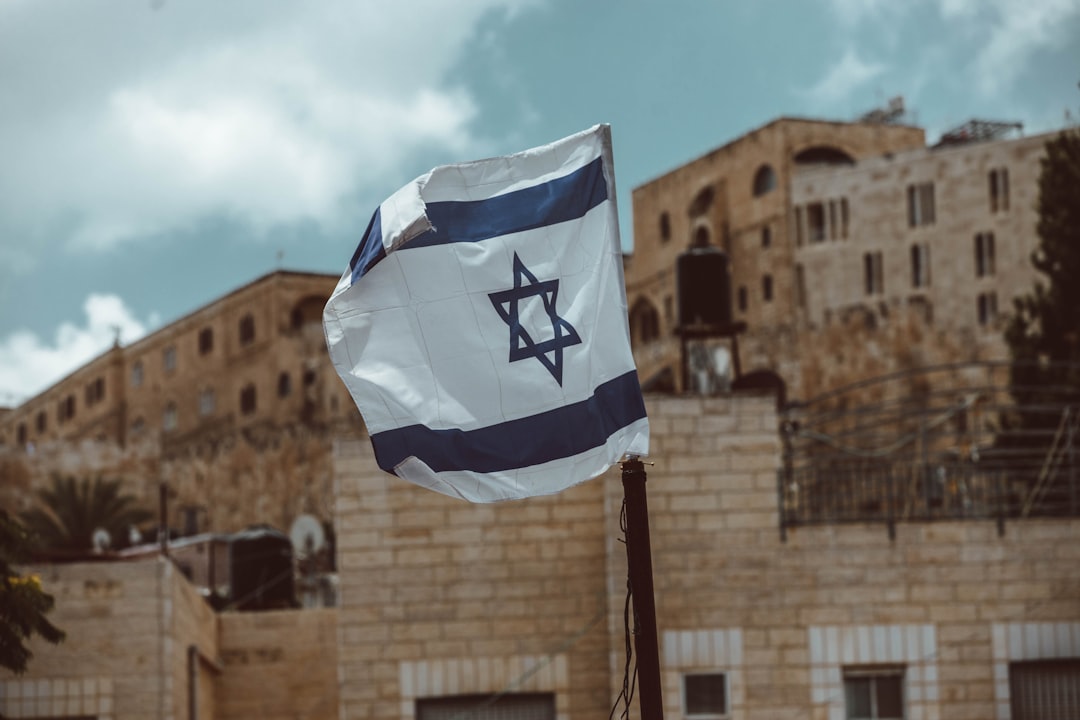
Photo: Taylor Brandon / Unsplash
Perception vs Reality: Israel is often perceived as either uniformly dangerous or completely normal; the reality is more uneven. Many urban areas function routinely day to day, but risk can rise quickly due to conflict, protests, or security incidents.
Risk Scores
Scale: 1 = very low risk, 10 = very high risk
Safety Overview
Overall Safety
Everyday crime is moderate to low by regional standards, but conflict-related risk is the main factor. Safety varies sharply by city, border area, and current events.
Violent Crime
Ordinary violent crime is not the main issue for most travelers. Political violence, lone-actor attacks, and spillover from conflict are the bigger concerns.
Petty Crime
Pickpocketing and bag theft happen in crowded markets, beaches, nightlife zones, and transit hubs. Keep valuables close in Jerusalem's Old City and busy Tel Aviv areas.
Scams
Scams are less aggressive than in many tourist-heavy countries, but taxi meter disputes, fake donations, and inflated tourist pricing do occur.
Night Safety
Nightlife areas in Tel Aviv are usually lively and manageable, but late-night drunkenness, harassment, and transport gaps increase risk. Isolated streets and politically tense areas are less comfortable after dark.
Public Transport
Trains and buses are widely used and usually orderly, but can be crowded, disrupted by security events, or reduced around Shabbat and holidays. Stay aware of security instructions and route changes.
Police & Emergency
Police and emergency services are generally capable in major cities. During security incidents or near border areas, access, movement, and response times can be affected.
Day vs Night
Daytime
Daytime in central business and tourist districts is usually manageable, with the main issues being crowds, heat, and sudden security-related disruptions.
Nighttime
Night is generally fine in busy nightlife areas, especially central Tel Aviv, but isolated streets, transport gaps, and harassment risk increase after late hours.
Seasonal: Religious holidays, protests, major political events, and periods of escalated conflict can change the risk picture fast. Summer heat is also a practical hazard, especially in Jerusalem, the Dead Sea area, and the south.
Who’s Visiting?
Most tourists face more disruption from security alerts, closures, and political flashpoints than from ordinary crime. Main tourist areas are generally navigable with situational awareness.
Common Risks
- ⚠ Security incidents and sudden route closures
- ⚠ Pickpocketing in crowded religious and tourist sites
- ⚠ Taxi meter disputes or airport overcharging
- ⚠ Demonstrations near central streets or government areas
Tips
- ✓ Check local news before intercity trips and day tours
- ✓ Know your hotel's shelter or protected area procedures
- ✓ Use licensed taxis or app-based bookings
- ✓ Keep passport copies separate from originals
Solo women often find central urban areas manageable, especially in Tel Aviv, but comfort levels vary by neighborhood and time of day. Conservative areas may require more modest dress and firmer boundary-setting.
Common Risks
- ⚠ Harassment or unwanted attention in nightlife areas
- ⚠ Discomfort in isolated streets late at night
- ⚠ Extra scrutiny in conservative or religious neighborhoods
- ⚠ Transport gaps after late evenings or on Shabbat
Tips
- ✓ Prefer busy, well-lit routes at night
- ✓ Use ride-hailing or licensed taxis after late outings
- ✓ Dress more modestly in ultra-Orthodox and religious sites
- ✓ Avoid getting drawn into arguments at protests or checkpoints
Israel is one of the more LGBTQ-friendly places in the region, especially in Tel Aviv. Social acceptance is uneven, and conservative neighborhoods can feel far less open.
Same-sex activity is legal, and Tel Aviv has a visible LGBTQ scene. Social attitudes vary widely; religious and conservative communities may be much less accepting than central Tel Aviv.
Common Risks
- ⚠ Verbal hostility in conservative areas
- ⚠ Online dating meet-up risks
- ⚠ Harassment after nightlife, especially late at night
Tips
- ✓ Tel Aviv is generally the most comfortable base
- ✓ Use discretion in conservative neighborhoods and religious sites
- ✓ Meet dating-app contacts in public venues first
- ✓ Avoid public displays of affection if the atmosphere feels tense
Families usually face low everyday crime in mainstream tourist areas, but conflict-related planning matters more here than in many destinations. Heat, crowds, and transport timing also affect comfort.
Common Risks
- ⚠ Sirens or sudden security instructions
- ⚠ Crowding at holy sites and beach areas
- ⚠ Heat and dehydration in summer
- ⚠ Transit shutdowns around Shabbat and holidays
Tips
- ✓ Choose hotels with clear shelter guidance
- ✓ Carry water, hats, and sun protection
- ✓ Plan transport in advance for weekends and holidays
- ✓ Keep children close in markets, stations, and religious sites
Major cities offer strong infrastructure, reliable mobile connectivity, and many work-friendly spaces, but plans can be disrupted by security events and regional travel restrictions.
Common Risks
- ⚠ Travel disruptions from security incidents
- ⚠ Theft of laptops or phones in cafes or beaches
- ⚠ High accommodation costs leading to less secure lodging choices
Tips
- ✓ Base yourself in central, well-connected neighborhoods
- ✓ Do not leave devices unattended in cafes or co-working spaces
- ✓ Have backup transport and meeting plans for disruption days
- ✓ Check building security and shelter arrangements before booking
Crime & Threats
Pickpocketing
MediumMost common in markets, beaches, Jerusalem's Old City, nightlife strips, and busy transit points.
Phone Snatching
LowLess common than in many European capitals, but phones can still be grabbed in crowded areas or from distracted pedestrians.
Robbery
LowStreet robbery is not the main risk for visitors, though late-night incidents can happen in isolated areas.
Assault
MediumAssault risk is usually linked to nightlife, demonstrations, road disputes, or politically tense environments rather than random attacks.
Drink Spiking
LowNot a dominant issue, but watch drinks in busy bars and clubs, especially in major nightlife districts.
Taxi Scams
MediumMeter refusal, flat-rate inflation, and airport overcharging are the most common complaints.
ATM Skimming
LowUse ATMs attached to bank branches and avoid standalone machines in tourist-heavy areas.
Tourist Scams
MediumExpect occasional fake charity requests, unofficial guides, and inflated prices around holy sites and tourist corridors.
Common Scams
Taxi meter refusal
Drivers quote a high flat fare instead of using the meter, especially from airports, hotels, and tourist areas.
Use a taxi app or confirm meter use before entering the car.
Fake donations near religious sites
Someone requests money for a charity, school, or religious cause and pressures visitors into donating.
Decline politely and donate only through recognized institutions.
Unofficial guide pressure
A person offers unsolicited guiding help, then demands payment or steers you to overpriced shops.
Use licensed guides or book through reputable operators.
Tourist overpricing in markets
Prices are inflated for visitors, especially around holy sites, souvenir streets, and transport links.
Ask prices first, compare a few stalls, and avoid buying under pressure.
Area Safety
Safer Areas
Busy, well-lit, and well-served by hotels, nightlife, and transport; generally comfortable for visitors outside security incidents.
Upscale coastal area with lower petty crime and strong visitor infrastructure.
Generally orderly with heavy security presence, though nearby flashpoints can still affect movement.
Be More Careful
Crowds, pickpocketing, and sudden tension around religious or political events can raise risk quickly.
Conflict-related dangers, road closures, and sudden security changes make these areas significantly riskier.
Cross-border tensions and military activity can affect travel, access, and personal safety.
Getting Around
Walking
Walking is generally fine in active urban areas by day. Watch for aggressive driving at crossings, avoid isolated routes at night, and be alert to demonstrations, sirens, or security cordons.
Taxis & Rideshare
Use licensed taxis and insist on the meter unless a clear fixed fare is agreed in advance. App-based bookings reduce disputes, especially from airports and tourist zones.
Trains & Buses
Public transport is widely used and usually orderly, but services can be crowded, disrupted by security events, and reduced or stopped during Shabbat and some holidays.
Do’s & Don’ts
Do
- Check the current security situation before day trips or intercity travel
- Learn your hotel's shelter or protected-area procedure on arrival
- Carry photo ID and keep digital copies of key documents
- Use licensed taxis, trusted apps, and official tour operators
- Dress more modestly in religious neighborhoods and holy sites
Don’t
- Do not ignore sirens, security instructions, or local closures
- Do not join demonstrations or gather near flashpoints to watch
- Do not leave bags or phones unattended on beaches, in cafes, or on transit
- Do not argue with security staff at checkpoints, stations, or venues
- Do not assume public transport will run normally on Shabbat or holidays
How Does It Compare?
Safer Than
Everyday street crime is often lower than in many high-crime cities, but Israel's overall risk is pushed up by conflict-related threats and fast-changing regional conditions.
Frequently Asked Questions
It depends heavily on the current security situation and where you plan to go. Main cities can feel normal day to day, but border areas and political flashpoints carry higher risk.
For most visitors, Tel Aviv usually feels easier and more relaxed. Jerusalem has more religious crowds, pickpocketing spots, and periods of political tension.
Usually yes in major cities, but services can be disrupted by security events and Shabbat schedules. Stay alert to announcements and avoid leaving bags unattended.
Data Notes
- The security environment can change quickly, so specific regional risk may shift within days or even hours.
- Border areas, some roads, and access rules may be affected by military activity or temporary closures.
- This profile focuses on Israel broadly; conditions can differ sharply between Tel Aviv, Jerusalem, the north, and southern border zones.
- Risk near disputed or adjacent territories is highly situation-dependent and may not be fully captured by routine crime categories.
Explore Areas in Israel
Traveling to Israel?
TripWaffle organizes your entire trip — flights, hotels, trains, events — in one beautiful itinerary. Just forward your confirmation emails.


100% free · 3 second signup
Last updated: March 21, 2026