
Is Fukuoka Safe?
Fukuoka is generally a very safe Japanese city for most travelers, with low violent crime and reliable transport. The main issues are minor theft in busy areas, nightlife-related problems in entertainment districts, and occasional bar or taxi overcharging around late-night zones.
Photo: Syuichi Shiina / Unsplash
Perception vs Reality: Fukuoka is sometimes seen as a big port city with a rougher edge than other Japanese cities, but for visitors it usually feels orderly and low-risk. Most safety concerns are concentrated in nightlife areas rather than the city as a whole.
Risk Scores
Scale: 1 = very low risk, 10 = very high risk
Safety Overview
Overall Safety
Fukuoka is one of the safer major cities in Asia, with low street-crime risk and good everyday safety habits. Most visitors will have few problems outside nightlife zones.
Violent Crime
Violent crime affecting visitors is uncommon. Most incidents travelers encounter are linked to alcohol, late-night disputes, or isolated nightlife areas.
Petty Crime
Petty theft is not a major problem by global city standards, but bags, phones, and wallets can still be lost or taken in crowded stations, festivals, and nightlife spots.
Scams
Scams are limited but not absent. The most likely issues are bar touts, inflated bills, and nightlife overcharging in entertainment districts.
Night Safety
Nighttime is generally safe in busy central areas, but caution rises in Nakasu and other drinking streets after midnight. Intoxicated crowds and aggressive touts are the main concern.
Public Transport
Public transport is clean, predictable, and very safe. Late trains and station areas are usually low risk, though crowded platforms call for normal awareness of belongings.
Police & Emergency
Police presence is visible in central areas and at neighborhood police boxes. Travelers can usually get practical help, though English ability varies by officer and location.
Day vs Night
Daytime
Daytime risk is very low across most of the city. Crowded shopping areas, stations, and event spaces mainly require attention to bags, phones, and child supervision.
Nighttime
Night remains relatively safe in central Fukuoka, but risk increases in Nakasu and around nightlife streets due to alcohol, touts, and occasional overcharging. Main roads and official transport are preferable after the last train.
Seasonal: Summer heat and humidity can be intense, and festival periods create dense crowds where belongings are easier to lose. Heavy rain or typhoon-related disruption can affect transport and walking conditions seasonally.
Who’s Visiting?
Tourists usually find Fukuoka easy to navigate and safer than many comparably sized cities. Problems are most likely around nightlife, crowds, and misunderstandings with bar pricing.
Common Risks
- ⚠ Overcharging at bars or clubs
- ⚠ Pickpocketing in crowded stations or festival areas
- ⚠ Losing valuables after drinking
- ⚠ Following street touts into venues
Tips
- ✓ Use official taxis or app-based rides late at night
- ✓ Avoid bars promoted by street touts
- ✓ Keep phones and wallets secure in busy areas like Hakata Station and Tenjin
- ✓ Carry your accommodation details in Japanese if possible
Fukuoka is generally comfortable for solo women, including in central districts and on public transport. The main extra caution point is nightlife, especially around drinking streets and late-night bar-hopping.
Common Risks
- ⚠ Unwanted attention from intoxicated men
- ⚠ Drink tampering risk in nightlife settings
- ⚠ Being steered into bars by touts
- ⚠ Walking alone through quiet side streets late at night
Tips
- ✓ Prefer main roads and lit station routes after dark
- ✓ Watch your drink and avoid accepting drinks from strangers
- ✓ Leave bars that feel pushy or unclear on pricing
- ✓ Choose licensed taxis if the last train is missed
Fukuoka is generally safe for LGBTQ travelers, especially in urban central areas. Legal risk is low, but social discretion is still common in Japan compared with more openly expressive destinations.
Same-sex relationships are legal in Japan, but national legal recognition remains limited. Social attitudes in big cities are usually polite rather than confrontational, though public displays of affection may attract attention more for cultural reasons than direct hostility.
Common Risks
- ⚠ Occasional staring or social discomfort rather than direct threats
- ⚠ Limited openly LGBTQ-focused venues compared with Tokyo or Osaka
- ⚠ Misunderstandings in nightlife spaces not aimed at LGBTQ patrons
Tips
- ✓ Use mainstream central areas and well-reviewed venues
- ✓ Check current local LGBTQ-friendly bars or events before going out
- ✓ Expect politeness but not necessarily visible openness
- ✓ Treat nightlife touts and unclear venues the same way any traveler should
Fukuoka works well for families thanks to safe public spaces, efficient transport, and low street-crime levels. The bigger risks are child separation in busy stations, waterfront areas, and festival crowds.
Common Risks
- ⚠ Children getting separated in stations or malls
- ⚠ Traffic near busy roads and crossings
- ⚠ Water hazards near waterfronts or rivers
- ⚠ Heat and humidity in summer
Tips
- ✓ Set a meeting point in large stations and shopping complexes
- ✓ Use child ID tags with local contact details
- ✓ Plan breaks and hydration in hot months
- ✓ Avoid nightlife districts with children late at night
Fukuoka is comfortable for digital nomads, with good infrastructure and a low day-to-day safety burden. Typical risks are device loss, nightlife distraction, and occasional weak English in support situations.
Common Risks
- ⚠ Leaving laptops or phones unattended in cafés
- ⚠ Device theft or loss in stations and bars
- ⚠ Late-night return from entertainment districts
- ⚠ Wi-Fi privacy on public networks
Tips
- ✓ Do not leave devices unattended even in calm cafés
- ✓ Use screen locks and tracking features
- ✓ Choose accommodation near major transit if working late
- ✓ Use a VPN on public Wi-Fi
Crime & Threats
Pickpocketing
LowLow by international standards, but it can happen in packed trains, festivals, and around major stations.
Phone Snatching
LowStreet phone snatching is uncommon, though phones are easily lost in taxis, bars, and transit.
Robbery
LowRobbery affecting visitors is rare. Risk rises slightly late at night if intoxicated or isolated near nightlife areas.
Assault
LowAssault is uncommon, with most incidents linked to alcohol, arguments, or nightlife environments rather than random attacks.
Drink Spiking
MediumStill uncommon overall, but nightlife districts justify basic vigilance, especially when bar-hopping or accepting drinks from strangers.
Taxi Scams
LowLicensed taxis are generally reliable. Problems are more likely from unofficial arrangements or confusion after heavy drinking.
ATM Skimming
LowNot a major issue, but using ATMs inside banks, post offices, or convenience stores is the safer option.
Tourist Scams
MediumTourist scams are limited but the clearest risk is being drawn into bars or clubs with unclear charges in nightlife areas.
Common Scams
Bar tout overcharging
A tout invites you into a bar or club, then the final bill includes inflated cover charges, drinks, or service fees not clearly explained upfront.
Do not follow street touts. Choose venues with posted prices, reviews, or recommendations from your hotel.
Nightlife drink upsell
A venue encourages expensive bottles, add-on fees, or repeated rounds when pricing is unclear and the customer is already drinking.
Ask for the menu and cover charge before ordering, and leave if staff are evasive.
Lost item opportunism
A phone, wallet, or bag is left behind in a taxi, restroom, station seat, or bar and is difficult to recover quickly.
Check your seat and table before leaving, label devices, and use wallet or phone tracking tools.
Area Map
Approximate locations from public sources. Conditions vary by time of day and current events.
Area Safety
Safer Areas
Busy commercial center with lots of foot traffic, shops, and transport links; generally safe with normal urban awareness.
Well-policed, well-lit, and convenient for transport; theft risk is still low but crowds can be heavy.
Modern waterfront district that is usually calm and family-friendly, especially in daytime and early evening.
Popular and comfortable in daytime; relaxed atmosphere and frequent local use.
Be More Careful
Main nightlife and entertainment area; more touts, bar overcharging risk, intoxicated crowds, and late-night incidents.
Known for nightlife and younger party crowds; late-night disputes and drink-related problems are more likely here.
Less foot traffic and fewer bystanders make petty incidents or uncomfortable encounters more likely than on main roads.
Getting Around
Walking
Walking is generally safe, including in central areas, but quiet back streets are less comfortable late at night than main routes. Obey traffic signals carefully, as bicycles and turning vehicles can be a practical hazard.
Taxis & Rideshare
Licensed taxis are dependable and low risk. Use marked taxis or hotel-arranged pickups late at night, and avoid entering venues or transport suggested by aggressive street touts.
Trains & Buses
Trains and buses are very safe and efficient. Watch belongings during rush hour and note that service may wind down earlier than visitors from some large cities expect.
Do’s & Don’ts
Do
- Use main roads and well-lit station routes at night
- Choose bars with clear pricing
- Keep valuables zipped and close in busy stations and festival crowds
- Carry some cash and your accommodation details
- Use licensed taxis if out after the last train
Don’t
- Do not follow street touts into bars or clubs
- Do not leave phones, wallets, or laptops unattended
- Do not get heavily intoxicated in unfamiliar nightlife areas
- Do not assume every venue accepts cards
- Do not rely on English being available in every emergency interaction
How Does It Compare?
Frequently Asked Questions
Yes. Fukuoka is generally very safe for tourists, with low violent crime and reliable public transport. The main caution area is nightlife districts like Nakasu.
Usually yes in busy central areas, but nightlife zones have more drunk crowds, touts, and bar overcharging risk after midnight.
Yes, overall. Solo women usually find Fukuoka comfortable, though normal nightlife precautions are important.
Data Notes
- Safety conditions can vary street by street within nightlife districts, especially depending on venue type and time of night.
- English support from police, taxi drivers, or venue staff can vary, which may affect how easy it is to resolve minor incidents.
- Specific scam patterns in nightlife areas can change quickly, so current local advice from accommodation staff may be more useful than static listings.
Traveling to Fukuoka?
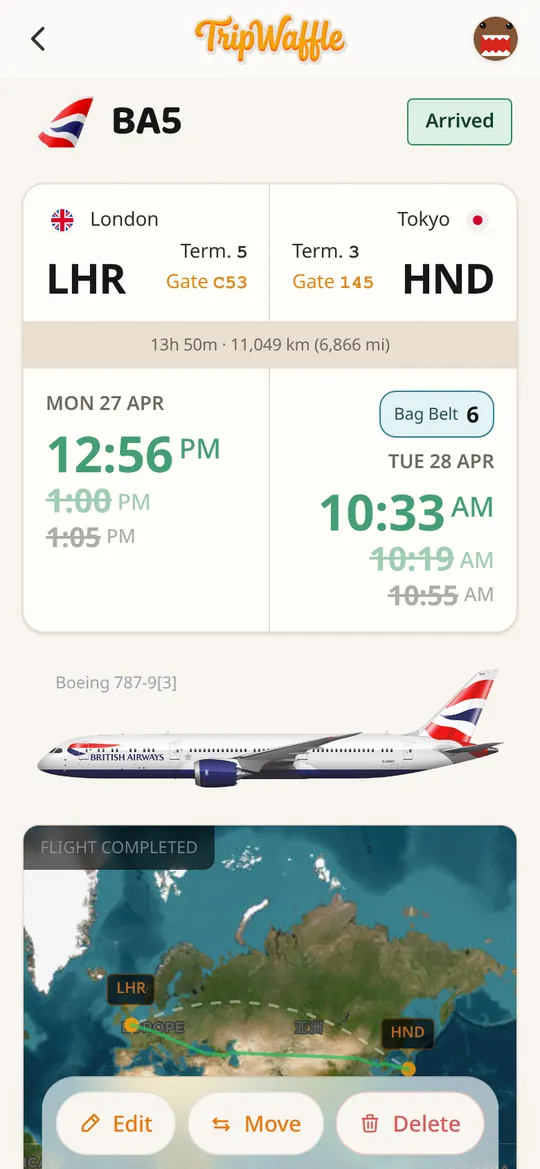
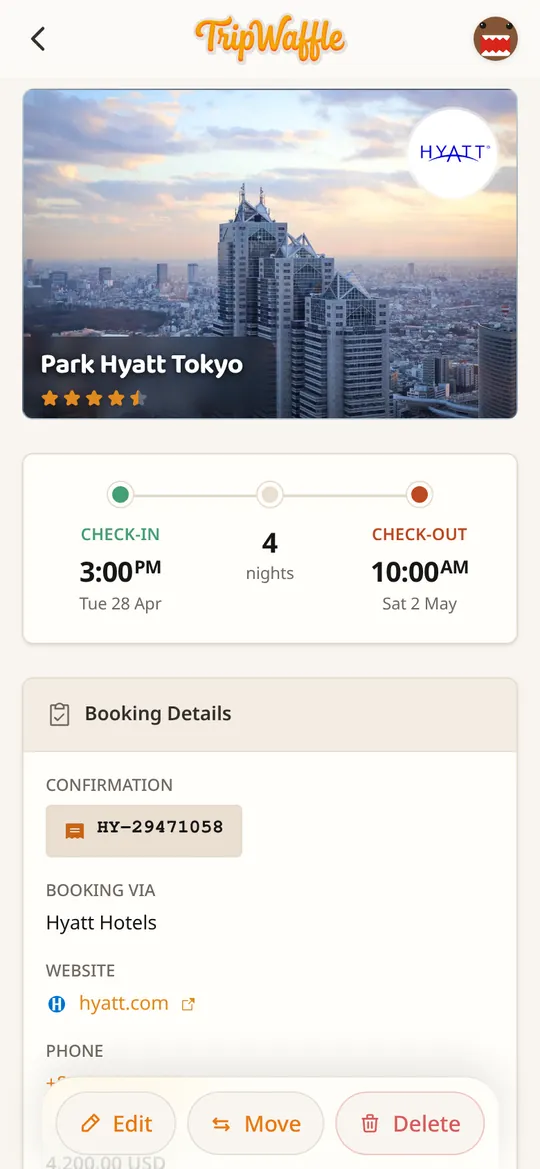
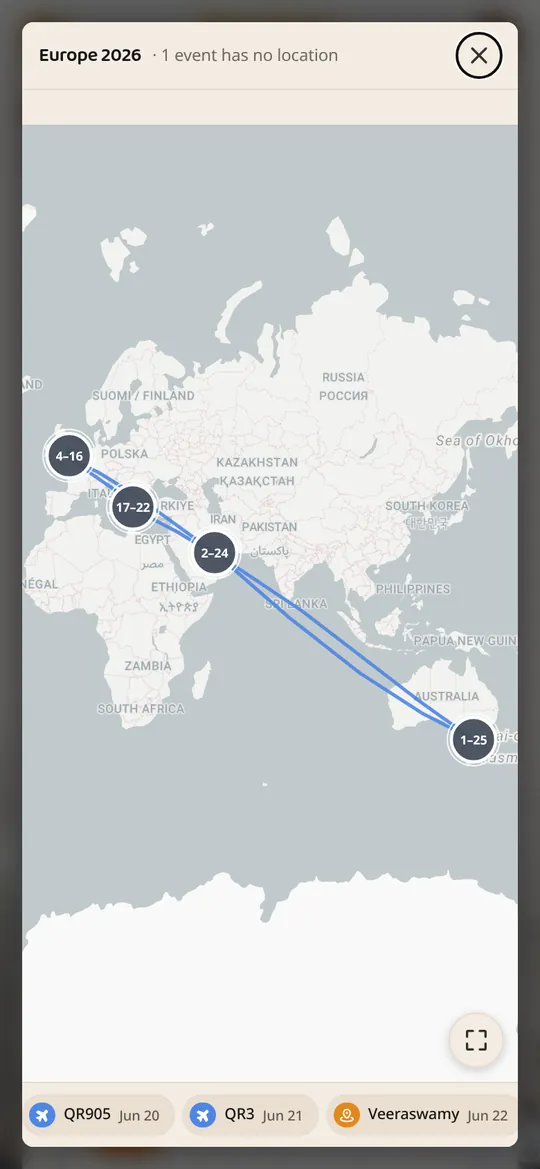
TripWaffle organizes your whole trip in one beautiful itinerary - and watches over it: government advisory alerts, the local emergency number, and entry requirements for Fukuoka, plus live flight tracking. Just forward your confirmation emails.


100% free · 3 second signup
Last updated: May 27, 2026