Is Okinawa Safe?
Okinawa is generally safe for most travelers, with low violent crime and a relaxed atmosphere in most tourist areas. The main issues are petty theft in nightlife zones, late-night alcohol-related trouble, road risks, and weather disruptions such as typhoons.
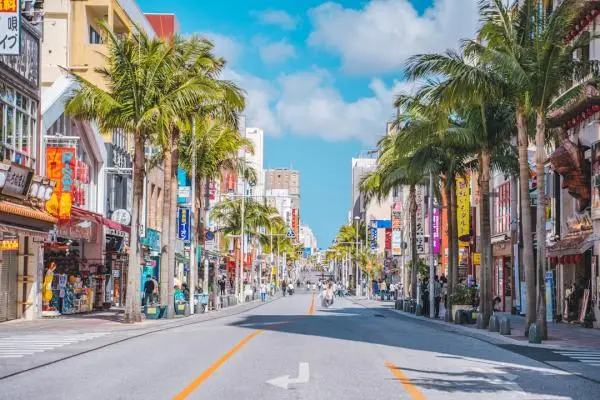
Photo: Roméo A. / Unsplash
Perception vs Reality: Okinawa sometimes gets a rougher reputation because of bar districts and areas near military bases, but most resort, beach, and residential areas are calm and low-crime.
Risk Scores
Scale: 1 = very low risk, 10 = very high risk
Safety Overview
Overall Safety
Okinawa is one of the safer beach destinations in Asia, especially in daytime and in resort areas. Most visits are trouble-free if you stay alert in nightlife districts and plan for weather and transport limits.
Violent Crime
Violent crime affecting visitors is uncommon. Most incidents are more likely to involve drunken arguments in late-night entertainment areas than targeted attacks on tourists.
Petty Crime
Petty theft exists but is not a dominant problem. Risk rises in crowded streets, bars, clubs, beaches, and when phones or bags are left unattended.
Scams
Scams are less aggressive than in many tourist destinations, but inflated bar bills, pushy touts, and occasional taxi overcharging can happen in nightlife areas.
Night Safety
Nighttime is usually fine in busy central areas, but isolated beaches, poorly lit streets, and bar districts are less comfortable after midnight. Drinking areas in Naha and Okinawa City need more awareness.
Public Transport
Public transport is generally safe and orderly. The bigger issue is limited coverage outside Naha, which can leave travelers stranded late at night if they rely on buses.
Police & Emergency
Police response is generally reliable, and Japan's public order is strong. Language barriers can slow minor incident reporting outside major tourist zones.
Day vs Night
Daytime
Daytime is low risk across most tourist areas, beaches, shopping streets, and attractions. Standard care with bags, rental cars, and beach belongings is usually enough.
Nighttime
Risk increases modestly after dark in bar districts, around intoxicated crowds, and in quiet areas with little foot traffic. Resort zones and busy central streets remain fairly comfortable, but remote beaches and late-night wandering are less ideal.
Seasonal: Typhoon season can disrupt ferries, flights, roads, and power. Summer crowds, festivals, and holiday weekends can increase petty theft opportunities and drunk driving risk on roads.
Who’s Visiting?
Tourists usually find Okinawa easy and low-stress, especially in resort areas, beaches, and daytime sightseeing spots.
Common Risks
- ⚠ Lost items in cafes, beaches, or rental cars
- ⚠ Late-night issues in bar districts
- ⚠ Weather disruptions from typhoons or heavy rain
- ⚠ Road accidents when driving unfamiliar coastal roads
Tips
- ✓ Use hotel safes and do not leave valuables visible in cars
- ✓ Book licensed taxis or reputable rides when out late
- ✓ Check typhoon and ferry updates before island-hopping
- ✓ Carry water and sun protection for long beach or outdoor days
Okinawa is generally comfortable for solo women, with low street harassment by regional standards. Nightlife zones and isolated beaches after dark need more caution.
Common Risks
- ⚠ Unwanted attention from drunk patrons in bars
- ⚠ Drink tampering risk in nightlife settings
- ⚠ Poorly lit or quiet streets late at night
- ⚠ Transport gaps after buses stop running
Tips
- ✓ Choose centrally located accommodation if going out at night
- ✓ Watch drinks being made and avoid leaving them unattended
- ✓ Prefer busy streets over shortcuts after dark
- ✓ Arrange your return trip before a night out
Okinawa is usually manageable for LGBTQ+ travelers, especially in tourist zones, but Japan's legal protections and public attitudes are uneven rather than strongly affirming.
Same-sex activity is legal in Japan, but national marriage equality is not in place and anti-discrimination protections are limited. Social risk is typically low in tourist areas, though public displays of affection may attract attention more for being unusual than for being dangerous.
Common Risks
- ⚠ Occasional staring or social discomfort in conservative settings
- ⚠ Limited explicitly LGBTQ+ nightlife outside larger urban areas
- ⚠ Privacy concerns in small guesthouses or rural communities
Tips
- ✓ Tourist and resort areas are usually the easiest environments
- ✓ Keep expectations modest for openly LGBTQ+ venues outside Naha
- ✓ Use standard nightlife precautions if meeting people
- ✓ Choose accommodation with clear guest policies
Okinawa works well for families thanks to low crime, resort infrastructure, and a generally calm environment.
Common Risks
- ⚠ Sun exposure and dehydration
- ⚠ Beach and water safety issues
- ⚠ Road safety when using rental cars
- ⚠ Typhoon-related itinerary disruptions
Tips
- ✓ Supervise children closely near water and rocky shorelines
- ✓ Use car seats and check parking before dark arrivals
- ✓ Keep reef shoes and sun protection for beach days
- ✓ Confirm weather and marine conditions before boat trips
Okinawa is comfortable for remote work in Naha and resort hubs, but transport limits and weather interruptions matter more than crime.
Common Risks
- ⚠ Typhoon-related power or transport disruption
- ⚠ Theft of laptops or bags in cafes is uncommon but possible
- ⚠ Limited late-night transport outside Naha
- ⚠ Patchy convenience on smaller islands
Tips
- ✓ Back up work and power devices during typhoon season
- ✓ Do not leave gear unattended in beach cafes or shared spaces
- ✓ Stay near Naha or major hubs if you need reliable transport
- ✓ Check coworking and internet quality before booking remote islands
Crime & Threats
Pickpocketing
LowUncommon compared with many tourist destinations, but possible in crowded shopping streets, festivals, and nightlife areas.
Phone Snatching
LowNot a defining issue, though unattended phones on tables, bars, or beaches can disappear.
Robbery
LowStreet robbery targeting tourists is rare. Risk rises slightly around intoxicated crowds late at night.
Assault
LowAssault risk is low for visitors, with most problems linked to alcohol-fueled disputes rather than random attacks.
Drink Spiking
MediumNot widespread, but nightlife settings always carry some risk, especially in bar-heavy districts.
Taxi Scams
LowMost taxis are straightforward, but occasional overcharging or route-padding can happen if you use informal drivers or do not confirm the meter.
ATM Skimming
LowRare by international standards, though using ATMs inside banks, convenience stores, or malls is still the safer choice.
Tourist Scams
LowHard-sell touting and inflated bar tabs are more likely than elaborate street scams.
Common Scams
Inflated bar bill
You are lured into a bar by a tout or vague pricing, then charged for seating, snacks, or extra drinks you did not expect.
Choose venues with clear menus and posted prices, and avoid following street touts.
Taxi route padding
A driver takes a longer route or avoids clear fare expectations, usually affecting visitors unfamiliar with the area.
Use licensed taxis, have your destination ready on a map, and confirm the meter or estimated fare before leaving.
Beach theft of unattended items
Valuables are taken while travelers swim or move between beach areas, often from bags left visible and unwatched.
Bring only what you need and keep valuables locked away or with a trusted person.
Area Map
Approximate locations from public sources. Conditions vary by time of day and current events.
Area Safety
Safer Areas
Major resort zone with a calm atmosphere, hotel security, and relatively low street crime.
Busy tourist area with restaurants, shopping, and consistent foot traffic, especially around American Village.
Usually safe in daytime and early evening thanks to crowds, shops, and regular activity.
Be More Careful
Naha nightlife district where bar disputes, touts, and inflated bills are more likely late at night.
Entertainment area in Okinawa City where alcohol-related incidents and rowdy late-night behavior can occur.
Low lighting, fewer people, and limited transport make these spots less comfortable and slower for help if something goes wrong.
Getting Around
Walking
Walking is generally safe in populated areas. After dark, avoid isolated beach paths, unlit back streets, and long walks if transport options are limited.
Taxis & Rideshare
Licensed taxis are usually reliable. Confirm the destination clearly, watch that the meter is used where expected, and avoid informal offers outside nightlife venues.
Trains & Buses
The Yui Rail in Naha is safe and easy to use. Buses are safe but can be infrequent outside central areas, which is more of a practical safety issue late at night than a crime issue.
Do’s & Don’ts
Do
- Keep phones, wallets, and passports secured in crowded or nightlife areas
- Use licensed taxis if staying out after public transport slows
- Check weather, ferry, and flight updates during typhoon season
- Lock rental cars and keep bags out of sight
- Stay on lit, busier routes at night
Don’t
- Do not leave drinks unattended in bars or clubs
- Do not follow touts into unclear nightlife venues
- Do not walk isolated beaches or coastal paths late at night
- Do not assume buses run late or frequently outside Naha
- Do not leave valuables visible on the beach or in a parked car
How Does It Compare?
Frequently Asked Questions
Yes. Okinawa is generally safe, with low violent crime and mostly minor risks such as theft in nightlife areas and transport issues after dark.
Mostly yes in busy areas, but bar districts, isolated beaches, and poorly lit roads are less comfortable late at night.
The main issues are inflated bar bills, occasional taxi overcharging, and theft of unattended items at beaches or bars.
Data Notes
- Okinawa covers multiple islands and cities, so safety can vary between Naha nightlife zones, resort areas, and remote islands.
- Crime patterns near military-base-adjacent nightlife areas can be more variable than in resort or residential districts.
- Detailed visitor-specific crime data for smaller islands is limited, so some guidance is based on broad traveler reports and regional patterns.
Traveling to Okinawa?
TripWaffle organizes your whole trip in one beautiful itinerary - and watches over it: government advisory alerts, the local emergency number, and entry requirements for Okinawa, plus live flight tracking. Just forward your confirmation emails.


100% free · 3 second signup
Last updated: May 27, 2026