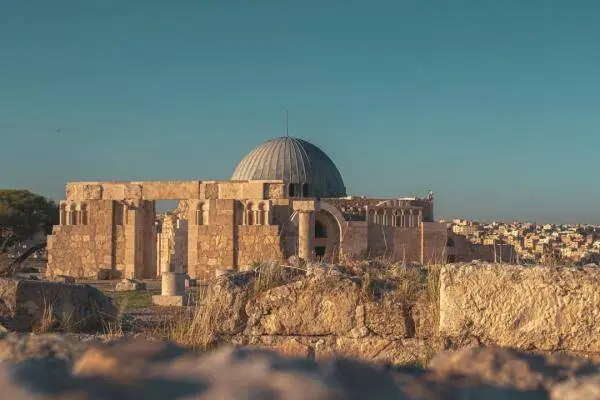
Is Amman Safe?
Amman is generally one of the safer capitals in the region for visitors, with low levels of serious street crime and a strong security presence in many central areas. The main issues for travelers are petty theft in busy spots, taxi overcharging, traffic hazards, and social conservatism that can affect nightlife, solo women, and LGBTQ+ visitors.
Photo: Mohammad Almashni / Unsplash
Perception vs Reality: Amman is often perceived as riskier than it feels on the ground because of regional instability, but the city itself is usually calmer and safer than many travelers expect. That said, regional flare-ups and protests can quickly change the atmosphere.
Risk Scores
Scale: 1 = very low risk, 10 = very high risk
Safety Overview
Overall Safety
Amman is broadly safe for visitors, especially in central and western districts. Most incidents involve petty theft, aggressive driving, or low-level overcharging rather than serious violence.
Violent Crime
Violent crime affecting travelers is uncommon. Most visitors are more likely to face nuisance issues than direct attacks.
Petty Crime
Pickpocketing and opportunistic theft can happen in crowded markets, downtown, and transport hubs. Keep phones and wallets secure in busy areas.
Scams
Scams are usually simple: taxi meter refusal, inflated prices, and occasional tourist overcharging. They are more annoying than dangerous.
Night Safety
Popular nightlife and dining areas are usually fine in the evening, but quieter streets can feel isolated and poorly lit. Late-night movement is generally easier by taxi than on foot.
Public Transport
Buses and shared transport are inexpensive but can be crowded, confusing, and inconsistent for newcomers. App-booked or licensed taxis are more straightforward.
Police & Emergency
Visible security is common in parts of the city, and tourist-targeted violent crime is relatively rare. Language barriers and paperwork can slow minor incident reporting.
Day vs Night
Daytime
Daytime is generally comfortable for sightseeing, shopping, and walking in central districts, though traffic and crowded downtown areas require attention.
Nighttime
Nighttime remains manageable in busy districts like Jabal Amman, Abdoun, and Sweifieh, but walking becomes less convenient on quiet or poorly lit streets. Taxis are usually the better option after dark.
Seasonal: Ramadan changes business hours and late-night activity patterns. Large protests, regional escalations, or major political events can lead to temporary road closures, security checks, and tense areas near embassies or government sites.
Who’s Visiting?
Tourists are usually safe in Amman, especially around major hotels, Jabal Amman, Abdali, and other well-trafficked districts.
Common Risks
- ⚠ Taxi overcharging
- ⚠ Pickpocketing in crowded areas
- ⚠ Traffic when crossing roads
- ⚠ Minor overpricing in tourist-facing shops
Tips
- ✓ Use licensed or app-booked taxis and confirm the route early
- ✓ Carry small notes and avoid flashing cash
- ✓ Keep your phone secure in downtown crowds
- ✓ Cross roads carefully; traffic can be fast and unpredictable
Many solo women visit Amman without major problems, but street attention and conservative social expectations are common enough to affect comfort.
Common Risks
- ⚠ Staring or verbal harassment
- ⚠ Unwanted conversation from drivers or strangers
- ⚠ Feeling isolated on quiet streets at night
Tips
- ✓ Prefer taxis for late-night trips instead of walking alone
- ✓ Dress modestly to blend in more easily, especially outside nightlife areas
- ✓ Choose well-reviewed accommodation in central or western neighborhoods
- ✓ If a situation feels pushy, move to a busy cafe, shop, or hotel
Legal risk is lower than social risk, but public attitudes are conservative and visible LGBTQ+ expression can attract unwanted attention.
Same-sex relations are not generally criminalized in Jordan, but social acceptance is limited and discretion is common. Public displays of affection of any kind can draw attention, especially outside more cosmopolitan areas.
Common Risks
- ⚠ Verbal harassment
- ⚠ Social discomfort in conservative settings
- ⚠ Privacy concerns when discussing relationships in public
Tips
- ✓ Keep public displays of affection low-key
- ✓ Use privacy settings carefully on dating apps
- ✓ Stick to internationally oriented venues and hotels for more discreet social space
- ✓ Avoid assuming local attitudes are as open as in Western capitals
Amman works well for families, with many safe hotel districts and family-friendly restaurants, but traffic and uneven pavements are practical concerns.
Common Risks
- ⚠ Traffic while walking with children
- ⚠ Crowding in markets
- ⚠ Heat and dehydration in warmer months
Tips
- ✓ Stay in areas with easier transport access and modern facilities
- ✓ Use car seats when available and avoid casual street crossings
- ✓ Plan indoor breaks during hot afternoons
- ✓ Keep children close in busy downtown areas
Amman is workable for digital nomads, especially in western districts, though transport friction and occasional regional tension can affect routines.
Common Risks
- ⚠ Petty theft in cafes or shared spaces
- ⚠ Transport delays
- ⚠ Connectivity variability outside better-equipped districts
Tips
- ✓ Choose accommodation in Jabal Amman, Abdoun, Sweifieh, or Abdali for convenience
- ✓ Do not leave laptops unattended in cafes
- ✓ Have a backup SIM or hotspot plan
- ✓ Monitor local news during periods of regional escalation or demonstrations
Crime & Threats
Pickpocketing
MediumMost likely in Al-Balad, crowded souqs, bus stations, and packed public events.
Phone Snatching
LowLess common than in many large capitals, but phones can still be grabbed in congested areas or from distracted pedestrians.
Robbery
LowStreet robbery against tourists is uncommon, especially in central and western districts.
Assault
LowAssault risk is generally low for visitors, though arguments in nightlife or traffic situations are best avoided.
Drink Spiking
LowNot a dominant risk, but normal nightlife precautions still make sense in bars and clubs.
Taxi Scams
MediumMeter refusal, route padding, and tourist pricing are among the most common complaints.
ATM Skimming
LowUse ATMs attached to banks or major malls rather than isolated machines.
Tourist Scams
MediumMore often seen as inflated pricing or unsolicited help that leads to a tip request than elaborate fraud.
Common Scams
Taxi meter refusal
A driver claims the meter is broken or unnecessary and quotes a high flat fare, especially for airport or hotel trips.
Use app-booked rides where possible, or confirm meter use or fare before the trip starts.
Inflated tourist pricing
A shop or service provider quotes a noticeably higher price to visitors than to locals.
Ask prices before ordering or buying, compare a few vendors, and carry small cash.
Unsolicited help for tips
A stranger offers directions or assistance, then expects payment afterward.
Politely decline unwanted help and ask staff, shopkeepers, or hotel desks instead.
Long-route taxi ride
A driver takes a less direct route to increase the fare or exploit a visitor's unfamiliarity.
Follow the route on your phone and mention your destination clearly at the start.
Area Map
Approximate locations from public sources. Conditions vary by time of day and current events.
Area Safety
Safer Areas
Well-known for cafes, hotels, and steady foot traffic, especially around Rainbow Street.
Upscale residential and dining area with many embassies, hotels, and generally calmer streets.
Modern business and shopping district with strong security presence and regular taxi availability.
Busy commercial area popular with visitors and locals, with plenty of shops and transport options.
Be More Careful
Usually fine by day, but it is crowded, chaotic, and the most likely place for petty theft and tourist overcharging.
Busy transport hub where crowds, confusion, and petty theft risk are higher.
Useful for transport but less comfortable for newcomers, especially late at night.
Not necessarily dangerous, but lighting, navigation, and transport convenience can be weaker than in western districts.
Getting Around
Walking
Walking is practical in selected neighborhoods but often limited by hills, uneven pavements, and aggressive traffic. Crossing major roads can be the biggest day-to-day hazard.
Taxis & Rideshare
Licensed taxis are common, but some drivers may avoid the meter or quote inflated prices. App-booked rides or clearly agreed fares reduce hassle.
Trains & Buses
Amman has no urban rail system. Buses and service taxis are affordable but can be confusing for first-time visitors; intercity buses from established operators are usually more straightforward.
Do’s & Don’ts
Do
- Stay in central or western districts if you want easier transport and a more visitor-friendly environment
- Keep valuables zipped away in souqs, downtown, and transport hubs
- Use bank ATMs and licensed or app-booked taxis
- Dress with local norms in mind, especially in conservative settings
- Check local news during periods of regional tension or demonstrations
Don’t
- Do not assume drivers will automatically use the meter
- Do not leave phones, wallets, or bags visible in crowded markets or cafes
- Do not wander quiet unfamiliar streets late at night if a taxi is easy to get
- Do not photograph security sites, checkpoints, or sensitive government locations
- Do not rely on walking times alone; steep roads and traffic can make short distances slower than expected
How Does It Compare?
Frequently Asked Questions
Yes, Amman is generally safe for tourists, with low violent crime and mostly minor risks like petty theft, taxi overcharging, and traffic hazards.
Busy areas such as Jabal Amman, Abdoun, and Sweifieh are usually fine in the evening, but quieter streets can feel isolated and are better reached by taxi.
Usually yes, but expect some staring or verbal attention. Modest dress and using taxis at night can make travel more comfortable.
Data Notes
- Neighborhood-level crime reporting in Amman is limited, so area comparisons are based more on traveler patterns and local reputation than precise public data.
- Rideshare availability and local transport rules can change, so app-based taxi options may vary over time.
- Regional security events or protests can alter the risk picture quickly, especially near embassies, government sites, and major roads.
Traveling to Amman?
TripWaffle organizes your whole trip in one beautiful itinerary - and watches over it: government advisory alerts, the local emergency number, and entry requirements for Amman, plus live flight tracking. Just forward your confirmation emails.


100% free · 3 second signup
Last updated: May 27, 2026