
Is Wellington Safe?
Wellington is generally a safe city for most travelers, with low levels of serious violence affecting visitors. The main issues are petty theft, car break-ins, and alcohol-related trouble around nightlife areas late at night.
Photo: Sulthan Auliya / Unsplash
Perception vs Reality: Wellington often feels very safe, and for most visitors it is. The bigger practical risks are late-night disorder in bar areas, theft from unattended bags or cars, and weather-related hazards like strong wind and slippery hills.
Risk Scores
Scale: 1 = very low risk, 10 = very high risk
Safety Overview
Overall Safety
Wellington is safe by international city standards. Most visitors have trouble-free stays if they protect valuables and avoid drunken late-night scenes.
Violent Crime
Serious violence against travelers is uncommon. Most incidents that do happen are linked to intoxication, arguments, or a small number of late-night trouble spots.
Petty Crime
Petty theft is the more realistic risk, especially unattended phones, bags, bikes, and items left in cars. Crowded nightlife streets and parked vehicles are higher risk than daytime sightseeing areas.
Scams
Street scams are not a major Wellington issue. If travelers lose money, it is more often through online booking fraud, card issues, or occasional overcharging than aggressive street cons.
Night Safety
Central Wellington is usually manageable at night, but risk rises around Courtenay Place and nearby streets after bars close. Quiet waterfront stretches, parks, and transport areas feel less comfortable late.
Public Transport
Buses and trains are generally safe and routine to use. Weekend late-night services can attract intoxicated passengers, so sit near others and keep your phone secure.
Police & Emergency
Police and emergency response are generally reliable. In an emergency, call 111; for non-urgent issues, use local police reporting channels.
Day vs Night
Daytime
Daytime in the CBD, waterfront, museums, and main shopping streets is typically low risk and easy to navigate.
Nighttime
Risk increases after midnight around bars, fast-food strips, and transport waiting areas. Avoid wandering alone while intoxicated or taking quiet shortcuts.
Seasonal: Friday and Saturday nights, major sports matches, festivals, and New Year's bring more drunken behavior and theft opportunities. Strong wind, rain, and slippery hills can be a more practical hazard than crime.
Who’s Visiting?
Tourists are unlikely to face serious crime, but theft from cars and distraction theft in busy central areas are the most relevant concerns.
Common Risks
- ⚠ Bag or phone theft in bars or cafes
- ⚠ Car break-ins after leaving luggage visible
- ⚠ Late-night disorder around nightlife streets
- ⚠ Booking scams for accommodation or transport
Tips
- ✓ Do not leave bags, passports, or electronics visible in cars
- ✓ Use official apps and verified booking platforms
- ✓ Keep your phone in a front pocket in crowded nightlife areas
- ✓ Choose a registered taxi or verify rideshare plate details
Wellington is one of the easier cities in the region for solo women to navigate, especially by day. The main issues are harassment from intoxicated people and walking alone through nightlife zones very late.
Common Risks
- ⚠ Verbal harassment near bars late at night
- ⚠ Drink tampering risk in busy nightlife venues
- ⚠ Feeling isolated on quieter streets or waterfront sections after dark
Tips
- ✓ Prefer well-lit main streets when walking back at night
- ✓ Watch drinks being poured and do not leave them unattended
- ✓ Use rideshare or taxi after a late night out rather than walking far alone
- ✓ If a venue crowd feels off, leave early rather than waiting for closing time
Wellington is generally welcoming and is among New Zealand's more openly inclusive cities. Most LGBTQ+ travelers experience low practical risk, though drunken harassment can still happen in nightlife settings.
Same-sex relationships are legal and social acceptance is broadly high. Legal risk is low; any issues are more likely to be social and isolated rather than systematic.
Common Risks
- ⚠ Occasional verbal harassment from intoxicated individuals
- ⚠ Nightlife-related conflict rather than targeted crime
Tips
- ✓ Central areas and established venues are usually comfortable
- ✓ Avoid engaging with aggressive drunken groups
- ✓ Use the same nightlife precautions you would in any bar district
- ✓ If traveling as a couple, assess the immediate crowd late at night rather than the city as a whole
Wellington works well for families, with low violent risk in the main visitor areas. Practical concerns are weather, traffic on steep streets, and keeping an eye on belongings.
Common Risks
- ⚠ Windy waterfront conditions
- ⚠ Slippery hills and steps in wet weather
- ⚠ Busy roads and crossings in the CBD
Tips
- ✓ Carry layers and rain gear even on changeable days
- ✓ Use child-safe crossings and avoid distractions near steep roads
- ✓ Pick accommodation with secure parking if using a car
- ✓ Do not leave strollers, bags, or electronics unattended in cafes
Wellington is a comfortable base for remote workers, with low violent risk and a compact center. The main safety issues are laptop theft from unattended tables, bike theft, and securing gear in cars or rentals.
Common Risks
- ⚠ Laptop or phone theft in cafes or co-working spaces
- ⚠ Bike theft
- ⚠ Vehicle break-ins with visible gear
Tips
- ✓ Do not leave devices unattended, even briefly
- ✓ Use strong bike locks and indoor storage if possible
- ✓ Back up data and use secure Wi-Fi habits
- ✓ Choose accommodation with secure entry and storage for equipment
Crime & Threats
Pickpocketing
MediumNot constant, but possible in busy central streets, nightlife areas, and crowded events. Loose phones and wallets are easier targets than zipped bags.
Phone Snatching
LowLess common than in many larger cities, but phones can go missing from bar tables, bus seats, or distracted use near nightlife crowds.
Robbery
LowStreet robbery is not a major visitor problem. Risk is higher late at night if someone is alone, intoxicated, or in a quiet area near nightlife spillover.
Assault
LowAssault risk for visitors is generally low. Most incidents are linked to drunken arguments or being in the wrong place after bars close.
Drink Spiking
MediumReports do occur in nightlife settings, so keep drinks in sight and avoid accepting open drinks from strangers.
Taxi Scams
LowTaxi fraud is not common, but use registered taxis or app-based rides and check the route if coming from the airport or nightlife areas.
ATM Skimming
LowRare, but use bank ATMs in well-lit locations and cover your PIN. Contactless card misuse after loss or theft is more plausible than classic skimming.
Tourist Scams
LowWellington has few classic tourist scams. Online accommodation fraud and fake resale tickets are more likely than street-based deception.
Common Scams
Nightlife distraction theft
A bag, jacket, or phone is taken while you are dancing, ordering, or distracted in a crowded venue.
Keep phones off tables, wear bags crossbody, and do not leave belongings with strangers or on bar stools.
Visible-luggage car break-in
A parked car is targeted after bags or electronics are left visible inside, including at lookouts or central parking areas.
Leave nothing visible in the car and use secure parking if storing gear or luggage.
Fake accommodation or ticket listing
Travelers pay deposits or full price through unofficial listings for rentals or event tickets that do not exist.
Use reputable platforms, verify addresses, and avoid bank transfer-only deals.
Taxi or rideshare mismatch
A traveler gets into the wrong vehicle outside the airport or nightlife area, or accepts a ride without checking the booking details.
Match the driver name, plate, and car model before entering.
Area Map
Approximate locations from public sources. Conditions vary by time of day and current events.
Area Safety
Safer Areas
Well-known, residential, and usually comfortable in daytime and early evening with regular foot traffic.
Generally calm, professional, and residential, with lower street disorder than nightlife-focused areas.
Mostly residential and quieter, with lower petty-crime exposure than the late-night CBD core.
Be More Careful
The main nightlife strip; late-night intoxication, arguments, and opportunistic theft are more likely here.
Busy central corridors where petty theft, anti-social behavior, and late-night loitering are more noticeable.
Usually fine earlier in the evening, but quieter stretches feel less comfortable late at night when foot traffic drops.
Getting Around
Walking
Walking is generally safe in central Wellington, but hills, strong wind, and wet pavements can be more of a hazard than crime. At night, stick to lit main streets rather than quiet side roads or empty waterfront stretches.
Taxis & Rideshare
Taxis and rideshares are broadly safe. Book through official apps or known companies, confirm the plate, and avoid getting into random cars outside nightlife venues.
Trains & Buses
Public transport is usually orderly and safe. Late-night or event-time services may have noisy or intoxicated passengers, so keep valuables close and sit near other riders.
Do’s & Don’ts
Do
- Keep phones and wallets secured in crowded central areas
- Use official booking platforms and app-based transport
- Lock cars and remove all visible items
- Plan your route home before a night out
- Carry a rain layer and wear shoes with grip on steep streets
Don’t
- Do not leave bags or electronics unattended in cafes or bars
- Do not walk alone while heavily intoxicated after venues close
- Do not leave luggage visible in parked vehicles
- Do not accept open drinks from strangers
- Do not rely on quiet shortcuts late at night
How Does It Compare?
Safer Than
Riskier Than
Wellington is safe by international capital-city standards, but it has more petty theft and late-night disorder than smaller New Zealand communities.
Frequently Asked Questions
Yes. Most visits are trouble-free, with petty theft and late-night bar-area disorder being the main issues.
Usually yes in busy central areas, but risk rises after midnight around Courtenay Place, lower Cuba Street, and quieter waterfront stretches.
Generally yes. The main concerns are harassment from intoxicated people and managing late-night transport after going out.
Data Notes
- Neighborhood-level safety can shift with nightlife patterns, policing, and local events, especially in the CBD.
- Wellington has relatively few classic street scams, so scam risk is based more on general New Zealand travel patterns than city-specific fraud hotspots.
- Hotspot guidance focuses on widely known central areas; most outer suburbs are not major tourist zones and have less consistent visitor-specific safety reporting.
Other Destinations in New Zealand
Traveling to Wellington?
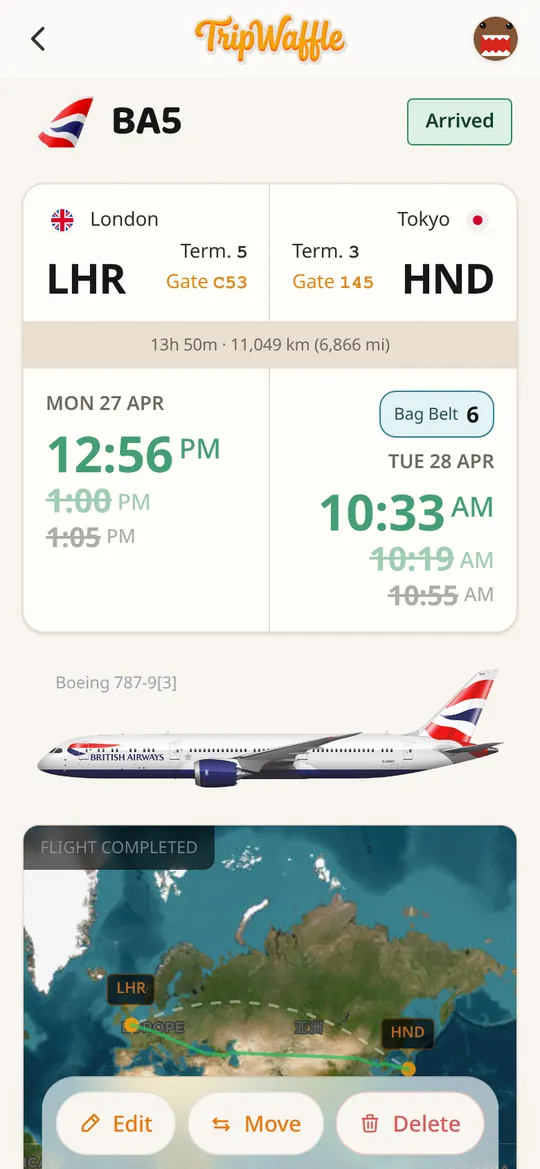
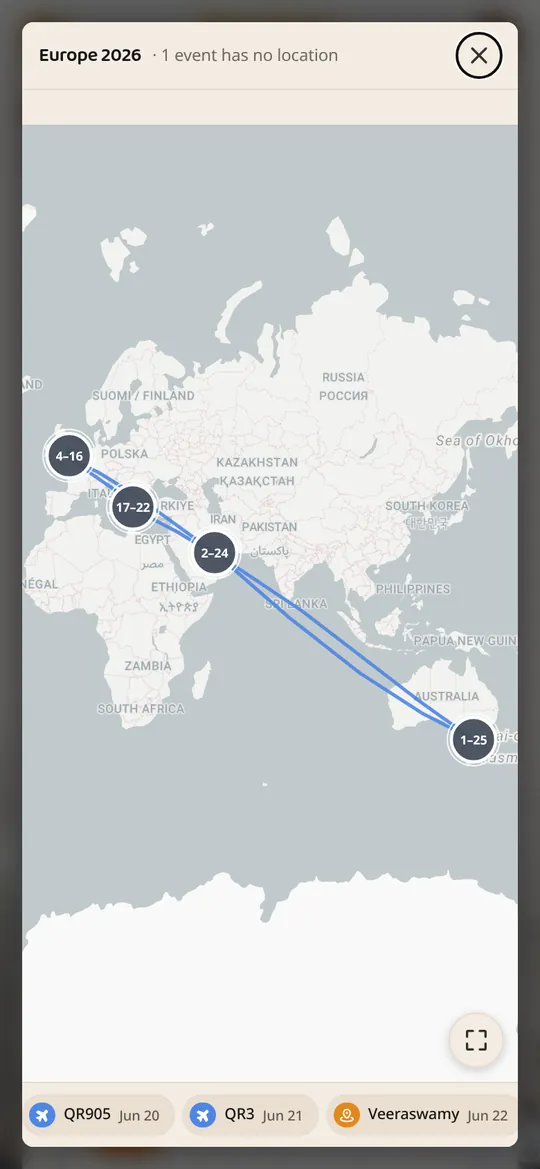
TripWaffle organizes your whole trip in one beautiful itinerary - and watches over it: government advisory alerts, the local emergency number, and entry requirements for Wellington, plus live flight tracking. Just forward your confirmation emails.


100% free · 3 second signup
Last updated: September 21, 2026