Is Oman Safe?
Oman is one of the safer countries in the region for travelers, with low rates of street crime and a generally calm public environment. Most problems visitors face are practical rather than criminal: road safety, extreme heat, flash floods in wadis, and the extra risks of remote travel.
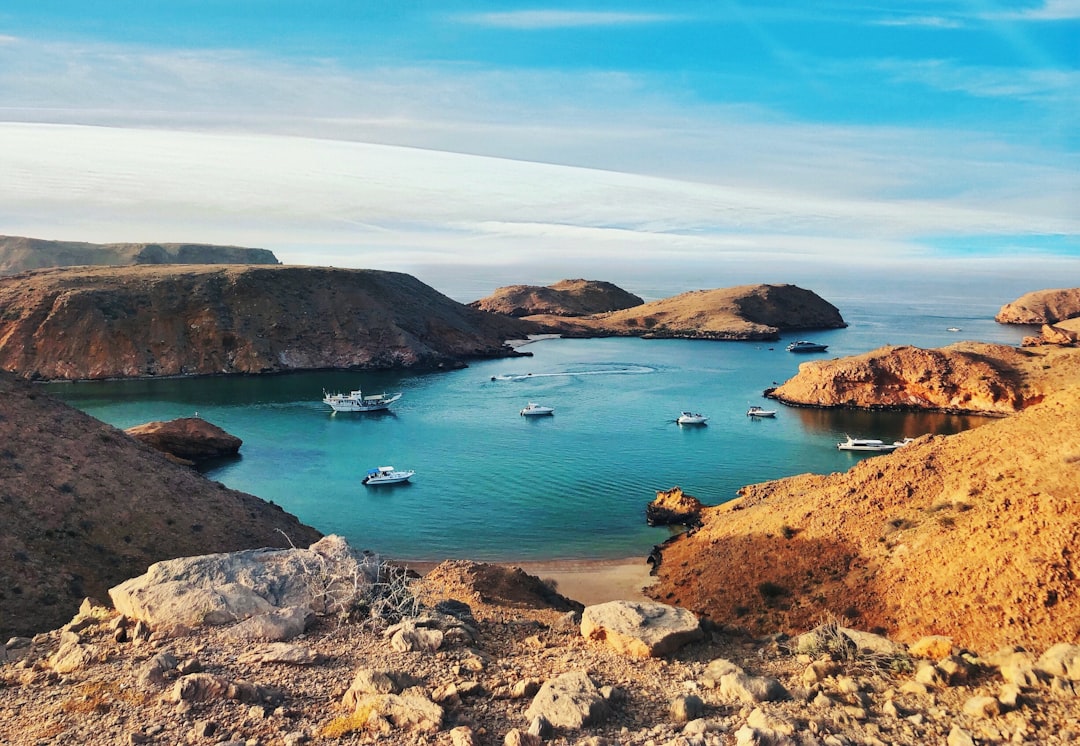
Photo: Katerina Kerdi / Unsplash
Perception vs Reality: Oman can look strict from the outside because it is conservative, but most visitors find it relaxed, polite, and low-crime. The bigger risks are driving conditions, weather, and distance from help in rural areas rather than urban crime.
Risk Scores
Scale: 1 = very low risk, 10 = very high risk
Safety Overview
Overall Safety
Oman is low-crime and broadly comfortable for visitors. Most safety issues come from driving, heat, and remote terrain, not street violence.
Violent Crime
Violent crime against travelers is uncommon. Disputes in public are rare, and tourist areas are usually calm.
Petty Crime
Petty theft exists but is not a major day-to-day problem. Keep normal control of bags and phones in souqs, markets, and busy waterfront areas.
Scams
Scams are limited compared with many tourist destinations. The most likely issues are taxi overcharging, inflated tour prices, or souvenir upselling.
Night Safety
Cities and resort areas are generally calm after dark, especially in Muscat. Risks rise more from isolated roads and poor lighting outside city centers than from crime.
Public Transport
Buses and shared transport are usually low risk from a crime perspective, but coverage is limited. Many travelers rely on taxis or rental cars.
Police & Emergency
Police are generally seen as professional and visible. Help is easier to access in Muscat and other main towns than in desert, mountain, or wadi areas.
Day vs Night
Daytime
Daytime is generally very safe in cities and towns. The bigger hazards are sun exposure, dehydration, and traffic rather than crime.
Nighttime
Nighttime is usually calm in Muscat, resort zones, and main towns. Outside urban areas, darkness, sparse traffic, and isolated roads create more risk than criminal activity.
Seasonal: Summer heat can be extreme. Heavy rain can trigger dangerous flash floods in wadis, and the khareef season in Salalah can bring fog and slippery roads.
Who’s Visiting?
Tourists usually find Oman easygoing and low-crime. The main concerns are road travel, heat, and safety in remote natural areas.
Common Risks
- ⚠ Taxi overcharging
- ⚠ Minor theft in crowded souqs
- ⚠ Road accidents on highways and mountain roads
- ⚠ Flash floods in wadis after rain
- ⚠ Heat exhaustion and dehydration
Tips
- ✓ Use licensed or app-booked taxis and confirm the fare before moving
- ✓ Avoid leaving bags, phones, or passports unattended at beaches and cafés
- ✓ Check weather before visiting wadis or driving remote routes
- ✓ Carry water and fuel for long drives outside cities
Oman is generally one of the safer destinations in the region for solo women, with low street-crime levels and limited harassment by international standards. Conservative social norms matter more than personal security in most places.
Common Risks
- ⚠ Occasional staring or unwanted attention
- ⚠ Limited help if stranded in remote areas
- ⚠ Late-night isolation on empty streets or beaches
Tips
- ✓ Dress modestly outside resorts and private beaches
- ✓ Prefer reputable taxis or hotel-arranged transport at night
- ✓ Avoid isolated wadis, beaches, or desert stops alone after dark
- ✓ Share your route when taking long road trips
Street crime risk is low, but LGBTQ travelers face higher legal and social risk than most other visitors. Discretion is important.
Oman is socially conservative, and same-sex intimacy can carry legal risk under local law. Public displays of affection and visibly confrontational behavior can attract unwanted attention regardless of orientation, but LGBTQ travelers face added exposure.
Common Risks
- ⚠ Legal risk linked to same-sex relationships
- ⚠ Social disapproval or outing
- ⚠ Harassment if visibly gender-nonconforming
- ⚠ Privacy risks on dating apps
Tips
- ✓ Keep affection private
- ✓ Use discretion on dating apps and avoid sharing hotel details quickly
- ✓ Choose international-standard hotels if privacy matters
- ✓ Avoid public arguments over identity or relationships
Oman is family-friendly, orderly, and low-crime. The biggest safety issues for families are heat, water safety, and long drives.
Common Risks
- ⚠ Heat exposure for children
- ⚠ Fast traffic and limited pedestrian infrastructure
- ⚠ Strong currents at some beaches
- ⚠ Remote-area access to services
Tips
- ✓ Plan outdoor activities early or late in the day
- ✓ Use child seats for long drives
- ✓ Supervise children closely near wadis, cliffs, and beaches
- ✓ Book accommodation with clear access to shade, water, and transport
Oman is calm and secure for remote workers, especially in Muscat, but it is less geared to nomad life than some regional hubs. Convenience, not crime, is the main limitation.
Common Risks
- ⚠ Public Wi-Fi privacy issues
- ⚠ Car dependence outside central areas
- ⚠ Limited late-night workspace options
- ⚠ Device theft risk if left unattended in cafés or hotel lobbies
Tips
- ✓ Use secure networks for work and banking
- ✓ Choose accommodation near your regular work area to reduce transport hassle
- ✓ Keep laptops and passports with you in public spaces
- ✓ Have a backup mobile data option for travel outside Muscat
Crime & Threats
Pickpocketing
LowUncommon, but possible in souqs, markets, and busy festival areas.
Phone Snatching
LowLess common than in many tourist destinations, though phones left on café tables or car seats can still go missing.
Robbery
LowStreet robbery against visitors is rare. Isolated areas are more concerning for breakdowns than for crime.
Assault
LowAssault rates affecting tourists appear low. Trouble is more likely around personal disputes or nightlife misunderstandings than random attacks.
Drink Spiking
LowNot a headline risk, but use normal bar precautions in hotels and nightlife venues.
Taxi Scams
MediumThe most common issue is fare inflation, especially with informal taxis or if the price is not agreed first.
ATM Skimming
LowNot widely reported, but use bank ATMs in malls, hotels, or branches when possible.
Tourist Scams
LowMost are low-pressure pricing tricks rather than aggressive scams, such as inflated tour fees or souvenir markups.
Common Scams
Taxi fare inflation
A driver quotes a high flat fare, especially from airports, hotels, souqs, or late at night.
Use licensed or app-booked taxis and agree on the fare before the trip starts.
Souq price padding
Souvenir sellers start high, especially for frankincense, silver, or textiles aimed at tourists.
Compare a few shops, ask the price calmly, and do not feel rushed into buying.
Tour or guide overpricing
Informal guides at scenic spots quote rates far above market value or promise more than they deliver.
Book through a hotel or reviewed operator and confirm what is included before paying.
Area Safety
Safer Areas
Well-policed, orderly, and the easiest place in the country for visitors to get help, transport, and higher-standard accommodation.
Modern, residential, and popular with expats and visitors, with a calm atmosphere and good amenities.
Generally relaxed and visitor-friendly, especially in the main tourist season.
Be More Careful
Usually safe, but crowds make it the most likely place for minor theft, aggressive upselling, or taxi overcharging.
Low crime but higher practical danger from isolation, slippery terrain, flash floods, and limited phone signal.
Main risks are driving conditions, steep roads, weather changes, and being far from assistance.
Getting Around
Walking
Walking is generally safe from crime, but many areas are car-oriented, sidewalks can be inconsistent, and heat is a serious daytime factor.
Taxis & Rideshare
Licensed and hotel-called taxis are usually fine. Confirm the fare in advance if there is no meter, and be wary of informal drivers offering inflated prices.
Trains & Buses
There is no national passenger rail network. Buses are generally safe but limited in coverage and frequency, so many visitors depend on taxis or rental cars.
Do’s & Don’ts
Do
- Carry water and plan around heat, especially for outdoor trips
- Dress modestly in towns, villages, and religious sites
- Check weather before visiting wadis or driving mountain roads
- Use licensed taxis or confirm taxi fares in advance
- Keep valuables secure in crowded markets and on beaches
Don’t
- Do not underestimate desert, mountain, or wadi conditions
- Do not drive into floodwater or enter wadis after heavy rain
- Do not leave phones, bags, or passports visible in cars
- Do not rely on walking long distances in midday heat
- Do not assume LGBTQ expression that is accepted elsewhere will be accepted publicly
How Does It Compare?
Frequently Asked Questions
Yes. Oman is generally very safe for tourists, with low street-crime levels and a calm public atmosphere.
Usually yes. Solo women generally report low crime and limited harassment, though modest dress and avoiding isolated areas at night help.
The main risks are road accidents, extreme heat, flash floods in wadis, and the challenges of remote travel rather than theft or violence.
Data Notes
- Public crime data is not always detailed or easy to compare internationally, so ratings rely partly on traveler reports and regional context.
- LGBTQ legal enforcement can be difficult to assess in practice; social and legal risk may vary by setting and visibility.
- Safety conditions can change quickly in remote wadis, deserts, and mountain areas depending on weather and road status.
Explore Areas in Oman
Traveling to Oman?
TripWaffle organizes your entire trip — flights, hotels, trains, events — in one beautiful itinerary. Just forward your confirmation emails.


100% free · 3 second signup
Last updated: March 21, 2026