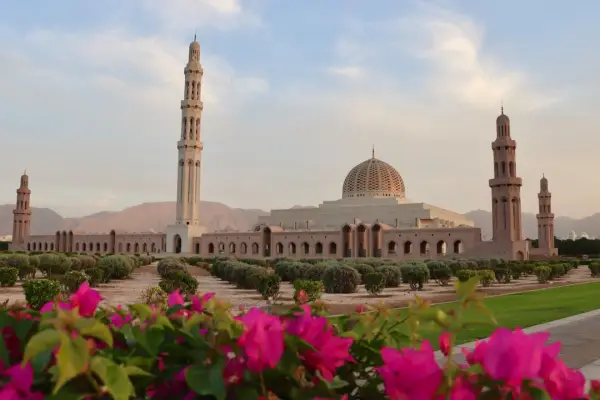
Is Muscat Safe?
Muscat is one of the safer capital cities in the region, with low levels of violent crime and relatively little street harassment or scam activity compared with many major tourist cities. The main issues for most visitors are conservative social norms, road safety, summer heat, and occasional overcharging by taxis or in tourist markets rather than serious crime.
Photo: Hongbin / Unsplash
Perception vs Reality: Some travelers expect Muscat to feel tense because of regional headlines, but daily life is generally calm, orderly, and low-crime. The bigger adjustment is cultural conservatism, not street danger.
Risk Scores
Scale: 1 = very low risk, 10 = very high risk
Safety Overview
Overall Safety
Muscat is generally very safe for visitors, with low violent crime and low petty theft by big-city standards. Most problems are practical rather than criminal: traffic, heat, and occasional tourist overcharging.
Violent Crime
Violent crime affecting travelers is uncommon. Incidents are more likely to be isolated disputes than random attacks.
Petty Crime
Pickpocketing and opportunistic theft can happen in crowded souqs or busy public areas, but they are not a defining problem in Muscat. Basic awareness is usually enough.
Scams
Scams are limited compared with many tourist hubs. The most common issue is taxi fare inflation or inflated prices in markets aimed at visitors.
Night Safety
Busy restaurant, hotel, and waterfront areas are usually calm after dark. Quiet beaches, isolated viewpoints, and poorly lit roadside areas are less comfortable late at night.
Public Transport
Public transport is not a major crime concern, but Muscat is car-dependent and bus coverage is limited. Taxis and app-based rides are more practical than relying on buses.
Police & Emergency
Police presence is generally professional and visible in key areas. Tourist-facing staff at hotels, malls, and major attractions usually speak enough English to help if needed.
Day vs Night
Daytime
Daytime is typically very safe for sightseeing, shopping, and driving between districts. The main daytime risk is heat, especially in summer, along with traffic on wide, fast roads.
Nighttime
Evenings are usually calm in hotel zones, restaurants, and waterfront areas. Late at night, Muscat becomes quieter, so isolated beaches, mountain roads, and empty roadside areas are less ideal to visit alone.
Seasonal: Summer heat can be intense and limits walkability. Heavy rain, flash flooding, and occasional cyclone-related weather can disrupt roads. During Ramadan, opening hours change and public behavior expectations are more conservative.
Who’s Visiting?
Tourists usually find Muscat easy and low-stress, especially in hotels, malls, waterfronts, and major attractions. Cultural etiquette and transport planning matter more than personal security.
Common Risks
- ⚠ Taxi overcharging
- ⚠ Inflated prices in tourist markets
- ⚠ Leaving valuables unattended at beaches or cafes
- ⚠ Road accidents when driving or crossing wide roads
- ⚠ Heat exhaustion and dehydration
Tips
- ✓ Use ride apps or agree the taxi fare before the trip starts
- ✓ Keep wallets and phones secure in souqs and crowded promenades
- ✓ Dress modestly outside resorts and beach clubs
- ✓ Carry water and avoid long daytime walks in hot months
- ✓ Use licensed operators for desert, diving, or mountain trips
Muscat is generally comfortable for solo women, including for daytime sightseeing and dining alone. The main issues are occasional staring, conservative expectations around dress, and limited late-night street activity in quieter areas.
Common Risks
- ⚠ Unwanted attention or staring
- ⚠ Taxi discomfort if using unverified drivers
- ⚠ Feeling isolated in quiet areas after dark
- ⚠ Cultural friction from very revealing clothing in public places
Tips
- ✓ Choose app-based or hotel-booked taxis when possible
- ✓ Prefer busy waterfronts, malls, and hotel zones at night
- ✓ Carry a light shawl or layer for mosques and conservative areas
- ✓ Share live trip details if heading to beaches or viewpoints alone
- ✓ If a situation feels awkward, move into a hotel, cafe, or family area
Street violence against LGBTQ travelers is not a common headline risk, but legal and social conservatism are important concerns. Discretion matters much more here than in more liberal tourist destinations.
Oman is socially conservative, and same-sex sexual activity is illegal. Public displays of affection are generally uncommon for everyone, and visibly LGBTQ presentation may draw unwanted attention in some settings.
Common Risks
- ⚠ Legal and social risk tied to same-sex relationships
- ⚠ Unwanted attention in conservative public spaces
- ⚠ Hotel or service discomfort if privacy expectations differ
Tips
- ✓ Keep public affection to a minimum
- ✓ Use discretion with dating apps and avoid sharing personal details quickly
- ✓ Prefer international hotels and established tourist venues
- ✓ Be cautious about discussing sexuality with strangers
- ✓ Know that social risk is usually more relevant than street-crime risk
Muscat works well for families thanks to its calm atmosphere, clean malls, beach areas, and generally low crime. The bigger concerns are road safety, sun exposure, and supervision near water.
Common Risks
- ⚠ Traffic near major roads and parking areas
- ⚠ Heat and sun exposure
- ⚠ Slippery rocks or waves at beaches
- ⚠ Children wandering in crowded souqs
Tips
- ✓ Use child seats and seat belts in rental cars and taxis when available
- ✓ Plan outdoor activities early morning or late afternoon
- ✓ Keep children close in Muttrah Souq and waterfront crowds
- ✓ Choose shaded, family-oriented beaches and parks
- ✓ Carry water, hats, and sunscreen year-round
Muscat is calm and comfortable for remote work, especially in upscale districts and hotels. The main limitations are car dependence, fewer walkable mixed-use areas, and variable value in short-term transport.
Common Risks
- ⚠ Public Wi-Fi privacy issues
- ⚠ Taxi overcharging without an app
- ⚠ Limited late-night transport options in quieter districts
- ⚠ Heat making walkability poor for part of the year
Tips
- ✓ Use a VPN on public Wi-Fi
- ✓ Base yourself in areas like Al Mouj, Qurum, or Madinat Sultan Qaboos for convenience
- ✓ Use ride apps instead of street taxis when possible
- ✓ Check café hours during Ramadan and public holidays
- ✓ Avoid carrying your laptop openly in crowded market areas
Crime & Threats
Pickpocketing
LowMostly limited to crowded spots such as Muttrah Souq, waterfront promenades, and busy shopping areas.
Phone Snatching
LowStreet snatch-and-run theft is not common, but avoid leaving phones on cafe tables or using them carelessly near roads.
Robbery
LowMugging and street robbery are uncommon by international city standards.
Assault
LowRandom assault affecting visitors is rare. Most travelers are more likely to face uncomfortable attention than physical aggression.
Drink Spiking
LowNightlife is relatively limited and controlled, so reports are not common, but standard bar precautions still make sense.
Taxi Scams
MediumThe most likely hassle is fare inflation, refusal to use an app or meter, or vague pricing for short tourist trips.
ATM Skimming
LowNot a widely reported issue, but bank ATMs inside malls or branches are safer than isolated machines.
Tourist Scams
LowCompared with many tourist cities, Muscat has fewer organized scams. Overpricing and pushy sales in visitor-heavy markets are more common than elaborate fraud.
Common Scams
Taxi fare inflation
A driver quotes a high flat fare, especially from airports, hotels, or tourist sites, or avoids giving a clear price until the ride is over.
Use a ride app when available or agree the fare clearly before departure.
Souq overpricing
Sellers quote high starting prices to tourists, especially for souvenirs, incense, textiles, or silver items.
Compare a few stalls, bargain politely, and walk away if the price feels inflated.
Unofficial tour upsell
A person informally offers transport or a cheap excursion, then adds fees or changes the plan mid-trip.
Book through hotels, established operators, or platforms with clear pricing.
Area Map
Approximate locations from public sources. Conditions vary by time of day and current events.
Area Safety
Safer Areas
Popular residential and leisure area with hotels, cafes, and a generally calm atmosphere.
Modern waterfront district with resorts, restaurants, and a well-managed environment.
Established residential and commercial area used by many expats, with good amenities and a low-crime feel.
Be More Careful
Usually safe, but crowds, tourist targeting, and traffic make it the most likely place for overcharging or minor theft.
Busy commercial and transport hub where congestion, confusion, and occasional petty theft are more likely than in upscale districts.
These are not major crime hotspots, but they can feel deserted, poorly lit, and harder to leave quickly if something goes wrong.
Getting Around
Walking
Walking is generally safe from a crime perspective, but Muscat is spread out, hot, and not uniformly pedestrian-friendly. Use extra care crossing major roads.
Taxis & Rideshare
Taxis are common, but fare disputes are the most common visitor complaint. App-based rides or hotel-booked taxis are the better option.
Trains & Buses
There is no city train network. Buses are generally safe but limited in coverage and less convenient for most visitors than driving or ride apps.
Do’s & Don’ts
Do
- Use app-based or pre-arranged taxis when possible
- Keep valuables secure in Muttrah Souq and other crowded places
- Dress modestly in public areas outside resorts
- Carry water and plan around the heat
- Use extra care when driving or crossing large roads
Don’t
- Do not assume walking between districts is easy or safe in the heat
- Do not leave bags or phones unattended at beaches or cafes
- Do not get into a taxi without agreeing the fare if no app price is shown
- Do not rely on nightlife areas to stay busy very late
- Do not ignore local norms around public behavior and clothing
How Does It Compare?
Frequently Asked Questions
Yes. Muscat is generally very safe for tourists, with low violent crime and relatively low petty theft.
Mostly yes in busy hotel, restaurant, and waterfront areas. Quiet beaches and isolated roads are less ideal late at night.
The most common issues are taxi overcharging and inflated prices in tourist markets rather than complex scams.
Data Notes
- Neighborhood-level crime reporting in Muscat is less detailed publicly than in some Western cities, so area differences are based mainly on traveler patterns and local reputation.
- LGBTQ legal and social risk can vary depending on behavior, visibility, and venue, so real-world experience may differ significantly by context.
- Public transport safety is generally good, but service quality and coverage change over time, making convenience a bigger issue than crime.
Traveling to Muscat?
TripWaffle organizes your whole trip in one beautiful itinerary - and watches over it: government advisory alerts, the local emergency number, and entry requirements for Muscat, plus live flight tracking. Just forward your confirmation emails.


100% free · 3 second signup
Last updated: May 27, 2026