
Is Detroit Safe?
Detroit is manageable for most visitors who stay in the main downtown and cultural areas, but safety varies sharply by neighborhood and time of day. The biggest practical risks for travelers are car break-ins, poorly lit or isolated blocks at night, and being in the wrong area without local context.
Photo: Alex Brisbey / Unsplash
Perception vs Reality: Detroit's dangerous reputation is partly outdated for downtown, Midtown, Corktown, and major event areas, which are far more active and visitor-friendly than in past decades. But citywide crime levels remain uneven, so the safer experience in revitalized districts does not apply everywhere.
Risk Scores
Scale: 1 = very low risk, 10 = very high risk
Safety Overview
Overall Safety
Detroit is not uniformly unsafe, but it is not a city to navigate casually without neighborhood awareness. Visitors who stick to active central districts and use rideshare at night usually avoid the main problems.
Violent Crime
Violent crime is a real concern citywide, but most visitors are unlikely to encounter it in busy downtown or event areas. Risk rises on quiet blocks, during disputes, and in unfamiliar outer neighborhoods late at night.
Petty Crime
Petty theft is less constant than in some major tourist cities, but car break-ins and unattended property theft are common practical issues. Do not leave bags, chargers, or shopping visible in a parked car.
Scams
Classic tourist scams are not the main problem in Detroit. More likely issues are fake parking help, ticket resale scams for sports or concerts, and occasional card skimming at gas stations or ATMs.
Night Safety
Night safety depends heavily on where you are. Busy entertainment districts can feel fine after events, but empty parking lots, long walks after midnight, and isolated bus stops raise risk quickly.
Public Transport
The QLINE and central transit corridors are generally straightforward in the daytime, but coverage is limited and late-night waits can feel exposed. Many visitors rely on rideshare rather than extensive public transit.
Police & Emergency
Emergency response is available, but coverage quality can feel uneven by area. In a problem, go into a staffed venue, hotel, casino, or major business rather than standing outside alone.
Day vs Night
Daytime
Daytime is generally manageable in central districts, museums, markets, and the riverfront. Normal city awareness is usually enough if you do not leave valuables in cars.
Nighttime
Night risk rises sharply once you leave busy corridors. Short distances can feel isolated, so use rideshare or drive between venues rather than assuming every block is walkable.
Seasonal: Large sports games, concerts, and festivals increase crowds, traffic, parking scams, and petty theft opportunities. Winter adds icy sidewalks, empty streets, and longer periods of darkness.
Who’s Visiting?
Most tourists spend time in the safest parts of the city and have few issues if they plan routes and parking carefully.
Common Risks
- ⚠ Car break-ins near attractions or nightlife
- ⚠ Walking onto quiet blocks outside the main activity zone
- ⚠ Fake or overpriced event tickets
- ⚠ Phone or wallet theft after heavy drinking
Tips
- ✓ Stay in Downtown, Midtown, Corktown, or near major venues if visiting briefly.
- ✓ Use secured parking garages when possible.
- ✓ Do not leave anything visible in your vehicle.
- ✓ After games or concerts, order rideshare from a well-lit pickup point.
Solo women can visit comfortably in the main districts, but late-night movement between venues is where caution matters most.
Common Risks
- ⚠ Harassment around nightlife
- ⚠ Walking alone through empty parking lots or quiet side streets
- ⚠ Drink tampering in bars is uncommon but possible
- ⚠ Rideshare pickup confusion late at night
Tips
- ✓ Choose lodging in active, well-reviewed central areas.
- ✓ Prefer rideshare over long walks after dark.
- ✓ Watch drinks being made and do not leave them unattended.
- ✓ Share live trip details when going out late.
Detroit is generally workable for LGBTQ+ travelers, especially in central districts and nearby inclusive communities, though comfort can vary by venue and neighborhood.
Same-sex relationships are legal in the United States, and Detroit has visible LGBTQ+ spaces and events. Social acceptance is generally good in central areas, but some outer neighborhoods may feel less openly welcoming.
Common Risks
- ⚠ Verbal harassment in less progressive or late-night environments
- ⚠ Tension around intoxicated crowds
- ⚠ Online dating meetup safety issues
Tips
- ✓ Stick to established bars, clubs, and event spaces with strong reviews.
- ✓ Use normal dating-app precautions and meet first in public places.
- ✓ If a venue feels hostile, leave early rather than arguing.
- ✓ Nearby Ferndale is widely known as LGBTQ+-friendly.
Families visiting museums, riverfront areas, and sports zones generally find the main visitor districts manageable.
Common Risks
- ⚠ Traffic around event times
- ⚠ Car break-ins at surface lots
- ⚠ Occasional aggressive panhandling downtown
Tips
- ✓ Visit major attractions in daylight or early evening.
- ✓ Use official parking near museums and stadiums.
- ✓ Keep children close in large event crowds.
- ✓ Avoid exploring quiet blocks on foot just for sightseeing.
Detroit can work well for short stays if you base yourself in central, active neighborhoods and treat transport as a planning issue.
Common Risks
- ⚠ Theft from cars or unsecured short-term rentals
- ⚠ Walking back from coworking or cafes after dark
- ⚠ Package theft at residential addresses
Tips
- ✓ Choose accommodation in Downtown, Midtown, Corktown, or New Center with strong recent reviews.
- ✓ Confirm secure entry, parking, and internet before booking.
- ✓ Avoid carrying laptops openly on quiet streets late at night.
- ✓ Use rideshare when returning after dark.
Crime & Threats
Pickpocketing
MediumNot as constant as in major European tourist hubs, but it can happen in event crowds, bars, and festivals.
Phone Snatching
MediumMore likely when distracted outside bars, at bus stops, or while filming on the street late at night.
Robbery
MediumStreet robbery risk is not uniform, but it rises on isolated blocks and in unfamiliar neighborhoods after dark.
Assault
MediumMost travelers avoid problems, but fights, intoxication, and poorly chosen late-night routes increase exposure.
Drink Spiking
LowNot a defining citywide issue, but standard bar precautions still matter in nightlife settings.
Taxi Scams
LowDetroit relies more on rideshare than street taxis. The bigger issue is pickup confusion or unofficial offers after events.
ATM Skimming
MediumUse bank ATMs or machines inside major venues; isolated gas stations and convenience stores carry more card-skimming risk.
Tourist Scams
LowTraditional tourist cons are less common than in heavily touristed cities. Ticket scams and fake parking help are more relevant.
Common Scams
Fake event tickets
Scammers sell invalid digital or paper tickets for games and concerts through social media or informal resale.
Buy through official team, venue, or major resale platforms only.
Fake parking assistance
Someone unofficial offers to 'watch' your car or directs you into questionable parking arrangements near events.
Use marked lots, garages, or official payment systems and do not pay cash to random attendants.
Card skimming
Skimming devices capture card details at vulnerable ATMs or fuel pumps.
Use bank-operated ATMs, indoor terminals, and tap-to-pay where possible.
Unofficial rides after events
Drivers approach people leaving venues and offer rides off-app, often at inflated prices and with less accountability.
Book through a rideshare app and confirm the vehicle before entering.
Area Map
Approximate locations from public sources. Conditions vary by time of day and current events.
Area Safety
Safer Areas
Most visited area, with hotels, offices, stadiums, casinos, and more foot traffic.
Popular for museums, Wayne State, restaurants, and generally stronger daytime activity.
Trendy dining and nightlife area that is usually comfortable when streets are active.
Well-known visitor area that is usually comfortable in daylight and early evening.
Be More Careful
The shift from active to isolated streets can happen quickly, especially at night.
Car break-ins and vehicle theft risks are more relevant than direct attacks.
These are broad residential areas with highly variable conditions and little reason for tourists to wander without local purpose.
Low foot traffic, poor lighting, and limited quick help if something goes wrong.
Getting Around
Walking
Fine in the core visitor districts during the day and around major events, but block-by-block conditions vary. Avoid long walks through empty areas at night.
Taxis & Rideshare
Rideshare is the most practical choice for many visitors after dark. Verify plate and driver, and use app-based pickups from busy, well-lit spots.
Trains & Buses
Public transit is usable for some central routes, but it is not the easiest system for tourists. Waiting late at night on quiet platforms or stops can feel exposed.
Do’s & Don’ts
Do
- Base yourself in Downtown, Midtown, or Corktown for a first visit.
- Use garages or monitored lots instead of isolated street parking.
- Keep phones and wallets secure in bars, festivals, and stadium crowds.
- Plan your route before leaving a venue at night.
- Trust the activity level of a block; if it suddenly feels empty, change course.
Don’t
- Do not leave anything visible in a parked car, even briefly.
- Do not assume a short walking route is safe just because it is close on the map.
- Do not buy tickets from random sellers outside venues.
- Do not wait alone for transport on isolated streets late at night if a staffed venue is nearby.
- Do not wander into unfamiliar residential areas without a clear reason or local guidance.
How Does It Compare?
Frequently Asked Questions
Mostly yes in Downtown, Midtown, Corktown, and major attraction areas, but neighborhood choice and nighttime transport matter.
Usually manageable around busy venues and casinos, but avoid long walks to isolated parking or quiet side streets after midnight.
Car break-ins, poor route choices after dark, and ending up in quiet unfamiliar areas are more common practical problems than classic tourist scams.
Data Notes
- Risk can change significantly block by block, so citywide summaries oversimplify local conditions.
- Neighborhood conditions in Detroit can shift quickly with redevelopment, venue activity, and time of day.
- Public transit safety and comfort vary by route and hour, and visitor experiences are not uniform.
Other Destinations in United States
Traveling to Detroit?
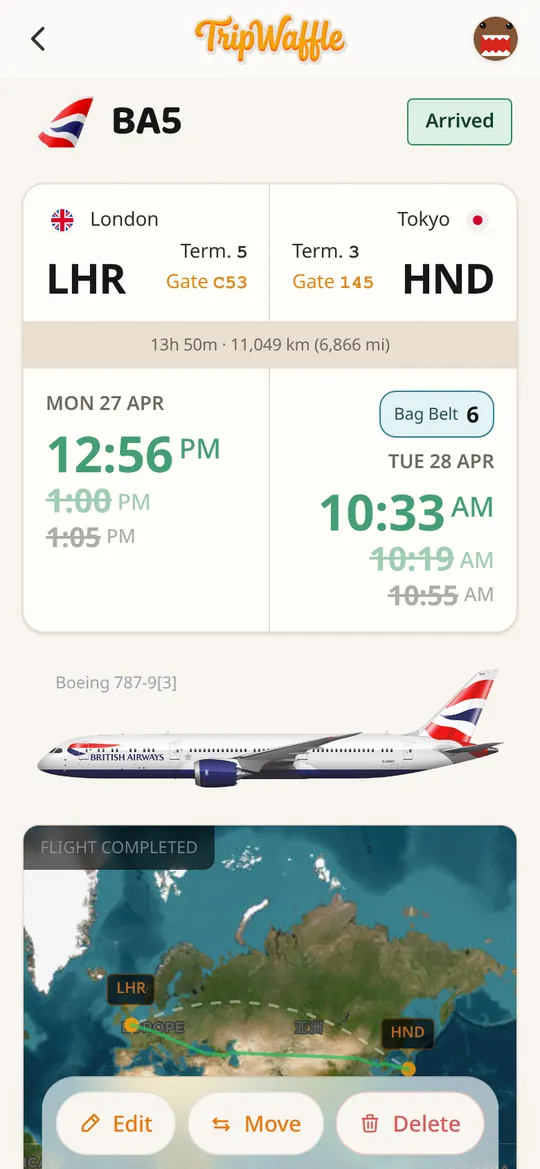
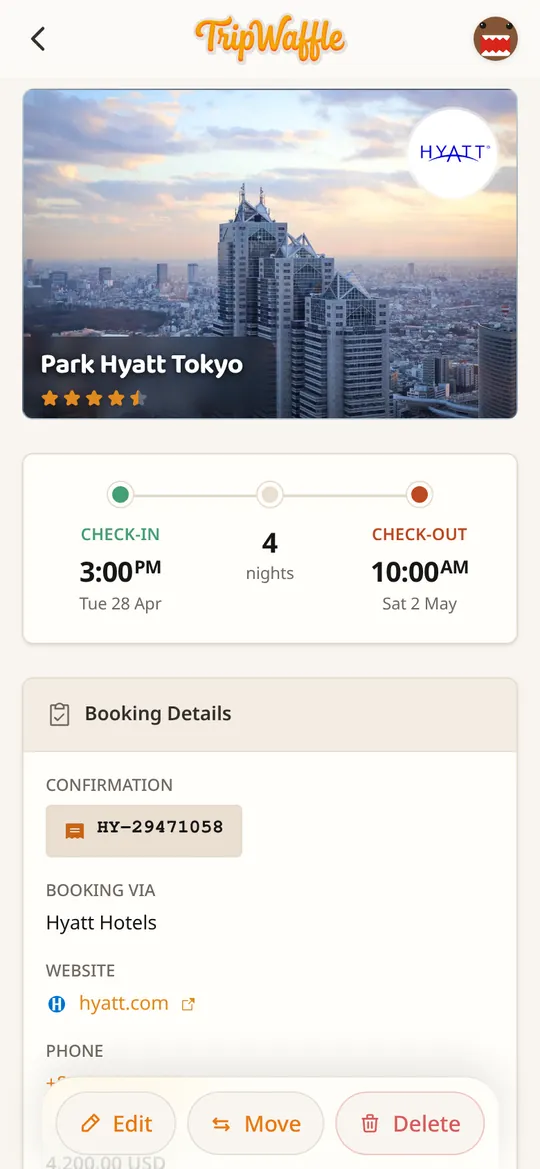
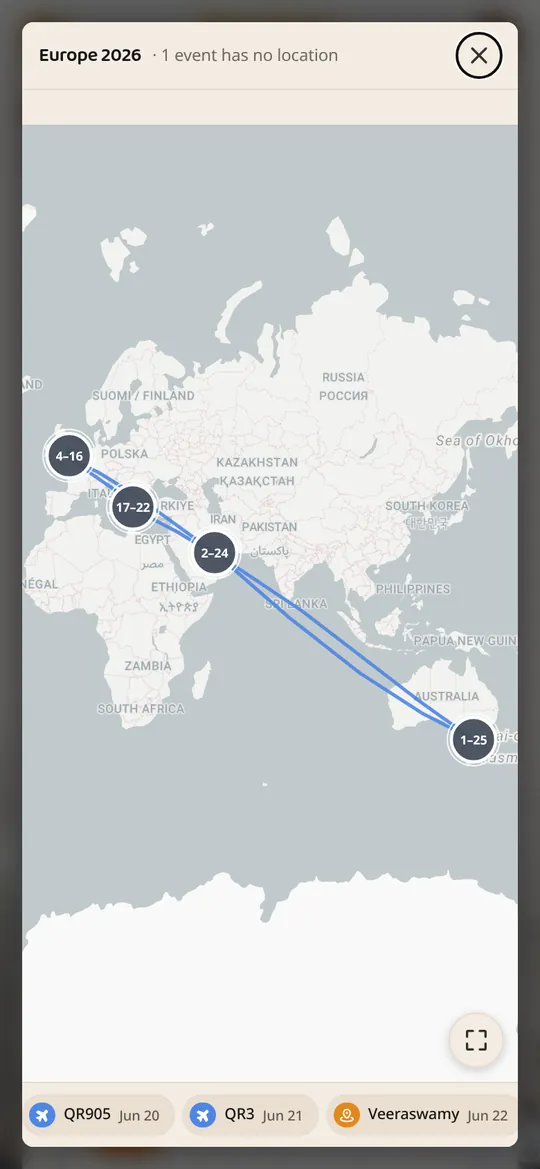
TripWaffle organizes your whole trip in one beautiful itinerary - and watches over it: government advisory alerts, the local emergency number, and entry requirements for Detroit, plus live flight tracking. Just forward your confirmation emails.


100% free · 3 second signup
Last updated: September 21, 2026