
Is Minneapolis Safe?
Minneapolis is manageable for most visitors, but safety varies noticeably by neighborhood, time of day, and whether you are around nightlife or transit hubs late at night. Tourist-focused scams are not a major issue; the bigger concerns are car break-ins, occasional robbery or assault in higher-crime pockets, and late-night disorder.
Photo: Nicole Geri / Unsplash
Perception vs Reality: The city's image is still shaped by 2020 unrest and a period of higher violent crime, but most visits are uneventful. Risk is real but uneven, with many residential and visitor areas feeling routine by day.
Risk Scores
Scale: 1 = very low risk, 10 = very high risk
Safety Overview
Overall Safety
Most visitors are fine if they stay alert, avoid leaving anything in cars, and are selective about where they walk late at night. Risk rises around nightlife zones, some transit stops, and a few higher-crime neighborhoods.
Violent Crime
Violent crime exists at a higher level than in many peer cities, but it is concentrated by area and circumstance rather than aimed at tourists broadly. Late-night disputes, robbery, and street-level assaults are the main concerns.
Petty Crime
Car break-ins and theft from unattended bags are more common than classic pickpocketing. Crowded events, bars, and transit platforms are the main places to watch your belongings.
Scams
Minneapolis has fewer tourist scams than major global tourist cities. The more realistic risks are fake event tickets, rideshare impostors outside venues, and payment scams linked to parking or QR codes.
Night Safety
Downtown and entertainment areas can feel fine early in the evening but become less predictable after bars close. Use rideshare rather than long late-night walks through quiet blocks or around isolated stations.
Public Transport
Buses and light rail are usable, especially in daytime, but some riders report harassment, fare evasion, and disorder at certain stations late at night. Sit near other riders or the operator when possible.
Police & Emergency
Emergency response is standard for a major US city, but response times can vary by demand and neighborhood. In non-emergencies, practical prevention matters more than expecting quick on-the-spot help.
Day vs Night
Daytime
Most central areas, parks, museums, and commercial districts are straightforward by day. Main concerns are theft from cars and basic awareness in less busy blocks.
Nighttime
Risk becomes more uneven after dark, especially in downtown, near bars, and around some transit stations. Long solo walks are less wise after venues close.
Seasonal: Summer festivals, sports events, and concerts bring bigger crowds and more theft opportunities. Winter adds serious cold, icy sidewalks, and earlier darkness, which can affect route choices and waiting outdoors.
Who’s Visiting?
Tourists usually face property crime and late-night situational risk rather than targeted victimization.
Common Risks
- ⚠ Car break-ins at trailheads, lakes, and parking ramps
- ⚠ Theft of phones or wallets in bars or at events
- ⚠ Late-night robbery risk in quieter downtown blocks
Tips
- ✓ Do not leave bags, jackets, or charging cables visible in parked cars.
- ✓ Use rideshare after late events instead of walking between nightlife areas and hotels.
- ✓ Buy sports and concert tickets only from official or established resale platforms.
Solo women can visit comfortably in busy central areas by day, but should be more selective with late-night walking and transit use.
Common Risks
- ⚠ Harassment or unwanted attention around bars and transit
- ⚠ Drink tampering risk in nightlife settings
- ⚠ Feeling isolated on quiet downtown streets after dark
Tips
- ✓ Choose accommodation in active, well-reviewed areas with easy rideshare access.
- ✓ Watch drinks being made and do not leave them unattended.
- ✓ If using transit at night, wait in well-lit areas with other passengers.
Minneapolis is generally one of the more LGBTQ-friendly cities in the region, with broad social acceptance in most central areas.
Legal protections are strong by US standards, and the social climate is generally supportive. Most risk is the same street crime or nightlife risk any visitor would face, not targeted legal or official harassment.
Common Risks
- ⚠ Occasional verbal harassment from intoxicated individuals
- ⚠ Late-night disorder around bar areas
- ⚠ General street crime unrelated to identity
Tips
- ✓ Central neighborhoods and established nightlife districts are typically the most comfortable.
- ✓ Use normal nightlife precautions, especially after bar close.
- ✓ If meeting people through apps, choose public venues first.
Families usually find Minneapolis manageable, especially around museums, parks, lakes, and residential neighborhoods.
Common Risks
- ⚠ Car break-ins at attractions or parking areas
- ⚠ Traffic around busy downtown streets
- ⚠ Winter ice, extreme cold, and early darkness
Tips
- ✓ Park in monitored or busy areas and keep the car completely empty.
- ✓ Plan indoor backups in winter and check weather before long outings.
- ✓ Use direct transport after evening events with children.
Remote workers will generally find the city comfortable, but should treat laptop theft and car theft as the main practical risks.
Common Risks
- ⚠ Theft of bags or laptops in cafes or shared spaces
- ⚠ Car break-ins if equipment is left inside
- ⚠ Late-night transit discomfort rather than serious scam exposure
Tips
- ✓ Do not leave devices unattended, even briefly, in cafes or coworking spaces.
- ✓ Avoid working from a parked car or storing tech in the trunk before arriving.
- ✓ Choose housing near your routine to reduce late-night transit and walking.
Crime & Threats
Pickpocketing
LowLess common than in major tourist capitals, but phones and wallets can disappear in bars, concerts, and crowded events.
Phone Snatching
LowNot a defining problem, though unattended phones in nightlife settings are easy targets.
Robbery
MediumStreet robbery risk rises late at night in quieter downtown blocks, around some transit points, and in higher-crime areas.
Assault
MediumAssault risk is tied more to nightlife, disputes, intoxication, and specific neighborhoods than to normal daytime sightseeing.
Drink Spiking
MediumAs in most nightlife cities, the risk exists in bars and clubs, especially when drinks are left unattended.
Taxi Scams
LowClassic taxi scams are limited; rideshare impersonation outside busy venues is the more realistic issue.
ATM Skimming
LowNot a top concern, but use indoor bank ATMs or machines in well-monitored locations.
Tourist Scams
LowTourist scams are relatively limited; fake tickets, fake parking payment links, and social engineering are more likely than street cons.
Common Scams
Fake event tickets
Scammers sell invalid or duplicated tickets for sports, concerts, or festivals through social media or informal resale channels.
Use official sellers or established resale platforms and avoid screenshots or rushed cash deals.
Rideshare impostor pickup
A driver outside a busy venue claims to be your ride and takes cash or starts a trip without matching the app details.
Check the plate, driver name, and vehicle model before getting in, and do not accept off-app rides.
Fake parking payment QR code
A sticker or sign directs you to a fake site that collects card details or overcharges for parking.
Use the official city or lot app, verify the URL, and avoid scanning random QR codes on meters.
Area Map
Approximate locations from public sources. Conditions vary by time of day and current events.
Area Safety
Safer Areas
Quiet residential area with lower visitor-targeted street crime and a generally calm feel.
Popular, active daytime recreation zones that usually feel comfortable when busy.
Popular with visitors and generally fine in busy periods, though nightlife precautions still matter late.
Be More Careful
More disorder, intoxication, theft, and occasional assaults late at night.
Some areas see higher violent crime and are not ideal for casual wandering if you do not know the area.
Loitering, harassment, and opportunistic theft are more likely when platforms are quiet.
Getting Around
Walking
Walking is fine in busy areas by day. At night, avoid deserted blocks, riverfront stretches with little foot traffic, and long walks between nightlife clusters.
Taxis & Rideshare
Rideshare is usually the safest late-night option. Verify the plate and driver name, especially outside arenas, bars, and concert venues.
Trains & Buses
Metro Transit is practical for many trips, but comfort and safety drop late at night at some stations and on less busy routes. If a platform or carriage feels off, wait for a busier one or change cars.
Do’s & Don’ts
Do
- Keep parked cars completely empty, including trunks if possible.
- Use rideshare after midnight in nightlife areas.
- Stay in busy, well-lit streets if walking downtown.
- Keep phones and wallets secured at bars, games, and concerts.
- Check neighborhood context before booking budget accommodation.
Don’t
- Do not leave bags, laptops, or shopping in a car even for a short stop.
- Do not linger at isolated transit platforms late at night if you have another option.
- Do not buy event tickets from strangers outside venues.
- Do not assume every part of the city feels the same after dark.
- Do not let drinks out of sight in bars or clubs.
How Does It Compare?
Safer Than
Riskier Than
Minneapolis sits in the middle range for a large US city: generally manageable for visitors, but with more violent-crime variation by neighborhood than many smaller or wealthier cities.
Frequently Asked Questions
Usually yes, especially in busy areas by day. The main visitor risks are car break-ins, nightlife theft, and some late-night street crime.
It depends on the block and hour. Early evening is usually fine in active areas, but risk rises after bars close and around quieter streets or transit points.
Usable by day for most travelers, but some stations and late-night services can feel disorderly. Rideshare is often the easier option late at night.
Data Notes
- Safety can change noticeably block by block, especially around downtown and transit corridors.
- Reported conditions on light rail and at certain stations can shift with staffing, events, and time of day.
- Tourist-specific crime data is less detailed than overall city crime patterns, so visitor risk is estimated from neighborhood and incident trends.
Other Destinations in United States
Traveling to Minneapolis?
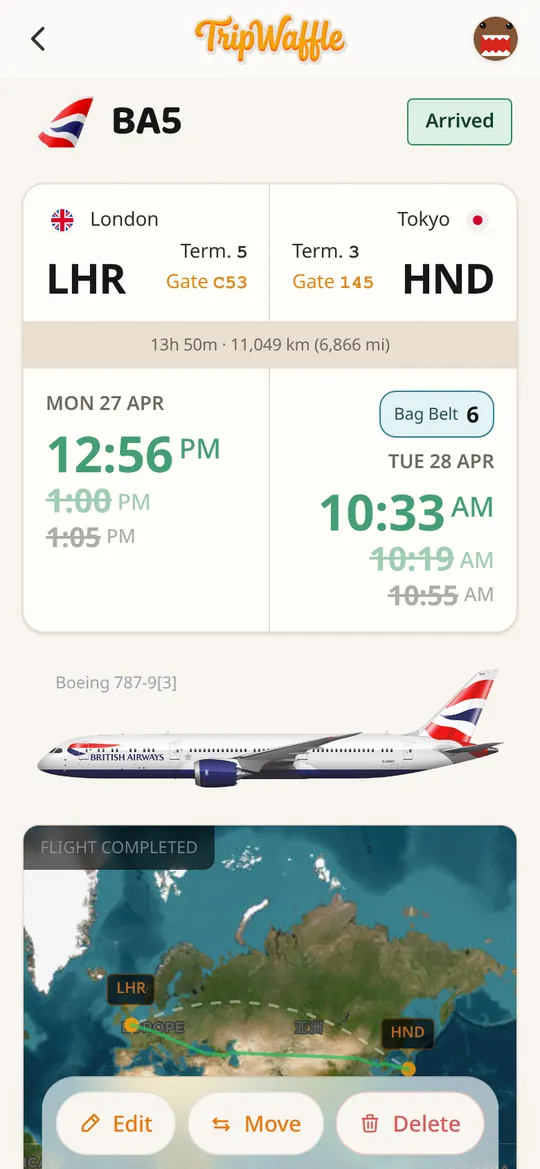
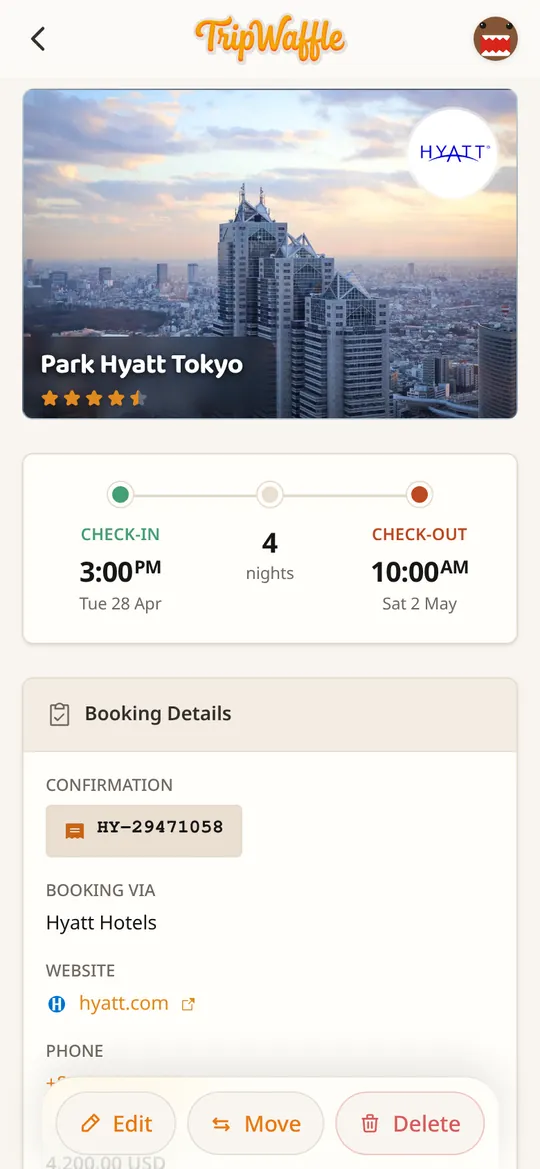
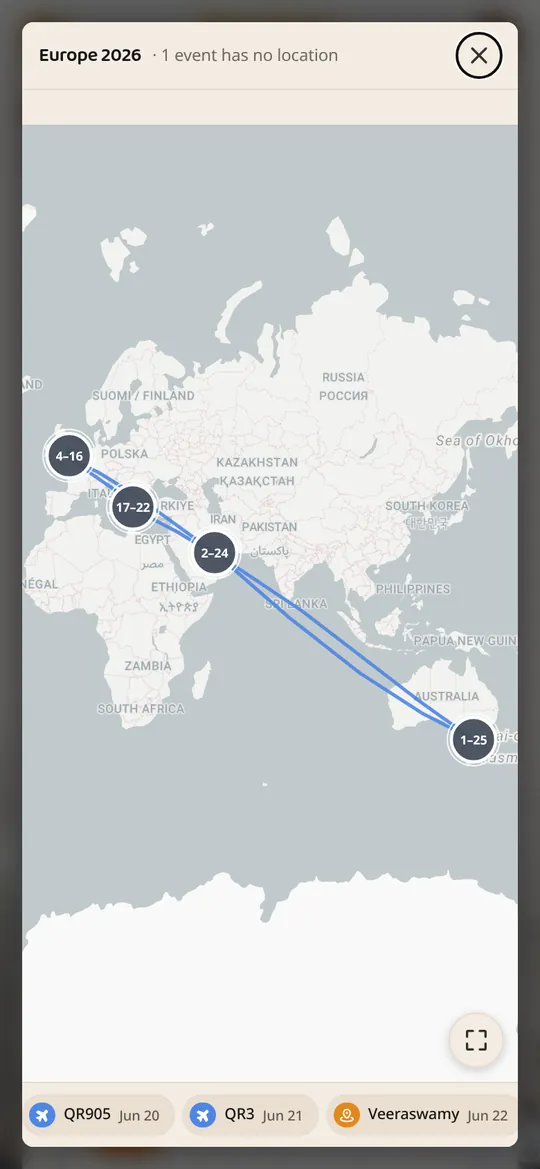
TripWaffle organizes your whole trip in one beautiful itinerary - and watches over it: government advisory alerts, the local emergency number, and entry requirements for Minneapolis, plus live flight tracking. Just forward your confirmation emails.


100% free · 3 second signup
Last updated: September 21, 2026