Is Hanoi Safe?
Hanoi is generally manageable for travelers, with low violent crime but a noticeable level of petty theft, tourist overcharging, and transport-related hassle. The biggest day-to-day safety issue is often traffic rather than street crime, while nightlife areas and crowded tourist zones need more attention after dark.
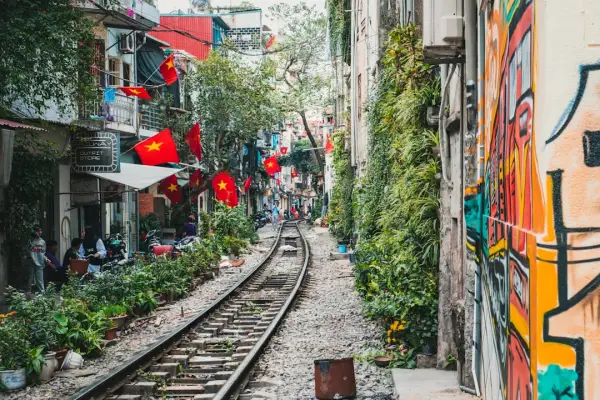
Photo: Silver Ringvee / Unsplash
Perception vs Reality: Hanoi can feel hectic, noisy, and scam-prone, which makes it seem less safe than it usually is. In practice, most visitors face nuisance scams and traffic risk more often than serious violence.
Risk Scores
Scale: 1 = very low risk, 10 = very high risk
Safety Overview
Overall Safety
Most trips to Hanoi are trouble-free. Expect more hassle from traffic, overcharging, and pickpocketing in busy areas than from violent crime.
Violent Crime
Violent crime against visitors is uncommon. Most incidents affecting travelers are opportunistic theft or disputes over money rather than assault.
Petty Crime
Pickpocketing and phone theft happen in crowded streets, markets, and nightlife areas. Keep bags closed and phones off the street edge when walking or riding.
Scams
Taxi meter games, inflated street prices, tour booking issues, and small overcharges are common. Using ride-hailing apps and confirming prices in advance cuts risk sharply.
Night Safety
Busy central areas remain active at night, but risk rises around bars, poorly lit side streets, and late-night transport points. Drunk crowds and opportunistic theft are the main concerns.
Public Transport
Buses are usable but can be crowded and confusing for first-time visitors. Ride-hailing apps are usually the simplest and safer option for short urban trips.
Police & Emergency
Police presence exists in central districts, but language barriers and slow follow-up can make minor incidents frustrating to report. Keep hotel contact details and ride records handy.
Day vs Night
Daytime
Daytime is generally straightforward in central Hanoi, though crowded markets and tourist streets bring more pickpocketing and pricing games. Traffic remains the main physical hazard.
Nighttime
Night is still active in central districts, but risk rises in bar areas, quiet alleys, and around transport hubs. Theft, drink-related issues, and fare scams are more likely after dark.
Seasonal: Tet holiday periods, weekends around Hoan Kiem, and major festival nights can increase crowding, transport confusion, and petty theft. Heavy rain can also worsen road safety and walking conditions.
Who’s Visiting?
Tourists usually face moderate nuisance risk rather than serious danger. The main issues are scams, inflated prices, and theft in crowded visitor areas.
Common Risks
- ⚠ Pickpocketing in the Old Quarter and around Hoan Kiem Lake
- ⚠ Taxi or cyclo overcharging
- ⚠ Tour and transport booking bait-and-switch
- ⚠ Phone theft from motorbikes or in crowds
Tips
- ✓ Use Grab or other reputable ride apps instead of street taxis when possible
- ✓ Carry small cash and avoid displaying large amounts
- ✓ Book tours and buses through well-reviewed providers
- ✓ Keep your phone in your hand away from the road edge
Hanoi is often manageable for solo women, especially in central districts, but unwanted attention, persistent vendors, and nightlife-related risks do occur.
Common Risks
- ⚠ Catcalling or persistent conversation from strangers
- ⚠ Drink tampering concerns in nightlife venues
- ⚠ Overcharging by drivers or street services
- ⚠ Walking alone on quiet lanes late at night
Tips
- ✓ Choose well-reviewed accommodation in Hoan Kiem, Ba Dinh, or Tay Ho
- ✓ Use app-based rides at night and check plate numbers before boarding
- ✓ Watch drinks being poured and avoid leaving them unattended
- ✓ Prefer busy, lit streets over shortcuts after dark
Hanoi is one of Vietnam's more socially tolerant cities, and most LGBTQ+ travelers visit without major issues. Public discretion is still wise outside clearly international or progressive venues.
Same-sex relationships are not criminalized, and urban attitudes are generally more relaxed than in rural areas. Legal protections and social acceptance are uneven, so visibility may draw attention rather than legal trouble.
Common Risks
- ⚠ Stares or intrusive questions
- ⚠ Uneven acceptance in smaller local venues
- ⚠ Online dating meet-up scams or theft
Tips
- ✓ Use normal urban precautions on dating apps and meet in public places first
- ✓ Expect better comfort in international cafes, bars, and Tay Ho venues
- ✓ Keep displays of affection low-key in traditional settings if you want to avoid attention
Families usually find Hanoi manageable, but traffic and crowded sidewalks are the biggest practical safety concerns.
Common Risks
- ⚠ Road crossing hazards
- ⚠ Children getting separated in busy markets
- ⚠ Heat, humidity, and dehydration
- ⚠ Sidewalk obstacles and uneven paving
Tips
- ✓ Hold children's hands near roads and crossings
- ✓ Use child-friendly accommodation away from loud nightlife streets
- ✓ Plan breaks during hot midday hours
- ✓ Use reputable taxis or ride-hailing rather than improvised transport
Hanoi is popular with digital nomads and generally workable, especially in Tay Ho and central districts. The main risks are petty theft, traffic, and apartment or coworking booking disputes.
Common Risks
- ⚠ Laptop or bag theft in cafes if left unattended
- ⚠ Short-term rental misrepresentation
- ⚠ Motorbike accident risk if self-riding
- ⚠ Public Wi-Fi privacy issues
Tips
- ✓ Do not leave devices unattended in cafes or coworking spaces
- ✓ Verify apartment listings with recent reviews and exact fees
- ✓ Avoid self-driving a motorbike unless experienced in Vietnamese traffic
- ✓ Use a VPN on public Wi-Fi
Crime & Threats
Pickpocketing
MediumMost likely in the Old Quarter, night markets, around Hoan Kiem Lake, and on crowded buses.
Phone Snatching
MediumPhones can be grabbed by thieves on motorbikes or during distracted street use near traffic.
Robbery
LowStreet robbery exists but is less common than petty theft and overcharging.
Assault
LowAssault against visitors is uncommon, though arguments linked to nightlife or money disputes can happen.
Drink Spiking
LowNot a dominant citywide risk, but nightlife venues around busy bar streets still warrant care.
Taxi Scams
MediumOvercharging, route padding, and fake or manipulated meters still occur with street-hailed cars and cyclos.
ATM Skimming
LowNot among the main traveler threats, but bank ATMs are safer than isolated standalone machines.
Tourist Scams
HighCommon issues include inflated prices, pressure selling, fake service quality claims, and booking substitutions.
Common Scams
Taxi meter scam
A driver uses a tampered meter, takes a longer route, or claims the app price is invalid after arrival.
Use reputable ride apps, verify plate numbers, and avoid drivers who refuse normal app or meter use.
Cyclo or street service overcharge
A ride, shoe shine, or quick street service starts with no clear price and ends with an inflated demand.
Agree on the full price before the service starts and walk away from vague or pushy offers.
Tour or bus bait-and-switch
A cheap booking is advertised, then replaced with extra fees, lower quality service, or a different schedule.
Book through established agencies or hotels and confirm operator name, pickup point, and inclusions in writing.
Photo or fruit seller setup
A vendor offers a friendly photo or hands over goods briefly, then demands an unexpectedly high payment.
Decline politely unless you clearly want the interaction and agree on the cost first.
Area Map
Approximate locations from public sources. Conditions vary by time of day and current events.
Area Safety
Safer Areas
Government and embassy areas are generally calmer, cleaner, and less scam-heavy than the busiest tourist streets.
Popular with expats, with many reputable cafes, apartments, and app-based transport use.
Well-trafficked, relatively orderly, and easier for visitors to navigate, though prices are higher.
Be More Careful
Theft, overcharging, and tourist-targeted scams are most common in dense, busy lanes.
Late-night crowds, intoxication, and petty theft risk increase here after dark.
Transport hubs can attract touts, inflated fares, and opportunistic theft, especially late at night.
Getting Around
Walking
Walking is common, but sidewalks are often blocked and road crossing takes care and patience. Watch for motorbikes, uneven paving, and phone exposure near traffic.
Taxis & Rideshare
Ride-hailing apps are usually the safest and simplest option. If using a taxi, choose reputable firms, confirm the car details, and avoid drivers who resist the meter or app route.
Trains & Buses
City buses are affordable but can be crowded and less intuitive for visitors. Keep bags secure at stations and on board, and be wary of touts selling unofficial tickets.
Do’s & Don’ts
Do
- Use ride-hailing apps for most city transport
- Keep bags zipped and worn in front in crowded areas
- Carry small notes for markets and casual purchases
- Cross roads steadily and predictably rather than suddenly
- Choose ATMs attached to banks or major malls
Don’t
- Do not leave phones on cafe tables or exposed near the street
- Do not assume every street service price is fixed
- Do not get into unmarked taxis without checking details
- Do not walk intoxicated down quiet lanes late at night
- Do not self-ride a motorbike unless you are confident in dense traffic
How Does It Compare?
Safer Than
Hanoi is usually moderate-risk by regional city standards: less violent than some Southeast Asian capitals, but more scam-prone and chaotic than East Asia's safest cities.
Frequently Asked Questions
Usually yes. Violent crime is uncommon, but petty theft, overcharging, and transport scams are common in tourist areas.
Busy central areas are usually fine, but nightlife streets, quiet alleys, and transport hubs need more care after dark.
For most visitors, traffic is the biggest everyday hazard, followed by scams and opportunistic theft.
Data Notes
- Risk can vary noticeably by district, especially between tourist-heavy Old Quarter streets and calmer residential areas.
- Nightlife-related incidents are underreported in public sources, so drink spiking and bar dispute risk is harder to quantify precisely.
- Transport scam patterns change over time as ride-hailing apps and local enforcement evolve.
Other Destinations in Vietnam
Traveling to Hanoi?
TripWaffle organizes your whole trip in one beautiful itinerary - and watches over it: government advisory alerts, the local emergency number, and entry requirements for Hanoi, plus live flight tracking. Just forward your confirmation emails.


100% free · 3 second signup
Last updated: May 27, 2026