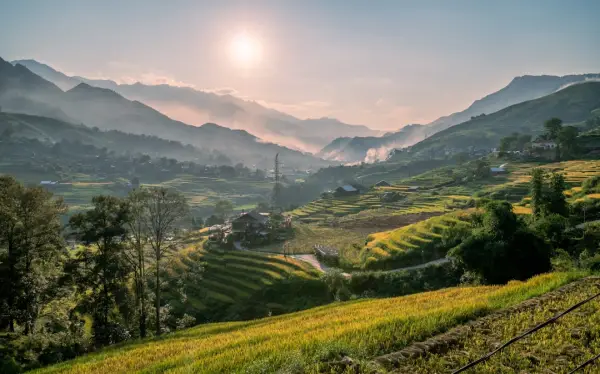
Is Sapa Safe?
Sapa is generally safe for most travelers, with low levels of violent crime and a tourism-focused town center. The main issues are minor scams, overcharging, theft in busy areas, and safety hazards linked to mountain roads, trekking routes, weather, and limited lighting at night.
Photo: Denis Sobnakov / Unsplash
Perception vs Reality: Sapa can feel rough around the edges because of persistent street selling and chaotic transport arrivals, but serious crime against visitors is not the main concern; road, weather, and trekking risks are often more relevant.
Risk Scores
Scale: 1 = very low risk, 10 = very high risk
Safety Overview
Overall Safety
Sapa is one of Vietnam's safer tourist destinations for crime, but travel safety depends heavily on weather, road conditions, and choosing reputable guides and transport.
Violent Crime
Violent crime affecting visitors is uncommon. Most travelers are more likely to encounter persistent selling, disputes over prices, or transport-related issues than physical attacks.
Petty Crime
Petty theft can happen in the town center, markets, bus drop-off areas, and crowded cafés. Keep phones and wallets secure, especially during arrivals and departures.
Scams
Common issues include inflated prices, unofficial guides, pushy trekking offers, and rental disputes. Confirm prices and services before agreeing.
Night Safety
Central Sapa is usually fine in the evening, but side roads, steep paths, and rural routes become riskier after dark due to poor lighting, fog, and slippery surfaces.
Public Transport
Getting around is usually straightforward, but mountain roads and overnight buses carry more practical risk than crime. Use established bus operators, taxis, and hotel-arranged transport where possible.
Police & Emergency
Basic help is available in town, but English capacity and response consistency may vary. Hotels and tour operators are often the fastest source of practical assistance.
Day vs Night
Daytime
Daytime is usually straightforward in the town center and on organized tours. Crowds, street selling, and minor theft are the main annoyances.
Nighttime
Crime remains relatively low at night in central Sapa, but visibility drops quickly and steep roads, fog, loose dogs, and isolated stretches increase practical risk. Late-night solo walks outside the center are less comfortable.
Seasonal: Heavy rain, fog, cold snaps, and landslides can disrupt roads and trekking plans, especially in the wet season. Holiday periods can mean more crowds, price inflation, and booked-out transport.
Who’s Visiting?
Tourists generally face low crime risk in Sapa, but should expect aggressive sales tactics, variable service quality, and weather-related disruptions.
Common Risks
- ⚠ Overpriced trekking or transport
- ⚠ Petty theft in busy areas
- ⚠ Motorbike rental damage disputes
- ⚠ Slips and falls on wet paths
- ⚠ Road safety on mountain routes
Tips
- ✓ Book guides, buses, and rentals through well-reviewed providers
- ✓ Agree on prices before taking a taxi or tour
- ✓ Carry only what you need for day trips
- ✓ Keep valuables zipped away in markets and cafés
- ✓ Avoid riding unfamiliar mountain roads in fog or heavy rain
Sapa is usually manageable for solo women, especially in the town center and on organized tours. The bigger concerns are harassment from persistent sellers, isolated trekking routes, and nighttime mobility rather than targeted violent crime.
Common Risks
- ⚠ Pushy street selling
- ⚠ Being alone on remote trekking routes
- ⚠ Late-night walking on poorly lit roads
- ⚠ Drink tampering risk in nightlife venues, though not a defining issue
Tips
- ✓ Choose group treks or vetted local guides for remote routes
- ✓ Return to accommodation by taxi if roads are dark or foggy
- ✓ Watch your drink in bars and avoid excessive intoxication
- ✓ Share your trekking plan with your hotel or a contact
- ✓ Trust your instincts if a guide or driver feels pushy
Most LGBTQ travelers can visit Sapa without major legal concerns, but the social environment is more conservative than large Vietnamese cities.
Same-sex relations are not criminalized in Vietnam, but public attitudes in rural and ethnic minority areas can be traditional. Discretion is usually the most comfortable approach outside tourist spaces.
Common Risks
- ⚠ Stares or curiosity rather than direct hostility
- ⚠ Limited queer-specific venues or community support
- ⚠ More conservative reactions in homestays or remote villages
Tips
- ✓ Use LGBTQ-friendly or well-reviewed hotels and homestays
- ✓ Keep public displays of affection low-key in rural settings
- ✓ Stay in central Sapa if you prefer a more anonymous tourist environment
- ✓ Rely on mainstream tourist services rather than expecting dedicated LGBTQ spaces
Sapa works well for families, but steep terrain, slippery steps, traffic, and cold or wet weather can be more troublesome than crime.
Common Risks
- ⚠ Falls on stairs and trekking paths
- ⚠ Traffic around the town center
- ⚠ Cold nights and rapid weather changes
- ⚠ Long, tiring road journeys
Tips
- ✓ Choose accommodation with easy access if traveling with small children
- ✓ Bring layers and rain gear year-round
- ✓ Supervise children near roads, terraces, and steps
- ✓ Use guided transport for villages instead of improvised rides
Sapa is workable for short stays, but internet quality, weather, and transport reliability can be inconsistent compared with major Vietnamese cities.
Common Risks
- ⚠ Unstable Wi-Fi during bad weather
- ⚠ Theft risk if leaving devices unattended in cafés
- ⚠ Travel delays from fog, rain, or landslides
- ⚠ Rental scooter accidents
Tips
- ✓ Test Wi-Fi before committing to longer stays
- ✓ Back up work and carry a local SIM as a fallback
- ✓ Do not leave laptops unattended in shared spaces
- ✓ Plan buffer time around bus transfers and weather disruptions
Crime & Threats
Pickpocketing
MediumMost likely in crowded parts of central Sapa, the market area, and transport hubs. Not constant, but easy to avoid with zipped bags and front-pocket awareness.
Phone Snatching
LowLess prominent than in Vietnam's biggest cities, though it can happen near roads or from passing motorbikes. Avoid using your phone loosely by the roadside.
Robbery
LowRobbery against tourists is not a defining issue in Sapa. Isolated paths at night are more risky because of terrain and lack of lighting than because of crime.
Assault
LowAssault incidents involving travelers appear uncommon. Disputes are more likely to involve prices, services, or alcohol than random violence.
Drink Spiking
LowNot widely reported as a major pattern, but basic nightlife precautions still apply in bars and late-night venues.
Taxi Scams
MediumOvercharging and route-padding can happen, especially around bus arrivals. Use known taxi firms, hotel pickups, or clearly agreed fares.
ATM Skimming
LowThe risk appears lower than in larger urban centers, but use ATMs attached to banks and shield your PIN.
Tourist Scams
MediumUnofficial trekking offers, pressure sales, inflated prices, and vague tour inclusions are the most common issues. Clear confirmation in advance helps.
Common Scams
Unofficial trekking guide offer
Someone approaches you in town and offers a cheaper or more personal trek, but the route, inclusions, or final cost change later.
Book through a reviewed agency, hotel, or guide with clear pricing and route details.
Taxi or transfer overcharge
A driver quotes a vague fare, avoids using a meter, or adds extra charges after reaching the hotel or village.
Set the total price before the ride or use a hotel-arranged transfer.
Motorbike rental damage dispute
You return a bike and are blamed for pre-existing scratches or mechanical issues.
Photograph the bike before leaving, check brakes and lights, and rent only from reviewed shops.
Inflated market or souvenir pricing
Tourists are quoted much higher prices for textiles, handicrafts, or snacks, especially in busy areas.
Compare prices, negotiate politely, and avoid impulse purchases under pressure.
Area Map
Approximate locations from public sources. Conditions vary by time of day and current events.
Area Safety
Safer Areas
Busy, tourist-oriented, and generally the easiest area for transport, hotels, and evening movement.
Well-trafficked central zone with plenty of visitors, shops, and accommodation nearby.
Better lighting, more foot traffic, and easier access to reputable transport than outlying roads.
Be More Careful
Common place for price confusion, touts, and pressure from drivers or sellers.
Low lighting, slippery ground, fog, and limited help nearby make these riskier than central town streets.
Road safety and navigation become harder at night or in rain, especially on motorbikes.
Getting Around
Walking
Walking in central Sapa is usually fine, but pavements can be uneven and roads steep. Extra care is needed in rain, fog, and after dark.
Taxis & Rideshare
Use reputable taxis, hotel-arranged cars, or clearly priced rides. Confirm the fare or meter before departure, especially from bus drop-off points.
Trains & Buses
Many travelers arrive via overnight bus or rail-plus-road transfers. The bigger concern is driving quality and mountain road conditions, not onboard crime.
Do’s & Don’ts
Do
- Keep cash, phone, and passport secure in crowded areas
- Book treks and transport through reputable providers
- Carry rain gear and proper footwear
- Use a flashlight or phone light on dark roads
- Check weather and road conditions before village trips
- Confirm prices before tours, rides, or rentals
Don’t
- Do not walk remote village paths alone at night
- Do not ride a motorbike in fog or heavy rain if inexperienced
- Do not leave bags or phones unattended in cafés
- Do not assume all guides approaching on the street are official
- Do not overpack valuables for trekking days
How Does It Compare?
Safer Than
Sapa is generally lower-crime than Vietnam's major cities, but transport and terrain make it less straightforward than flatter, more urban beach or heritage destinations.
Frequently Asked Questions
Yes, Sapa is generally safe for tourists, with low violent crime. The main issues are minor scams, petty theft, and road or trekking hazards.
Central Sapa is usually fine at night, but poor lighting, steep roads, fog, and isolated routes make evening travel less comfortable outside the center.
Common scams include unofficial trekking offers, taxi overcharging, inflated souvenir prices, and disputes over motorbike rental damage.
Data Notes
- Localized crime reporting for Sapa is limited, so risk ratings rely partly on broader traveler patterns and regional tourism context.
- Conditions in remote villages and along trekking routes can vary widely by weather, guide quality, and season.
- Taxi and rideshare availability can change, so transport reliability may differ from one period to another.
Other Destinations in Vietnam
Traveling to Sapa?
TripWaffle organizes your whole trip in one beautiful itinerary - and watches over it: government advisory alerts, the local emergency number, and entry requirements for Sapa, plus live flight tracking. Just forward your confirmation emails.


100% free · 3 second signup
Last updated: May 27, 2026