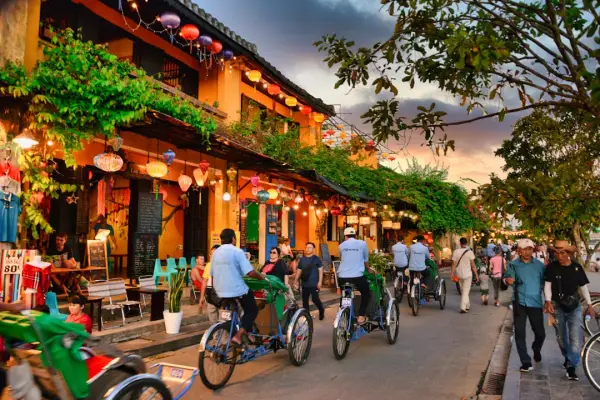
Is Hoi An Safe?
Hoi An is generally safe for most travelers and feels calmer than Vietnam's biggest cities. The main issues are petty theft in crowded tourist areas, minor scams around transport and tours, and road safety if you walk or ride outside the pedestrian-heavy center.
Photo: allPhoto Bangkok / Unsplash
Perception vs Reality: Hoi An has a very relaxed, postcard-friendly image, and that is mostly accurate. Still, the busiest parts of the Ancient Town and beach areas can attract pickpocketing, overcharging, and nightlife-related risks.
Risk Scores
Scale: 1 = very low risk, 10 = very high risk
Safety Overview
Overall Safety
Hoi An is one of Vietnam's easier places to travel safely, with low violent crime and a strong tourist infrastructure. Most problems are opportunistic rather than serious.
Violent Crime
Violent crime affecting travelers is uncommon. Disputes are more likely to involve overcharging or aggressive selling than physical danger.
Petty Crime
Pickpocketing and bag theft can happen in the Ancient Town, night market, and beach areas, especially when streets are crowded. Unattended phones, bikes, and bags are easy targets.
Scams
Scams are usually low-level: inflated taxi fares, commission-driven tour sales, or misleading prices. Confirm costs before getting in a vehicle or booking extras.
Night Safety
The old town stays lively and generally comfortable after dark, but risks rise around bars, poorly lit side streets, and isolated beach stretches. Late-night transport is safer than walking far outside the center.
Public Transport
Hoi An has limited formal public transport, so most visitors use taxis, ride-hailing, bicycles, or scooters. Licensed taxis and app-based rides reduce pricing issues.
Police & Emergency
Tourist-facing businesses are used to helping visitors with basic problems, but English levels vary. For theft or disputes, hotel staff are often the quickest practical first point of help.
Day vs Night
Daytime
Daytime is generally low risk, especially in the old town and established tourist districts. Heat, traffic, and bag security are bigger concerns than crime.
Nighttime
Evenings are usually lively and manageable in central areas, but alcohol, dark side streets, and beach access roads raise risk modestly. Use transport for longer late-night returns.
Seasonal: Flooding, heavy rain, and typhoon-related disruption can affect Hoi An, especially in the rainy season. Lantern festivals and holiday periods bring heavier crowds, more petty theft opportunity, and transport congestion.
Who’s Visiting?
Tourists usually find Hoi An easy to navigate and low stress compared with larger regional cities. The biggest risks are crowds, traffic, and small-money scams.
Common Risks
- ⚠ Pickpocketing in the Ancient Town and night market
- ⚠ Taxi or transfer overcharging
- ⚠ Bag or phone theft from bicycles or scooters
- ⚠ Road accidents involving scooters
Tips
- ✓ Use ride-hailing apps or agreed taxi fares
- ✓ Carry only what you need in crowded lanes
- ✓ Keep phones off tables and bags zipped
- ✓ Be extra careful crossing roads outside the pedestrian zone
Hoi An is generally comfortable for solo women, especially in central tourist areas. Harassment is usually low-level and verbal rather than persistent, but nightlife and isolated roads need more care.
Common Risks
- ⚠ Unwanted attention in bars
- ⚠ Drink tampering risk in nightlife settings
- ⚠ Walking alone on dark roads near beaches or outskirts
- ⚠ Transport overcharging late at night
Tips
- ✓ Choose central accommodation with late check-in support
- ✓ Use trusted transport after dark rather than walking long distances
- ✓ Watch drinks being made and do not leave them unattended
- ✓ Share ride details or hotel location with someone you trust
Hoi An is generally manageable for LGBTQ travelers, especially short-term visitors in tourist areas. Social attitudes are often discreet rather than openly hostile, but public displays of affection may draw attention.
Same-sex relations are legal in Vietnam, and major legal risk is low. Social acceptance is mixed and usually quiet; tourists rarely face direct confrontation, but overt public affection can attract stares.
Common Risks
- ⚠ Occasional staring or awkward comments
- ⚠ Limited explicitly LGBTQ-focused venues
- ⚠ Privacy concerns in smaller guesthouses
Tips
- ✓ Expect tolerance rather than strong visible community support
- ✓ Use well-reviewed hotels and guesthouses
- ✓ Keep nightlife plans in central areas
- ✓ Be more discreet in less touristy parts of town
Hoi An works well for families thanks to its walkable core and relaxed pace. The main safety concerns are heat, water hazards, and traffic outside pedestrian streets.
Common Risks
- ⚠ Scooter traffic on roads leading into town
- ⚠ Crowding in the evening old town
- ⚠ Beach and pool supervision issues
- ⚠ Seasonal flooding and storm disruption
Tips
- ✓ Stay near the center if traveling with small children
- ✓ Hold hands in traffic-heavy streets
- ✓ Use sun protection and hydration breaks
- ✓ Check weather closely during rainy and typhoon periods
Hoi An is popular with remote workers for its relaxed pace and cafés, and overall personal safety is good. The bigger issues are petty theft, weather disruption, and scooter-related risk.
Common Risks
- ⚠ Laptop or phone theft if left visible
- ⚠ Storm-related power or transport disruption
- ⚠ Bag theft when working in open cafés
- ⚠ Rental scooter accidents
Tips
- ✓ Choose accommodation with secure storage
- ✓ Do not leave devices unattended in cafés
- ✓ Back up work before storm season trips
- ✓ If renting a scooter, avoid night riding in rain
Crime & Threats
Pickpocketing
MediumMost likely in crowded lanes, markets, and festival-like evening areas. Keep wallets and phones in front pockets or zipped bags.
Phone Snatching
MediumLess common than in larger Vietnamese cities, but exposed phones on roadsides or while cycling can be grabbed. Avoid using your phone near moving scooters.
Robbery
LowStreet robbery affecting tourists is uncommon. Risk is slightly higher late at night in isolated areas away from the center or beach resorts.
Assault
LowAssault risk is low, with incidents more often linked to alcohol, personal disputes, or late-night situations than random targeting.
Drink Spiking
MediumNot a dominant risk, but it can happen in nightlife settings. Watch drinks closely and avoid accepting open drinks from strangers.
Taxi Scams
MediumOvercharging and circuitous routes are the main issues. Use ride-hailing apps or reputable companies and confirm the destination clearly.
ATM Skimming
LowThe risk appears limited but not zero. Use ATMs attached to banks, inspect the card slot, and avoid standalone machines in quiet areas.
Tourist Scams
MediumCommon problems include inflated prices, commission-driven bookings, and unclear tour inclusions. Ask for final prices in writing where possible.
Common Scams
Taxi meter or fixed-fare inflation
A driver quotes an inflated price, uses a fast meter, or claims your hotel is farther than it is.
Use ride-hailing apps, reputable taxis, or agree the fare clearly before departure.
Commission-driven tour sales
A hotel desk, driver, or street seller pushes tours or transfers with unclear inclusions and marked-up prices.
Compare with multiple providers and ask exactly what is included before paying.
Restaurant or bar bill padding
Extra items, unclear service charges, or substituted menu prices appear on the final bill.
Check menus carefully, confirm prices when ordering, and review the bill before paying.
Souvenir overpricing
Vendors quote high starting prices to tourists in the market and busy old town lanes.
Compare stalls, expect some negotiation, and walk away if pricing feels excessive.
Area Map
Approximate locations from public sources. Conditions vary by time of day and current events.
Area Safety
Safer Areas
Busy, well-lit, and heavily visited, especially in the evening. Good for first-time visitors, though crowds increase petty-theft risk.
Close to the center with plenty of guesthouses and regular foot traffic. Generally comfortable for walking and short stays.
Popular with visitors and relatively calm, with many hotels and cafés. Good balance between access and quieter streets.
Be More Careful
Crowds create opportunities for pickpocketing, distraction theft, and pricing games.
Usually relaxed by day, but quieter stretches after dark can feel isolated and have fewer immediate help options.
Traffic, limited sidewalks, and scooter movement create more accident risk than crime risk, especially after dark or in rain.
Getting Around
Walking
Walking is easy and pleasant in the old town, but outside the pedestrian core watch for scooters, uneven pavements, and limited street lighting.
Taxis & Rideshare
Taxis and ride-hailing are usually the safest practical option at night or for beach transfers. Confirm the plate and fare method before starting.
Trains & Buses
Hoi An has no major train station in the center, so many visitors connect through Da Nang by shuttle or private car. Tourist buses and transfers are common; book through well-reviewed providers.
Do’s & Don’ts
Do
- Keep valuables zipped and close in crowded evening areas
- Use app-based rides or reputable taxi companies
- Choose central, well-reviewed accommodation
- Be extra alert around scooters when walking or cycling
- Check weather and flooding conditions in rainy season
Don’t
- Do not leave phones or bags unattended in cafés or on bicycles
- Do not walk isolated beach or outer roads late at night if avoidable
- Do not assume all prices are fixed in tourist markets
- Do not ride a scooter in heavy rain or after drinking
- Do not carry large amounts of cash during crowded night outings
How Does It Compare?
Safer Than
Hoi An is safer than many large Southeast Asian cities for violent crime, but petty theft, tourist pricing, and traffic still matter.
Frequently Asked Questions
Yes, Hoi An is generally safe for tourists. Most issues are petty theft, overcharging, and traffic rather than violent crime.
Central Hoi An is usually fine at night, especially around the old town. Use more care on dark roads, isolated beach areas, and after drinking.
Yes, many solo women find Hoi An comfortable. Stick to central areas at night, watch drinks in bars, and use trusted transport for late returns.
Data Notes
- Crime patterns can shift by season and crowd levels, especially during festivals and peak tourist periods.
- Neighborhood-level crime reporting for Hoi An is limited compared with larger cities, so hotspot detail is based on traveler patterns and common incident types rather than precise public statistics.
- Nightlife-related risks vary significantly by venue, and there is limited reliable local data on drink spiking incidents.
Other Destinations in Vietnam
Traveling to Hoi An?
TripWaffle organizes your whole trip in one beautiful itinerary - and watches over it: government advisory alerts, the local emergency number, and entry requirements for Hoi An, plus live flight tracking. Just forward your confirmation emails.


100% free · 3 second signup
Last updated: May 27, 2026