
Is Hong Kong Safe?
Hong Kong is generally very safe for travelers, with low violent crime and reliable public transport. The main issues are petty theft in crowded areas, nightlife-related overcharging, and occasional tourist scams in shopping districts. Most visitors move around comfortably day and night in busy areas.
Photo: Simon Zhu / Unsplash
Perception vs Reality: Hong Kong's international image is sometimes shaped by past political unrest, but for most visitors the everyday safety picture is much calmer: street crime is low, while practical risks are mostly crowding, scams, and weather disruptions.
Risk Scores
Scale: 1 = very low risk, 10 = very high risk
Safety Overview
Overall Safety
Hong Kong is one of Asia's safer big cities, especially for routine sightseeing and public transport use.
Violent Crime
Violent crime affecting visitors is uncommon; most incidents travelers face are non-violent and opportunistic.
Petty Crime
Pickpocketing can happen in packed MTR stations, markets, and busy shopping streets, but it is not constant.
Scams
Scams are usually commercial rather than aggressive: inflated prices, nightlife overbilling, and pushy sales tactics.
Night Safety
Busy districts remain fairly safe at night, but drunken crowds, overcharging, and isolated side streets increase risk after midnight.
Public Transport
The MTR, buses, ferries, and trams are widely used and generally very safe, even in the evening.
Police & Emergency
Police presence is visible in central districts, and emergency response is generally efficient in urban areas.
Day vs Night
Daytime
Daytime is generally very safe across commercial and tourist districts. The main issues are crowd theft, heat, and traffic in dense shopping areas.
Nighttime
Busy nightlife and transport corridors usually remain active and workable at night, but risks rise in bar zones, on quieter side streets, and on isolated hiking paths.
Seasonal: Typhoon season and periods of intense rain can disrupt transport and create flooding hazards. Large public events and occasional demonstrations can cause sudden road or station closures.
Who’s Visiting?
Tourists usually find Hong Kong straightforward and safe, with most problems centered on crowd theft and tourist-targeted overcharging.
Common Risks
- ⚠ Pickpocketing in crowded stations and markets
- ⚠ Overpriced electronics, jewelry, or beauty products
- ⚠ Nightlife bill padding in bar areas
- ⚠ Taxi route or fare disputes
Tips
- ✓ Keep phones and wallets secured in crowded MTR cars and markets
- ✓ Use reputable shops and confirm prices before agreeing to extras
- ✓ Check bar menus and ask about minimum spend before ordering
- ✓ Use metered taxis or app-booked rides when possible
Hong Kong is generally comfortable for solo women, especially in busy urban areas with good transport and late operating hours.
Common Risks
- ⚠ Occasional unwanted attention in nightlife zones
- ⚠ Drink tampering or aggressive behavior in bars
- ⚠ Following or nuisance behavior late at night
- ⚠ Isolation on hiking routes or quiet streets after dark
Tips
- ✓ Prefer busy exits and well-lit streets when leaving late
- ✓ Watch drinks closely in Lan Kwai Fong, Wan Chai, and club areas
- ✓ Use taxis or MTR instead of walking long quiet routes after midnight
- ✓ Avoid hiking alone late in the day
Street safety for LGBTQ travelers is generally good, especially in central urban areas, though legal recognition remains limited compared with more liberal destinations.
Same-sex relationships are not criminalized, and Hong Kong is relatively tolerant in practice, but same-sex marriage is not fully recognized and social attitudes can be more conservative outside cosmopolitan circles.
Common Risks
- ⚠ Occasional verbal discomfort or staring rather than physical threat
- ⚠ Nightlife-related risks shared with other travelers
- ⚠ Privacy concerns in less discreet venues or accommodations
Tips
- ✓ Central, Sheung Wan, and other international areas tend to feel most comfortable
- ✓ Use the same nightlife precautions as any traveler
- ✓ Choose well-reviewed hotels or guesthouses for privacy and professionalism
Hong Kong works well for families, with safe transport and low violent crime, but crowds, heat, and fast-paced streets can be tiring.
Common Risks
- ⚠ Separation in busy stations and malls
- ⚠ Road safety at busy crossings
- ⚠ Heat, humidity, and sudden heavy rain
- ⚠ Crowded queue areas at attractions
Tips
- ✓ Set a meeting point before entering large stations or malls
- ✓ Hold children's hands near crossings and ferry piers
- ✓ Carry water and plan indoor breaks in hot weather
- ✓ Avoid peak commuting times with strollers if possible
Hong Kong is efficient and generally secure for remote workers, though theft can happen in busy cafes and shared workspaces.
Common Risks
- ⚠ Laptop or phone theft if left unattended
- ⚠ Public Wi-Fi privacy issues
- ⚠ Rental or deposit disputes in short-term housing
- ⚠ Crowded commutes with visible electronics
Tips
- ✓ Do not leave devices unattended in cafes
- ✓ Use secure networks or a VPN on public Wi-Fi
- ✓ Photograph room condition and confirm deposit terms in writing
- ✓ Keep valuables close during rush hour on the MTR
Crime & Threats
Pickpocketing
MediumMost likely in crowded shopping streets, Temple Street, Mong Kok, Tsim Sha Tsui, and packed MTR interchanges.
Phone Snatching
LowLess common than in many large cities, but keep phones secure near busy roads, markets, and transport hubs.
Robbery
LowStreet robbery is uncommon, especially in central business and tourist districts.
Assault
LowAssault risk is low for most visitors, with incidents more likely around intoxicated nightlife crowds than ordinary sightseeing.
Drink Spiking
MediumNot a dominant risk citywide, but it is worth taking seriously in bars and clubs, especially in late-night entertainment areas.
Taxi Scams
MediumProblems are more often meter refusal, longer routes, or confusion over tunnel and luggage charges than outright fraud.
ATM Skimming
LowLower risk than in many destinations, but bank branch ATMs are safer than isolated machines in nightlife or tourist zones.
Tourist Scams
MediumVisitors may face bait-and-switch retail tactics, inflated service charges, or pushy sales in certain shopping areas.
Common Scams
Nightclub or bar overcharging
A venue adds inflated drink prices, service charges, or a claimed minimum spend after you order.
Check the menu before ordering, avoid vague invitations from strangers, and leave if prices are unclear.
Electronics or beauty store bait-and-switch
A shop advertises a cheap item, then pressures you into add-ons, a different model, or claims the listed price excluded essentials.
Use established retailers, compare prices, and walk away from high-pressure sales tactics.
Taxi meter refusal or route padding
A driver avoids the meter, takes a longer route, or uses confusing extra charges to raise the fare.
Choose official taxis, ask for the meter immediately, and follow the route on your phone.
Street sales and counterfeit goods
Vendors push fake branded items or low-quality goods at inflated tourist prices.
Do not rely on verbal promises; inspect goods carefully and buy only if you are comfortable with the quality and price.
Area Map
Approximate locations from public sources. Conditions vary by time of day and current events.
Area Safety
Safer Areas
Busy, well-policed, and heavily used by office workers, residents, and visitors.
Primarily residential and generally calmer than major nightlife or market districts.
Modern business district with strong transport links and a low level of street disorder.
Family-oriented and quieter, with a more relaxed environment than dense urban core areas.
Be More Careful
Very crowded streets and markets make it one of the more likely places for pickpocketing and sales scams.
Heavy tourist traffic brings more overcharging, touting, and opportunistic theft risk.
Nightlife hub where intoxication, drink tampering, and bill disputes are more likely after dark.
Busy evening market area where distractions, counterfeit goods, and petty theft are more common.
Getting Around
Walking
Walking is usually safe in busy districts, but watch bags in crowds and avoid distracted phone use near roads and tram tracks.
Taxis & Rideshare
Taxis are generally safe; insist on the meter, check cross-harbour or tunnel charges, and keep the destination written in English or Chinese if needed.
Trains & Buses
The MTR and buses are among the safest ways to get around. Rush-hour crowding is the main issue, so keep valuables zipped and in front of you.
Do’s & Don’ts
Do
- Keep bags zipped and phones secure in crowded markets and MTR stations
- Use Octopus or other standard payment methods for smooth transport use
- Choose well-reviewed bars, shops, and accommodations
- Check weather warnings during typhoon or heavy rain periods
- Stay on busy, well-lit routes when returning late
Don’t
- Do not leave drinks unattended in nightlife districts
- Do not buy expensive goods from pushy street-level touts
- Do not flash large amounts of cash in markets or transit areas
- Do not hike isolated trails close to dark or during bad weather
- Do not assume every taxi accepts the same payment methods
How Does It Compare?
Frequently Asked Questions
Yes. Hong Kong is generally safe for tourists, with low violent crime and reliable public transport. Main issues are petty theft and overcharging in busy tourist areas.
Usually yes in busy districts, but nightlife areas like Lan Kwai Fong and parts of Tsim Sha Tsui need more care due to intoxicated crowds and bill disputes.
Common problems include nightlife overcharging, taxi fare disputes, and bait-and-switch sales in some electronics or beauty shops.
Data Notes
- Street crime patterns can vary by district and by major shopping or nightlife events.
- Political enforcement and restrictions are context-specific and can change faster than ordinary crime conditions.
- Seasonal weather disruptions can affect safety and mobility more than crime in some periods.
Explore Areas in Hong Kong
Traveling to Hong Kong?
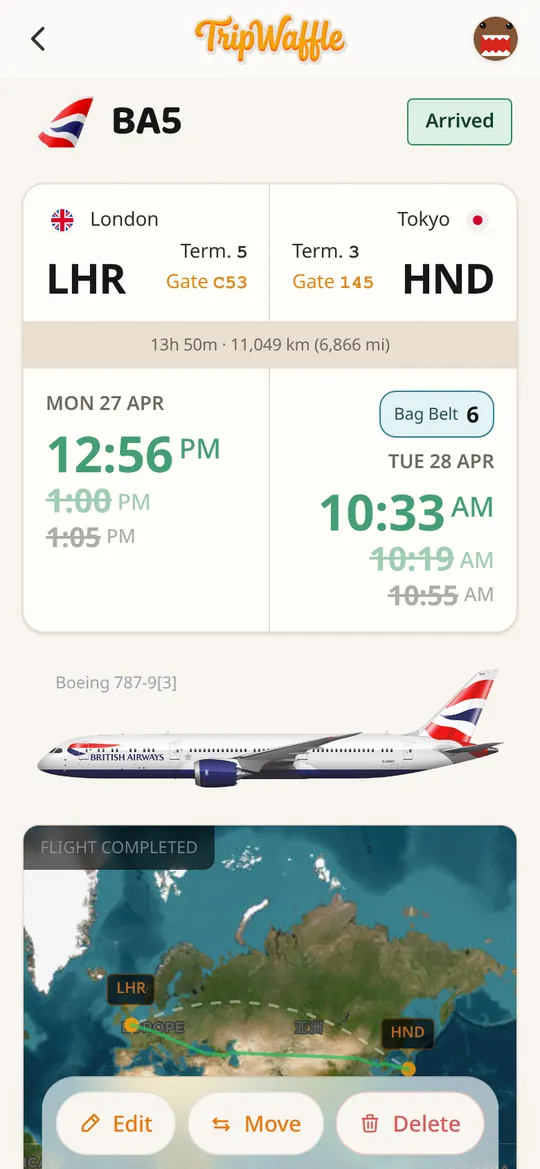
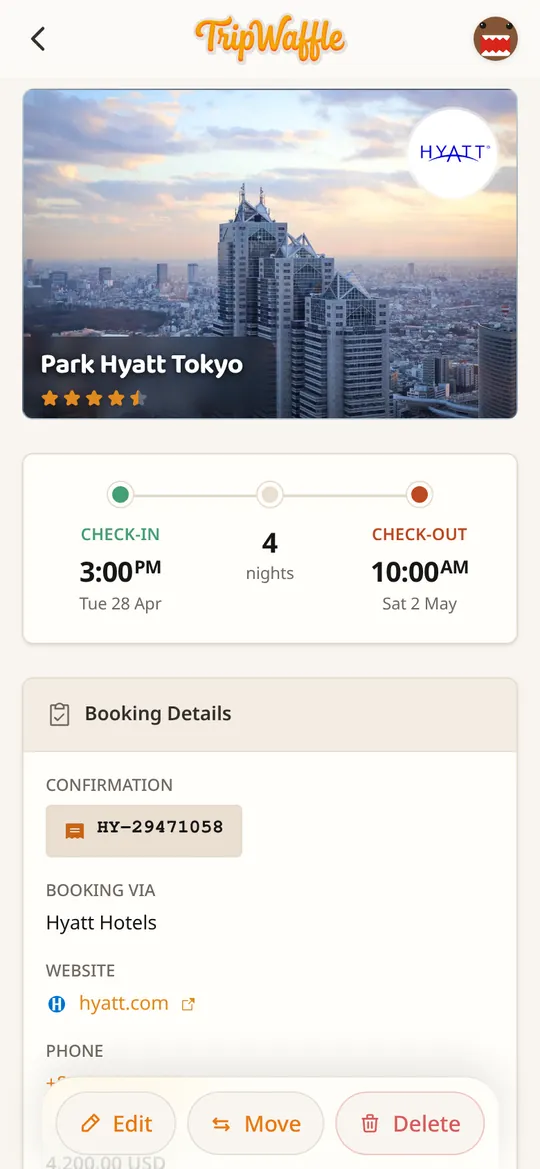
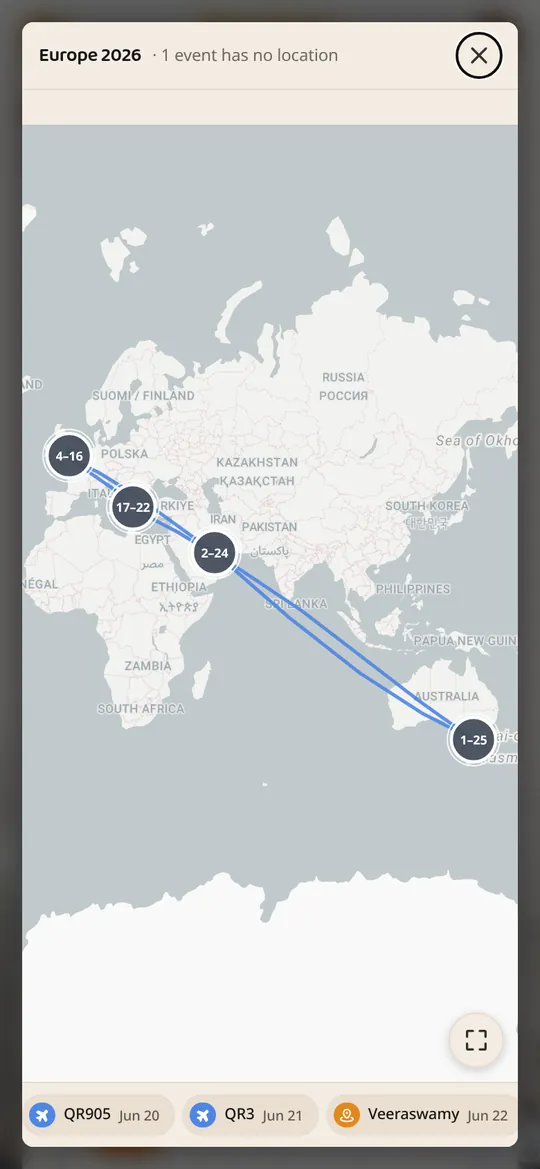
TripWaffle organizes your whole trip in one beautiful itinerary - and watches over it: government advisory alerts, the local emergency number, and entry requirements for Hong Kong, plus live flight tracking. Just forward your confirmation emails.


100% free · 3 second signup
Last updated: May 27, 2026