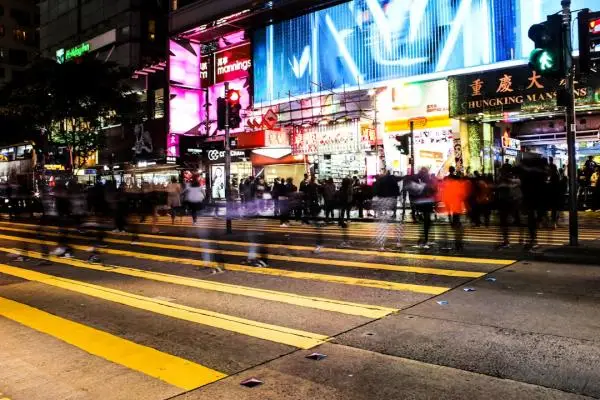
Is Tsim Sha Tsui Safe?
Tsim Sha Tsui is generally safe by big-city standards and is one of Hong Kong's main tourist districts. The main issues are petty theft, aggressive touts, nightlife-related problems, and occasional overcharging rather than serious violence.
Photo: Rikke Filbært / Unsplash
Perception vs Reality: Some visitors expect Kowloon to feel rougher than Hong Kong Island, but Tsim Sha Tsui is usually busy, well-lit, and heavily monitored. The bigger risk is nuisance scams and crowd-related theft, not violent crime.
Risk Scores
Scale: 1 = very low risk, 10 = very high risk
Safety Overview
Overall Safety
A busy, tourist-heavy district that is usually safe day and night. Most problems involve scams, touts, pickpocketing in crowds, and late-night bar issues.
Violent Crime
Violent crime against visitors is uncommon. Fights and harassment are more likely around nightlife spots than in shopping or waterfront areas.
Petty Crime
Watch bags, phones, and wallets in crowded streets, malls, ferry piers, and MTR stations. Theft is opportunistic rather than organized robbery.
Scams
Street touts, overpriced goods, questionable tailoring offers, and bar or hostess-club overcharging are the main traps. Ignore unsolicited sales pitches.
Night Safety
Main roads stay busy and well-lit, but late-night drinking areas bring more harassment, disputes, and overcharging risk. Use licensed transport after midnight.
Public Transport
The MTR, buses, and Star Ferry are generally very safe and reliable. Crowding is the main issue, especially during commuting hours and weekends.
Police & Emergency
Police presence is visible in tourist areas and response is generally reliable. For visitors, practical help is usually easier to get in hotels, malls, and MTR stations.
Day vs Night
Daytime
Generally low risk. The biggest issues are crowded pavements, tourist scams, and keeping belongings secure in retail areas and transit hubs.
Nighttime
Still relatively safe on main streets, but nightlife zones bring more intoxicated behavior, bar disputes, and harassment. Side streets feel less comfortable after venues close.
Seasonal: Crowding rises sharply during public holidays, shopping periods, major exhibitions, and waterfront events. Heavy rain, typhoons, and summer heat can disrupt transport and walking conditions.
Who’s Visiting?
Tourists are usually safe, but Tsim Sha Tsui is one of the places in Hong Kong where visitors are most likely to encounter touts and overpricing.
Common Risks
- ⚠ Touts offering suits, watches, electronics, or club entry
- ⚠ Pickpocketing in crowds
- ⚠ Overpriced bars or unclear service charges
- ⚠ Taxi route padding or fare disputes
Tips
- ✓ Ignore street sales approaches, especially on Nathan Road
- ✓ Check prices before buying electronics, tailoring, or jewelry
- ✓ Use cards or stored-value payment where possible and keep receipts
- ✓ Stay alert around MTR exits, ferry terminals, and dense shopping areas
Tsim Sha Tsui is generally manageable for solo women, especially in daytime and on main streets. Late-night drinking zones and unsolicited approaches are the main concerns.
Common Risks
- ⚠ Persistent touts or unwanted attention near nightlife streets
- ⚠ Drink tampering or pressure to drink in bars
- ⚠ Following after leaving clubs or bars late
Tips
- ✓ Prefer busy routes like Nathan Road and waterfront promenades at night
- ✓ Watch drinks closely and avoid invitations to upstairs venues
- ✓ Use licensed taxis or rideshare alternatives arranged through reputable apps or hotels
- ✓ Share your route if returning late from bars or clubs
Tsim Sha Tsui is usually low-risk for LGBTQ travelers, especially in mainstream tourist settings. Social acceptance is generally better than in many Asian cities, but discretion may still be preferred in some situations.
Hong Kong is relatively open socially in urban areas, but legal protections are incomplete and same-sex couples may not receive equal recognition in all contexts. Harassment risk is usually social rather than legal.
Common Risks
- ⚠ Occasional stares or comments rather than direct threats
- ⚠ Uneven acceptance in nightlife or among older crowds
- ⚠ Privacy concerns when showing affection in public
Tips
- ✓ Main tourist, shopping, and hotel areas are usually comfortable
- ✓ Choose well-reviewed venues for nightlife
- ✓ Use normal big-city discretion with public displays of affection if unsure of the setting
Families usually find Tsim Sha Tsui straightforward and safe, with good transport and plenty of services. The main issues are crowding, traffic at crossings, and keeping children close in busy retail areas.
Common Risks
- ⚠ Children getting separated in malls or promenades
- ⚠ Heavy foot traffic near MTR stations and harbourfront
- ⚠ Street crossings on major roads
Tips
- ✓ Set a meeting point in large malls and near attractions
- ✓ Avoid peak evening crowds if traveling with small children
- ✓ Use pedestrian bridges and signed crossings instead of rushing through traffic
Tsim Sha Tsui is convenient and generally safe for remote workers, though it is crowded, expensive, and tourist-focused. Device theft risk is still fairly low but rises in cafes and transit during peak periods.
Common Risks
- ⚠ Leaving laptops or phones unattended in cafes
- ⚠ Distraction theft in co-working or public seating areas
- ⚠ Public Wi-Fi privacy risks
Tips
- ✓ Do not leave devices on tables while ordering or using restrooms
- ✓ Use a VPN on public Wi-Fi
- ✓ Choose hotel lounges, reputable cafes, or dedicated workspaces over busy food courts
Crime & Threats
Pickpocketing
MediumMost likely in crowded shopping streets, MTR stations, ferry areas, and queues. Keep phones and wallets out of back pockets.
Phone Snatching
LowLess common than in many cities, but phones can disappear if left on tables or held loosely in dense crowds.
Robbery
LowStreet robbery is uncommon. Most visitor losses come from theft, scams, or bar disputes rather than force.
Assault
LowAssault risk is generally low, with occasional incidents linked to intoxication or nightlife arguments.
Drink Spiking
MediumNot a dominant risk, but late-night bars and hostess-style venues deserve extra caution. Do not accept opened drinks from strangers.
Taxi Scams
MediumLicensed taxis are usually fine, but some drivers may take longer routes, refuse short trips, or create confusion over tunnel charges and cash.
ATM Skimming
LowATM fraud is not a standout problem, especially at bank-operated machines. Avoid isolated or damaged-looking terminals.
Tourist Scams
MediumThe main issues are aggressive touting, inflated prices, bait-and-switch sales, and bar overcharging in tourist-heavy streets.
Common Scams
Tailor and watch touts
Street touts approach tourists with cheap suit, watch, or luxury-item offers and steer them to shops with inflated pricing or poor-quality goods.
Do not follow unsolicited sellers. Use established stores with clear pricing and reviews.
Bar overcharging
Promoters or friendly strangers lead visitors to bars or hostess venues where drinks, service charges, or companion fees are far higher than expected.
Avoid venues entered through street solicitation. Check menus and prices before ordering and leave if charges are unclear.
Electronics bait-and-switch
A shop advertises a low price, then pushes accessories, different models, or hidden fees once the customer commits.
Buy electronics from reputable chains or authorized dealers and confirm the final price before payment.
Taxi route padding
A driver takes a longer route or creates confusion about surcharges, especially for visitors unfamiliar with tunnels and districts.
Use navigation on your phone, know the general route, and have small bills or digital payment ready if accepted.
Area Map
Approximate locations from public sources. Conditions vary by time of day and current events.
Area Safety
Safer Areas
Busy, open, and heavily frequented by tourists, especially during the day and early evening.
Well-managed retail zone with security, lighting, and steady foot traffic.
Modern, upscale, and generally well-monitored with many staff and visitors around.
Be More Careful
Very busy and the main strip for touts, pickpocket opportunities, and tourist-targeted sales pressure.
Not especially dangerous, but chaotic, dense, and known for persistent touts, low-end sales pitches, and confusion for first-time visitors.
More alcohol-related disputes, harassment, and overcharging risk late at night.
Getting Around
Walking
Usually safe and practical, especially on main roads and shopping streets. Watch for crowds, distractions, and occasional slippery pavements during rain.
Taxis & Rideshare
Use licensed red urban taxis, insist on the meter, and check notes on tunnel or luggage surcharges. Hotel-arranged transport reduces hassle late at night.
Trains & Buses
MTR and buses are among the safest ways to move around. Peak-hour crowding is the main concern, so keep bags zipped and close.
Do’s & Don’ts
Do
- Keep bags zipped and phones secure in crowded shopping and transit areas
- Ignore unsolicited offers for tailoring, watches, electronics, or clubs
- Use bank ATMs and licensed taxis
- Stick to main streets if walking late
- Check bar menus and service charges before ordering
Don’t
- Do not follow touts into upstairs bars or backstreet shops
- Do not leave phones or bags on cafe tables unattended
- Do not get into unlicensed vehicles
- Do not flash large amounts of cash in crowded retail zones
- Do not assume every busy area is scam-free just because it feels upscale
How Does It Compare?
Safer Than
These are broad traveler-oriented comparisons, mainly for street crime, scams, and night comfort rather than overall quality of life.
Frequently Asked Questions
Yes, generally. Most tourists have no serious problems, but touts, petty theft, and overcharging are the main concerns.
Usually yes on main roads and near hotels, malls, and the waterfront. Nightlife streets are a bit riskier because of drinking and aggressive promotions.
Common issues include tailor and watch touts, bar overcharging, electronics bait-and-switch, and occasional taxi fare disputes.
Data Notes
- Crime patterns can shift block by block depending on nightlife activity, crowd levels, and temporary police presence.
- Specific scam intensity varies over time; touting and overcharging are persistent themes, but exact prevalence changes.
- LGBTQ comfort depends more on venue and social setting than on district-wide legal risk.
Other Destinations in Hong Kong
Traveling to Tsim Sha Tsui?
TripWaffle organizes your whole trip in one beautiful itinerary - and watches over it: government advisory alerts, the local emergency number, and entry requirements for Tsim Sha Tsui, plus live flight tracking. Just forward your confirmation emails.


100% free · 3 second signup
Last updated: May 27, 2026