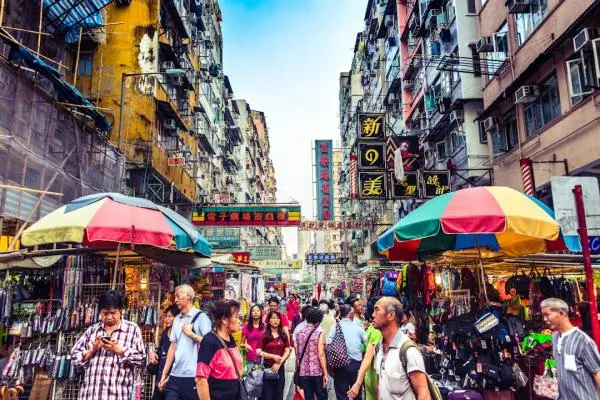
Is Kowloon Safe?
Kowloon is generally safe for most travelers and has low violent crime by big-city standards. The main issues are pickpocketing in crowded markets, tourist-targeted overcharging, and late-night hassles in nightlife areas such as parts of Tsim Sha Tsui and Mong Kok.
Photo: Paulo Evangelista / Unsplash
Perception vs Reality: Kowloon can feel hectic, dense, and rougher-looking than Hong Kong Island, especially around Mong Kok and older market streets, but everyday street crime is still relatively low compared with many major cities.
Risk Scores
Scale: 1 = very low risk, 10 = very high risk
Safety Overview
Overall Safety
Kowloon is one of the safer dense urban areas in Asia for visitors. Most trips are trouble-free if you manage valuables in crowds and avoid nightlife touts.
Violent Crime
Violent crime affecting visitors is uncommon. Most incidents are opportunistic theft or disputes linked to alcohol rather than targeted attacks.
Petty Crime
Pickpocketing happens most in packed shopping streets, markets, and transit interchanges. Keep phones and wallets out of back pockets around Mong Kok, Temple Street, and busy MTR exits.
Scams
Scams are usually low-level: bar overcharging, aggressive touting, counterfeit goods, and occasional taxi route padding. They are more common than serious crime in tourist-heavy areas.
Night Safety
Well-lit main roads stay active late, but risk rises after midnight around bars, clubs, and side streets in Tsim Sha Tsui and Jordan. Intoxication is a bigger risk factor than random violence.
Public Transport
The MTR, buses, and ferries are reliable and generally very safe. Crowding, not crime, is the main issue, though tourists can be targeted by pickpockets during peak periods.
Police & Emergency
Police presence is visible in major shopping and tourist areas, and emergency response is generally reliable. English is usually workable in hotels, major stations, and with tourist-facing services.
Day vs Night
Daytime
Daytime is generally very safe, even in busy shopping districts. The main issues are crowding, traffic, and keeping valuables secure in markets and on transit.
Nighttime
Night is still manageable on main roads and around stations, but risks rise in bar areas, quieter side streets, and after heavy drinking. Late-night touts and overcharging are more common than serious violence.
Seasonal: Golden Week, major shopping periods, weekends, and evening market peaks bring heavier crowds and more petty theft opportunities. Summer heat, heavy rain, and typhoons can create non-crime safety issues and transport disruption.
Who’s Visiting?
Tourists usually find Kowloon easy to navigate and safe, especially around major hotels, museums, and MTR stations. The main risks are crowd-related theft and tourist pricing traps.
Common Risks
- ⚠ Pickpocketing in markets and busy shopping streets
- ⚠ Bar or club overcharging
- ⚠ Counterfeit or low-quality goods sold as genuine
- ⚠ Taxi route padding or surcharge disputes
Tips
- ✓ Use the MTR for most trips and keep bags zipped in crowds
- ✓ Ignore street touts offering bars, tailor deals, or electronics
- ✓ Check menus and prices before ordering in nightlife spots
- ✓ Use official taxis and watch that the meter is running
Kowloon is generally manageable for solo women, including at night on main streets and public transport. Extra caution is most useful in nightlife zones and when walking alone on quieter side streets late.
Common Risks
- ⚠ Unwanted attention from touts near bars
- ⚠ Drink tampering risk in nightlife settings
- ⚠ Following or pestering after late-night drinking
Tips
- ✓ Prefer busy, well-lit routes after dark
- ✓ Watch drinks being made and do not leave them unattended
- ✓ Use licensed taxis or rides booked through reputable apps
- ✓ If a bar feels pushy or unclear on prices, leave early
Kowloon is generally workable for LGBTQ travelers, especially in central urban areas. Violent anti-LGBTQ incidents are uncommon, but social attitudes can still be mixed and public discretion may feel more comfortable outside clearly international venues.
Same-sex relations are legal in Hong Kong, but full marriage equality is not established. Social acceptance is better in urban and international settings than in more conservative circles.
Common Risks
- ⚠ Occasional verbal discomfort or staring
- ⚠ Limited legal recognition compared with more liberal destinations
- ⚠ Nightlife-related harassment similar to that faced by other patrons
Tips
- ✓ Urban hotel and tourist areas are usually the easiest environments
- ✓ Use normal nightlife precautions regardless of venue
- ✓ If unsure about a venue, check recent reviews and crowd type first
Kowloon works well for families thanks to safe transit, walkable promenades, and plenty of indoor options. The main challenges are crowd density, traffic, and weather rather than crime.
Common Risks
- ⚠ Children getting separated in dense markets
- ⚠ Busy road crossings and heavy foot traffic
- ⚠ Heat, humidity, and sudden downpours
Tips
- ✓ Use child ID tags or a meeting point in crowded areas
- ✓ Avoid peak evening market times with strollers if possible
- ✓ Carry water and plan indoor breaks in hot weather
- ✓ Stand well back on station platforms and escalators
Kowloon is practical for digital nomads, with strong transport links and many cafes and hotels. Security issues are usually more about device theft in public places than personal danger.
Common Risks
- ⚠ Leaving laptops or phones unattended in cafes
- ⚠ Using unsecured public Wi-Fi
- ⚠ Bag theft in crowded food courts or co-working-style spaces
Tips
- ✓ Do not leave devices on tables while ordering
- ✓ Use a VPN on public networks
- ✓ Choose accommodation with good building security
- ✓ Back up devices before working from busy cafes
Crime & Threats
Pickpocketing
MediumMost likely in Mong Kok, Temple Street, Tsim Sha Tsui shopping corridors, and packed MTR stations.
Phone Snatching
LowLess common than in many large cities, but phones can be lifted from hands or tables in dense crowds and food venues.
Robbery
LowStreet robbery is uncommon, especially in busy commercial areas. Risk rises slightly late at night if intoxicated or isolated.
Assault
LowAssault against visitors is rare; disputes are more likely around nightlife, alcohol, or aggressive touting than random attacks.
Drink Spiking
LowNot a leading threat, but it is worth taking seriously in bars and clubs in Tsim Sha Tsui and nearby nightlife pockets.
Taxi Scams
LowUsually limited to route padding, refusal of short trips, or confusion over tunnel fees rather than outright fraud.
ATM Skimming
LowNot commonly reported, but use bank ATMs inside malls, stations, or branches rather than isolated machines.
Tourist Scams
MediumWatch for bar touts, inflated prices, fake bargains, and counterfeit goods around tourist-heavy shopping streets.
Common Scams
Bar tout overcharge
A street tout leads visitors to a bar or club, then the venue adds inflated drink prices, hostess fees, or service charges.
Do not follow touts. Choose venues with visible prices, recent reviews, and a clear menu before ordering.
Counterfeit bargain goods
Stall sellers market fake branded goods or low-quality electronics as special deals aimed at tourists.
Treat market goods as souvenirs, not genuine luxury or electronics. Buy valuables only from established retailers.
Taxi route padding or fee confusion
A driver takes a longer route or adds unclear tunnel or baggage charges, especially if the passenger seems unfamiliar.
Use licensed taxis, follow the route on your phone, and ask about likely tunnel use before the trip.
Tailor or shop bait-and-switch
Shops promise premium goods or custom work at one price, then substitute lower quality items or add fees later.
Get the full price and item details in writing, avoid pressure sales, and walk away if the terms keep changing.
Area Map
Approximate locations from public sources. Conditions vary by time of day and current events.
Area Safety
Safer Areas
Modern, open, and well-trafficked, with fewer touts and a calmer atmosphere than the older market districts.
Hotel-heavy area with steady foot traffic, better lighting, and regular transport access.
More residential and orderly, with lower street hassle than the main tourist zones.
Be More Careful
Very crowded shopping and market area where pickpocketing, bag theft, and distraction scams are more likely.
Busy at night with market crowds, tourist targeting, and occasional overcharging.
Higher chance of bar touts, inflated bills, drunken disputes, and late-night nuisance behavior.
Usually busy rather than dangerous, but hawking, persistent sales tactics, and low-level scams are more common.
Getting Around
Walking
Walking is generally safe and practical, especially on main streets. Watch for slippery pavements in wet weather and stay alert at busy crossings and crowded underpasses.
Taxis & Rideshare
Licensed red taxis are usually safe. Make sure the meter is used, confirm destination clearly, and be aware that tunnel fees can be added.
Trains & Buses
The MTR and buses are among the safest ways to get around Kowloon. Keep your bag closed during rush hour and near market-area stations.
Do’s & Don’ts
Do
- Keep bags zipped and phones secure in markets and MTR stations
- Use the MTR for fast, low-hassle travel
- Stick to well-lit main streets late at night
- Check bar menus and taxi meters before committing
- Carry an Octopus card or other easy payment option to reduce cash handling
Don’t
- Do not follow nightlife touts or street sellers to a second location
- Do not leave phones, wallets, or shopping bags on cafe tables
- Do not flash large amounts of cash in markets
- Do not assume every market bargain is genuine
- Do not get heavily intoxicated if walking back alone late
How Does It Compare?
Frequently Asked Questions
Usually yes on busy main streets and near stations, but nightlife areas in Tsim Sha Tsui, Jordan, and Mong Kok need more care after midnight.
Yes, but it is one of the easier places in Kowloon to lose a wallet or phone because of dense crowds and distraction scams.
Generally yes. Most issues are minor overcharging or route padding, so use licensed taxis and watch that the meter is running.
Data Notes
- Kowloon is a broad urban area rather than a single neighborhood, so safety varies between hotel zones, nightlife streets, market districts, and residential areas.
- Street-level scam patterns can shift quickly with tourism volumes, border traffic, and specific nightlife venues.
- This profile focuses on everyday traveler safety, not political sensitivity or legal issues unrelated to routine movement around the area.
Other Destinations in Hong Kong
Traveling to Kowloon?
TripWaffle organizes your whole trip in one beautiful itinerary - and watches over it: government advisory alerts, the local emergency number, and entry requirements for Kowloon, plus live flight tracking. Just forward your confirmation emails.


100% free · 3 second signup
Last updated: May 27, 2026