Is Tokyo Safe?
Tokyo is one of the safest major cities in the world, with very low violent crime and generally orderly streets and transit. Most visitors face low day-to-day risk; the main issues are crowded-area theft, late-night bar touts, overcharging in nightlife districts, and occasional harassment on trains.
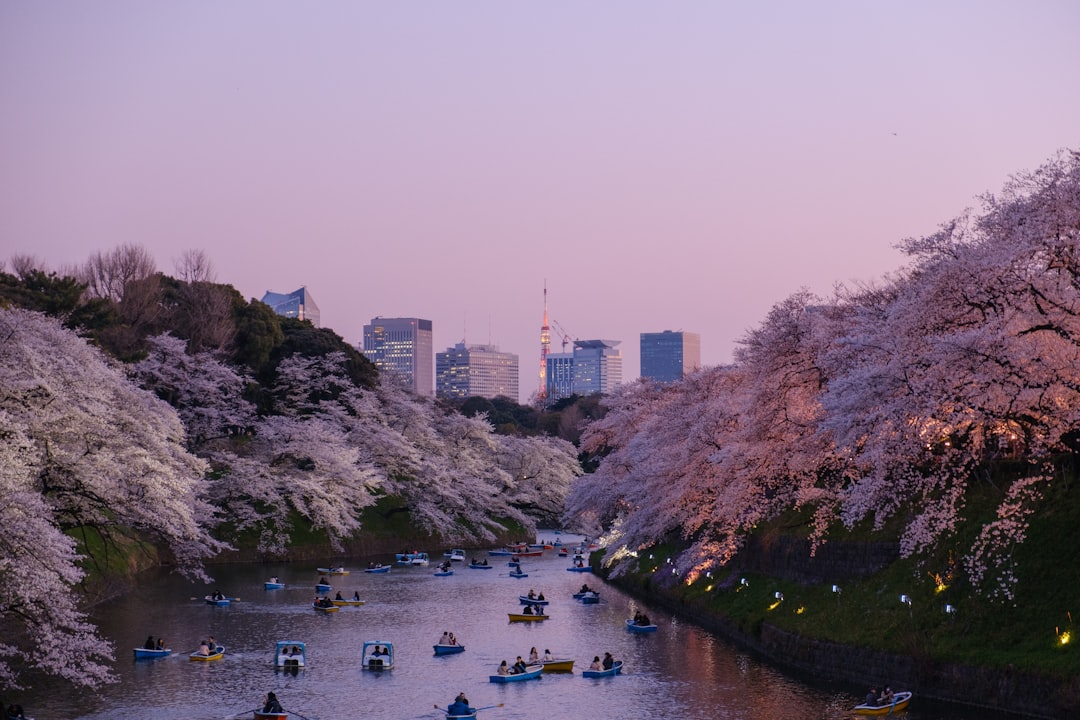
Photo: Yu Kato / Unsplash
Perception vs Reality: Tokyo's very safe reputation is broadly accurate, but it can make travelers overly relaxed. Problems are uncommon, yet they do happen in nightlife zones, on packed trains, and when people leave phones or bags unattended.
Risk Scores
Scale: 1 = very low risk, 10 = very high risk
Safety Overview
Overall Safety
Very safe by big-city standards. Most visits are trouble-free if you stay alert in nightlife areas and on crowded trains.
Violent Crime
Violent crime affecting visitors is rare. Late-night disputes around bars and clubs are the main exception.
Petty Crime
Pickpocketing is uncommon but can happen in packed stations, festival crowds, and tourist-heavy shopping streets.
Scams
Scams are limited compared with many capitals, but bar touts and inflated bills are a known issue in parts of Shinjuku and Roppongi.
Night Safety
Many areas stay busy late and feel safe, but risk rises after midnight around club and host-bar districts.
Public Transport
Transit is clean, extensive, and generally safe. Crowding, last-train timing, and occasional harassment are the main concerns.
Police & Emergency
Police boxes are widespread and useful for directions or reporting incidents. Response is generally reliable, though English ability varies.
Day vs Night
Daytime
Very low risk in most districts. Main issues are crowding, lost property, and occasional petty theft in tourist-heavy or transit-heavy areas.
Nighttime
Still safer than most large cities, but risk clearly rises in nightlife areas after midnight, especially around touts, heavy drinking, and missed last-train situations.
Seasonal: Festival crowds, cherry blossom season, New Year visits to shrines, and major events can increase crowding and minor theft risk. Summer heat and typhoon disruptions are more common practical issues than crime.
Who’s Visiting?
Tourists usually find Tokyo easy and safe to navigate, especially in daytime and mainstream districts.
Common Risks
- ⚠ Late-night bar touts
- ⚠ Overcharging in clubs or bars
- ⚠ Crowded-train theft
- ⚠ Losing belongings in transit or restaurants
Tips
- ✓ Ignore street promoters offering cheap drinks or clubs
- ✓ Use official taxis or app-based rides late at night
- ✓ Keep your phone and wallet secure in packed stations
- ✓ Carry your hotel address in Japanese for taxi use
Tokyo is one of the easier large cities for solo women, though nightlife districts and rush-hour trains need more attention.
Common Risks
- ⚠ Groping or harassment on crowded trains
- ⚠ Pushy touts near nightlife streets
- ⚠ Drink tampering or heavy overcharging in some bars
Tips
- ✓ Use women-only train cars when available during peak times
- ✓ Avoid following touts into upstairs or basement venues
- ✓ Choose well-reviewed bars and keep your drink in sight
- ✓ Take a taxi if returning very late from club areas
Tokyo is generally safe for LGBTQ+ travelers, especially in central districts, with a visible queer nightlife scene.
Same-sex relationships are not criminalized, and central Tokyo is socially more accepting than many parts of Japan, but nationwide same-sex marriage is still not recognized. Public hostility is uncommon, though discretion may be more comfortable outside liberal urban spaces.
Common Risks
- ⚠ Occasional staring or social discomfort rather than violence
- ⚠ Nightlife overcharging in entertainment districts
- ⚠ Language barriers when seeking help
Tips
- ✓ Stick to established venues in areas like Shinjuku Ni-chome
- ✓ Use the same nightlife precautions as any visitor
- ✓ Avoid arguing with touts or intoxicated groups late at night
- ✓ Book centrally located accommodation if planning nightlife
Tokyo works well for families thanks to low crime, clean public spaces, and dependable transport.
Common Risks
- ⚠ Children getting separated in large stations
- ⚠ Platform crowding
- ⚠ Summer heat and humidity
- ⚠ Bicycle traffic on sidewalks
Tips
- ✓ Set a meeting point in big stations before moving around
- ✓ Avoid peak commuter hours with strollers if possible
- ✓ Carry water and plan indoor breaks in summer
- ✓ Use elevators and family facilities in major stations and malls
Tokyo is comfortable and secure for remote workers, with low street risk and many work-friendly cafes and spaces.
Common Risks
- ⚠ Leaving laptops or phones unattended
- ⚠ Crowded transit during commutes
- ⚠ Late-night touts if working from nightlife districts
Tips
- ✓ Do not assume unattended devices are fully safe just because the city feels secure
- ✓ Choose reputable coworking spaces or chain cafes
- ✓ Travel outside rush hour when carrying gear
- ✓ Use official ATMs in convenience stores or bank branches
Crime & Threats
Pickpocketing
LowLow compared with most global capitals, but possible in packed trains, stations, and festival crowds.
Phone Snatching
LowStreet snatching is uncommon. Risk rises slightly if you stand near train doors or crowds with your phone exposed.
Robbery
LowRobbery affecting visitors is rare. Late-night intoxication and isolated encounters around club districts are the main exceptions.
Assault
LowSerious assault is uncommon, though drunken arguments and harassment can occur around bars and clubs.
Drink Spiking
MediumNot a citywide norm, but there are recurring reports tied to nightlife venues and tout-led bars.
Taxi Scams
LowTaxi fraud is uncommon. The bigger issue is cost, especially late-night surcharges, not deliberate scamming.
ATM Skimming
LowSkimming risk is low, especially at bank and convenience-store ATMs, but standard card precautions still apply.
Tourist Scams
MediumThe main tourist scam is being lured by a tout into a bar or club and hit with a large bill.
Common Scams
Bar tout overcharging
A street promoter offers cheap drinks or a friendly bar, then the venue adds large table, service, or drink charges.
Do not follow touts. Choose venues with visible menus, online reviews, and clear pricing.
Hostess or club upselling
A seemingly normal venue encourages expensive bottles, time charges, or companion fees that were not explained clearly.
Ask for the full price system before sitting down and leave if staff avoid giving a clear answer.
Fake or inflated late-night help
Someone approaches travelers who seem lost or intoxicated and steers them to a bar, taxi, or service tied to a commission.
Use maps, station staff, or your hotel for help instead of unsolicited street assistance.
Area Safety
Safer Areas
Business district with heavy foot traffic, strong transport links, and relatively low nightlife-related issues.
Upscale shopping area that is orderly and well-lit, with generally low street crime.
Quieter residential and academic area with a calm atmosphere and fewer nightlife risks.
Be More Careful
Busy entertainment district known for bar touts, overcharging, intoxicated crowds, and late-night disputes.
Nightlife area where inflated bar bills, aggressive promoters, and drink-related incidents are reported more often.
Usually fine, but crowded late at night with intoxicated groups, minor harassment, and occasional theft opportunities.
Getting Around
Walking
Walking is generally very safe, including in many central areas after dark. Stay more alert in entertainment districts, around station exits, and after the last train.
Taxis & Rideshare
Licensed taxis are reliable and safe, though expensive. Use official taxi ranks or reputable apps; avoid following nightlife promoters to private vehicles.
Trains & Buses
Public transport is excellent and low risk. Watch bags during rush hour, mind platform crowds, and use women-only cars if preferred during peak periods.
Do’s & Don’ts
Do
- Keep valuables zipped away on crowded trains and in stations
- Use official taxis or reputable apps late at night
- Choose bars and clubs with clear prices and solid reviews
- Carry your accommodation address and emergency contacts
- Use police boxes or station staff if you need directions or to report a problem
Don’t
- Do not follow street touts into bars or clubs
- Do not leave phones, wallets, or laptops unattended in cafes
- Do not assume every area is equally safe after the last train
- Do not get heavily intoxicated in nightlife districts if alone
- Do not flash cash or expensive items unnecessarily in crowded areas
How Does It Compare?
Frequently Asked Questions
Yes. Tokyo is very safe for most tourists, with low violent crime and reliable transport, though nightlife touts and crowded-area theft can still occur.
Mostly yes in central, well-trafficked areas, but caution is more important after midnight in Kabukicho, Roppongi, and other nightlife zones.
The main scam is being led by a tout into a bar or club and charged inflated fees. Use venues with visible pricing and good reviews.
Data Notes
- Risk varies sharply between quiet residential districts and nightlife pockets such as Kabukicho and Roppongi after dark.
- Exact incident patterns can shift during festivals, major events, and crowded holiday periods.
- LGBTQ+ social comfort can differ by venue and neighborhood even though central Tokyo is generally more accepting than many other parts of Japan.
Explore Areas in Tokyo
Traveling to Tokyo?
TripWaffle organizes your entire trip — flights, hotels, trains, events — in one beautiful itinerary. Just forward your confirmation emails.


100% free · 3 second signup
Last updated: March 21, 2026