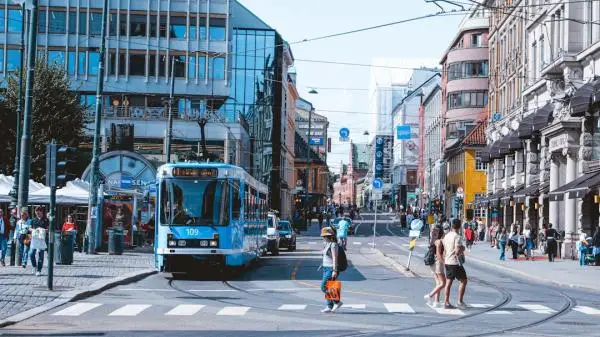
Is Oslo Safe?
Oslo is generally a very safe city by European capital standards, with low violent crime affecting visitors and good infrastructure. The main issues for travelers are petty theft in busy central areas, alcohol-fueled incidents late at night, and occasional nuisance around transport hubs.
Photo: Jack White / Unsplash
Perception vs Reality: Oslo sometimes gets a tougher reputation from local debate about youth violence and drug activity, but most visitors experience it as calm and well-managed. Risk is usually concentrated in specific central streets and late-night hours rather than citywide.
Risk Scores
Scale: 1 = very low risk, 10 = very high risk
Safety Overview
Overall Safety
Oslo is one of the safer major cities in Europe. Most trips are trouble-free if you stay alert in crowded central areas and after bars close.
Violent Crime
Violent crime against visitors is uncommon. Most reported incidents are between locals, late at night, or linked to intoxication.
Petty Crime
Pickpocketing can happen around Oslo S, trams, and busy shopping or nightlife zones. Bags and phones left visible are the usual targets.
Scams
Classic tourist scams are limited compared with many European capitals. The more realistic annoyances are taxi overcharging, distraction theft, and occasional bar disputes.
Night Safety
Nighttime is usually manageable in busy districts, but drunken behavior and minor disorder increase around transport hubs and nightlife strips after midnight.
Public Transport
Public transport is reliable and generally safe, including trams, metro, and buses. Late at night, sit near other passengers and keep your phone secure at stations.
Police & Emergency
Police response and emergency services are generally dependable. English is widely spoken, and central areas are well covered.
Day vs Night
Daytime
Daytime in Oslo is low risk for most travelers, including walking and public transport. Standard city awareness is usually enough.
Nighttime
Risk rises modestly after midnight around bars, clubs, and central stations. Most problems involve drunken behavior, theft opportunities, or uncomfortable encounters rather than serious violence.
Seasonal: Winter brings ice, early darkness, and quieter streets in some areas. Summer festivals, concerts, and holiday weekends can increase crowding, intoxication, and petty theft in the center.
Who’s Visiting?
Tourists usually find Oslo easy to navigate and low stress. Petty theft and nightlife-related issues are more relevant than serious crime.
Common Risks
- ⚠ Pickpocketing near Oslo Central Station
- ⚠ Phone theft in crowded transit areas
- ⚠ Taxi overcharging from airport or station
- ⚠ Bar-related disputes late at night
Tips
- ✓ Keep wallets and phones zipped away on trams and at Oslo S
- ✓ Use official taxi apps or agree the fare basis before the ride
- ✓ Stay in well-lit central streets if walking after midnight
- ✓ Do not leave bags unattended in cafés or hotel lobbies
Oslo is generally comfortable for solo women, including on public transport and in central districts. The main caution points are intoxicated men in nightlife areas and isolated walks late at night.
Common Risks
- ⚠ Harassment from drunk people near bars
- ⚠ Unwanted attention on late-night transport
- ⚠ Drink tampering risk in nightlife settings
Tips
- ✓ Prefer busy routes over shortcuts through quiet parks late at night
- ✓ Watch drinks being poured and do not leave them unattended
- ✓ Use rideshare or licensed taxis if returning very late
- ✓ If a carriage or bus feels uncomfortable, move near other passengers
Oslo is broadly one of the more LGBTQ-friendly cities in Europe, especially in central urban areas. Most travelers face low legal and social risk.
Same-sex relationships and LGBTQ expression are legal and widely accepted in Norway. Social acceptance is high, though isolated harassment can still happen, especially around intoxicated crowds.
Common Risks
- ⚠ Verbal harassment from drunk individuals
- ⚠ Occasional social discomfort outside liberal urban spaces
Tips
- ✓ Central districts are generally the most comfortable for nightlife
- ✓ Treat late-night drunken groups as the main situational risk, not the city overall
- ✓ Use standard nightlife precautions when meeting new people
Oslo is family-friendly, orderly, and easy to manage with children. Crime is usually not the main concern; weather, water access, and transport awareness matter more.
Common Risks
- ⚠ Children getting separated in busy stations
- ⚠ Slippery streets in winter
- ⚠ Open waterfront edges and ferry areas
Tips
- ✓ Set a meetup point in major stations and shopping areas
- ✓ Dress for cold, ice, and early darkness in winter
- ✓ Supervise children closely near harbors and ferries
- ✓ Use child-friendly transit apps and avoid rush-hour crowding if possible
Oslo is comfortable and stable for remote workers, with low security stress but high prices. Property theft risk is mostly about leaving devices unattended in public places.
Common Risks
- ⚠ Laptop or phone theft from cafés
- ⚠ Bag theft in coworking-style public spaces
- ⚠ Late-night transit complacency after social events
Tips
- ✓ Do not leave electronics unattended, even briefly
- ✓ Choose accommodation near a T-bane or tram stop for safer late returns
- ✓ Back up devices and use screen locks in public workspaces
- ✓ Check opening hours carefully, as evening options can be limited
Crime & Threats
Pickpocketing
MediumMost likely in and around Oslo S, Jernbanetorget, busy trams, and tourist-heavy shopping streets.
Phone Snatching
LowLess common than in many capitals, but phones can be grabbed in crowded transit areas or if left on café tables.
Robbery
LowStreet robbery affecting travelers is uncommon, though late-night incidents can happen around intoxication and isolated central streets.
Assault
LowAssault risk for visitors is low overall; most problems are tied to nightlife, arguments, or drunken groups.
Drink Spiking
LowNot a dominant citywide issue, but it is a credible nightlife risk, especially in crowded bars and clubs.
Taxi Scams
MediumOvercharging or taking costly routes is the most plausible scam issue, especially from transport hubs and the airport.
ATM Skimming
LowLow risk overall, but use bank ATMs and monitor card transactions because Norway is heavily cashless.
Tourist Scams
LowOslo has fewer scam patterns than many tourist cities; distraction theft and inflated service charges are more likely than elaborate fraud.
Common Scams
Taxi overcharging
A driver takes a longer route or charges a high non-standard fare, especially from the airport, station, or nightlife areas.
Use official taxi apps, ask about pricing before departure, and check that the vehicle is licensed.
Distraction theft at stations
Someone distracts you with directions, commotion, or close crowding while an accomplice targets your pocket or bag.
Keep valuables zipped and in front of you, especially at Oslo S, on trams, and while buying tickets.
Bar tab confusion
In busy nightlife venues, drink orders or tabs can be disputed or misremembered when crowds are heavy.
Pay as you go when possible, keep receipts, and check the amount before tapping your card.
Area Map
Approximate locations from public sources. Conditions vary by time of day and current events.
Area Safety
Safer Areas
Upscale residential area with a calm atmosphere and generally low street trouble.
Busy but orderly, with good transport links and a steady local presence.
Modern waterfront district with frequent foot traffic and generally well-managed public space.
Be More Careful
Main transport hub where pickpocketing, loitering, and late-night disorder are most likely.
Usually fine by day, but some streets can feel rougher late at night due to nightlife spillover and open drug activity.
Central corridors where nuisance behavior, intoxicated crowds, and petty theft concerns are more noticeable.
Getting Around
Walking
Walking is generally safe across central Oslo. At night, stick to lit streets and avoid lingering around station-adjacent problem spots if they feel tense.
Taxis & Rideshare
Licensed taxis are safe but expensive; overcharging is the more realistic issue. Booking through known apps or official ranks reduces disputes.
Trains & Buses
Public transport is clean, efficient, and usually very safe. Watch belongings on late-night services and around major interchanges.
Do’s & Don’ts
Do
- Keep phones and wallets secure in crowded central areas
- Use official taxi apps or marked taxi ranks
- Choose well-lit routes after midnight
- Watch your drink in bars and clubs
- Stay aware around Oslo S, Grønland, and nearby nightlife streets late at night
Don’t
- Do not leave bags or laptops unattended in cafés
- Do not flash valuables on late-night transport platforms
- Do not assume every central area feels the same after midnight
- Do not get into unmarked taxis
- Do not overdo alcohol if walking back alone
How Does It Compare?
Frequently Asked Questions
Yes. Oslo is generally very safe for tourists, with petty theft in central transit and nightlife areas being the main concern.
Usually yes in busy central districts, but risk rises after midnight around bars, clubs, and Oslo Central Station.
Taxi overcharging, distraction theft around stations, and occasional bar tab disputes are more likely than elaborate tourist scams.
Data Notes
- Neighborhood feel can change street by street late at night, especially around central transport and nightlife areas.
- Oslo's safety reputation is strong overall, but local concern about youth violence and open drug scenes may make some blocks feel rougher than citywide averages suggest.
- This profile avoids precise crime statistics and reflects practical traveler risk rather than formal reporting data.
Traveling to Oslo?
TripWaffle organizes your whole trip in one beautiful itinerary - and watches over it: government advisory alerts, the local emergency number, and entry requirements for Oslo, plus live flight tracking. Just forward your confirmation emails.


100% free · 3 second signup
Last updated: September 21, 2026